
Water moves across a cell membrane because the two sides do not have the same solute level. That is osmosis. In cells, water shifts from the side with less dissolved stuff to the side with more dissolved stuff, and that movement helps cells keep their shape and function. If the balance swings too far, a cell can swell, shrink, or stop working right. The phrase osmosis in cells sounds technical, but the idea stays simple once you picture it. A cell membrane acts like a picky door. It lets water pass more easily than many dissolved particles, so water keeps moving until the pressure and concentration differences settle down. That is cell membrane transport in action. A biology class often shows this with salt, sugar, or potato slices. A 30-minute lab can make the point faster than a page of notes. Put plain water on one side and salty water on the other, and the water shifts toward the saltier side. That is the whole trick. People miss this because they focus on the solute, not the water. Most students waste time memorizing labels before they learn the direction of movement. Bad trade. Learn the gradient first, and the rest gets easier.
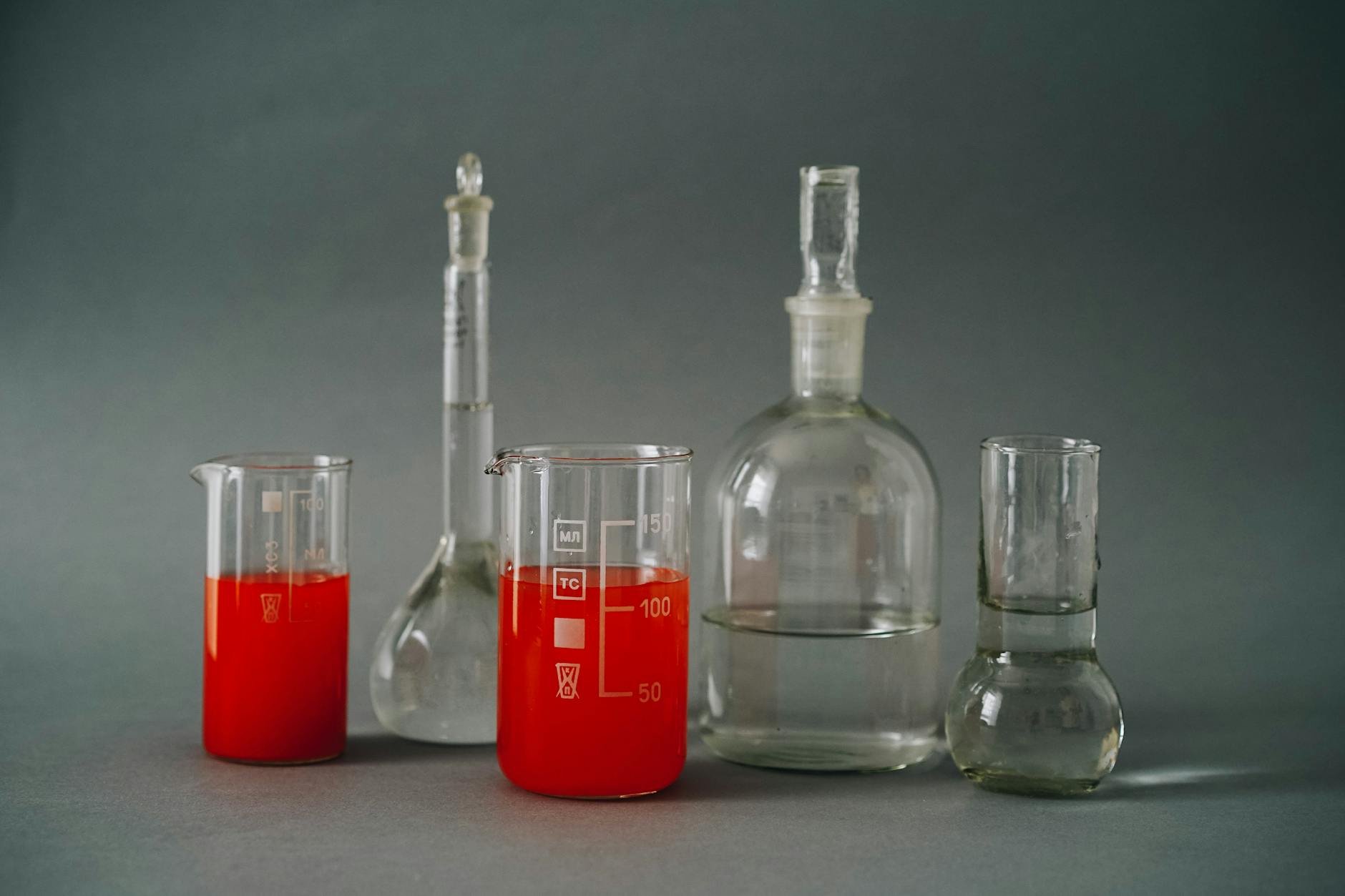
Why Water Crosses Cell Membranes
The catch: Water does not move because a cell “wants” it. It moves because 2 sides of a membrane have different solute levels, and that difference creates a gradient. In osmosis, the membrane lets water pass far more easily than sugar, salt, or large molecules, so water drifts from lower solute concentration to higher solute concentration until the gap narrows.
That movement matters because cells run on balance. A red blood cell in pure water can swell fast, and a plant cell in a dry salt-heavy spot can lose water and get stiff in the wrong way. In both cases, the membrane is doing cell membrane transport all day long, and water keeps answering the concentration difference like it has no choice. Biology basics sound dull until a cell starts bursting.
This is the part most textbooks soften: osmosis is not a special side topic. It sits inside diffusion and osmosis as one clear pattern, and it drives real problems in medicine, farming, and food storage. A 0.9% saline solution works because it matches the salt level of human blood closely enough to avoid forcing a big water shift. If a nurse sees that number, the move is simple: use isotonic fluid when you do not want cells to gain or lose water fast.
A student with a 35-year-old paramedic job and 4 hours of study time after shifts does not need 20 terms. That person needs one rule: water moves toward the side with more dissolved particles. If a salt solution sits outside the cell, water leaves the cell. If the outside is mostly plain water, water enters the cell. A 1-hour review of that rule beats a 2-hour grind through random flash cards.
Reality check: Most prep guides waste time on names before direction. That is backward. If you can point to the side with more solute in 10 seconds, you can predict the water shift in almost every intro biology question.
This is why cells rely on osmosis. They need water to move enough to stay alive, but not so much that the membrane tears or the contents collapse. That balance keeps proteins working, enzymes active, and the cell from becoming a sad little water balloon or a dried-out husk.
Diffusion and Osmosis, Side by Side
Diffusion and osmosis get mixed up because both involve movement down a gradient. The difference sits in the details. Diffusion can move many kinds of particles, but osmosis only moves water. Diffusion does not always need a membrane, while osmosis needs a selectively permeable one. That small membrane rule changes the whole answer on a test.
| Feature | Diffusion | Osmosis |
|---|---|---|
| Moves | Solutes, gases | Water only |
| Membrane needed? | Not always | Yes, selectively permeable |
| Direction | High to low concentration | Low solute to high solute |
| Common example | Oxygen in lungs | Water in plant cells |
| Typical class lab | 10-15 minutes | 30-60 minutes |
| Related biology course | Introduction to Biology I | Introduction to Biology II |
What this means: If a question says “water,” think osmosis first. If it says oxygen, carbon dioxide, or dye, think diffusion. That one habit cuts through a lot of exam traps, especially in a 50-question unit test where 5 questions try to sound trickier than they are.
The table also shows why the membrane matters. Water can cross a cell membrane in osmosis because the membrane blocks or slows many solutes. That is the whole reason the gradient matters so much. Count the direction, name the membrane, and the answer usually falls apart in your hands.
The Complete Resource for Osmosis
TransferCredit.org has a full resource page built for osmosis — covering CLEP/DSST prep with chapter quizzes and video lessons, plus the ACE/NCCRS-approved backup course if you do not pass the exam. $29/month covers both, and credits transfer to partner colleges.
Browse Biology 1 Course →What Happens in Real Cells
Animal cells and plant cells handle water in different ways because their shapes differ. A human cell has only a membrane, so in a very salty environment it can shrink as water leaves. In a very dilute environment, it can swell, and too much swelling can break it. A plant cell has a rigid wall plus a membrane, so it can handle extra water better and build turgor pressure, which helps stems stay upright.
A plant cell in a low-salt environment pulls in water and presses against its wall. That pressure can reach several bars in some tissues, and you should treat that number as a sign that plant cells hold real force, not just “extra moisture.” In a school lab, that is the moment to press on a celery stalk or leaf and feel the stiffness instead of memorizing a definition.
Bottom line: Turgor pressure helps plants stand up, but the same water shift can hurt an animal cell. That difference is why a 0.9% saline bag makes sense for blood cells while plain water does not. If you see 0.9%, connect it to isotonic balance and stop the cell from taking a bad water hit.
A community-college transfer student who has 3 CLEPs to finish before the fall registration deadline has a limited brain budget. That person does not need a long lecture on every organelle. They need the simple map: hypertonic outside means water leaves, hypotonic outside means water enters, and isotonic means the cell stays close to the same size. If the student studies 45 minutes a day for 2 weeks, that rule can stick before the deadline hits.
This is the part people miss: plant cells do not “like” water in some vague way. They depend on the pressure. Without enough water, leaves droop. With too much salt outside, the membrane pulls away from the wall in plasmolysis, and that is a mess you can see under a microscope. A one-sentence label sounds small, but it tells you whether the cell swells, shrinks, or holds steady.
If a question shows a raisin in water or a potato in salt, do not overthink it. Water moves toward the higher solute side. The result is mass gain, mass loss, or no big change, and that result tells you which side won the tug-of-war.
A Student Lab Makes It Click
At Lincoln High, a 2-day lab has students drop potato slices into 3 cups: distilled water, 5% salt water, and plain tap water. After 40 minutes, the slices in distilled water gain mass, the slices in salt water lose mass, and the tap water slice sits somewhere in the middle. That small setup shows the whole idea without a fancy microscope. The potato does not “choose” anything. Water moves based on concentration difference, and the mass change gives you the proof.
- Distilled water has lower solute, so water enters the potato cells.
- 5% salt water pulls water out, so the slices lose mass.
- Tap water usually sits closer to balance, so the change stays smaller.
- The cell wall keeps the potato from bursting, even as pressure rises.
- The mass shift proves water crossed the membrane, not the starch.
How TransferCredit.org Fits
Frequently Asked Questions about Osmosis
Most students are surprised that water moves across the cell membrane on its own, without the cell spending ATP. In osmosis in cells, water moves from the side with more water and less solute to the side with less water and more solute, and the membrane lets water through faster than many dissolved particles.
A 1% salt mix and a 10% salt mix create a concentration difference that pulls water toward the 10% side. You use that rule in biology basics: water moves until the balance gets closer on both sides of the membrane.
The most common wrong idea is that salt or sugar moves first and water just follows behind. In diffusion and osmosis, water moves because the membrane and the concentration gap drive it, and the solute may stay put if the membrane blocks it.
This applies to every living cell, from bacteria to plant and animal cells, and it doesn't stop just because the cell is tiny. Cell membrane transport rules still work in a 2-micron bacterium and in a plant cell with a rigid wall.
Most students memorize the word and skip the picture, but that misses the point. Draw the cell, label the membrane, mark a high-water side and a low-water side, and you'll see the water movement in 30 seconds.
If you get this wrong, you'll mix up hypotonic, hypertonic, and isotonic solutions, and that usually costs points on cell questions worth 3 to 5 marks. A red blood cell in pure water can swell and burst, so picture the cell before you guess.
Water moves in or out of the cell depending on which side has more dissolved stuff. If the outside has 0.9% salt and the inside has more solute, water moves one way; if the outside has more solute, it moves the other way.
Start by finding the membrane and the two solutions on each side. Then compare solute levels, because a cell in 100% pure water behaves very differently from a cell in 5% salt water.
Most students are surprised that a plant cell doesn't burst the way an animal cell can, because the cell wall adds pressure support. In osmosis in cells, water enters the vacuole, the pressure rises, and the cell becomes turgid instead of popping.
Water can cross a cell membrane in seconds to minutes, and some cells move thousands of water molecules per second through aquaporins. That speed is why your body can shift water fast after you eat a salty meal or drink a lot of water.
Final Thoughts on Osmosis
Osmosis sounds small until you trace what it does. Water crosses a selectively permeable membrane, chases the solute difference, and changes the shape or pressure of the cell on the other side. That one movement explains why cells swell in pure water, shrink in salt, and hold steady in balance. The cleanest way to study it is to stay on the direction, not the jargon. Ask 3 questions every time: Which side has more solute? Does the membrane let water move? What happens to the cell’s size or pressure? If you can answer those 3 things, you can handle most intro biology questions without guessing. A lot of students get stuck because they try to memorize every term before they can picture a single drop of water crossing a membrane. That wastes time. Start with the simple cases first: a potato slice in salt water, a red blood cell in distilled water, a plant cell in a hypotonic solution. Those 3 scenes cover the core idea fast. From there, the details stop looking random. Hypertonic, hypotonic, isotonic. Shrink, swell, steady. Water does the same basic job in all of them, and the cell just reacts to the imbalance. Use that pattern the next time a diagram or lab question shows up. Look at the concentration difference first, then pick the direction of water movement, then name the result.
How CLEP credits actually work
Ready to Earn College Credit?
CLEP & DSST prep + ACE/NCCRS backup courses · Self-paced · $29/month covers everything