
72 hours before a CLEP exam, a lot of students finally notice the same ugly truth: they studied the wrong way. They read chapters like they were proving something to a professor. That does not work here. CLEP exams punish vague study. They reward sharp recall, fast thinking, and a clean grasp of what the test actually asks. Most students waste time because they confuse “feeling busy” with learning. They highlight pages. They re-read notes. They tell themselves they know the material because the words look familiar. Then the test throws a twisted question at them, and the whole thing falls apart. That hurts more when you are chasing a degree on a tight schedule, like a business administration path where a passed CLEP exam can knock out intro economics, college math, or composition before you sink months into a classroom. You need clep study techniques that stick under pressure, not soft study habits that only feel productive. The fix starts with better exam learning methods. You want memory techniques CLEP-style questions can actually trigger. You want study strategies that force your brain to work, not just stare. And you want preparation tips that match the way these exams score: broad coverage, fast recall, and no patience for guessing games.
Use active recall, spaced review, and timed practice tests. That is the core. For CLEP, the best study techniques do three things at once. They help you remember facts, they train you to answer quickly, and they show you where your weak spots sit. A good plan does not just stack more hours on top of your day. It forces you to pull answers out of your head without help. That part matters a lot because many CLEP exams use roughly 90 questions in about 90 minutes, so speed is not a side issue. It is the test. The plain version: study in chunks, quiz yourself hard, and review mistakes the same day. Short sessions beat marathon sessions. A student aiming to finish an associate degree in general studies can use this on almost any CLEP subject, since that path often needs several broad-credit wins, not one deep major exam.
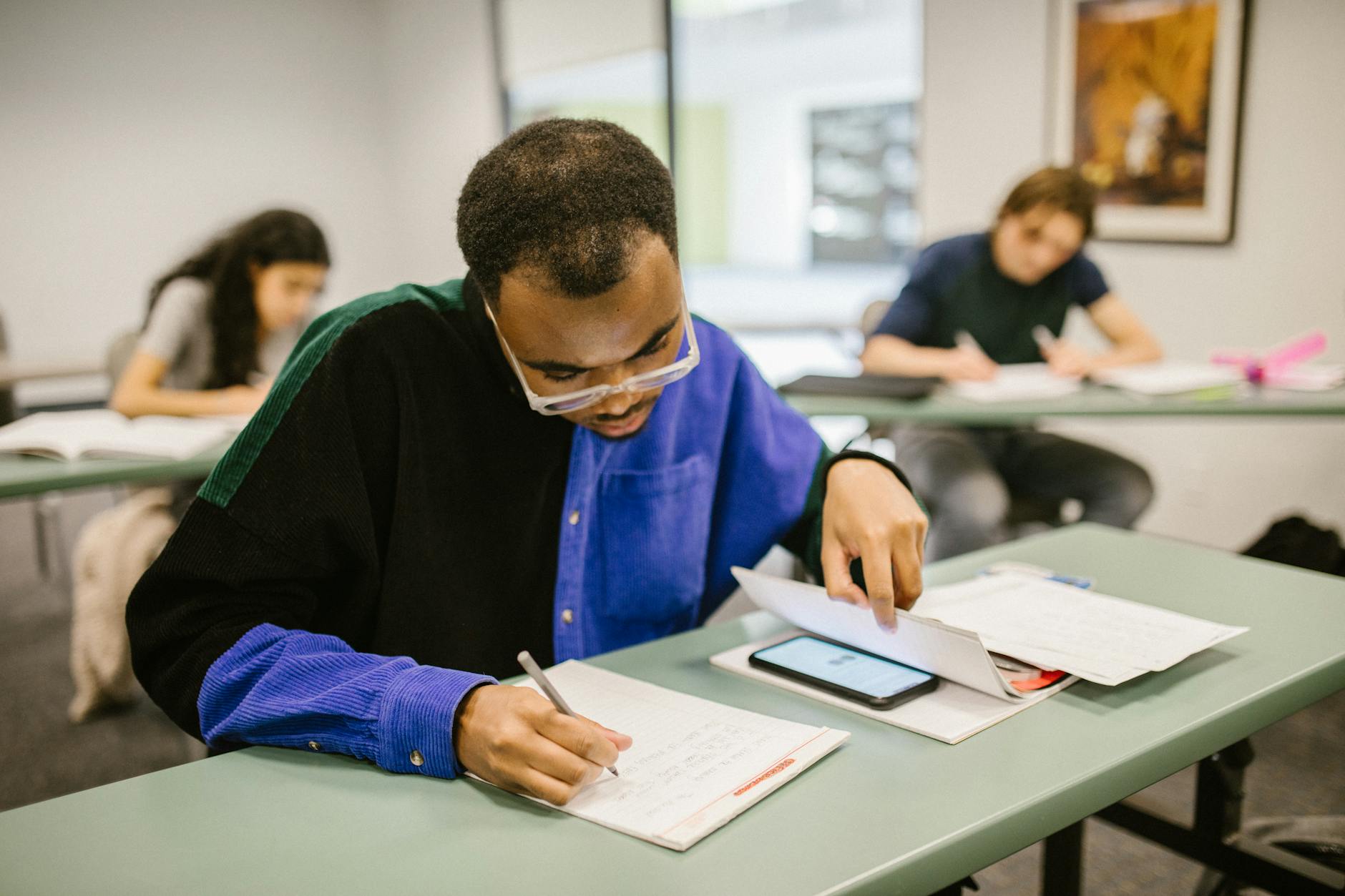
Who Is This For?
These methods fit students who want college credit fast, work part-time, and need a clean plan for a subject like history, psychology, sociology, or college algebra. They also fit people in a business degree, nursing prereq track, or general education path who need to clear early requirements without sitting through a full semester. If you already have decent reading skills and can stay honest about what you do not know, this works well. If you like structure, even better. This is not for people who want to “study” by passively reading and hoping the test feels kind. If you hate self-testing, you will fight this whole process the entire way. This also does not fit someone who has not picked a degree path yet and keeps bouncing between majors. That person does not need better memory tricks first. They need a plan. Otherwise they will cram random subjects, spend money on the wrong exams, and end up with credits that do not move them toward a real finish line. A student in an accounting track, for example, should focus on math, composition, and business basics before anything flashy. A student chasing a criminal justice degree needs a different order. The wrong exam list wastes time fast.

Effective CLEP Study Techniques
CLEP study works best when you treat the exam like a game of recall, not a reading contest. The exam does not care how many pages you skimmed. It cares whether you can answer under time pressure. That is why active recall beats re-reading every time. Close the book. Write what you know. Say it out loud. Do practice questions before you feel ready. That discomfort is the point. One thing students get wrong is this: they think more notes mean more learning. Nope. More notes often means more hiding. If you copy everything, you never force your brain to build the answer on its own. Better exam learning methods use smaller sets of facts, repeated over time, with hard checks in between. For a CLEP Biology exam, for example, a student in a health sciences path should drill cell parts, genetics, and basic physiology in short bursts, then test those ideas two days later, then again a week later. That spacing matters because memory fades fast if you do not hit it again. The same goes for U.S. History or College Composition. You need repeated retrieval, not pretty notebooks. A hard limit helps too. Study in focused blocks, then stop. Twenty-five to forty minutes of real work beats two hours of half-work and phone checks. Put the phone away. Use one source for facts, one source for practice, and one place for error review. That setup cuts clutter. It also keeps your brain from treating every tab like a new excuse.
CLEP & DSST Prep + ACE/NCCRS Backup Courses
Prep for CLEP and DSST exams with chapter quizzes, video lessons, and practice tests. If you fail the exam, the same $29/month subscription gives you the ACE/NCCRS-approved course as a backup — credit either way.
Browse All Courses →How It Works
The best CLEP prep does not start with motivation. It starts with order. Pick the exam, map the topics, and break them into pieces you can actually review. A student in a business administration degree path should not “study for CLEP principles of management” in a vague way. That student should split the work into management theory, leadership styles, planning, motivation, and control. Then they should match each piece with questions until the weak parts show themselves. This is where memory techniques CLEP students ignore can help a lot. Use flashcards, but do not just flip them like a game. Say the answer before you look. Use quick summaries in your own words. Use tiny memory hooks when a list gets ugly. If you need to remember stages, formulas, or terms, build a short cue that points to the full idea. A weird cue often beats a fancy one. That sounds messy, but real memory often works that way. A lot of students make one more dumb mistake: they wait until they “know enough” before doing practice tests. That delay costs them. Practice tests show timing problems, question traps, and weak spots in a way notes never will. For CLEP prep, one full practice test can teach more than five hours of passive study. The catch is simple. You have to review every miss and figure out why you missed it. Guessing right does not count as knowing. That truth stings, but it saves you from false confidence. For a student pursuing a business degree, this process looks practical, not fancy. Study the chapter facts. Test them. Fix the misses. Repeat. Then take a timed practice exam and check whether you can keep pace. If the score stalls, the problem usually sits in focus, not effort. You are either studying the wrong stuff, studying it in the wrong order, or giving yourself too many soft excuses.
Why It Matters for Your Degree
Students love to think a CLEP exam is just another test. Bad read. If you pass one exam and skip a 3-credit class, you can save a whole term of drag. That can mean one less class on your schedule, one less tuition bill, and a faster path to graduation. I’ve seen students lose a full semester because they waited too long to test out of a basic course. That delay costs real money. At a public college, one extra semester can easily mean $3,000 to $6,000 in tuition and fees, and that number climbs fast if you need housing or lose a work term. One exam can also save you from a messy class pileup later. The part students miss: the time cost can hurt just as much as the tuition cost. If you spend 15 weeks sitting in a class you could have knocked out in 15 days of focused prep, you do not just waste time. You slow down every next step in your degree plan. That means later registration, later transfer, later graduation, and more chances for a class you need to fill up before you get to it. The smarter clep study techniques are not about being fancy. They are about cutting the dead weight so you move sooner.
Students who plan their credit transfer strategy early save $5,000 to $15,000 on total degree costs, and often cut their graduation timeline by a full semester.
The Complete Clep Credit Guide
TransferCredit.org has a full resource page for clep — covering CLEP/DSST prep material, chapter-by-chapter quizzes and video lessons, plus the ACE or NCCRS-approved backup course if you don't pass the exam. $29/month covers both.
See the Full Clep Page →The Money Side
Let’s talk money like adults. A CLEP exam usually costs a lot less than a college class, but students still blow cash by picking the wrong path. A single traditional three-credit class can run about $300 to $1,500 at a public school and much more at private schools. Stack that across a full semester and you are staring at thousands. Now compare that with TransferCredit.org’s CLEP and DSST prep membership: $29 a month for quizzes, video lessons, practice tests, and the full prep material. That is dirt cheap compared with tuition. The real knife twist: If you pass the exam, you earn official credit through the exam. If you do not pass, the same subscription gives you free access to the ACE/NCCRS-approved backup course on the same subject, and that course earns credit too. No extra charge. That is a smart setup, not a cute bonus. Traditional tuition asks you to pay a lot before you know if the class will help. This model flips the risk. And yes, that matters when your bank account looks thin.
Common Mistakes Students Make
First mistake: students cram with random notes from the internet. That feels reasonable because free sounds smart. The problem shows up fast. Random notes leave gaps, and CLEP exams punish gaps. You might know half the topic and miss easy points because your memory techniques clep never got built around actual test style. Then you retake the exam or switch to a class, and the savings vanish. Second mistake: students buy a full semester class after one bad practice test. That feels safe. A real class has structure, a professor, and deadlines, so it looks like the grown-up move. But if your score was weak because you studied the wrong way, a class just makes the mistake expensive. You pay tuition for the same subject you could have handled with better study strategies and a cleaner plan. Third mistake: students wait too long to start. This one is brutal. They think they can “get to it later,” then the deadline creeps up and panic starts. Panic makes people spend on rushed tutoring, extra materials, or a last-minute class seat. I hate this kind of waste. It is lazy planning with a fancy excuse.

How TransferCredit.org Fits In
TransferCredit.org sits in a very specific spot. It is primarily a CLEP and DSST exam prep platform. That matters. For $29 a month, students get chapter-by-chapter quizzes, video lessons, practice tests, and the rest of the prep tools that help them get ready to test out. If they pass the exam, they earn credit through the exam. If they fail, the same subscription gives them an ACE or NCCRS-approved course on the same subject, and that course earns credit too. Two paths. One fee. That two-path setup is the whole point. It does not act like a random course library pretending to be a plan. It gives students a shot at exam credit first, then a backup credit path without charging again. For subjects like Educational Psychology, that matters because students can study once and still come out with credit either way.


Before You Subscribe
Before you subscribe, look at the exact CLEP or DSST subject you plan to take and match it to the prep path. Do not guess. Check that the course maps to your timeline, because a good prep plan only helps if you actually use it before your test date. Also look at how many weeks you have left. A $29 month sounds tiny until you let it drag on for three months because you kept putting off the exam. You should also make sure the subject matches the course you want to test out of. If you need something like Introductory Psychology, do not buy prep for a different topic just because it sounds easier. That mistake wastes time and money. Check your school calendar too. If your registration window closes in two weeks, you need a fast study plan, not a vague promise to “start soon.”
See Plans & Pricing
$29/month covers full CLEP & DSST prep (quizzes, video, practice tests) plus free access to the ACE/NCCRS backup course if you don't pass the exam. No hidden fees.
View Pricing →Frequently Asked Questions
The most common wrong assumption is that you should reread chapters until they stick. That burns time. You need active clep study techniques instead. Start with a 20-question practice set on day one, even if you bomb it. That shows you what the exam wants and where you waste effort. Then use study strategies like flashcards, timed recall, and 30-minute blocks with no phone nearby. For memory techniques clep, write a fact from memory, check it, then write it again from memory. Do that 3 times. You’ll remember more because your brain has to work. Also, use exam learning methods that match the test, like multiple-choice drills and error logs. If you miss the same topic twice, stop reading and start testing yourself on that topic.
Start with one practice test and a pencil. That’s step one. Don’t start with a giant reading marathon. You’ll waste a whole day and remember almost nothing. Use the practice test to mark 3 groups: what you know cold, what you sort of know, and what you missed hard. Then build your study strategies around the weak spots only. If the exam has 120 questions, you need speed, not perfect notes. Use 25-minute focus blocks, then take a 5-minute break. After each block, close the book and say the main facts out loud. That’s one of the best memory techniques clep students skip. For math or history, do 10 problems or 10 facts at a time, not 50. Small chunks stick better.
Most students keep reading. What actually works is testing yourself fast and often. Reading feels safe, so people fool themselves into thinking they know the material. They don’t. CLEP study techniques work best when you force your brain to pull facts out, not just look at them. Try this: read 2 pages, close the book, and write 5 facts from memory. Then check what you missed. That’s one of the strongest exam learning methods because it exposes weak spots right away. Use study strategies like mixed practice too. Don’t do 40 questions on one topic only. Mix 10 on one topic, 10 on another, then 10 more. That makes your brain work harder, which helps on test day when the questions jump around.
The thing that surprises most students is that short recall beats long study sessions. You don’t need 6 straight hours. You need repeated hits. Memory techniques clep work best when you review the same facts on day 1, day 3, day 7, and day 14. That spacing helps the facts stay put. Use index cards, but don’t just read them. Say the answer before you flip the card. If you get it wrong, put that card in a separate pile and hit it again later that same day. Also, use numbers and dates in groups. For example, if you need 12 formulas or 15 dates, split them into 3 sets of 4 or 5. Your brain handles small piles better than giant stacks, and that saves time when you’re under pressure.
You should study 10 to 15 hours a week for most CLEP exams, and you should spend those hours on practice, not just reading. If you only have 2 weeks, you need about 20 to 30 focused hours. That means real work, not background noise while you scroll your phone. Use study strategies like 3 sessions a day if your schedule’s tight: one in the morning, one after school or work, and one at night. Keep each session under 45 minutes. Short and sharp works better than dragging it out. For preparation tips, make a list of the 5 topics that show up most on your exam, then drill those first. If you miss a question, write down why you missed it. That mistake log tells you where your study time should go next.
You stay focused by cutting out the junk that keeps pulling your attention. That means your phone goes in another room. Not on silent. Not face down. Gone. Use 25-minute blocks and set a timer so you don’t keep checking the clock. During each block, do one thing only: flashcards, practice questions, or note review. Don’t mix all three at once. That wrecks focus. One of the better clep study techniques is a clean study spot with just your materials, water, and a timer. If your brain wanders every 5 minutes, stand up, walk for 30 seconds, and come back. That reset helps more than forcing yourself to sit there angry. For exam learning methods, always end a block by answering 3 questions from memory before you stop.
These study strategies fit you if you need credit fast, have a real deadline, or want to save money by passing on the first try. They also work if you already know some of the material and just need cleanup and test practice. They don’t fit you if you plan to just skim notes and hope luck shows up. That never works on CLEP. Use preparation tips like starting 3 to 4 weeks early, taking one full practice test, and drilling your weakest 20 percent of topics twice as much as the rest. If you’re weak on vocabulary, history dates, or formulas, use memory techniques clep like recall cards and spaced review. If you’re strong already, spend most of your time on timed sets and question speed, not extra reading.
Final Thoughts
CLEP works when you treat it like a money move, not a hobby. Study the right way, test on time, and stop paying for classes you do not need. If you want a simple next step, pick one exam, set a test date, and use a prep plan built for that exam. For $29 a month, TransferCredit.org gives you the prep tools plus a backup credit path, and that is a much smarter bet than lighting $1,000 on fire for one class.
Ready to Earn College Credit?
CLEP & DSST prep · ACE/NCCRS backup courses · Self-paced · $29/month covers everything