
Khan Academy helps a lot with CLEP, but it does not cover every exam equally well. The free videos, practice sets, and mastery tracking work best for subjects with clear rules and repeatable problem types, like algebra, economics, and intro science. They work less well for exams that lean on writing, broad reading, or test-specific framing. The big mistake is treating Khan like a full CLEP package. It is a strong content base, not a complete exam plan. CLEP uses College Board question styles, timed pacing, and topic mixes that do not always match a lesson-by-lesson course site. A student who studies only the videos can know the subject and still miss the exam. That matters because CLEP can save 3 to 6 credits per exam at a lot of colleges, and those credits can shave off a semester or more. Use Khan where it matches the test, then fill the gaps with test-focused material. That is the clean way to study, and it beats random cramming every time.
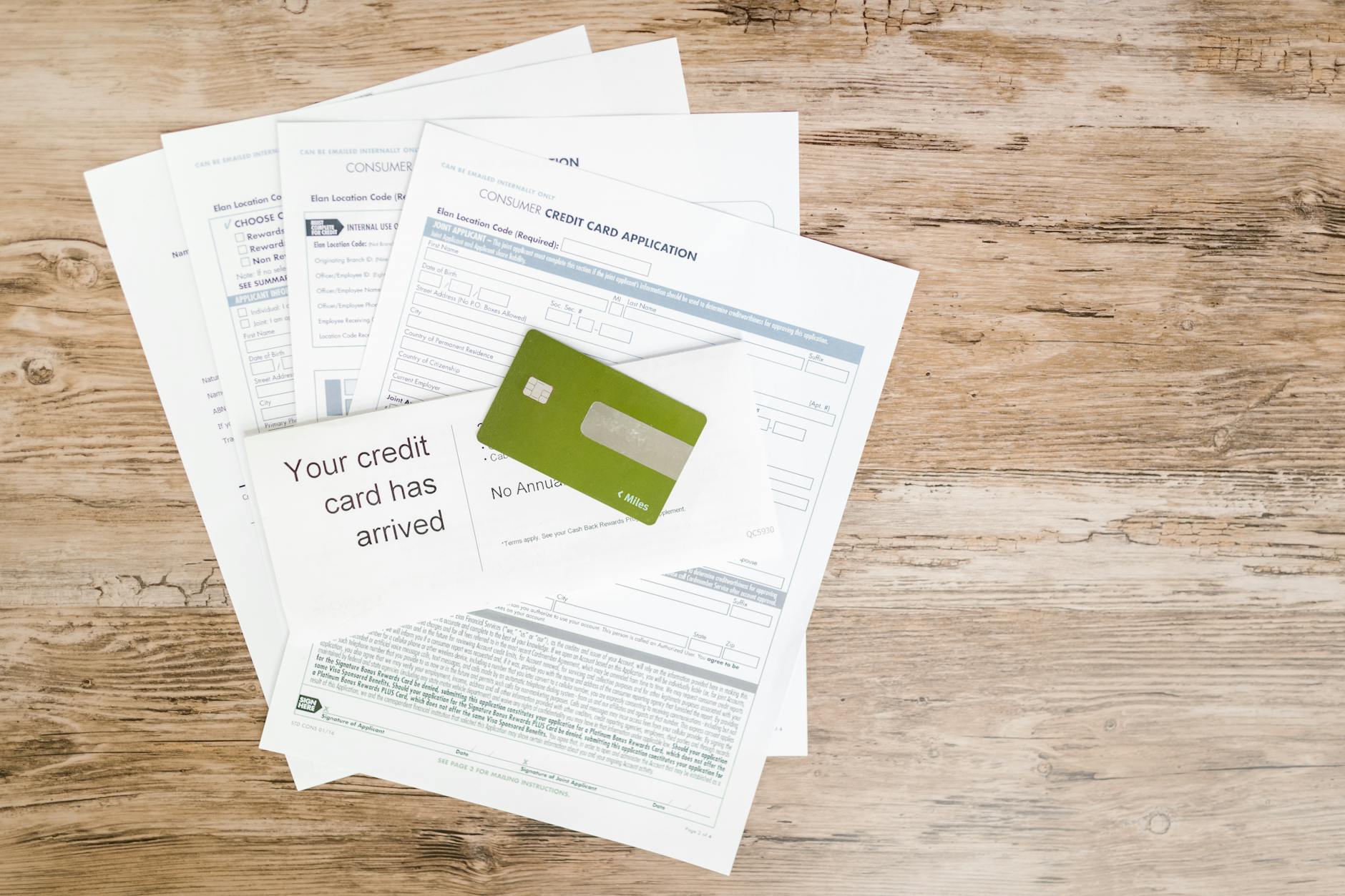
The Big Khan Academy CLEP Myth
Khan Academy is not a full CLEP prep system, even though it helps a lot. It gives you free lessons, practice problems, and mastery tracking across subjects from Algebra II to Calculus AB, plus intro biology, chemistry, economics, computer science, and U.S. History. That range makes it one of the best starting points for free college study, but CLEP asks for more than watching lessons and answering practice items.
Reality check: The exam does not care that a lesson felt clear. It cares whether you can handle College Board style questions, move fast in 90 minutes, and spot the exact topic slice the test writer wants. A student can get comfortable with Khan’s Algebra II path and still miss the sharper wording on a CLEP College Algebra form. That means you should use Khan for content, then add at least one CLEP-specific source before test day.
A 35-year-old paramedic studying after 12-hour shifts has about 5 hours a week, maybe 6 if the weekend stays quiet. That person should not spend those hours on broad review alone. Start with Khan for the core lesson, then switch to timed practice and exam framing once the basics feel steady.
Passing CLEP at 50 and scoring 80 both earn the same credit at the school that accepts the exam. That makes overstudying a bad trade in a lot of cases. Aim for mastery on weak topics, not perfection on every lesson, because the score only needs to clear the pass line.

Where Khan Academy Really Delivers
Khan’s best CLEP use shows up in subjects with clean topic maps and lots of worked problems. Its strength is not mystery; it is repetition. That matters because CLEP math and intro science exams often reward pattern recognition more than long reading, and Khan gives you plenty of reps before you face the real test.
- College Algebra is a strong fit because Khan’s Algebra II and College Algebra coverage hits most of the same ground. If you need a fast free college study base, this is one of the best places to start.
- Precalculus works well too, since Khan explains functions, trig, and graphs in small steps. Use that structure to clean up weak spots before you add timed CLEP practice.
- Macroeconomics and Microeconomics are both clear on Khan, with graphs, terms, and market logic broken down well. What this means: You should use the videos first, then drill supply, demand, inflation, GDP, and elasticity with practice questions.
- Introductory Psychology gives you solid coverage of the big ideas, and Khan’s short lessons help with memory, learning, and research basics. The depth runs lighter than a full college text, so add a second source if your target school wants a stronger score.
- Biology and Chemistry both get decent intro-level treatment, especially for core definitions and process flow. Khan helps most when you need to review photosynthesis, cell parts, atoms, bonds, and basic reactions.
- U.S. History is a strong match because Khan covers both halves of the story in a clear timeline. Use it to sort 1776, the Civil War era, the Great Depression, and the Cold War into a single map.
- Khan Academy review CLEP works best here as a first pass, not the last pass. Pair it with a short timed review session so the facts stick under pressure.
The Complete Resource for Khan Academy CLEP
TransferCredit.org has a full resource page built for khan academy clep — covering CLEP/DSST prep with chapter quizzes and video lessons, plus the ACE/NCCRS-approved backup course if you do not pass the exam. $29/month covers both, and credits transfer to partner colleges.
See CLEP Membership →The CLEPs Khan Academy Cannot Carry
Calculus is where the free videos stop being enough on their own. Khan’s calculus lessons are good, but CLEP Calculus asks you to move fast through limits, derivatives, and integrals in a way that can feel different from the lesson flow. If you are aiming at this exam, use Khan for the teaching and add MIT OpenCourseWare or a textbook for harder problem sets and faster pacing.
Western Civilization I and II are a weak match for Khan, plain and simple. Those exams lean on names, dates, movements, and cause-and-effect across long historical stretches, and Khan does not cover that content deeply enough for most test-takers. A homeschool senior taking 3 CLEPs in one summer should not bank on Khan for these two; that student needs a real history guide and targeted reading.
College Composition brings a different problem. Khan can help with grammar and some writing basics, but the CLEP exam also asks for planning, revision, and clear argument under time pressure. A score of 50 matters here, but the essay part still needs practice with outlines, prompts, and feedback, so you should use a writing-specific prep path instead of hoping videos will do the job.
Sociology and literature exams also expose Khan’s limits. Sociology needs broader theory and more term depth than Khan gives, and literature exams depend on reading, analysis, and text recognition, not just short lessons. The catch: A student can spend 10 hours on videos and still feel lost on these tests, which is why a REA guide or assigned reading should enter the plan early.
Why Khan Works Better in STEM
Khan works better in math and intro science because those subjects reward step-by-step teaching. A video that shows one formula, one graph, or one reaction at a time can turn a fuzzy topic into something you can do on paper. That style fits CLEP College Algebra, Precalculus, Biology, and Chemistry better than it fits essay-heavy or reading-heavy exams.
The mastery system also matters. When you miss 3 of 10 problems on factoring or stoichiometry, Khan points straight at the weak spot, and that saves time. A student who has only 4 weeks before a CLEP date should want that kind of feedback, because a weak topic in STEM often causes a chain of mistakes, not just one bad answer.
A community-college transfer student with a fall registration deadline has to move in order. First, get the content straight with Khan. Then add timed review on the exact CLEP style, because learning the math is not the same as learning how College Board asks the math. That split sounds small, but it changes how you study, especially on exams with 90 questions or more in a tight window.
I like Khan here more than a lot of polished paid sites, and that is not me being soft on free tools. It is me noticing where the tool actually fits. For STEM CLEPs, Khan teaches the concept well enough that your next step can be pure test prep instead of basic rescue work.
What To Add When Khan Falls Short
Khan gives you the spine, but it does not give you the whole skeleton. Once a CLEP starts asking for exam wording, essay skill, or broad historical recall, you need a second layer. That is where Modern States, MIT OpenCourseWare, textbooks, and targeted guides earn their place. Use Khan for the lesson flow, then add the source that matches the way the test actually asks questions. A 90-minute exam does not reward comfort alone; it rewards recall, timing, and format practice. That is why a mixed stack beats one site every time.
- Use Modern States for CLEP framing and vouchers, then do Khan lessons for the content.
- For Calculus, add MIT OCW or a solid textbook for harder sets and deeper problem work.
- For humanities and writing, use REA guides or assigned reading, not Khan alone.
- Introductory Psychology and Educational Psychology show how a course layer can fill in gaps Khan leaves behind.
- CLEP prep membership works best when you want video lessons plus full chapter quizzes in one place.
- free CLEP study should mean free content plus a real plan, not free videos with no test practice.

How TransferCredit.org Fits
Frequently Asked Questions about Khan Academy CLEP
Start with the CLEP exam outline, then match each topic to Khan Academy units like Algebra II, Macroeconomics, or U.S. History. Khan Academy works best as your free CLEP study spine for math and intro science, while Modern States helps you learn the CLEP format.
You can miss the parts CLEP asks in a different way, and that hurts on exams like College Composition, Western Civilization I/II, and Literature. Khan Academy review CLEP content is strong for facts and skills, but it doesn't train essay writing or long humanities recall well.
Khan Academy costs $0, so it's one of the best free college study tools you can use for CLEP prep. It gives you videos, practice problems, and mastery tracking, but you still need outside prep for the actual CLEP format, which is why Modern States pairs well with it.
The biggest mistake is thinking every CLEP exam needs the same kind of prep. Khan Academy college prep works very well for College Algebra, where its Algebra II plus College Algebra units cover about 90% of the material, but Calculus needs more than Khan alone.
Khan Academy for college credit is stronger on some CLEPs than on others, and U.S. History is one of the biggest wins because it covers both halves well. That surprises people who expect a math site to be weak in history, but the videos and practice questions hold up.
No, Khan Academy isn't enough for CLEP Calculus by itself. Khan's calculus lessons help with limits, derivatives, and integrals, but you should add MIT OpenCourseWare or a textbook so you get harder problems and deeper practice.
Most students binge videos and stop there, but that leaves gaps on test day. Khan Academy review CLEP works better when you finish a unit, do the practice set, then check the CLEP outline and patch weak spots with Modern States or a study guide.
This fits you if you're studying for College Algebra, Microeconomics, Macroeconomics, Biology, Chemistry, Intro Psychology, or U.S. History; it doesn't fit you as a stand-alone plan for Western Civilization, Sociology, Literature, or College Composition. Those exams need more reading, writing, or specialized review.
Check the exact CLEP exam list and circle the topics Khan already covers, like Algebra II, intro biology, or intro economics. Then build your free CLEP study plan around the gaps, not around the videos you like most.
You can spend 20 or 30 hours on material that won't match the test, especially on Western Civilization, Sociology, or College Composition. That wastes time fast, while exams like Microeconomics, Macroeconomics, and U.S. History line up much better with Khan Academy's lessons.
Final Thoughts on Khan Academy CLEP
Khan Academy deserves the good reputation it has. It teaches clearly, it costs nothing, and it covers enough math, science, economics, and history to carry a lot of CLEP prep. That said, the site works best when you treat it like a strong first layer, not the whole house. The common mistake is using one resource for every CLEP. That works for a few exams, then falls apart on the ones that ask for deeper reading, essay work, or tighter test framing. College Algebra, Precalculus, Microeconomics, Macroeconomics, Biology, Chemistry, and U.S. History all fit Khan well. Calculus, Western Civ, College Composition, Sociology, and literature need more. A smart plan looks boring on paper, and that is a good sign. Use Khan to learn the material. Add Modern States for CLEP-style practice. Bring in a textbook, REA guide, or focused reading where the exam demands more depth. If you do that, you stop guessing and start matching the tool to the test. That match matters more than hype. Pick the CLEP, check the weak spots, and build the stack before you spend your first week studying.
How CLEP credits actually work
Ready to Earn College Credit?
CLEP & DSST prep + ACE/NCCRS backup courses · Self-paced · $29/month covers everything