
Cells run thousands of reactions every second, and enzymes make that pace possible. They lower the energy barrier so a reaction starts faster, but they do not change the final amount of product. That means enzymes function like a shortcut, not a magic trick. In chemical reactions biology depends on, the hard part is often getting started. A reaction might happen on its own, but so slowly that it would be useless inside a cell. Enzymes fix that by binding a substrate, holding it in the right shape, and making the reaction easier to trigger. They also stay in the cell and can be used again and again, which matters because living systems keep running 24/7. The part people miss: faster does not mean more product forever. An enzyme can make a reaction reach the same endpoint in 10 seconds instead of 10 minutes, but it does not add extra starting material. If the substrate runs out, the reaction stops. That distinction matters in enzymes and metabolism, digestion, and energy release, where timing can decide whether a cell gets what it needs before the next demand hits. Temperature, pH, and concentration all shape enzyme activity. Push any of them too far, and the protein loses its shape or its grip on the substrate. That is where the reaction slows, stalls, or dies off.
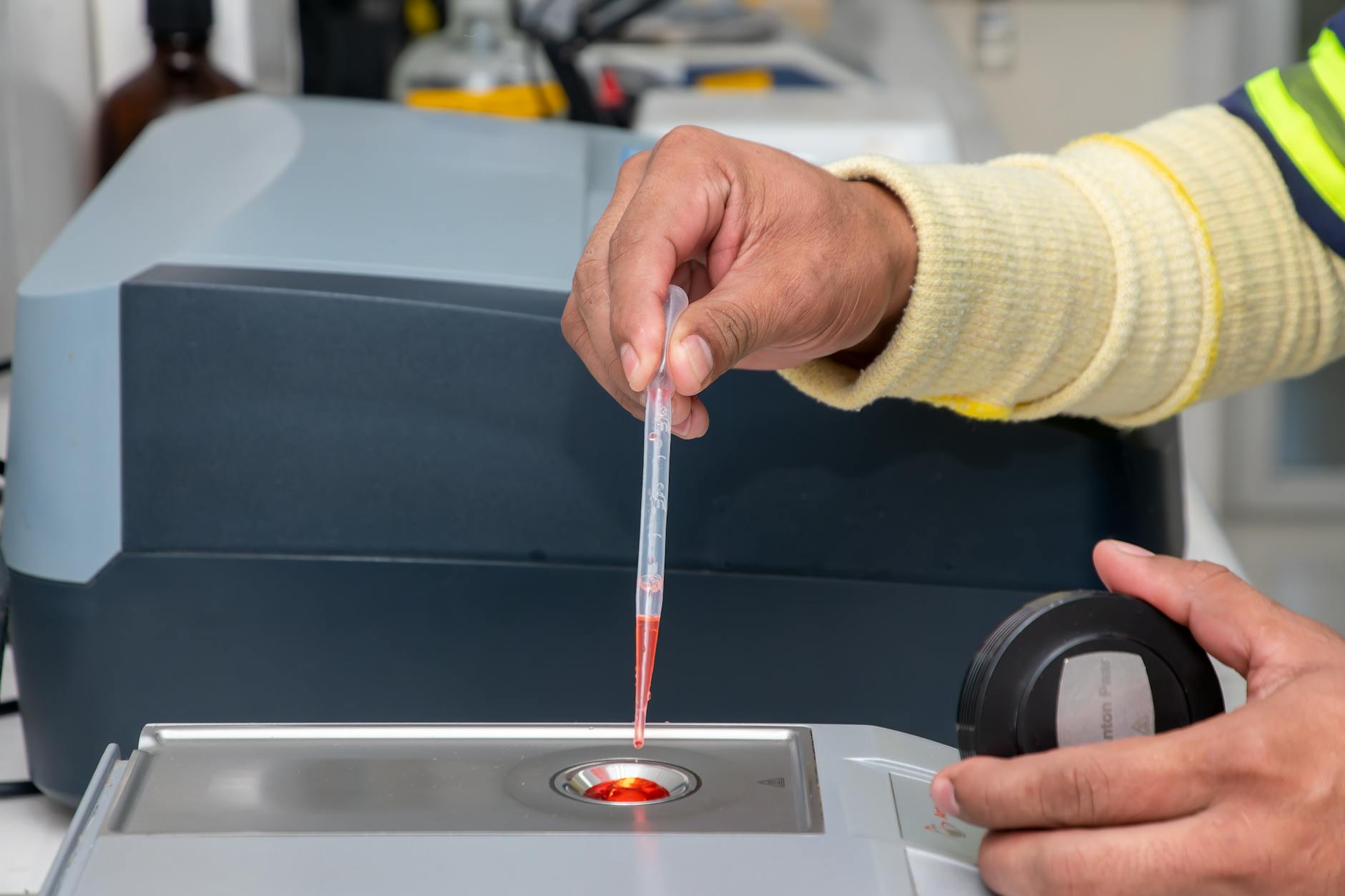
Why Enzymes Speed Reactions So Fast
The catch: Enzymes lower activation energy, and that is the whole trick. A reaction that might crawl for 10 minutes without help can finish in seconds with the right enzyme. The enzyme does not get used up, so one molecule can help the same reaction over and over while the cell keeps making ATP, breaking down food, or building DNA.
A lot of people think an enzyme adds product. It does not. It changes the speed, not the finish line. If you start with 100 molecules of substrate, you still end with the same total product once the reaction runs its course; the enzyme just gets you there faster. That matters because a cell cares about timing, not just totals. If a reaction feeds glycolysis or digestion, a slow start can bottleneck the whole chain.
The counterintuitive part: a 50% higher reaction rate can matter more than a 500% bigger amount of product later on. Cells often need a fast burst, not a huge pile. So the smart move is to focus on rate control, not on the fake idea that enzymes somehow make extra matter appear.
Picture a community-college transfer student trying to finish science credit before an August registration deadline. If that student has 3 weeks, not 3 months, the speed of each reaction in the body matters because the body still has to keep digesting food, making energy, and staying alert while the schedule gets tight. A reaction that runs in 1 minute instead of 20 seconds can sound small, but inside a cell, that gap stacks up across thousands of molecules. That is why enzyme speed is not a side note; it is the reason biology works at human time scales.
What Enzymes Do Inside Cells
Enzymes run metabolism, which means they help break down molecules for energy and build new ones for growth and repair. Some enzymes cut big food molecules into smaller pieces during digestion. Others help stitch small pieces together into proteins, fats, or DNA. One cell can use hundreds of different enzymes, and each one handles a specific job.
Worth knowing: Specificity matters because an enzyme usually works with one substrate or a very small group of similar ones. That is why lactase handles lactose, while amylase works on starch. If the shape does not match, the reaction barely moves. This is not vague biology fluff; it is a lock-and-key problem with real chemical limits.
A homeschool senior taking 3 CLEPs in one summer may hear the same warning from every prep book: memorize everything. That advice wastes time. The better move is to learn which enzyme does what, because biology exams love pairs like substrate and product, and the same habit helps with real cell work too. A liver cell, a muscle cell, and a stomach cell all run different enzyme sets, and they do not swap jobs just because the cell needs something done now.
Enzymes also shape everyday biology basics like energy release from glucose, protein turnover, and nutrient storage. In a 24-hour day, your cells keep recycling molecules instead of starting from zero. That saves time and energy. It also means a damaged or missing enzyme can cause trouble fast, because the cell loses one step in a chain of 10, 20, or even more reactions.
The Complete Resource for Enzymes
TransferCredit.org has a full resource page built for enzymes — covering CLEP/DSST prep with chapter quizzes and video lessons, plus the ACE/NCCRS-approved backup course if you do not pass the exam. $29/month covers both, and credits transfer to partner colleges.
Explore Biology 1 Course →Temperature, pH, and Enzyme Activity
Most enzymes work best in a narrow range, and that range is not a joke. Human enzymes usually perform near 37°C, which matches normal body temperature, and many stomach enzymes need a very acidic pH while others prefer neutral conditions around pH 7. Push too far past that range, and the protein shape changes, the active site loses its fit, and the reaction drops hard. Reality check: Heat does not always help. Past the sweet spot, extra warmth can denature the enzyme and shut the reaction down instead of speeding it up.
- At 37°C, many human enzymes work near their best; a fever above 40°C can start to hurt shape.
- Cold slows collisions, so a reaction can crawl at 4°C even if the enzyme still stays intact.
- pH 2 fits stomach enzymes better than pH 7; move the enzyme to the wrong place and activity falls fast.
- Strong heat, often above 50°C for many proteins, can denature the enzyme and kill binding.
- Alkaline conditions around pH 9 can disrupt hydrogen bonds and change the active site shape.
How Concentration Changes Reaction Speed
More substrate can speed a reaction, but only until the enzymes get busy. After that, the active sites fill up and the rate flattens. More enzyme can raise the top speed because it gives the cell more working spots. That is the basic pattern behind saturation.
- Start with more substrate, and the reaction rate rises because more collisions hit active sites.
- Keep adding substrate, and the rise slows once most enzymes stay occupied most of the time.
- Hit saturation, and extra substrate changes almost nothing until the cell makes more enzyme.
- Add more enzyme, and the maximum rate climbs because the cell now has more active sites to use.
- If a lab test runs for 5 minutes, watch the early slope first; that part shows the real speed before saturation blurs the picture.
- A 20% boost in enzyme amount can raise throughput, so the next step is to increase enzyme supply rather than dumping in more substrate.
When Enzymes Work Better or Worse
Small changes outside temperature and pH can still swing enzyme activity hard. A reaction can speed up, stall, or get blocked by a molecule that looks close enough to fool the enzyme. Some of these shifts happen in seconds, not hours.
- Inhibitors block active sites or change shape, and even 1 blocked enzyme can slow a whole pathway.
- Cofactors like magnesium or zinc help some enzymes work; without them, the reaction can stall.
- Salt levels matter. A jump from 0.9% to much higher can upset protein shape and lower activity.
- Cell crowding changes collision rates, so a packed cell can behave differently from a diluted test tube.
- Allosteric control can switch enzymes on or off, which lets the cell respond fast to energy needs.
- Heavy metals like mercury can poison enzyme function, so the reaction may stop before it starts.
How TransferCredit.org Fits
Frequently Asked Questions about Enzymes
This applies to you if you're studying biology basics, AP Bio, or intro chemistry, and it doesn't apply if you're looking for a full biochemistry lab manual. Enzymes speed up chemical reactions biology uses in cells by lowering the activation energy, and most enzymes work best in a narrow pH range and around 37°C in humans.
Start with the active site, because that's where the substrate binds and the reaction speeds up. Then check temperature, pH, and concentration, since a 1°C change or a small pH shift can change enzyme activity a lot.
Most students memorize the word 'catalyst' and stop there, but that misses how enzymes function in real cells. What works is linking one enzyme to one reaction, like catalase breaking down hydrogen peroxide into water and oxygen in less than a second under the right conditions.
What surprises most students is that enzymes don't get used up, so one enzyme molecule can help many reactions. A single enzyme can speed up thousands of substrate molecules per second, and that number drops fast if the temperature goes past the enzyme's best range.
Some enzymes can speed up a reaction by 1,000,000 times or more, which is why cells can keep enzymes and metabolism running at all. That huge boost matters because you should focus on activation energy, not on enzymes adding energy to the reaction.
If you get this wrong, you'll mix up enzyme activity with the reaction itself and lose points on questions about temperature, pH, or inhibitors. That's a bad trade, because those three ideas show up again and again in biology basics and cellular respiration.
No, enzymes speed up the reaction without changing the final products. They lower activation energy, but they don't change the start or end chemicals, and they don't move the equilibrium to a different final result.
Most students think higher temperature always means faster reactions, but that only works up to the enzyme's best point. Past that, the protein can denature, and even a jump from 37°C to 45°C can wreck enzyme activity in human cells.
This applies to you if you're learning how enzymes and metabolism work in living things, and it doesn't apply if you're only doing a non-biology chemistry unit on metals or salts. Enzymes help control pathways like glycolysis, and cells often need 10 or more enzymes in one pathway to finish a job.
First, check the enzyme's normal pH range, because stomach pepsin works best around pH 2 while many human enzymes work near pH 7. Then match the enzyme to the body part or cell compartment, since pH changes can slow the reaction fast.
Most students memorize that more concentration means faster reaction, but what actually works is tracking both substrate and enzyme concentration. If substrate is low, adding more enzyme won't help much; if substrate is high, the reaction can speed up until the enzymes are fully busy.
What surprises most students is that cold usually slows enzymes down without destroying them, while heat can permanently damage them. A fridge at about 4°C may slow enzyme activity a lot, but boiling near 100°C can unfold many enzymes fast.
A change of 1 pH unit can matter a lot, especially for enzymes with a tight pH range. If you shift from pH 7 to pH 8, you should expect the shape of the active site to change enough to slow binding and cut reaction speed.
Final Thoughts on Enzymes
Enzymes do one job and do it well: they make biology fast enough to live. They lower activation energy, they stay in the cell, and they keep the same final product amount while changing how quickly a reaction gets there. That sounds simple, but the details bite. Temperature near 37°C can help. Too much heat can wreck the protein. pH can help or ruin the fit. Concentration can speed a reaction right up to saturation, then hit a wall. That wall matters. People often assume more of everything means better results, but enzymes punish that habit. Dump in more substrate after saturation, and nothing changes. Push pH too far, and the active site stops working. Raise heat past the safe range, and denaturation can kill activity fast. Biology does not reward brute force. It rewards the right condition at the right time. If studying this for class, focus on the chain: substrate binds, active site fits, activation energy drops, reaction speed rises. Then tie each factor to a clear effect. Heat can speed up until it breaks the shape. pH can help or hurt binding. More substrate helps only until enzymes fill up. More enzyme raises the ceiling. That sequence shows up again and again in exams and in real cells. Use that pattern on your next review session. Draw one enzyme, one substrate, and one reaction, then test yourself on what changes speed, what changes shape, and what changes nothing at all.
How CLEP credits actually work
Ready to Earn College Credit?
CLEP & DSST prep + ACE/NCCRS backup courses · Self-paced · $29/month covers everything