
Passing a CLEP exam does not hand you college credit on its own. A school has to accept the exam, match it to a course or elective slot, and set a passing score before the credit shows up on your record. That’s the part most students miss. They hear “CLEP” and assume one score works everywhere. It does not. The College Board runs CLEP, the score scale runs from 20 to 80, and 50 is the standard passing mark — but a college can still set its own rule for what counts. Check the school’s equivalency chart before you pay for the test, because a 50 at one campus can mean 3 credits while another campus gives nothing. The smart move is boring but effective: pick the school first, then test. A community-college transfer student who wants to start in August should check CLEP rules before spring registration closes, not after the exam. A homeschool senior who plans 3 CLEPs in one summer needs the same habit. You want the school’s policy, the score cutoff, and the course match before you sit down at the test center. That order saves time, money, and a lot of ugly surprises.
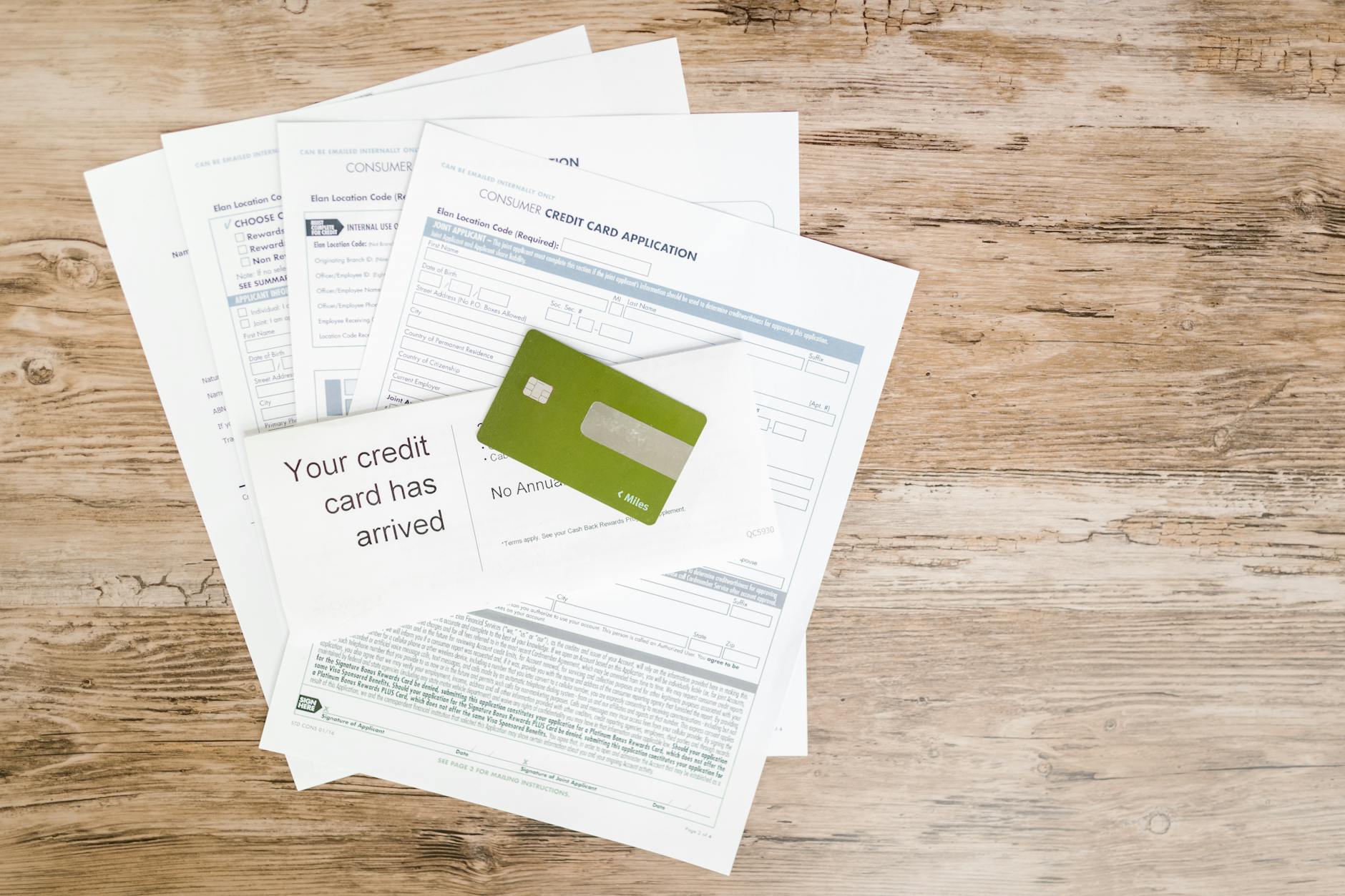
Why CLEP Credit Isn’t Automatic
The catch: A passing CLEP score does not force a college to give credit. The College Board sets the exam, but each school sets its own equivalency rules, and that means one campus may give 3 semester hours while another gives 0 for the same 50 score.
That gap trips up a lot of first-time test-takers. A school can accept CLEP for English Composition, College Algebra, or Introductory Psychology, yet still reject the same exam for a major course or a lab requirement. If a policy says “3 credits for Humanities,” use that to check whether those 3 credits count as general education or just free electives. A 3-credit award helps only if it fits your degree plan.
A 35-year-old paramedic who studies after 12-hour shifts has a different problem than a full-time student on campus. If that paramedic wants to finish a degree before the fall term starts, the school’s registration deadline matters more than the exam date. Check the equivalency chart, the minimum score, and the transcript rule before the test, because a $93 exam fee buys nothing if the college does not recognize that exam. That $93 should push you to verify the policy first, then decide whether the exam still makes sense.
Reality check: Most people think CLEP works like a universal coupon. It does not. Colleges use CLEP as a local credit rule, not a national promise, and that means the same score can land in very different places depending on the institution and the department.

What Colleges Accept CLEP Scores
Public universities, community colleges, and some private schools all sit in the CLEP world, but they do not play by one script. The College Board lists more than 2,900 U.S. colleges that accept CLEP in some form, and that number should send you to the exact school policy, not to guesswork. Use the school list as a starting point, then check the department rules and the number of credits posted for each exam.
Community colleges often accept CLEP for general education or elective credit, especially in math, history, and composition. Four-year public universities often accept fewer exams, and private colleges can be pickier still. Some schools give 3 credits for one exam, some give 6, and some only use CLEP for placement. That range means you should not assume a school that accepts Introductory Psychology will also accept every other exam in the catalog.
Worth knowing: Acceptance also shifts by subject. A school may take College Composition or College Algebra but refuse upper-level credit in business or science. That makes the exact course title matter as much as the score. A transfer student with 24 credits left may care more about 3 credits of general education than about a major elective, so the best exam is the one that clears a requirement, not the one with the flashiest name.
A student trying to squeeze CLEP into a 4-week summer break should check the school’s chart before buying prep time. If the school gives 0 credit for the exam, the prep plan should stop there and shift to a different subject or a different route.
How CLEP Scores Become Credit
The path from exam day to college credit runs in a straight line, but each stop has a rule attached. You take the CLEP exam, send the official score report, and then the college registrar or transfer office checks the score against its equivalency chart. If the score meets the cutoff, the school may award a course match, elective credit, or general education credit. If the school wants a 50 for 3 credits, a 52 does the same job; chasing a 70 does not buy extra credit, so stop overstudying once you have the passing line in sight.
Bottom line: The score gets you in the door, but the college decides where the credit lands. That is why the course match matters just as much as the number on the report.
- Confirm the minimum CLEP score; many schools use 50, but some set higher cutoffs.
- Check the exact course match, like Composition, Algebra, or Business Law.
- Ask how many semester hours the school posts; 3 credits and 6 credits change a degree plan fast.
- Verify whether the credit counts toward general education, electives, or a major requirement.
- Make sure the school accepts the official score report from The College Board, not a screenshot or printout.
The paperwork matters here. A college can accept the exam and still place the credit as elective-only, which helps a lot less than a direct course replacement. If the registrar says “equivalent to ENG 101,” that is a clean win. If it says “free elective,” you still move closer to graduation, but the fit feels looser.
The Complete Resource for CLEP Transfer
TransferCredit.org has a full resource page built for clep transfer — covering CLEP/DSST prep with chapter quizzes and video lessons, plus the ACE/NCCRS-approved backup course if you do not pass the exam. $29/month covers both, and credits transfer to partner colleges.
See CLEP Membership →The Limits That Catch Students Off Guard
A CLEP score can look good on paper and still hit a wall inside a college. Schools set limits on credit hours, departments protect certain courses, and some majors block outside credit almost by habit. A 50 on the exam matters only if the school’s rules let that score count.
- Some schools set higher cutoffs than 50. Check for 52, 60, or a department-specific rule before you sit for the exam.
- Residency rules can cap outside credit. A college may require 30 of your last 36 credits in-house.
- Many schools cap total exam credit at 30 semester hours. Use that number to plan which exams matter most.
- Duplicate credit rules can shut you out if you already earned the course through AP, dual enrollment, or regular college classes.
- Prior coursework can block CLEP too. If you took Spanish 101, a school may refuse CLEP Spanish for the same level.
- Some majors, especially lab-heavy programs, refuse CLEP for required science or upper-level major courses.
- Department approval can override a general policy, so a business school may treat CLEP prep results differently from the liberal arts office.
A homeschool senior with 3 CLEPs planned for one summer should check the cap first, because 9 credits can disappear if the school only posts 6. A working adult with 12 prior credits in accounting should also check duplicate rules before testing into the same subject. That kind of mismatch wastes time and one test fee, and nobody needs a second expensive surprise.
How To Verify A School’s CLEP Policy
You can verify a school’s CLEP policy in 15 minutes if you use the right order. Start with the school’s own chart, then confirm the score rule, then ask how the credit posts. Do that before you register, because a $93 exam and 90 minutes of testing mean nothing if the registrar will not honor the result.
- Find the college equivalency chart on the school’s website. Look for the CLEP page, transfer credit page, or registrar office.
- Check the minimum score and the exact course match. A 50 may count for 3 credits at one school and 0 at another.
- Ask about total credit limits, residency rules, and duplicate credit rules. Many colleges cap outside credit at 30 semester hours.
- Confirm transcript rules with the registrar. Ask whether the school needs an official score report from The College Board and how long posting takes.
- Get written confirmation by email from an advisor or registrar before you test. Save the reply, because phone advice can vanish fast.
If the school has a clear chart, use it as your map. If the chart feels vague, ask one direct question: “Will this exam replace a course or only count as elective credit?” That one line cuts through a lot of fog, and it often saves a student from paying for a test that the degree audit will barely notice.
How TransferCredit.org fits
A $29 monthly plan changes the math when a student wants both prep and a backup route. TransferCredit.org gives CLEP and DSST prep with full chapter quizzes, video lessons, and practice tests, and if the exam goes badly, the same subscription includes an ACE-recommended or NCCRS-recognized backup course. That matters when a school wants proof of learning either way.
TransferCredit.org also fits people who want one clean path instead of juggling three tabs and a stack of loose notes. The CLEP membership page puts the prep pieces in one place, and the backup course option can reduce the panic that hits after a failed attempt. TransferCredit.org is not the school, and it does not set college policy, but it can help you prepare before you face the registrar’s rules.
The extra value shows up when a student compares two costs: one exam fee and one month of prep versus a failed test and a dead end. A backup course keeps the $29 plan from feeling like a one-shot bet. That is a cleaner setup than hoping one test score solves everything, especially when the school’s CLEP chart still has the final say.

How TransferCredit.org Fits
Frequently Asked Questions about CLEP Transfer
This applies to you if you're trying to earn credit by exam at a U.S. college or university that accepts CLEP, and it doesn't cover schools that reject CLEP or programs that only accept classroom credit. CLEP is run by The College Board, and over 2,000 U.S. colleges accept CLEP credits.
A CLEP exam usually costs $93, plus any test-center fee your school or site charges. Most CLEP scores run from 20 to 80, and 50 is the standard passing score used for credit decisions by many colleges.
Check your school’s CLEP policy before you register. Look for the exact exam name, the minimum score, and the number of credits it awards, because one school may give 3 credits for a 50 while another wants a 60 or gives no credit at all.
What surprises most students is that a passing CLEP score doesn't force every college to give the same credit. One school may treat a 50 as 3 semester credits, while another may give 6 credits or none, depending on its college equivalency rules.
The most common wrong assumption is that all colleges accepting CLEP use the same chart. They don't. A public university, a private college, and a community college can each set different CLEP policies for the same exam and score.
You can waste $93 on the exam, lose a month or more of study time, and still get zero credit if your college doesn't accept that subject or score. Some schools also cap how many CLEP credits they let you apply, so a good score can still hit a limit.
CLEP scores usually transfer as credit, but the exact credit amount changes by college and subject. A 50 might count for 3 credits in history at one school and 0 at another, so you need the school's published equivalency chart before you test.
Most students study first and check the policy later, but that wastes time if the college won't take the exam. The better move is to confirm the school accepts the test, then study only the subjects that match its credit chart and score rule.
This applies to transfer students, first-year students, adult learners, and military students at U.S. colleges that publish CLEP rules, and it doesn't cover schools that ban exam credit or only accept AP or IB. A school may also limit CLEP to general education courses, not major classes.
Many colleges set a cap, often around 30 credits, but the exact number varies by school and degree plan. You should check the residency rule too, because some colleges want you to earn your last 25% of credits on campus.
Start by finding your college's official CLEP page or transfer credit chart. Then match the exam title, minimum score, and credit hours, because 'College Composition' and 'College Composition Modular' can follow different rules at the same school.
What surprises most students is that college equivalency can change by department, not just by school. English, math, and history may each use different score cutoffs, and some schools give letters like ENGL 101 credit while others post a plain 3-credit equivalent.
The most common wrong assumption is that a 50 always works the same way. It doesn't. One college may accept a 50 for 3 credits, another may want a 55 or 60 for the same class, and some U.S. colleges only award elective credit for certain exams.
Final Thoughts on CLEP Transfer
CLEP works best when you treat it like a school policy problem, not a test-prep problem. The exam itself stays simple: 90 minutes for most tests, a 20 to 80 score scale, and 50 as the standard pass. The hard part sits on the college side, where one school posts 3 credits for an exam and another school posts none. That is why the first move should never be “What should I study?” It should be “What does my school accept?” Once you know the answer, you can pick the right exam, the right score target, and the right place in your degree plan. A community-college student with 2 semesters left and a transfer student with 45 credits already earned do not need the same exam list, and they should not study like they do. The common mistake is treating CLEP like a shortcut with no paperwork. The smarter move looks a little less exciting. Check the equivalency chart, ask for the cutoff, confirm the credit hours, and get the answer in writing. That takes 15 minutes and can save a semester. Start with your school’s CLEP page today, then decide whether the exam still fits your timeline.
What it looks like, in order
Ready to Earn College Credit?
CLEP & DSST prep + ACE/NCCRS backup courses · Self-paced · $29/month covers everything