
Free CLEP can save active-duty service members both time and tuition, but the real win is momentum: one exam can replace a 3-credit class and keep a degree moving during a deployment, shift change, or PCS. That matters because military schedules rarely leave room for a normal semester. CLEP works best when you treat it like a planning tool, not a gamble. You pick the right exam, confirm your school’s policy, and use your training or general knowledge to earn credit faster than a 15-week course. For some service members, that means clearing general education requirements one test at a time; for others, it means protecting progress when duty comes first. Understanding two things is essential: who pays for the test, and who decides whether the credit counts. DANTES can cover the exam for eligible active-duty members, but college acceptance still depends on the institution. If you know that up front, you can avoid wasted study time and choose exams that actually move your degree forward.
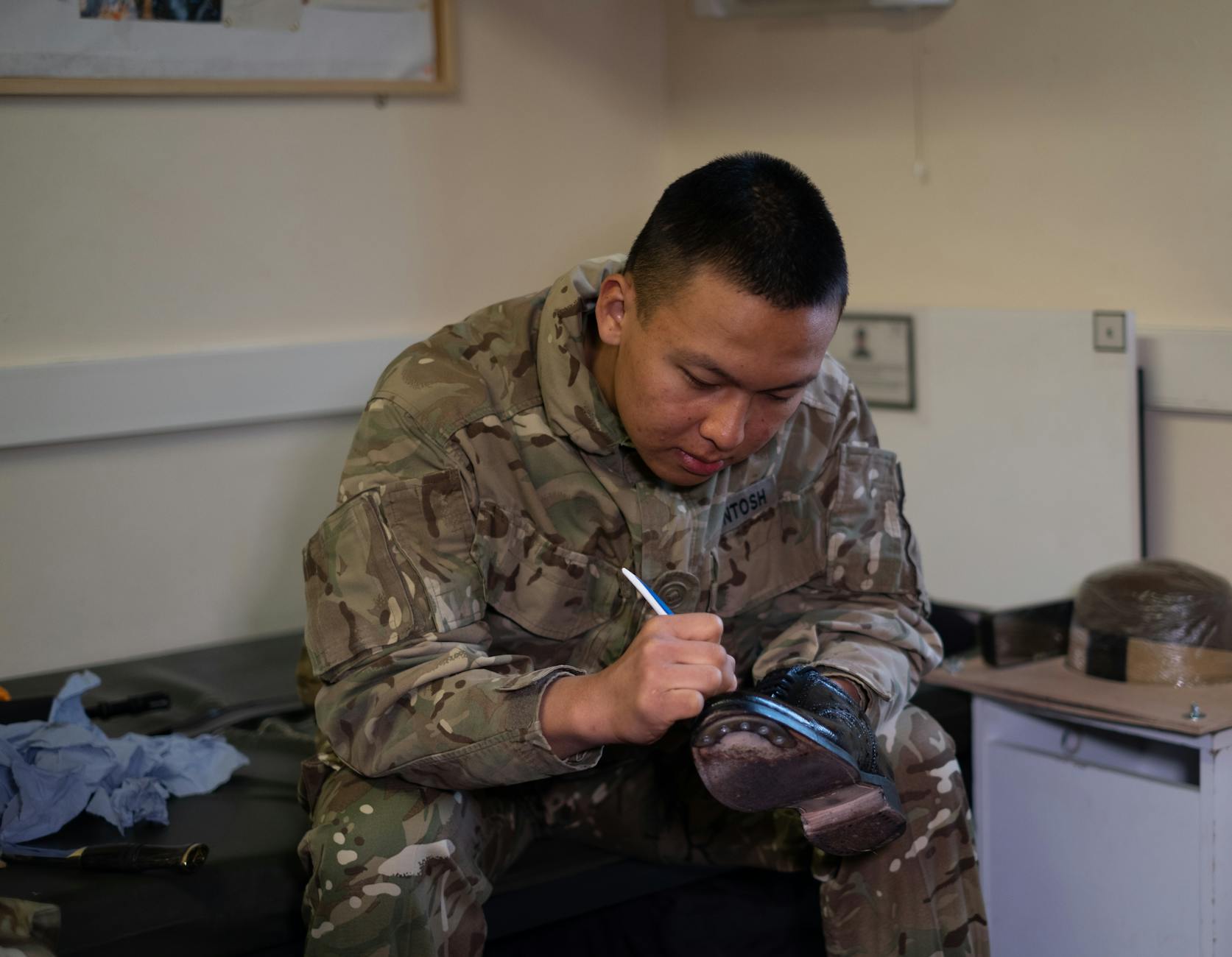
Why CLEP Fits Military Life
CLEP fits military life because it travels with you. A PCS can move you across the country in 30 days, but a passed exam still follows your transcript. That portability matters when your next duty station is unknown and your degree plan needs to stay intact.
The speed is the other advantage. A typical CLEP exam is about 90 minutes long, so one good test can replace weeks of class meetings. If you already know the material from training, leadership roles, or day-to-day work, use that familiarity to target the easiest requirement first.
The catch: the value is not just saving time; it is protecting momentum. A sailor, soldier, airman, or Marine who clears one 3-credit course now may avoid losing a semester later. If you are balancing 12-hour shifts, use CLEP to keep one requirement moving instead of waiting for a full term.
A concrete example: a 35-year-old paramedic working night rotations and weekend drills may only have 5 study hours a week. That student should pick one general-education exam, study in short blocks, and test before a registration deadline rather than after it. The goal is not perfection; it is getting the next 3 credits on the books.
That is why active-duty students often treat CLEP as a bridge, not a shortcut. It lets you convert experience into progress without asking your command schedule, family schedule, and class schedule to all cooperate at once.
DANTES-Funded Free Testing Basics
For eligible active-duty members, DANTES funding can cover the CLEP exam fee, which is usually the biggest barrier. Treat that as a chance to test early, but verify every fee line before you book so you do not get surprised at checkout or the testing center.
- Check your eligibility in advance. If your status is not verified, the exam may not be funded.
- Confirm the test fee before scheduling. CLEP prices can change, and a separate proctoring fee may still apply.
- Bring the exact ID the center requires. One missing military or government ID can cancel a 90-minute appointment.
- Ask whether your school wants official scores sent immediately. Some colleges will not post credit until the transcript arrives.
- Watch for hidden costs like travel, parking, or a second attempt. Funding usually covers the first test, not every extra expense.
- Do not assume every exam is free for every student. Reserve funding for the specific military status and testing rules that apply to you.
- Keep your command schedule in mind. A 2-hour test window can still collide with duty if you book too close to shift change.
Reality check: the most common mistake is assuming the funding automatically equals credit. It only removes the exam cost; you still need a school that accepts the score and a plan for how it fits your degree.
How Military CLEP Credit Maps
CLEP credit starts with a score, but the score itself is not the credit award. ACE publishes recommendations that tell colleges what a passing result is worth, often in semester hours. A 50 is a common benchmark, so use that as the first number to check when you review your school’s policy.
That ACE recommendation is the bridge between the exam and your transcript. If a CLEP exam is recommended for 3 credits, a college may still decide whether those 3 credits satisfy English composition, humanities, or only elective credit. The practical step is simple: match the exam to a requirement before you test, not after.
Worth knowing: schools evaluate both the subject and the fit. Two colleges can see the same CLEP score and post different results because one may apply it to a major requirement while another uses it as free elective credit. If your program is tight, ask for a written transfer policy and keep it with your degree plan.
A community-college transfer student with a fall registration deadline has to think this way. If the school closes its add/drop window in August, a June or July CLEP can still help, but only if the transcript posts in time. Use the deadline to decide whether to test now, later, or at a different campus that posts faster.
Acceptance varies, but that does not make CLEP random. It means the student has to do one extra piece of homework: check the catalog, confirm the ACE-aligned recommendation, and make sure the exam matches a course the school already recognizes. That is how a score turns into usable progress instead of a spreadsheet note.
The Complete Resource for CLEP For Military
TransferCredit.org has a full resource page built for clep for military — covering CLEP/DSST prep with chapter quizzes and video lessons, plus the ACE/NCCRS-approved backup course if you do not pass the exam. $29/month covers both, and credits transfer to partner colleges.
See Find My College →A Real Example: Intro Psych Credit
A service member who needs an introductory social-science requirement can often use CLEP Introductory Psychology to save 3 credits in one shot. At schools such as American Public University or Thomas Edison State University, that can mean replacing a full course with a single exam and keeping a degree plan on schedule during deployment, training, or a PCS. The payoff is not just the credits; it is one less 8- to 15-week class competing with duty time.
- 3 credits can satisfy one general-education box.
- A 50 score is the usual threshold to check first.
- One exam can remove a full 15-week class from your schedule.
- Use the saved time for your next requirement, not for waiting.
If your program needs multiple electives, this kind of exam matters because it prevents low-value seat time. A student who clears one 3-credit requirement now may finish a term earlier or reduce tuition later.
Military-Friendly Schools That Accept CLEP
The best school is not always the one with the biggest name; it is the one that turns your scores into usable credit. Compare CLEP policies, military support, and transfer friendliness before you enroll, because a generous policy can save both money and months.
| School | CLEP stance | Military fit |
|---|---|---|
| Thomas Edison State | Often flexible | Strong adult-learner focus |
| American Public University | Widely accepted | Built for active duty |
| University of Maryland Global Campus | Transfer-friendly | Military advising |
| Excelsior University | Credit-by-exam friendly | Fast degree progress |
| Purdue Global | Varies by program | Online military support |
The pattern is clear: schools built for adult learners tend to be more comfortable with exam credit. Still, always verify the exact course match, because one program may accept a CLEP as elective credit while another applies it to a requirement.
Choosing Tests That Save Time
The smartest CLEP strategy is to start with the course your school already treats as expendable. If your degree needs 3 credits of humanities, composition, or introductory psychology, choose the exam that cleanly fills that slot instead of chasing the subject you know best.
A 28-year-old nurse with two kids and 5 study hours a week should not start with the hardest exam on the list. That student should pick the course that overlaps most with work experience or recent reading, then schedule the test before the next tuition deadline. If one exam saves 3 credits, use that win to build confidence and then move to the next requirement.
Bottom line: the right order matters more than the total number of exams. A student who earns 6 targeted credits can sometimes make more progress than someone who passes 3 random tests that do not fit the degree map. If you have a tight schedule, use the school’s degree audit to rank exams by impact.
The best next step is not more studying; it is better matching. Use a find-my-college tool to identify schools that accept the most CLEP credit for your situation, then build your exam list around those policies. When the school fit is right, every hour of study has a better chance of becoming real progress.
How TransferCredit.org Fits
Frequently Asked Questions about CLEP For Military
CLEP exams for military members apply to active-duty service members, and they don't cover every spouse, veteran, or civilian by default. DANTES funding usually pays the CLEP exam fee for eligible active-duty members, but your school still decides how those credits post on your transcript.
$93 per CLEP exam is the standard exam fee, so free CLEP military testing can save you that amount on every eligible attempt. You may still owe a test-center fee at some sites, so check the location before you book.
Start by checking your eligibility in the DANTES portal or through your education office. Then pick a CLEP exam, choose an approved test center, and confirm the school you want to send scores to before test day.
The most common wrong assumption is that free testing also means automatic college credit. It doesn't. CLEP credits are ACE-recommended, and your college still decides whether to accept them and how many credits to post.
Yes, military CLEP credit can count like regular transfer credit once your college accepts it. The catch is that ACE recommendation helps the school review it, but your registrar still controls placement, course match, and credit totals.
What surprises most students is that the exam fee is only part of the win. A single 90-minute CLEP can replace a 3-credit class, and at some schools that saves a full 15-week semester of time, not just money.
If you send scores to the wrong school, your credits can sit unused while you wait for another transcript review. You can resend scores later, but that extra step can delay registration by 2 to 6 weeks, especially during peak term starts.
Most students try to pass every possible CLEP at once, but that burns time on low-value exams. What actually works is matching 2 or 3 exams to your degree plan first, because one accepted 3-credit score beats three random passes that don't fit your major.
Military CLEP credit rules apply to active-duty members who use DANTES-funded testing, and they don't automatically cover every course at every school. Your spouse or veteran status may open other benefits, but this specific free-testing setup centers on active duty.
$0 is the exam fee for eligible active-duty members, but you can still pay a local test-center charge at some sites. That small fee can be worth it if the exam replaces a 3-credit class that would cost hundreds or even thousands of dollars.
Start with the school's CLEP policy page and its transfer credit chart. Then search for the exact exam name, like College Composition or College Mathematics, because schools often post different rules for 30+ CLEP subjects.
The most common wrong assumption is that any school with a military page accepts every CLEP score the same way. Schools that work well for military students usually list 10 or more CLEP subjects, but they still cap some exams at 3 credits or block them for certain majors.
No, they don't, even when the CLEP score comes from an ACE-backed exam. Some schools accept the credit but not the course match, while others post it as elective credit only, so you should check both the credit chart and the degree audit before you test.
Final Thoughts on CLEP For Military
CLEP works for military members because it respects the reality of service life: unpredictable hours, frequent moves, and limited time for traditional classes. A single exam can turn experience into 3 credits, protect momentum during a PCS, or clear a requirement before the next registration deadline. That is not a small benefit when a degree is measured in semesters, tuition bills, and the hours you can spare after duty. The best results come from a simple sequence. First, check which schools accept the credit. Second, match the exam to a requirement you actually need. Third, confirm funding and testing logistics so there are no surprises on exam day. That order keeps the process practical and prevents the common mistake of studying hard for a course that will not count. If you are active duty, you do not need a perfect plan to start; you need a clear one. Pick one exam, verify the policy, and schedule it around the next realistic window in your life. Then keep going with the next requirement, one credit at a time.
What it looks like, in order
Ready to Earn College Credit?
CLEP & DSST prep + ACE/NCCRS backup courses · Self-paced · $29/month covers everything