
Critical thinking is the habit of checking evidence, testing assumptions, and reaching a reasoned answer instead of a rushed one. That sounds simple, but a lot of students miss the point and think it means being negative or sounding smart in a debate. It does not. The real skill is clearer than that. You look at a claim, ask where it came from, notice what it leaves out, and decide whether the conclusion actually follows. A 2024 class paper, a group project in April, or a news post on your phone all demand the same move: slow down before you agree. That matters because school rewards clear thinking in more places than most people expect. Essays, lab reports, discussion posts, and even multiple-choice tests all punish shallow guessing. A student who can spot a weak source in 5 seconds saves 30 minutes of bad writing later, so the habit pays off fast. The common mistake is treating critical thinking like a mood. It is not attitude. It is method. A transfer student juggling two classes and a part-time job does not need more opinions; they need a way to sort facts from noise before the Friday deadline hits.
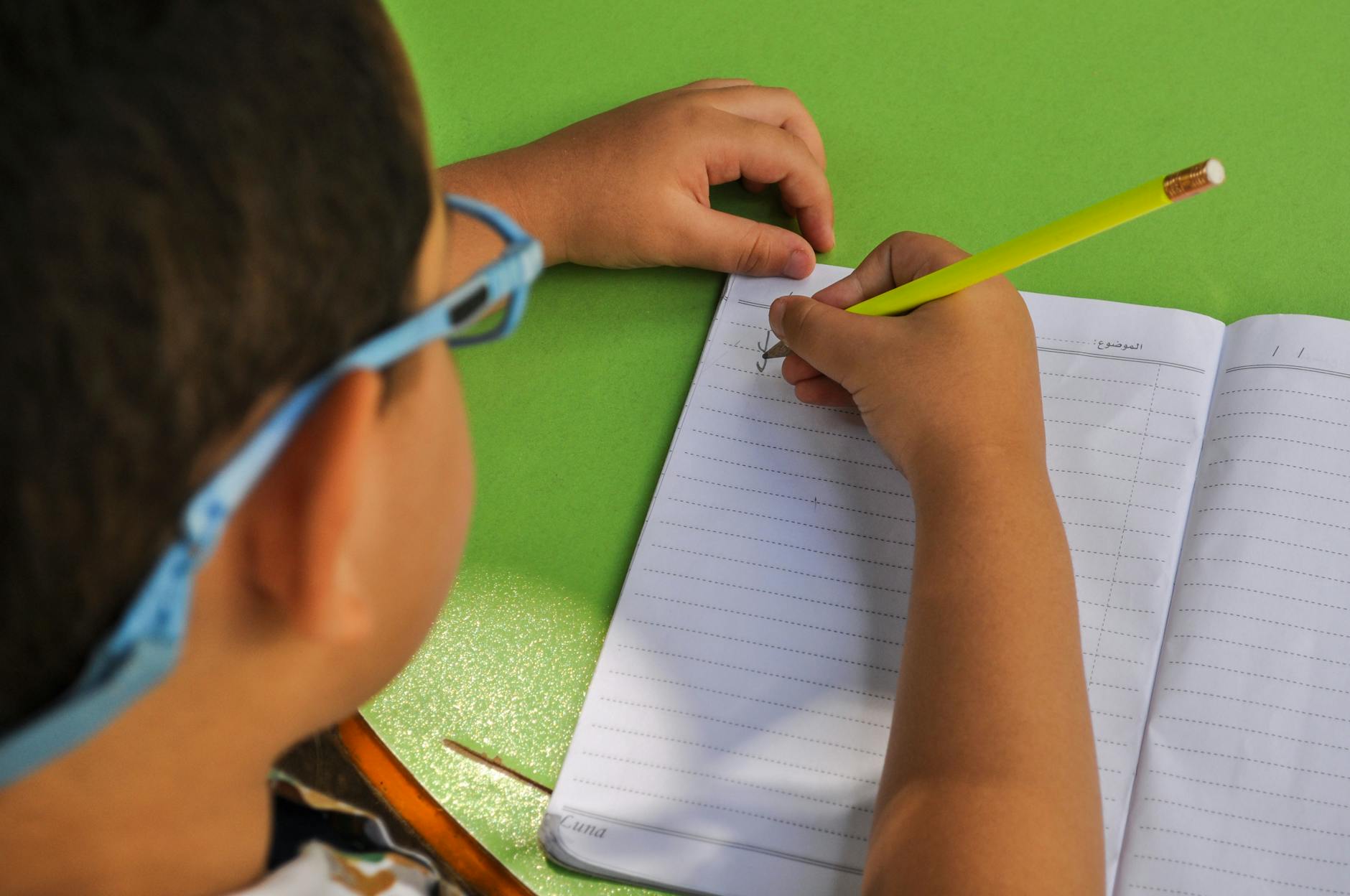
Critical Thinking Means More Than Opinion
Critical thinking is the habit of asking, “What do I know, and how do I know it?” It uses evidence, logic, and a check on assumptions. A 2024 research article, a textbook claim, and a classmate’s hot take do not belong in the same bucket, so sort them before you agree.
The catch: Most students confuse critical thinking with arguing. That is backward. A person can stay quiet in class and still think sharply, while the loudest speaker in the room may be guessing with confidence. If a claim has 2 sources and 1 of them is a blog with no author, treat that as a warning sign and look for better support.
The point is not to doubt everything. The point is to ask whether the reasons match the conclusion. A 35-year-old paramedic studying after 12-hour shifts cannot waste 45 minutes rereading the same page, so they need to ask which claim matters, which one needs proof, and which one is just filler. That habit saves time and stops fake certainty from eating a whole study block.
A student who gets an essay prompt on Monday and a draft due on Friday should test the claim, not just collect quotes. If a source says something happened “a lot,” that word means nothing until you find a number, a date, or a named study. The hard truth: good thinking feels slower at first, but it cuts down stupid mistakes later.
Why Critical Thinking Matters Everywhere
Critical thinking matters in school because it makes writing, reading, and test answers cleaner. A paper with 3 strong points beats a paper with 10 random claims every time, so build around evidence instead of volume. In a history class, that means checking who wrote the source and when; in a science class, it means asking whether the data actually support the claim.
Reality check: More facts do not always mean better thinking. Five flashy examples can hide a weak argument, and one solid source can beat a stack of shaky ones. That is why a student should ask, “What does this prove?” before copying a quote into a paragraph.
Daily life needs the same habit. A social media post from 2025 with a shocking headline can spread fast, but a quick look at the date, author, and source often shows the weak spot. If a claim gives you 1 statistic and no context, do not forward it; check where the number came from and whether the sample was 50 people or 5,000.
A community-college transfer student who needs a fall registration deadline can feel pressure to choose fast. That is where analytical reasoning helps. They compare requirements, check which classes count, and stop themselves from picking the first option that sounds good. Sloppy choices cost credits, and credits cost real money.
The downside is simple: slow thinking takes effort, and fast answers feel easier. That is exactly why careful students get better results. They do not trust the first headline, the first draft, or the first answer that feels right.
The Complete Resource for Critical Thinking
TransferCredit.org has a full resource page built for critical thinking — covering CLEP/DSST prep with chapter quizzes and video lessons, plus the ACE/NCCRS-approved backup course if you do not pass the exam. $29/month covers both, and credits transfer to partner colleges.
Browse Humanities Courses →Critical Thinking Skills Students Use Daily
A strong thinker uses a few repeatable skills, not magic. Four or 5 habits show up again and again in class, online, and in everyday choices, and each one gets better with practice.
- Question assumptions. If a reading says “most students,” ask for the number, the group, and the year. A claim without those details usually hides weak logic.
- Compare evidence. Two sources on the same topic can point in different directions, so check who wrote them, when they were published, and whether they use data or opinion.
- Spot bias. A source from a company, campaign, or influencer may push one side hard, so read it with a sharper eye than a neutral textbook passage.
- Separate facts from interpretations. “The test had 20 questions” is a fact, but “the test was unfair” is an opinion unless the evidence backs it up.
- Recognize patterns. If 3 homework comments point to the same mistake, fix the pattern instead of patching each answer one by one.
- Test conclusions. Before you submit a paper or join an argument, ask whether the conclusion still holds if one fact changes.
- Use named sources carefully. A quote from The New York Times, Pew Research Center, or a course textbook should support your point, not replace your own reasoning.
How Students Build Analytical Reasoning
Analytical reasoning gets stronger when you use the same order every time. Start with the question, then break it apart, then check evidence, then test the answer, then look back at what went wrong. That sounds basic because it is basic, and basic habits beat fancy ones.
- Ask a sharper question first. Instead of “What is this about?” ask “What claim is being made, and what proof supports it?”
- Break the problem into pieces. If a reading has 3 arguments, write each one down before you decide which one matters most.
- Look for evidence within 10 minutes. Set a timer if you need to, because wandering for 30 minutes turns reading into scrolling.
- Test the conclusion against another source. If two sources disagree, compare dates, authors, and sample size before you pick a side.
- Review your mistake after the assignment. A 1-paragraph note on what fooled you will help more than rereading the whole chapter twice.
Critical Thinking Mistakes That Hold Students Back
A lot of students confuse memorizing with understanding. They can repeat a definition from page 42, but they fall apart when the teacher changes the wording on a quiz. That problem gets worse when students grab the first answer that sounds right instead of checking whether it fits the evidence.
Bottom line: Speed can fool you. A fast answer on a 20-question quiz may feel good, but if 6 of those answers come from guesswork, the score will show it. Slow down on the questions that ask for comparison, cause and effect, or a judgment call; those are the ones that punish sloppy thinking.
A homeschool senior trying to finish 3 CLEPs in one summer hits this wall fast if they study by memory alone. They can recite facts on Monday and blank out on Thursday when the question asks them to explain why those facts matter. The fix is not more hours. The fix is to explain each answer out loud, compare it with 1 other source, and notice where the reasoning breaks.
Disagreement also throws people off. If a teacher, classmate, or article pushes back, that does not mean your idea is wrong. It means your idea needs a better reason, a stronger example, or a cleaner line from evidence to conclusion.
How TransferCredit.org Fits
Frequently Asked Questions about Critical Thinking
Most students reread notes or highlight everything, but what actually works is asking what the claim means, what evidence backs it up, and what else could explain it. Critical thinking means you judge ideas with facts, logic, and clear reasons instead of just accepting the first answer.
Critical thinking helps you do better on essays, labs, and class discussions because you can explain why an answer fits, not just repeat it. The caveat is that good grades still need facts, dates, and formulas, so you use reasoning to connect the details.
The most common wrong assumption is that critical thinking means being negative or arguing with everything. It doesn’t. You can test an idea, spot weak evidence, and still agree with it if the facts hold up.
Start by breaking one problem into 3 parts: the claim, the evidence, and the conclusion. That small habit trains analytical reasoning fast, and it works on a 2-paragraph article, a science chart, or a math word problem.
If you miss this, you can believe weak sources, write shaky essays, and make bad choices from a 10-minute social media post or a 2-page article. Poor critical thinking also makes it easier to fall for bad study tips and unfair arguments.
What surprises most students is that critical thinking skills are built through practice, not raw intelligence. A student who spends 15 minutes a day comparing claims, checking evidence, and spotting bias often improves faster than someone who only crams before a test.
This applies to every student, worker, and adult who reads, decides, or solves problems, and it doesn’t matter whether you’re in high school, college, or training for a job. If you never have to compare facts or make choices, you’d be the rare exception.
30 days of steady practice can make a real difference if you spend 10 to 15 minutes a day on short articles, problems, or debate prompts. Use that time to ask one question: what proof supports this, and what proof would break it?
Most students memorize the answer and stop there, but what actually works is testing why the answer makes sense and whether a different answer also fits the facts. That habit matters in history, science, and everyday choices like comparing 2 phone plans or 2 class notes.
Critical thinking is the bigger skill, and analytical reasoning is one part of it. You use analytical reasoning when you break a problem into parts, compare evidence, and follow a line of logic from point A to point B.
The most common wrong assumption is that you need long study sessions to improve. Short drills work better: 5 questions about a news story, 3 reasons a claim might fail, and 1 alternative explanation can build strong habits without wasting an hour.
Take any article, ad, or class reading and write 3 quick questions: What is the claim, what proof is given, and what proof is missing? Do that with 1 source a day for a week, and your answers will get sharper fast.
Final Thoughts on Critical Thinking
Critical thinking is not a personality trait and it is not a gift that some students get and others miss. It is a set of habits: check the claim, test the reason, and stay calm when the first answer looks too easy. That habit helps in a 12-page paper, a group chat argument, a job interview, and a bad headline on your phone. The biggest mistake is thinking you need more confidence before you start. You do not. You need a better process. A student who uses 1 clear question, 2 sources, and a quick check for bias will usually beat someone who reads for 3 hours and never asks what the argument actually says. That matters because school and daily life both reward people who can spot weak logic without getting loud about it. A strong thinker does not chase every opinion. They sort, compare, and decide. That looks boring from the outside, but it saves time, money, and a lot of dumb stress. Start with one class, one reading, or one claim today. Write down the evidence, name the assumption, and ask whether the conclusion really follows.
How CLEP credits actually work
Ready to Earn College Credit?
CLEP & DSST prep + ACE/NCCRS backup courses · Self-paced · $29/month covers everything