
Many students do not fail because they never studied. They fail because the exam feels strange on test day. That sounds simple, but it hits hard. You can know the material and still freeze when the clock starts, the questions look different, and your brain starts acting like it forgot your own name. I have seen this more than once. A student spends weeks on revision, reads notes until midnight, and still walks out feeling wrecked. My opinion? Practice tests beat pretty notes every time. Not because they are magic. Because they show you how the exam actually behaves. Practice tests help in three plain ways. They make the questions feel familiar. They train you to use time better. They also cut down the panic that eats up points. And yes, that matters for graduation. If a failed exam means you have to wait another term for that class to clear, you just pushed your degree back. If you pass now, you can move that requirement off your list and keep your graduation date on track.
Practice tests improve exam performance because they turn test preparation into something real. You stop guessing what the exam will feel like, and you start spotting your weak spots before the score does it for you. That changes how you study. A lot. The part many people skip: a mock exam works best when you treat it like the real thing. Same time limit. Same room if possible. Same no-phone rule. If you always pause to check notes, you train your brain to expect rescue, and that habit falls apart on test day. One good practice test can show you exactly where you lose points. Three or four can show you a pattern. That pattern tells you what to fix before the real exam.
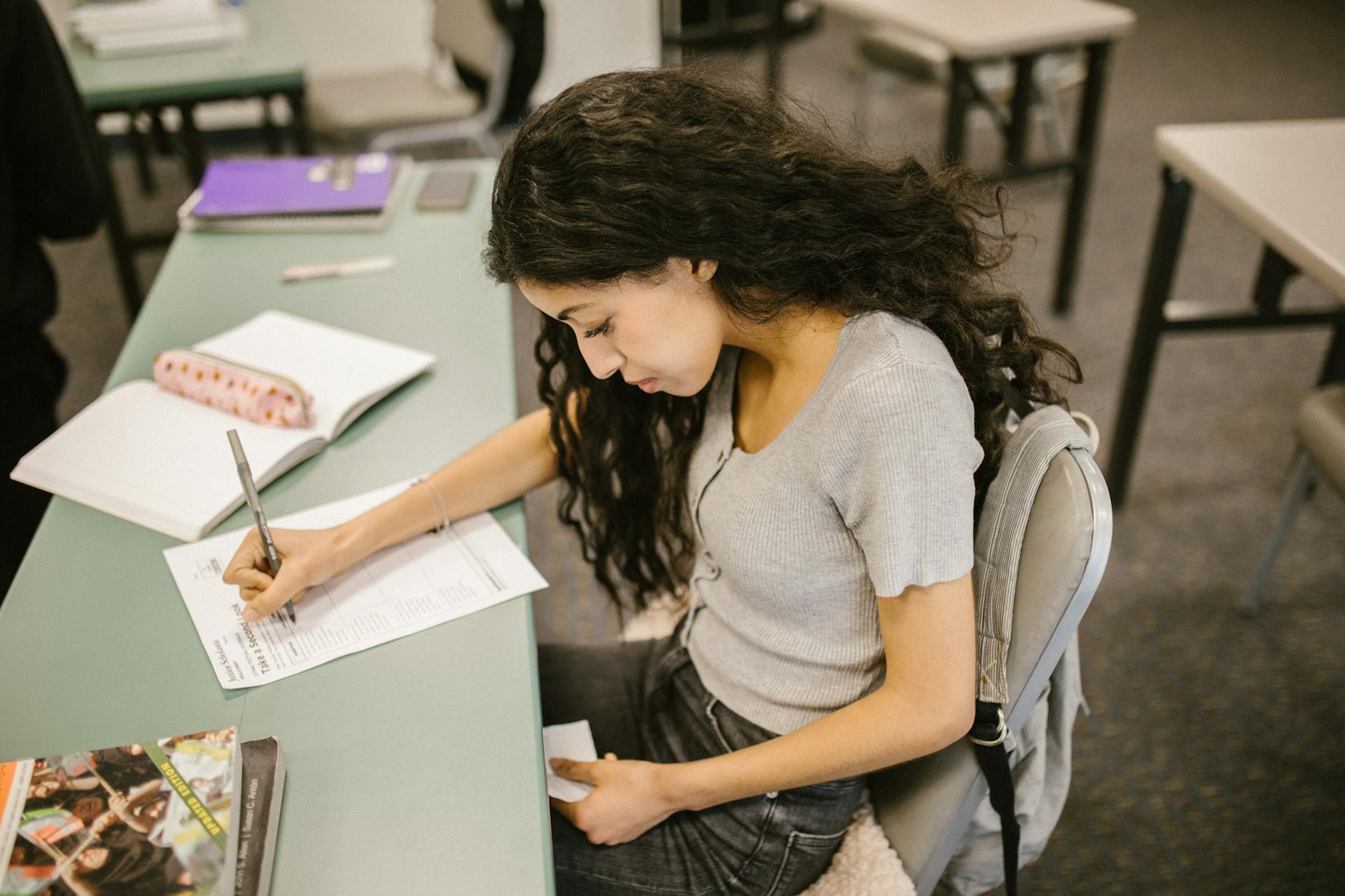
Who Is This For?
This works best for students who already covered the material once and now need smart revision. It helps if you blank out under pressure, run out of time, second-guess easy answers, or keep making the same careless mistakes. It also helps if you have a deadline hanging over you. Passing one exam this month instead of next month can move graduation earlier, and that is not a small thing. It can mean one less registration cycle, one less tuition bill, and one less month of waiting around for a cap and gown. It does not help much if you have not studied at all. If you have not learned the content, a mock test just becomes an expensive way to feel bad. Fix the basics first. Then test yourself. Another group should skip the hype and be honest: students who only want to “see what happens” without checking answers or learning from mistakes. That is busywork in a fake mustache. If you want a score bump, use practice tests as a mirror, not as a trophy.

The Importance of Practice Tests
Practice tests work because they force recall, not just recognition. Reading a chapter can feel smooth because the words sit right there in front of you. A test asks you to pull the answer out on your own. That is a different skill. Harder, too. And that is the whole point. People often get this wrong. They think a mock exam only tells them what they already know. No. It also shows how you think under pressure. Maybe you know the facts, but you miss the question because you rush. Maybe you know the answer, but you waste two minutes on one item and then scramble later. That pattern matters more than a pretty study plan. A simple rule helps here. Use at least one full practice test in exam-style conditions before the real thing, then review every mistake while the test still feels fresh. That review is where the learning sticks. Without it, the test becomes a one-time event, and that wastes the point. The best study techniques mix content review with test rehearsal. You read, then quiz, then fix weak spots, then quiz again. That loop works better than endless rereading because your brain starts to expect the kind of thinking the exam asks for. You also start to spot traps faster, like answer choices that sound right but miss one word in the prompt. Sneaky little things. They cost points all the time.
CLEP & DSST Prep + ACE/NCCRS Backup Courses
Prep for CLEP and DSST exams with chapter quizzes, video lessons, and practice tests. If you fail the exam, the same $29/month subscription gives you the ACE/NCCRS-approved course as a backup — credit either way.
Browse All Courses →How It Works
Start with one full mock exam before you feel ready. That sounds backwards, but it works. You get a real snapshot, not a comfort story. After that, check every missed question and every lucky guess. Do not just look at the score and move on. That score tells you almost nothing by itself. The mistakes tell you where graduation gets delayed if you keep repeating them. Miss the same section twice and you may need another round of revision, another test date, and another wait before you can finish the course. Then build a simple repair plan. Spend extra time on the topics that hurt your score the most. Take another practice test after that, not three weeks later when the memory has gone flat. You want a tight loop: test, review, fix, retest. That rhythm gives you honest feedback. It also stops you from pretending you “basically know it” when you do not. A common mistake is treating mock exams like a final verdict. They are not. They are a rehearsal. A rough one sometimes. If your first score is ugly, fine. Better ugly on Tuesday than ugly on exam day. The point is to find the mess while you still have time to clean it up. One more thing. Do not cram all your practice tests into the last 48 hours. That usually turns into panic with a scantron. Space them out, and you give yourself a real shot at fixing mistakes before the actual exam.
Why It Matters for Your Degree
Students miss this all the time: one bad exam can cost a full term. Not just a rough week. A full term. If you miss a CLEP or DSST score by a few points, you do not just lose the credit. You lose time, and time has a nasty habit of turning into tuition, fees, and an extra semester you did not plan for. That part stings because it feels small at first. “I was close” sounds harmless. It is not. Close still means you stay enrolled longer, and staying enrolled longer often means another tuition bill, another set of books, and another round of fees. I have seen students spend more money fixing one weak test than they would have spent on better test preparation in the first place. That is the ugly part of exam performance. A few practice tests can show you where you are shaky before that mistake turns into a calendar problem. One strong mock exam can save you more than pride. A lot of students also miss the timing piece. If you want to test out of a class by a certain date, your revision needs to line up with the exam date, not your mood. Practice tests help you spot that gap early. They show you whether you are ready now or whether you still need a week or two of study techniques that actually move the score. That is why a platform like TransferCredit.org CLEP prep bundle matters so much for students trying to finish faster without gambling on blind hope.
Students who plan their credit transfer strategy early save $5,000 to $15,000 on total degree costs, and often cut their graduation timeline by a full semester.
The Complete Exams Credit Guide
TransferCredit.org has a full resource page for exams — covering CLEP/DSST prep material, chapter-by-chapter quizzes and video lessons, plus the ACE or NCCRS-approved backup course if you don't pass the exam. $29/month covers both.
See the Full Exams Page →The Money Side
The price gap here is wild. A traditional college class can run into hundreds or thousands of dollars, and that does not even count books, lab fees, or the time you lose sitting in a seat for weeks. By contrast, TransferCredit.org keeps it simple with a flat $29/month subscription. That price gives you full CLEP and DSST exam prep, including chapter-by-chapter quizzes, video lessons, practice tests, and the rest of the study material you need to get ready. The part I like best, because it feels fair for once. If you fail the exam, that same subscription gives you free access to an ACE or NCCRS-approved backup course on the same subject. No extra charge. That course also earns college credit. So the plan does not leave you stuck with one shot and a sad bill. You get two paths to credit inside one monthly price, and that beats the usual tuition math by a mile. Honestly, paying hundreds for one class just to sit through lectures you already know feels silly when a cheaper setup can get you to the same credit faster. If you want the straight version, this CLEP and DSST prep bundle costs less than a textbook set in a lot of classes.
Common Mistakes Students Make
First, some students cram with notes and skip practice tests. That seems reasonable because notes feel safe. You know the material on paper, so your brain tells you that you are fine. Then the exam hits, and the problem shows up fast: you never practiced under time pressure, so your exam performance drops when the clock starts moving. I think this mistake happens because students confuse reading with readiness, and those are not the same thing at all. Second, students keep retaking weak review sessions instead of fixing the weak spots. That feels smart because repetition sounds like dedication. But if you keep rereading the same chapter without checking progress, you waste revision time on stuff you already half know. The score barely moves. A good set of mock exams shows you exactly where the holes sit, which saves you from spinning your wheels for days. Third, students pick study techniques that look busy instead of useful. Color-coding, endless highlighting, and rewriting notes can feel productive. They are not always bad, but they often eat hours without raising your score. That is my blunt take: busy work makes students feel in control while their grade stays flat. A platform like TransferCredit.org’s exam prep gives you practice tests and subject lessons that point you toward the real problem, which matters a lot more than making pretty notes.

How TransferCredit.org Fits In
TransferCredit.org sits in a very specific spot. It is mainly a CLEP and DSST exam prep platform. That matters because the goal is not to sell you random courses and call it a day. The goal is to help you pass the exam and earn credit through the exam itself. For $29/month, students get the full prep package: quizzes, video lessons, practice tests, and the rest of the material that supports real study before test day. The backup path matters just as much. If a student fails the exam, the same subscription opens an ACE or NCCRS-approved course on that same subject, and that course also earns credit. So the student does not hit a dead end. They still get the class credit they need, just through the second path. That two-path setup is the whole point. It is not just “here are some extra courses.” It is a credit plan with a safety net. For students trying to finish school faster, that is a smart deal, plain and simple. A good place to see that setup in action is the Educational Psychology option.


Before You Subscribe
Before you subscribe, look at the subject match. Make sure the exam and the course line up with the credit you need. CLEP and DSST prep works best when you know exactly which class you are trying to replace, because vague goals waste time fast. Also check the study materials inside the subscription. You want chapter quizzes, full practice tests, and video lessons, not just a thin outline that leaves you guessing. If the platform does not give you enough ways to test your progress, your revision gets sloppy, and sloppy revision burns money. Then look at the backup course path. That is where TransferCredit.org really stands out. If you fail the exam, you still have the ACE or NCCRS-approved course through the same plan, and you still earn credit. If you want a subject example, the Introductory Psychology course shows how that fallback works in a real case. One more thing. Check your own timeline. If you need credit before the next term starts, plan backward from the exam date, not from the day you feel ready.
See Plans & Pricing
$29/month covers full CLEP & DSST prep (quizzes, video, practice tests) plus free access to the ACE/NCCRS backup course if you don't pass the exam. No hidden fees.
View Pricing →Frequently Asked Questions
Start with one full practice test under real exam rules. Set a timer. Put your phone away. That first run shows you where you lose points fast. Practice tests help you get used to the question style, so the real exam feels less weird. They also show you which study techniques work for you and which ones waste time. If you miss 8 out of 20 questions on one topic, you know exactly where to focus your revision. Try reviewing each mock exam the same day, then again 2 or 3 days later. That spaced review helps the material stick better, and it makes your exam performance stronger because you stop guessing and start spotting patterns in the questions
The thing that surprises most students is that mock exams lower stress before they raise scores. You walk into the real test and it already feels familiar. The clock, the format, even the awkward wording. None of that feels brand new. That matters a lot. Your brain stops burning energy on surprise and uses more of it on thinking through answers. If you take 3 practice tests over 2 weeks, you usually build a much calmer rhythm for test preparation. You also learn that one rough section doesn't mean the whole exam is bad. That confidence changes how you read hard questions, and it can stop you from freezing when the pressure gets high
3 practice tests is a solid start for most students, and 5 works even better if you have the time. You don't need 20. That usually turns into busywork. Use the first one as a check-up, the second as a fix-it round, and the third as a dress rehearsal. If your exam is in 10 days, spread them out every 3 or 4 days so you can do real revision between tests. Keep a notebook with your missed questions, your score, and the time you finished. That gives you hard facts instead of guesses. When you track your numbers, you can see whether your exam performance gets better because of your study techniques, not just because the topics feel more familiar
Yes, practice tests improve scores, but only if you review them the right way. A mock exam by itself doesn't help much if you take it and forget it. The real value comes from fixing what you missed. Say you miss 6 math questions because you rushed. That's not a math problem. That's a timing problem. You can work on that in your next round of test preparation. Review every wrong answer and write one short note about why you missed it. Then redo those questions 24 hours later. That kind of revision helps you keep mistakes from showing up again, and it gives you a cleaner path to better exam performance instead of just hoping the next test feels easier
The most common wrong assumption students have is that practice tests only matter after they finish all the content. That's not true. You learn a lot from them early on, even when you haven't studied everything yet. A mock exam can show you which topics you already know and which ones still feel shaky. You don't need perfect timing on the first try. You need honest feedback. If you wait until the night before the exam, you lose the chance to change your study techniques. Try using short practice sets of 10 to 15 questions in the middle of the week, then a full test on the weekend. That mix gives your revision more shape and makes your exam performance less random
This applies most to you if you get nervous, lose track of time, or blank out on test day. It doesn't matter much if you already score high on timed quizzes and know the format cold. Practice tests help students who need structure, because they turn vague studying into real test preparation. If you learn best by doing, mock exams give you that chance. If you're taking a 60-minute exam, one timed practice run can show you whether you spend too long on the first 10 questions. You can also spot if your revision focuses too much on reading and not enough on answering. That's where the biggest gains often show up
Most students reread notes over and over, but practice tests work better for real exam performance. Reading feels safe. It also tricks you into thinking you know more than you do. Practice tests force you to pull answers out of your head, which is much closer to the real exam. That's why they help memory stick. Use both, but put more weight on mock exams once you've covered the material. For example, spend 20 minutes on revision, then 20 minutes on questions, then check every miss. If you keep a score log, you'll see patterns fast, like weak chapters or slow pacing. That feedback lets you adjust your study techniques before test day hits
Final Thoughts
Practice tests do more than tell you what you know. They show you where your score will wobble, where your time disappears, and where your study habits need help. That matters because exam performance can change your whole school plan, not just one class grade. A few good mock exams can save you a semester, a pile of cash, and a lot of stress you do not need. If you want a simple next step, pick one subject, set a test date, and start with a prep plan that gives you both exam practice and a backup route. That is why the TransferCredit.org CLEP bundle makes sense for a lot of students. For $29/month, you get the prep tools, and you still end up with credit either way. That is the kind of math I trust.
Ready to Earn College Credit?
CLEP & DSST prep · ACE/NCCRS backup courses · Self-paced · $29/month covers everything