
8 out of 10 students who fail competitive exams do not fail because they are dumb. They fail because they study like they are trying to “stay busy” instead of trying to score points. That mistake gets expensive fast. A retake can cost you a test fee, another month or two of lost time, and sometimes a missed admission or job deadline. I have seen students burn $300 to $600 in fees and materials, then spend another $1,000 or more in delay costs because they kept guessing at what to study. Here is the blunt truth: your exam preparation only works if it matches the exam’s real pattern. Not your favorite topic. Not the topic that feels safe. The real pattern. A strong preparation strategy starts with one question: what does this test actually reward? Some competitive exams punish slow reading. Some punish weak recall. Some punish sloppy math under time pressure. If you do not know that, you will waste weeks. That is not “hard work.” That is expensive confusion. Good student success comes from accuracy, speed, and repetition in the right mix, not from sitting at a desk for six hours and hoping the hours count for something.
Prepare for competitive exams by building a tight study plan, using only high-value resources, and reviewing the same material over and over until recall gets fast. That sounds simple because it is. The hard part is doing it without lying to yourself. Start by learning the exam format, the scoring rules, and the topics that show up most. Then split your prep into three parts: learn, drill, and review. A lot of students skip the drill part. Bad move. They read notes, feel smart, and then freeze on test day. One detail many people miss: timed practice changes everything. If an exam gives you 90 seconds per question, your practice has to respect that pace. A student who spends $80 on a good prep book and 30 focused hours often gets a better result than someone who buys five courses and studies halfheartedly. That gap can save or cost hundreds of dollars in retake fees, not to mention the stress tax.
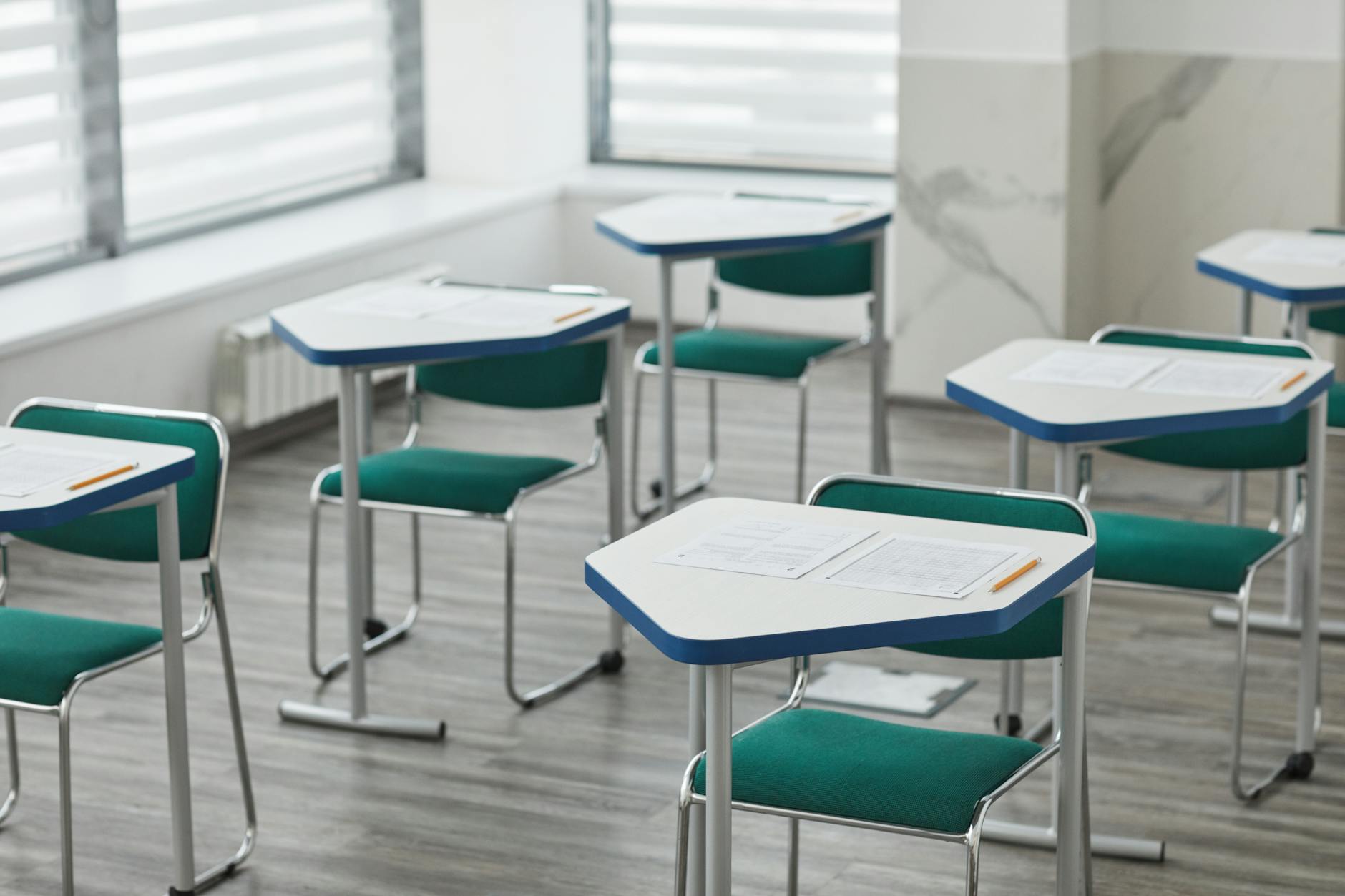
Who Is This For?
This advice fits students facing high-stakes testing with a real deadline. Think college entrance exams, licensing tests, civil service exams, placement exams, scholarship tests, and any test where one score can change your next six months. It also fits people who already know the material but keep underperforming because they panic, rush, or waste time on weak study habits. It does not fit someone who still has no clue what exam they are taking next month and refuses to make a schedule. If you only want to “study a little when you can,” this guide will annoy you. Good. That habit costs money. This also does not help much if your exam is open-book and mostly checks whether you can find facts fast. In that case, your prep changes. You still need a plan, but you should spend less time memorizing and more time learning where everything lives. Same thing for people taking a test with no clear syllabus. If the school or agency gives almost no details, you cannot build a sharp plan from thin air, and anyone who tells you otherwise is selling comfort, not results. On the other hand, if your test has a clear outline, fixed sections, and a score cutoff, this approach matters a lot. That is where small habits add up. Missed study hours, weak review, and random resource choices can cost you one extra exam attempt at $100 to $400, plus the time you lose waiting. People ignore that because the pain comes later. The bill still shows up.

Effective Exam Preparation
A study plan is not a cute calendar. It is a control system. Most students get this wrong in a boring way. They make the plan too big. Then they break it in two days and feel guilty for a week. A better exam preparation plan looks plain. You set a daily target, you assign topics by weakness, and you leave space for review. You do not try to “cover everything” at once. That sentence ruins more prep than bad teachers do. Here is how the mechanics work. First, list every section of the exam. Next to each section, mark three things: what you know, what you sort of know, and what you keep missing. Then give the biggest time block to the weakest area, but do not ignore the topics that appear most often. That balance matters. A 10% weak area can still sink you if it shows up everywhere. One policy detail most students skip: if your exam has a fixed registration fee, that fee turns your prep into a money game. A $150 exam becomes a $300 mistake if you fail once and retake it. A $400 professional exam turns into an $800 bruise. That is why a decent study plan is not “extra.” It protects cash. The best plans also stay small enough to survive real life. If you work 20 hours a week, do not build a fantasy plan that assumes three perfect study blocks every night. That kind of plan dies fast. A better one uses shorter blocks, maybe 45 to 90 minutes, with one hard task per block. Clear target. Clear finish. No nonsense.
CLEP & DSST Prep + ACE/NCCRS Backup Courses
Prep for CLEP and DSST exams with chapter quizzes, video lessons, and practice tests. If you fail the exam, the same $29/month subscription gives you the ACE/NCCRS-approved course as a backup — credit either way.
Browse All Courses →How It Works
Competitive exams reward pattern recognition, not heroics. People love to say they “understand the subject” and then ignore the exam style. That is a mistake. A test can ask easy ideas in tricky ways. It can mix similar answer choices. It can punish slow reading. It can hide simple problems inside long wording. If you practice only by reading, you train your brain for comfort, not performance. A good exam tips routine starts with active recall. Close the notes. Write or say what you remember. Then check what you missed. Do that again later. Spaced review beats cramming because your brain has to work harder each time, and that struggle helps memory stick. A lot of students hate this because it feels worse than rereading. That feeling is the point. One specific rule helps here: use full timed sets at least once a week once you know the content. If the real test gives you 120 minutes for 100 questions, your practice has to reflect that speed. Otherwise you build fake confidence. Fake confidence is expensive. It leads to poor pacing, rushed guesses, and a second fee you never wanted. Also, do not copy someone else’s method just because it sounded disciplined on social media. Some people need note cards. Some need practice questions. Some need both. The right method is the one that improves your score, not the one that looks noble.
Why It Matters for Your Degree
Start with a baseline test. Not a full grind. Just a real check of where you stand. That first score tells you where your leaks are. Without it, you are guessing, and guessing burns time. A student who wastes two weeks studying the wrong chapters can lose far more than two weeks. If the exam fee runs $200 and the retake fee runs another $200, that mistake already costs $400. Add a late registration fee, a missed work shift, or a pushed-back application, and the damage keeps climbing. Then build the week around weak spots and review. Monday is not for “whatever you feel like.” Monday is for the worst topic from your baseline test. Tuesday is for drills. Wednesday is for review and error fixing. Keep the loop tight. The people who improve fastest do not study more in a dramatic way. They fix mistakes faster. That is a better use of time and money. One sentence matters here: practice questions beat passive reading almost every time. A good process looks like this. You take a short set of questions. You mark every miss. You ask why you missed it. You sort the miss into one of three buckets: you did not know it, you knew it but read too fast, or you knew it but guessed badly under time pressure. Then you adjust. If you did not know it, you study the concept. If you read too fast, you slow down and watch for traps. If you guessed badly, you train with more timed sets. That is how student success actually happens. Not by wishing. By fixing the exact failure. The right path saves real money. A student who spends $60 on one solid prep book, $0 on random junk, and 40 focused hours can beat someone who drops $250 on five shiny resources and still fails because they never built a system. That second student does not just waste cash. They buy stress, delay, and another shot at the same problem.
Students who plan their credit transfer strategy early save $5,000 to $15,000 on total degree costs, and often cut their graduation timeline by a full semester.
The Complete Exams Credit Guide
TransferCredit.org has a full resource page for exams — covering CLEP/DSST prep material, chapter-by-chapter quizzes and video lessons, plus the ACE or NCCRS-approved backup course if you don't pass the exam. $29/month covers both.
See the Full Exams Page →The Money Side
Students miss one ugly detail: a failed requirement can push graduation back a whole term. That means more fees, more rent, more bus fare, more time stuck in classes you did not want. If one course costs $1,200 at a community college and $3,000 or more at a four-year school, one bad move can blow up your budget fast. I have watched people lose a semester over a class they could have handled with better exam preparation. That delay hurts more than pride. It can mess with aid, internship timing, and even job offers that expect you to finish on schedule. One missed checkpoint turns into a domino mess. For students using TransferCredit.org CLEP prep, the real win is simple: you do not spend months paying full tuition for a class you can test out of. You study, you sit for the exam, and you move on with credit in hand.
Common Mistakes Students Make
First, students start studying without a study plan. That feels flexible, and people tell themselves they work better “when they feel ready.” Then the weeks slip, the weak spots stay weak, and test day shows up with no real progress. Competitive exams punish sloppy pacing. They do not care how busy you felt. Second, students buy random materials from three different places. That looks smart because each item seems cheap on its own. But the pile adds up, and half of it overlaps while the other half misses the exam format. I hate this habit. It burns cash and creates fake confidence. Third, students wait too long to take a practice test. That seems safe because they want “one more week” before facing a score. What goes wrong is brutal: they never learn where they stand, so they keep drilling the easy stuff and ignore the holes. A weak score early would have saved them money and time. A late score just confirms the damage.

How TransferCredit.org Fits In
TransferCredit.org fits as a straight-up CLEP and DSST exam prep platform. That is the real product. For $29 a month, students get the full prep material they need to work through the exam on their own time. If they pass the exam, they earn official college credit through the test. If they do not pass, the same subscription gives them an ACE or NCCRS-approved backup course on that same subject, and that path also earns credit. Educational Psychology is a good example of how the subject support works in practice. That two-path setup is the whole point. You do not buy a dead-end subscription and hope for the best. You get a prep route and a backup route, both built to turn study time into credit. That is why this model makes sense for students who want student success without paying full tuition for the same result.


Before You Subscribe
Before you subscribe, look at the exam you plan to take and make sure you know the score you need. Then check how many weeks you can study without rushing yourself into bad habits. A crowded schedule ruins exam preparation fast. Also, look at whether the subject fits your degree plan and saves you enough money to matter. If the class only costs a little at your school, the math may not be worth the effort. Next, check the study tools inside the plan. You want quizzes, video lessons, and practice tests, not a thin folder of notes. For a subject like Introductory Psychology, that mix matters because the test rewards repetition and memory, not wishful thinking. One more thing: make sure you can stick to a weekly study plan before you pay. A cheap subscription still wastes money if you never open it.
See Plans & Pricing
$29/month covers full CLEP & DSST prep (quizzes, video, practice tests) plus free access to the ACE/NCCRS backup course if you don't pass the exam. No hidden fees.
View Pricing →Frequently Asked Questions
$3 a day won't buy you much in life, but 2 focused hours a day can change your exam results fast. You should split that time into three parts: 50 minutes for new material, 40 minutes for practice questions, and 30 minutes for review. That gives you 120 minutes without wasting energy. Use a simple study plan for 6 days a week and leave 1 day for light review or rest. If you try to cram 8 hours once a week, your brain forgets most of it. Short sessions beat panic sessions. Track what you finish each day in a notebook or app, and circle weak topics so you hit them again within 48 hours.
You should start with the exam pattern, then build your study plan around that. First, write down the subjects, number of questions, time limit, and mark scheme. If the test has 100 questions in 90 minutes, you already know speed matters. Next, collect only 2 or 3 good resources for each subject. Don't pile up ten books. That just creates noise. After that, take one full practice test on day 1, even if you score badly. The score tells you where you stand. Then block your weak areas into daily study slots and set one weekly review day. Small, clear steps work better than a giant vague plan that looks nice and gets ignored.
If you use the wrong study method, you'll feel busy and still score the same. That's the trap. You can read notes for 4 hours and remember almost nothing if you never test yourself. Competitive exams reward recall, speed, and accuracy, not just pretty notebooks. You need active study: solve questions, explain answers out loud, and redo mistakes. For math or reasoning, practice 20 to 30 questions a day. For theory, use flashcards and short self-quizzes. If you only highlight pages, you fool yourself. The fix is simple. Every study block should end with a check, like 5 questions or a 3-minute recall test, so you know what stuck and what didn't.
Start by picking the same start time every day, then protect it like a class you can't skip. You should study in 90-minute blocks with a 10-minute break after each block. That keeps your focus from crashing. Put the hardest subject first, while your brain still has energy. Then move to medium work, then easy review. Keep your phone in another room. Seriously. A 5-minute scroll turns into 45 minutes fast. Use one page for your daily targets: 40 questions, 1 chapter, 20 flashcards, and 15 minutes of review. If you miss a block, don't trash the whole day. Move it later and keep going instead of calling the day ruined.
Most students think revision means rereading everything, but that method wastes time. The real surprise is that you remember more when you test yourself with less material. You should use spaced revision: review a topic after 1 day, then 3 days, then 7 days, then 14 days. That's how memory sticks. Keep one mistake log with the question, the wrong answer, and the correct rule. Review that log twice a week. One page can beat twenty pages of passive reading. Also, mix topics instead of studying one subject for 5 straight hours. Your brain learns better when it has to switch gears, and that makes exam preparation far stronger for competitive exams.
The biggest wrong assumption is that more hours automatically mean better student success. They don't. A tired student who studies 10 weak hours can lose to a focused student who studies 4 sharp hours. You need a preparation strategy that matches the test, not your ego. Start by measuring your accuracy, not just your time. If you score 60% on practice sets, your job isn't to stay in the book longer. Your job is to find why those 40% went wrong. Pick one weak area each day and attack it hard. Then do 10 mixed questions before bed. That small check tells you more than another long, sleepy reading session ever will.
This applies to you if you're preparing for a high-stakes test with limited seats, like banking, civil service, medical entrance, law, or scholarship exams. It doesn't fit someone taking a casual quiz with no real competition. In competitive exams, a loose schedule usually turns into lost weeks. You should map your prep by weeks, not moods. Use a 30-day block, then break it into 7-day targets, then list daily tasks. If you already score near the cutoff, you can spend more time on mocks and error fixing. If you're far from the cutoff, you need more concept work first. Both cases need structure, but the weak areas change the plan.
Most students reread notes, feel calm, and call that progress. What actually works is ugly and less comfortable. You should spend more time solving questions than staring at pages. A simple split works well: 40% learning, 40% practice, 20% revision and error review. After each mock test, write down every mistake in three columns: topic, why you missed it, and how you'll fix it. Then redo those questions 3 days later. That loop builds real exam preparation speed. If you want better exam tips, stop collecting more resources and start using fewer resources better. One mock, one mistake log, and one clean study plan will beat a shelf full of untouched books.
Final Thoughts
Competitive exams reward people who prepare with a real plan and punish people who wing it. That sounds harsh because it is harsh. The good news is that a clear prep strategy costs less than most students think, and it can save a semester’s worth of tuition. Start with one exam, one schedule, and one honest deadline. If you need a number to remember, use this one: $29 a month versus a full college course. That gap is not small.
Ready to Earn College Credit?
CLEP & DSST prep · ACE/NCCRS backup courses · Self-paced · $29/month covers everything