
Many students study hard and still score low. That hurts twice. You lose points, and you waste time that could have gone toward grades, sleep, or even a part-time job shift that pays your rent. My blunt take? Most students do not need more study hours. They need better study methods. I learned this the hard way in college. I spent hours rereading chapters and feeling busy, then froze when the test asked me to use the same facts in a new way. That trap costs real money. If a class costs $900 and you fail it, you do not just lose the tuition. You can also lose a scholarship, pay to retake the class, and push back graduation. One bad term can cost $1,500 to $4,000 fast. The best exam strategy starts long before test day. You use your time on the stuff that actually sticks. That means active recall, spaced review, and practice tests that force your brain to work, not just stare at pages. You also plan your time like it matters, because it does. A student who studies the right way for 90 minutes often beats a student who “studies” for four sloppy hours.
The best strategy to score high in exams is simple: study by testing yourself, review on a schedule, and spend most of your time on weak spots. That works because exams do not reward comfort. They reward memory, speed, and clean thinking under pressure. So if you only read notes, you fool yourself. If you do practice questions, explain answers out loud, and fix mistakes right away, you build real exam skill. That is the difference between feeling prepared and actually being prepared. One detail most people miss: your last full review should happen before the final 24 hours, not during them. The day before the exam should hold light review, sleep, and a quick run-through of missed questions. Cramming until 2 a.m. feels intense, but it often turns into a bad deal. A student who crashes and scores 10 points lower can lose a $500 exam retake fee or blow a $2,000 class grade. Short version? Good exam tips protect both your score and your wallet.
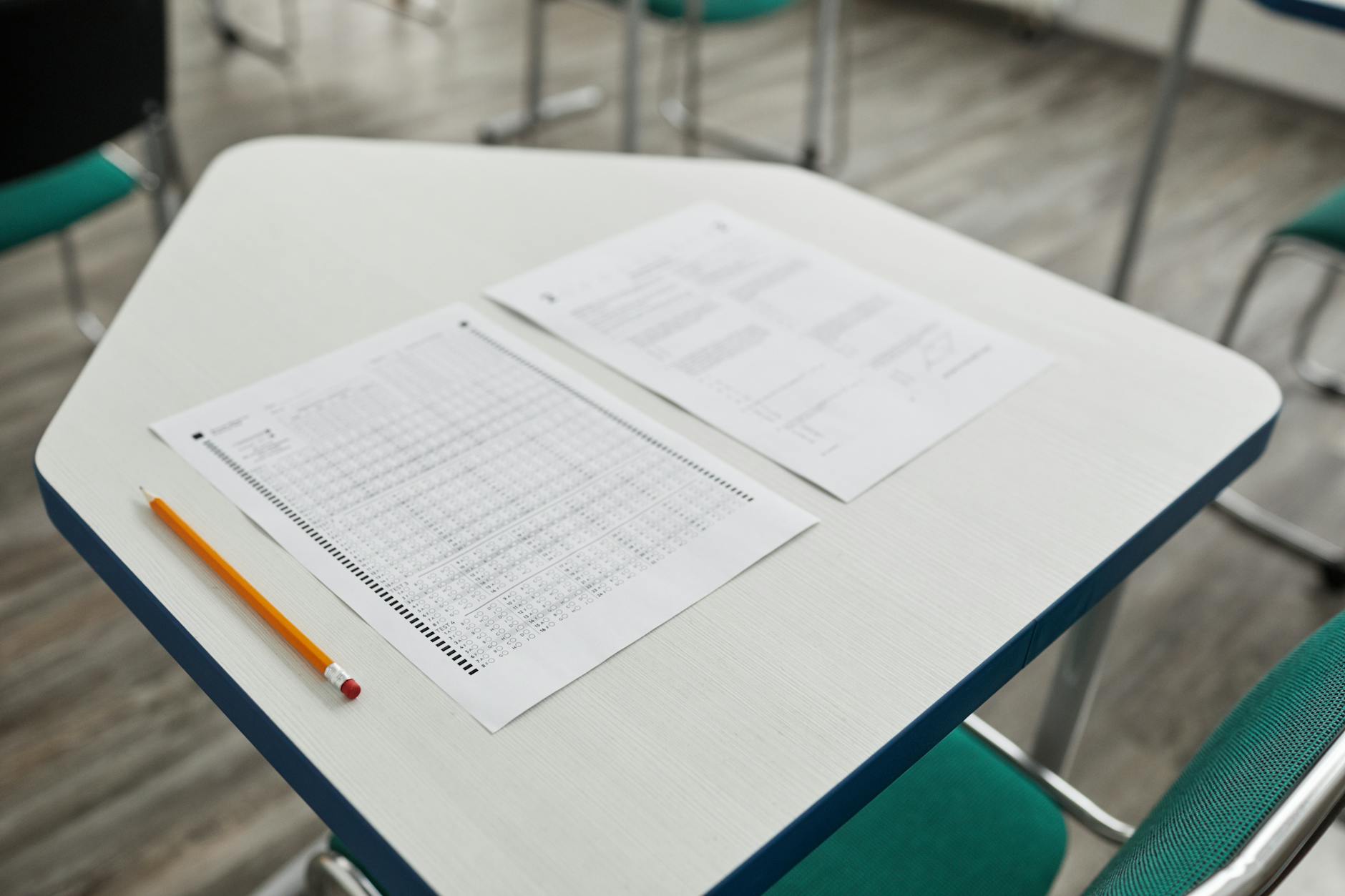
Who Is This For?
This advice fits students who know the material “a little” but keep missing points. Maybe you understand the chapter when you read it, then blank out on the test. Maybe you finish early but lose easy marks because you rushed. Maybe you keep saying, “I knew that,” after the exam, which is honestly one of the most painful lines in school. It also helps first-gen students, working students, and anyone juggling classes with jobs or family care. Those students do not have time for fake studying. They need study methods that give the best return fast. If you have three exams in one week, this approach matters even more because you cannot rely on last-minute panic. Do not use this if you already score near the top and you know your system works. If you are already earning A’s with your current routine, you probably do not need a whole new plan. Same for students who refuse to practice and just want a magic trick. There is no magic trick. I will say that plainly. A lot of people want a new notebook, a new app, or a new playlist. None of that fixes weak recall. Also, if your problem comes from missing class, sleeping four hours, or not reading the directions, no study plan can save you from that mess.

Best Strategies to Score High in Exams
The best way to score high in exams is to combine active recall, spaced repetition, practice tests, and focused revision. Instead of spending equal time on every chapter, identify the topics where you lose the most marks and give those areas more attention.
A simple exam study strategy is to learn the topic, test yourself without notes, review your mistakes, and repeat the process after a gap. This helps you remember information and become more comfortable with exam-style questions.
Effective Exam Strategies
The real exam strategy has three parts: pull information from your memory, space your review over time, and train under test conditions. That sounds simple because it is simple. Hard, but simple. Most students get one thing backward. They think reading counts as studying. Sometimes it helps, sure. But reading gives you a false sense of progress. Your eyes move. Your brain nods along. Then the test paper shows up, and your memory acts like it never met the material. Active recall fixes that. You close the book and ask yourself questions. You write answers from memory. You explain ideas in plain words. You check what you missed and hit those weak spots again later. One number matters here: the U.S. Department of Education has said students should plan about 2 hours of study time for every 1 hour in class. That does not mean you sit there for a clock-watching marathon. It means you need enough reps to make the information stick. A 3-credit class can eat 6 hours a week outside class, and if you waste those hours rereading, you pay for it with lower grades. A student who earns a B instead of a C in a class that affects aid can protect hundreds or even thousands of dollars in scholarship money. That is not small. Spacing matters too. Review a topic the same day you learn it, then again two days later, then again a week later. That pattern helps memory hold on. Practice tests matter because they show you how the questions feel under time pressure. And yes, time pressure matters. A student who knows the material but panics on pacing can miss 15 points just by spending too long on the first page. That hurts. Hard.
CLEP & DSST Prep + ACE/NCCRS Backup Courses
Prep for CLEP and DSST exams with chapter quizzes, video lessons, and practice tests. If you fail the exam, the same $29/month subscription gives you the ACE/NCCRS-approved course as a backup — credit either way.
Browse All Courses →How to Study Effectively for Exams
Start by breaking the syllabus into smaller sections and setting a realistic study schedule around your exam date. Use practice questions to check what you actually know rather than relying only on rereading notes.
For better exam preparation, spend more time on weak areas, mix older topics into later revision sessions, and complete timed practice before the real test. This makes your study sessions more focused and helps improve both accuracy and speed.
Exam Preparation Tips That Actually Help
A few practical exam preparation tips can make a big difference:
- Use active recall instead of repeatedly reading notes.
- Practise questions under timed conditions.
- Review mistakes and understand why the answer was wrong.
- Break longer study sessions into focused blocks.
- Revisit difficult topics over several days.
- Keep the final day for light revision rather than heavy cramming.
- Get enough sleep before the exam.
The goal is not to study every minute. It is to make the time you spend studying more productive.
Why It Matters for Your Degree
Many students think exam strategy only changes a test score. That misses the bigger hit. One passed CLEP or DSST exam can save you a whole class, and a whole class can save you a full semester of time and tuition. If your school awards 3 credits for that exam, you do not just “save study time.” You cut a line off your degree plan. That can pull graduation forward by months, and for some students, by nearly a year if they stack a few exams well. I have seen people waste a semester because they treated an exam like a side quest instead of a shortcut. That is why the right revision techniques matter so much. You are not just trying to score high for pride. You are trying to move credits faster than a regular class schedule would let you move them. A sloppy prep plan can cost you more than a bad grade ever would. If you fail to plan around exam dates, application deadlines, and course order, you can end up waiting until the next term just to try again. That delay hurts more than most students expect.
Students who plan their credit transfer strategy early save $5,000 to $15,000 on total degree costs, and often cut their graduation timeline by a full semester.
The Complete Exams Credit Guide
TransferCredit.org has a full resource page for exams — covering CLEP/DSST prep material, chapter-by-chapter quizzes and video lessons, plus the ACE or NCCRS-approved backup course if you don't pass the exam. $29/month covers both.
See the Full Exams Page →The Money Side
Traditional college tuition adds up fast. A single three-credit class can run from a few hundred dollars at a community college to well over a thousand dollars at a four-year school, and that does not even touch fees, books, or lost time. Compare that to TransferCredit.org, which uses a flat $29/month subscription. That one price gives you the CLEP and DSST exam prep material, including chapter-by-chapter quizzes, video lessons, practice tests, and more. If you fail the exam, you still get full access to an ACE or NCCRS-approved backup course on the same subject at no extra charge, and that course earns credit too. That changes the math in a very plain way. You are not paying for hope. You are paying for a shot at credit either way. TransferCredit.org’s CLEP prep bundle makes a lot more sense than dropping a full tuition bill on one class when your goal is to move fast and keep costs low. A lot of schools would hate that comparison, which tells you enough. The expensive route looks normal only because people grew up seeing it.
Common Mistakes Students Make
First, students cram with random study methods instead of using exam tips that match the test. That feels reasonable because cramming has worked before in school, at least for a quiz or two. The problem is that CLEP and DSST exams do not reward lucky memory. They reward clean recall, timing, and knowing how the questions ask things. Miss that, and you pay for a retake, plus you lose time. Second, students buy a full semester class when they only need credit for one subject. That seems safe because a class feels official and familiar. But “safe” gets expensive fast. You can spend hundreds or thousands on tuition for something TransferCredit.org covers with one $29 month of prep and a backup course if you miss the exam the first time. Third, students wait too long to start. They tell themselves they will study after work slows down or after this weekend. That sounds harmless. Then the test date gets close, panic kicks in, and they start making bad choices with money and time. I think this mistake hurts more than bad notes or weak flashcards, because delay makes everything else more costly.
How TransferCredit.org Fits In
TransferCredit.org sits in a very specific place. It is mainly a CLEP and DSST exam prep platform, not some vague course library. For $29/month, students get the full prep package: quizzes, video lessons, practice tests, and the rest of the study tools that help them pass the exam and earn official college credit by testing out. If they pass, great. If they do not, the same subscription gives them the ACE or NCCRS-approved course on that subject, and that path also earns credit. That two-path setup is the whole point. It keeps the student moving instead of freezing after one bad test day. That is why the CLEP bundle matters here. You are not buying a gamble. You are buying a plan with a backup built in.


Before You Subscribe
Before you subscribe, look at the exam subject you want first. Do not guess. Match the exam to the degree slot you need to fill, or you might prep for the wrong class and waste a month. Also check the test date you want to hit, because your study plan has to fit real time, not fantasy time. Then look at how many credits that subject gives you so you can see the payoff in plain numbers. You should also check whether your school accepts the exam path or the backup course path for the slot you want to fill. Educational Psychology is a good example of a subject where the prep can move fast if you stay focused. One more thing: make sure you know whether you want to study daily or in bigger chunks, because your plan has to match your life, not some perfect internet schedule. A messy plan beats no plan, but a specific plan beats both.
See Plans & Pricing
$29/month covers full CLEP & DSST prep (quizzes, video, practice tests) plus free access to the ACE/NCCRS backup course if you don't pass the exam. No hidden fees.
View Pricing →Exam Study Strategy Checklist
Before your next exam, make sure you have:
- A clear exam date and study schedule
- A list of weak topics
- Practice questions or mock tests
- Regular revision sessions
- A plan for timed practice
- Time set aside for reviewing mistakes
- A lighter revision plan for the day before the exam

Frequently Asked Questions
This applies to you if you have 2 to 6 weeks before an exam and you want to score high with a clear plan. It doesn't fit you if you're only hoping to reread notes the night before and somehow get academic success by luck. Your best exam strategy starts with active study methods. Use flashcards, teach the material out loud, and do short practice sets of 10 to 20 questions. Then spend more time on weak spots than on topics you already know. For example, if math word problems keep tripping you up, do 15 of those before moving on. Keep your revision techniques tight. Review in 25-minute blocks, take 5-minute breaks, and test yourself without looking at the page. That rhythm helps your brain remember under pressure.
The best strategy is to study by testing yourself, not by rereading everything. That gives you faster recall on exam day. Rereading feels easy, but it can trick you. You'll think you know the material because it looks familiar. Try this instead: after one class chapter, close the book and write 5 facts from memory. Then check what you missed. Use exam tips like mixing topics, since biology, history, and math all need different recall. Give each subject a set time block, like 45 minutes for chemistry and 30 minutes for English vocab. If you keep missing one type of question, spend the next session on that exact type. That kind of exam strategy builds real confidence and helps you score high without wasting hours.
What surprises most students is that the people who score high usually don't study the longest. They study the smartest. A 90-minute session with active recall can beat 3 hours of sleepy note reading. That's the part many students miss. Your brain needs practice pulling facts out, not just seeing them again. Use study methods like blurting, where you write everything you remember on a blank page, then fill in the gaps. Try one full practice test before exam week ends. If you miss 12 questions, sort them by topic and fix the worst 3 first. That beats random review. Strong revision techniques also matter. Revisit each topic after 1 day, then 3 days, then 7 days. That spacing helps academic success more than cramming does.
If you have $0 for tutoring and 14 days before the test, you can still build a strong exam strategy with the time you already have. Start with 2 study blocks a day, and keep each one at 40 to 50 minutes. That's enough to get real work done without frying your brain. Spend 60% of your time on hard topics, 30% on practice tests, and 10% on quick review. For example, if you miss algebra steps, do 20 problems, not 2. Then check every mistake. Use exam tips like timing yourself. If the real test gives you 60 minutes, take a 60-minute practice set at least twice. That helps you pace yourself and score high when the clock starts moving fast.
Start by listing every topic that can show up on the exam. Use one page. That's your first step. Then mark each topic green, yellow, or red based on how well you know it. Green means quick review. Yellow means shaky. Red means you need real work. This simple split keeps you from wasting time. A lot of students spend 80% of their time on green topics because they feel good. Don't do that. Put your best study methods on the red topics first. If chapter 4 has 12 terms you can't explain, make flashcards and quiz yourself twice that day. Then use revision techniques like a 10-minute nightly recap. That gives you a clear path and helps you score high without guessing what to do next.
The most common wrong assumption students have is that more pages read means more learning. It doesn't. You can read 100 pages and still blank out on the test. Students also think highlights alone count as studying. They don't. You need to answer questions, solve problems, and explain ideas in your own words. Try this: after each 30-minute block, close your notes and write 3 things you remember. Then compare. If you can't explain a term in one short sentence, you don't know it yet. Good revision techniques turn weak spots into points. Practice tests help too, since they show where your time goes. If you keep losing 4 minutes on one long question, train on that exact type until it feels normal.
Final Thoughts
The best exam strategy is not flashy. It is steady, targeted, and built around the score you need, not the one that sounds impressive on paper. If you want academic success without wasting money, you need study methods that fit the test and a backup that does not punish you if the first try goes sideways. That is why TransferCredit.org makes sense for this kind of goal. One subscription. Two routes to credit. One next move: pick the exam, set the date, and start now.
Ready to Earn College Credit?
CLEP & DSST prep · ACE/NCCRS backup courses · Self-paced · $29/month covers everything