
A W on your transcript usually does not hurt your GPA, and it does not earn credit either. That sounds neat on paper. Transfer readers do not stop there, though. They look at the pattern, the class, and the reason behind it. A single W from a 3-credit class after a rough semester usually reads as noise. Five or more Ws, or a W in a required biology or calculus course, starts to tell a different story. Schools want to know whether you changed plans, overloaded your schedule, or kept bailing on hard classes. That is the real issue behind W grade transfer reviews. The basic rule stays simple: a W means you left before the course ended, so the original school gives no credit and no GPA effect. WF works differently. WP, and I, do too. Colleges read those codes as clues about momentum, not just paperwork. A transfer file with 1 or 2 scattered withdrawals looks normal. A file with 6 withdrawals across 3 semesters can make an admissions reader ask sharper questions. That does not mean a withdrawal locks you out. It means you need to read your transcript the way an admissions office does: as a timeline, not a single mark.
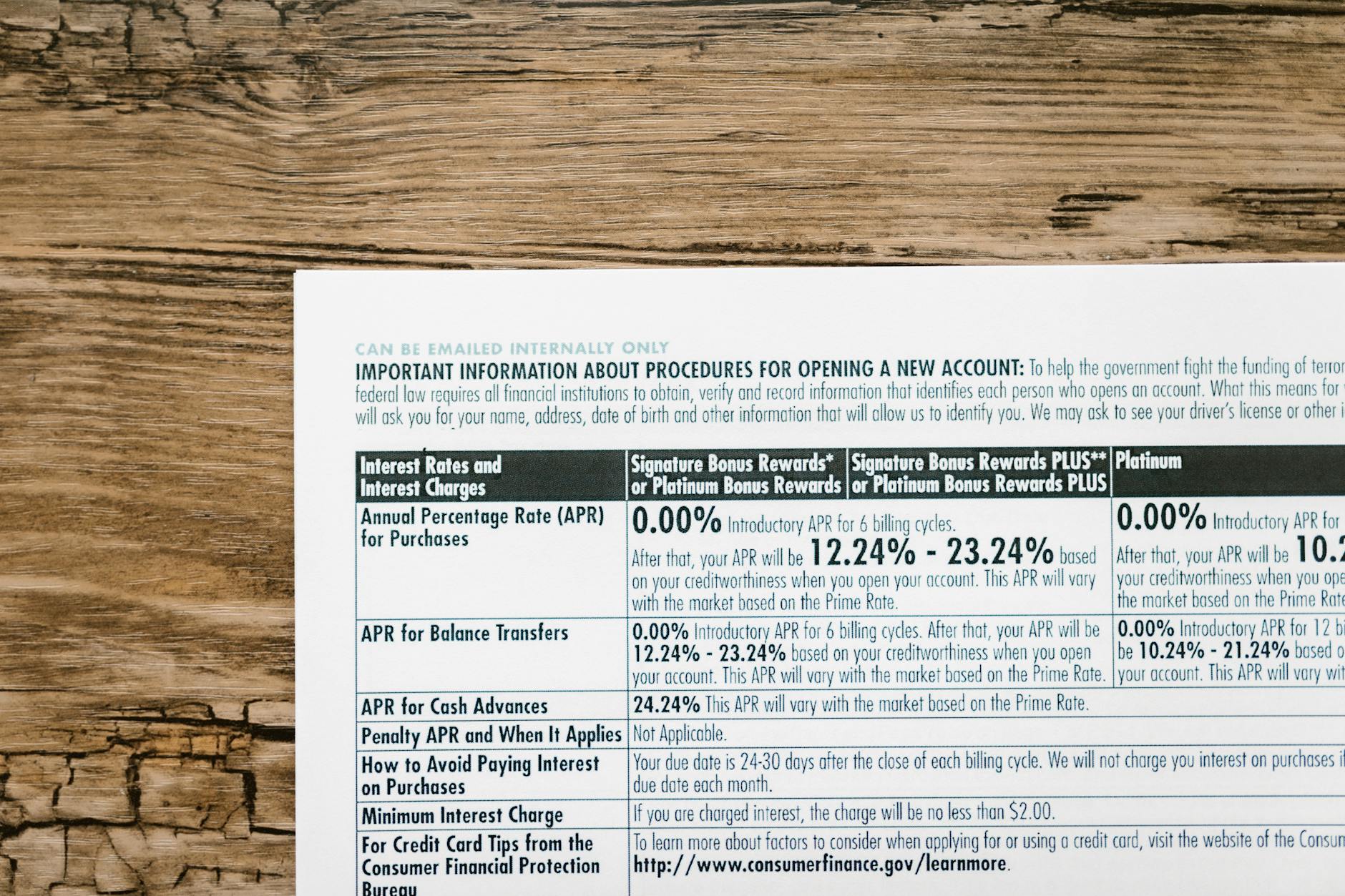
Why a W Usually Stays Neutral
A W means you left the class before the school posted a final grade. You get no credit for that course, and your GPA stays unchanged. That makes a W very different from an F, which lowers GPA, and from a C- or D in a transfer review, which can still count as earned credit at the old school but look weak to the new one.
That split matters because transfer readers care about two separate things: did you finish the class, and did you handle college work with enough stability? A W answers the first question with no. It answers the second question with a shrug. A transcript with 12 credits of Ws and 45 credits of solid grades tells a different story than a transcript with one W and a 3.4 GPA.
The catch: A W does not damage GPA, but it also gives the receiving school nothing to award. That means a 3-credit withdrawal leaves a hole in your progress, so check whether the class sits in a sequence before you enroll again.
A concrete case helps. A 35-year-old paramedic taking 6 credits after night shifts may drop a chemistry class in week 5 because the 12-hour shifts and lab schedule collide. A transfer office usually reads that as a workload problem, not a character problem, especially if the rest of the transcript shows 18 or 24 credits completed on time. The smart move is to replace the dropped class with a cleaner term, not to stack another hard science course right away.
One counterintuitive point: a W can be smarter than dragging a class to an F. If you know by week 8 of a 16-week term that you cannot recover, withdrawing protects the GPA and keeps the rest of the record clean. That choice still leaves a mark, so use it as a reset, not a habit.

How Transfer Schools Read W Patterns
Admissions staff usually read 1 to 3 scattered Ws as normal college life. A student who withdrew from one 4-credit lab in spring 2023 and one 3-credit economics class two years later looks different from a student who quit every hard course in the first 6 weeks. The pattern matters more than the label.
Reality check: Two Ws in 4 semesters often fade into the background, but 6 Ws across 3 terms can make a transcript look unstable. That does not mean rejection, yet it does mean a reader may wonder whether the student overloaded at 15 credits, worked too many hours, or avoided tough classes.
A concrete example: one transfer applicant has Ws in Spanish 101 and sociology, both outside the major, spread across 2 years. Another applicant has 6 withdrawals, including 2 anatomy classes and 1 algebra prerequisite, all after the add/drop deadline. The first file looks like ordinary scheduling trouble. The second file can raise doubts about readiness for a new program, especially if the target major needs anatomy, algebra, or another gatekeeper course.
Schools also pay attention to timing. A W posted during a first semester after a move, a job loss, or a family emergency tends to read differently than a W posted in the final 3 weeks of every term. That last pattern makes readers think strategy, not crisis.
Bottom line: A transfer office wants a clean academic trend, not a spotless fairy tale. If your last 2 terms show 24 credits completed with no withdrawals, that recent record matters more than a rough start. Treat the transcript like a story with chapters, not a single grade line.
The downside is plain: repeated Ws can shrink the number of credits that actually transfer. If you dropped 9 credits, the new school may only have 21 completed credits to evaluate, so check your total before you apply.
W, WP, WF, and I Grades
These transcript codes do not all mean the same thing. A W usually reads as a clean exit, WP shows you withdrew while passing, WF looks like a failing withdrawal, and I means the term ended before the work finished. Transfer readers care because each code tells a different story about effort, timing, and completion.
| Code | Usual meaning | Transfer read | Example |
|---|---|---|---|
| W | Withdrew | Neutral | no credit, no GPA hit |
| WP | Withdrew passing | Usually OK | passing at withdrawal |
| WF | Withdrew failing | Like an F | poor finish or stop |
| I | Incomplete | Temporary | work due after term |
| W at SNHU | School policy note | Often not counted in admission | check program rules |
| W at APUS | School policy note | Often not counted in admission | adult-learner friendly |
WP often looks less messy than a plain W because you left while still passing. WF does the opposite. It usually signals that the class ended badly, so if your transcript has WF codes, fix the pattern before you send the file.
The Complete Resource for Withdrawal Grades
TransferCredit.org has a full resource page built for withdrawal grades — covering CLEP/DSST prep with chapter quizzes and video lessons, plus the ACE/NCCRS-approved backup course if you do not pass the exam. $29/month covers both, and credits transfer to partner colleges.
See CLEP Membership →When W Grades Start Raising Questions
A transcript with 5 or more Ws gets harder to ignore, especially if they cluster in the same 2 semesters. Readers do not punish a single bad term, but they do notice repeated exits.
- Five or more Ws can suggest unstable scheduling or poor planning. If you see that pattern, pair the transcript with a short explanation of what changed.
- Repeated Ws in the same subject, like 2 withdrawals from anatomy or calculus, can look like avoidance. A reader may ask whether the student can handle the major’s core work.
- A W in a prerequisite course matters more than a W in a general elective. A withdrawn biology class can matter a lot more than a withdrawn art history class.
- Ws posted late in the semester, after 10 or 12 weeks of a 15-week term, can look strategic. That timing can make an office wonder whether the student waited until the grade looked bad.
- Admissions readers usually do not care about one W from a 3-credit class during a move, illness, or schedule clash. They care more about a repeated pattern than about one rough spot.
- A cluster of 4 Ws across 2 terms can still pass fine at some schools, but it deserves a plain explanation. Do not bury it in jargon or long excuses.
- Worth knowing: A W in a major prerequisite can block progress even when it does not block admission. If that course sits in a sequence, retake it before you submit a transfer plan.
What to Say About Problem W Grades
A short explanation works best when the withdrawals tie directly to something concrete: illness, a family emergency, or a sudden money problem. If you have 2 Ws from the same semester because a parent landed in the hospital, say that in 2 or 3 plain sentences. If you have 1 W from a class you misjudged, skip the drama and keep the note brief. Readers care about context, not a long defense.
- Use 2 to 4 sentences for one clear event.
- Name the term, like fall 2024, if the timing matters.
- Mention 1 reason, not 5.
- Say what changed after the withdrawal.
- Leave out blame and long backstory.
Schools That Downplay Withdrawals
Some schools say the quiet part out loud: W grades do not affect admission. SNHU and APUS sit near the top of that list, and many adult-learner-friendly programs make the same point in their transfer pages. That matters if you have 3 Ws and want a school that reads the whole file instead of staring at one line.
What this means: If a school says W grades do not affect admission, you should spend less time worrying about the label and more time checking credit fit, deadlines, and major rules. A 2-year associate transfer or a working adult returning after 8 years should read the policy before paying for transcripts.
A real-world case: a 35-year-old warehouse supervisor with 2 Ws from 2022 and a 2.9 GPA may get a much warmer read at an adult-focused school than at a hyper-selective campus that sorts by metrics first. That does not erase the Ws, but it changes how much weight the school gives them. If the program also accepts online terms, night classes, or 8-week sessions, the withdrawal pattern often looks more understandable.
The downside is simple. A forgiving admission policy does not mean every course transfers, and it does not mean a W in a major prerequisite disappears. Use the school’s transfer page and ask how it treats your exact class list, especially if you have 12 or 24 credits with mixed outcomes. If a school publishes a clear W policy, save the page and match it against your transcript before you apply.
How TransferCredit.org Fits
A student with 2 Ws and 1 WF does not need more guesswork. They need a plan that covers the exam path and a fallback if the test date goes badly. TransferCredit.org sells that setup for $29/month, and the subscription includes CLEP and DSST prep with chapter quizzes, video lessons, and practice tests. If the exam does not go your way, the same plan gives access to an ACE-recommended or NCCRS-recognized backup course, which keeps the credit hunt moving either way.
That matters because a W on your college transcript and a failed exam can hit the same nerve: lost time. TransferCredit.org gives you two shots at the same goal, and that helps a student who already has 1 or 2 withdrawals avoid piling on another academic gap. The CLEP membership page shows the full path in one place.
If you want a course preview, look at Educational Psychology and Introductory Psychology. Those pages help you match a planned exam to a real credit target before you sign up. TransferCredit.org also gives you a clean backup if your first try stalls, which matters a lot more than flashy study talk when you already have a transcript that needs a better trend.

How TransferCredit.org Fits
Frequently Asked Questions about Withdrawal Grades
The most common wrong assumption is that a W grade hurts your GPA and transfer odds the same way an F does. It doesn't. A W on your transcript gives you no credit for that class, but it usually stays GPA-neutral, and 1-3 scattered W grades rarely bother most admissions readers.
A W grade transfer review usually treats the W as a record of withdrawal, not as earned credit. That means the new school can see the class on your transcript, but it won't count as completed coursework, and 5 or more W grades can start to raise questions.
Most students assume a W blocks transfer credits with withdrawals, but the real issue is course pattern, not one isolated W. A single W in a 15-credit semester looks normal; a W in a required math or nursing prerequisite gets more attention because it touches your major path.
Most students say nothing and hope admissions won't notice, but a short explanation works better when the W pattern matters. If illness, a family emergency, or a money problem caused 2 or 3 withdrawals, put that in one clear sentence in your essay or additional info section.
No. A W on transcript transfer review usually means no credit and no GPA effect; WP usually looks fine; WF often gets treated like an F; and I means the class is still in progress. Check the receiving school's policy, because some registrars code these grades differently.
This mostly applies to students with 4 or more withdrawals, or anyone with a W in a gateway class like English Comp, calculus, or anatomy. It doesn't usually matter much for a transfer student with 1 W spread across 2 years and strong grades elsewhere.
Start by pulling your transcript and counting the W grades by term, not just by total. If you see 1-3 Ws across 4 semesters, you're probably fine; if you see 5 or more, or a cluster in one year, build a short explanation before you apply.
If you ignore a messy W grade transfer pattern, an admissions reader may assume you left classes because you couldn't handle the workload. That can matter more at selective schools and in majors with 2-step prerequisite chains, where a weak pattern can slow approval.
The most common wrong assumption is that any W looks bad and sinks your application. That's not how college W grade impact usually works. 1 or 2 withdrawals scattered across a 60-credit transcript usually look like normal life, not a red flag.
At least 2 big adult-learner schools, Southern New Hampshire University and American Public University System, say W grades don't affect admission decisions in the usual way. That said, you still need to check the exact program page, because some majors ask for stronger grades in math, science, or writing.
What surprises most students is that the W itself usually isn't the problem; the pattern is. One W after a 6-credit term can look normal, while 6 Ws across 3 semesters can make a reader ask whether you can finish a new program on time.
Final Thoughts on Withdrawal Grades
A W grade is not a stain by itself. It is a signal. One or 2 Ws usually fade into the background of a decent transcript, and most transfer offices know that college life includes bad timing, work shifts, and family messes. The trouble starts when withdrawals cluster, repeat in the same class, or show up right where a major starts getting serious. That is why the smartest move is not to panic over the code. Read the pattern. A single W in a 3-credit elective means something very different from 6 Ws spread across 3 terms, or a W in calculus before an engineering transfer. If your record has a rough patch, use the application to give plain context, then let the rest of the transcript do the heavy lifting. The schools that downplay withdrawals also teach a useful lesson: transfer review starts with fit, not perfection. A school that accepts your goals, timeline, and course history can care far less about one withdrawal than a school that sorts by numbers alone. That does not erase the need for a clean next term. It does tell you where to apply, and where not to waste time. Check your transcript line by line, count the Ws, and map each one to the class and the term. Then send the file to schools whose transfer rules match your record.
How CLEP credits actually work
Ready to Earn College Credit?
CLEP & DSST prep + ACE/NCCRS backup courses · Self-paced · $29/month covers everything