
A rejected transfer credit does not have to wreck your semester. Start with the denial letter, then check the exact reason, the appeal deadline, and whether the school wants more proof like a syllabus, catalog page, or transcript. If you wait 30 days and do nothing, the office can close the file and move on. The fastest fix is usually not arguing that the credit should count. It is showing the school the same course in cleaner form, with dates, credit hours, learning outcomes, and accreditation details that match its rules. A 3-credit course from one college can get tossed at another school because the content only overlaps about 70%, and that gap matters to the registrar more than your GPA does. Some students panic and start retaking classes before they even ask for a review. Bad move. A better first step is to read the denial line by line, because the reason tells you the next move: missing accreditation, a grade below C, expired coursework from 2014, or a residency rule that says you must earn 25% of your degree at the new school. Those are different problems, and each one needs a different fix. One counterintuitive thing: the cheapest rescue is not always another class. A 1-credit gap can sometimes get filled faster with a credit-by-exam option than with a 16-week course, and that can save both time and tuition. If your schedule already has work, family, or a registration deadline hanging over it, speed matters as much as the credit itself.
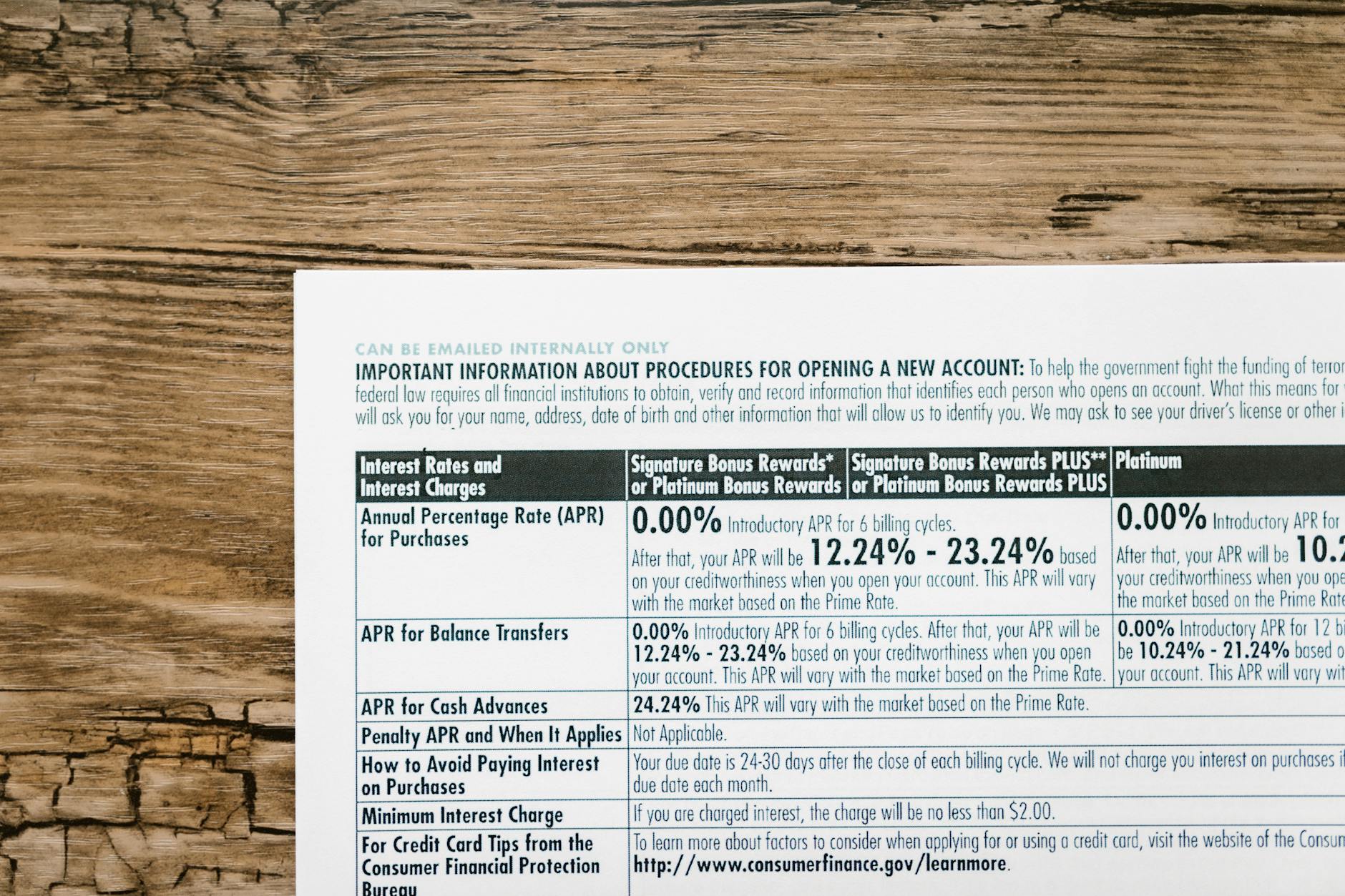
Why Transfer Credits Get Rejected
Transfer credits usually get rejected for five plain reasons: the course content does not match, the school does not trust the source accreditation, the grade sits below the cutoff, the class is too old, or the receiving school has a residency rule. A lot of schools want a C or better, and some programs ask for a 2.0 GPA in the whole transfer block. If your transcript shows a D or a pass/fail mark, ask the registrar whether that course can still count as elective credit or if you need a replacement.
Course content mismatch causes the most frustration. A biology class with 4 lab hours can still miss the receiving school’s required lab outcomes, and a 3-credit psychology course can fail because it skipped research methods or statistics. That is why the course title alone never wins the argument. The office wants learning outcomes, contact hours, and a catalog description that lines up with its own course.
The catch: A school can reject a perfectly good class if it came from the wrong kind of institution. Regionally accredited colleges get the smoothest review, while nationally accredited or nontraditional programs can trigger extra checks. If your old school used a different accreditation label, pull that proof first and ask whether the new school needs a course-by-course review.
A 35-year-old paramedic taking classes after 12-hour shifts does not have time for guesswork. If that student needs credits for the fall registration deadline on August 1, the smart move is to check the denial reason the same day and start collecting syllabi before the office closes the file. A course from spring 2018 can also fail if the program treats it as expired, so do not assume age alone saves it.
Residency rules can hit hard too. Some schools require 25% to 30% of the degree from their own courses, and that means a transfer-heavy plan can leave a hole even when every class looks valid. Use that number as a planning signal, not a surprise.

The Credit Appeal Process That Works
A good appeal does not start with emotion. It starts with the denial code, the policy page, and a clean paper trail. Most schools review appeals in 10 to 15 business days, and many set a 30-day filing deadline after the denial letter. Miss that window, and the office can close the case before anyone reads your extra documents.
- Read the denial letter and mark the exact reason, the deadline, and the office name that made the call.
- Call or email the registrar or transfer office and ask what document would change the decision, because some schools want a syllabus and others want a catalog page.
- Gather proof that matches the rejection reason, including learning outcomes, credit hours, grade, and accreditation status, then label each file by term and course number.
- Submit the appeal before the 30-day deadline, and if the school asks for a form fee, pay it right away so the file does not stall.
- Follow up after 10 business days and ask for a status update, especially if registration opens in 2 weeks or less.
What this means: A clean appeal works better than a long complaint. If the school says the course lacked lab hours, send the lab schedule. If it says the grade fell below a C, do not argue the number — replace that class or ask whether the course can count as elective credit instead.
Documents That Can Reverse a Rejection
One missing page can sink a whole review. A transfer office may only need 1 extra document, but the right one has to match the reason for the denial. If the school gives you 10 business days to respond, move fast and send the strongest proof first, not the biggest stack.
- Include the official syllabus, because it shows topics, weekly schedule, and contact hours in a way a transcript never can.
- Add the course catalog description from the term you took the class, not a newer version from 2026.
- Send assignment lists and exam topics if the school says the course content only matched 60% or 70%.
- Attach instructor credentials when the school questions the course source or asks who taught it.
- Use an official transcript with the grade visible, because a screenshot usually does not satisfy a registrar.
- Provide accreditation proof for the sending school, especially if the rejection points to regional, national, or ACE-recognized status.
- Ask for a signed letter from the department chair if the course title looks off but the learning outcomes line up.
Reality check: A syllabus dated May 2024 can matter more than a polished appeal letter. Schools care about evidence, not charm. If you have only one strong item, lead with that first and mention the rest in order.
A lot of students skip the catalog page because it feels boring. That page can save the day when the office needs the exact course code, 3-credit value, and prerequisite text that proves the class matched its own course map.
The Complete Resource for Transfer Credit
TransferCredit.org has a full resource page built for transfer credit — covering CLEP/DSST prep with chapter quizzes and video lessons, plus the ACE/NCCRS-approved backup course if you do not pass the exam. $29/month covers both, and credits transfer to partner colleges.
See CLEP Membership →Alternative Credits When Appeals Fail
If the school still says no after the appeal, stop pouring weeks into the same dead end. A lost 3-credit class can sometimes be replaced faster than it can be won back, and that matters when graduation sits 1 term away. The smart play is to swap in a credit source that the school already accepts, then move on. That is not quitting. That is damage control with a deadline.
Bottom line: Replacing 6 credits with a faster option can keep a full semester from slipping.
- CLEP can cover general education in about 90 minutes per exam, which beats a full 16-week class.
- DSST gives another exam path, and many schools post a minimum score rule right on the transfer page.
- Challenge exams let you prove mastery without sitting through a full course, but the department controls the format.
- Summer classes at a local college can plug a 3-credit hole in 5 to 8 weeks.
- Prior learning assessment can turn work history into credit if the school accepts portfolios or employer proof.
A student who lost an intro course in March and needs the degree audit fixed before June should not wait for a slow second appeal. Pick the fastest option the school already honors, then check whether it fills a major, a general ed slot, or only an elective. A bad replacement choice can waste 8 weeks on a class that does not move the audit at all.
How to Choose Faster Replacement Credits
Speed, price, and acceptance all matter, but graduation impact matters most. A $93 CLEP exam can beat a $600 summer class on cost, and you should use that gap to decide whether an exam or a course makes more sense for your audit. If the school accepts both, the exam usually wins for pure speed; if the department wants a lab or upper-level writing, a class may fit better.
A community-college transfer student aiming for the fall registration deadline on August 15 should look at the number of credits needed first, then choose the option that fills the hole in the fewest steps. A 3-credit gap often fits one CLEP or one short summer class, while a 6-credit gap may need two exams or one accelerated session. Use that math before you spend money, because a cheap option that does not match the requirement still leaves you stuck.
Worth knowing: Passing at 50 on a CLEP gives the same credit as a higher score at most schools that accept it. Do not over-study for a number that gives you no extra payoff; instead, aim for the minimum score that your school posts and move the rest of your energy to the next requirement.
Some students chase the easiest-looking option and miss the real limit: the school’s acceptance rule. A 12-week online equivalent from one college can count as direct replacement credit, while a 90-minute exam may only satisfy elective space. Check the degree audit line by line before you pick, or you can end up with credit that looks nice but does not help you graduate.
How TransferCredit.org Fits
If a rejected credit leaves you with a 3-credit hole, speed matters more than pride. TransferCredit.org gives students a $29/month path for CLEP and DSST prep with full chapter quizzes, video lessons, and practice tests, so you can prep without paying for a full semester first. If the exam goes badly, the same TransferCredit.org subscription gives you an ACE-recommended or NCCRS-recognized backup course, which means you still have a credit path instead of starting over.
That dual-path setup helps when a school wants proof fast. A transfer student who loses a psychology requirement, for example, can move from appeal paperwork to replacement credit without waiting on a new class start date. Use the CLEP membership if you need a quick exam prep route, then keep the backup course in your pocket in case the first plan stalls.
TransferCredit.org also matters because its credits transfer to over 2,000 US colleges and universities. That number does not replace your school’s own policy, but it does tell you the platform already speaks the same credit language as a lot of registrars. For students staring at a denied transcript on a Friday afternoon, that can shave days off the recovery plan.

How TransferCredit.org Fits
Frequently Asked Questions about Transfer Credit
Most students email one office and wait, but what works is pulling the rejection reason, the syllabus, and the transcript line that got denied on the same day. Ask for the decision in writing, then match the course title, credit hours, and learning outcomes before you appeal.
Within 7 to 14 days is the right window to start, because many schools set short appeal deadlines and some close the file after one term. Send your request with the original transcript, course syllabus, and catalog description so staff can re-check the match.
Yes, if the school denied the credit because of missing proof, a weak course match, or a simple paperwork gap. Add a syllabus, reading list, graded work, or a catalog page from the sending school, then ask for a second review before you sign up for a replacement class.
Start by asking for the exact appeal form or petition link from the registrar or transfer office. Then attach 2 to 3 proof items, like a syllabus, assignment list, and credit-hour breakdown, because vague emails usually get ignored.
If you ignore it, you can lose a full semester plan, miss a graduation audit, and end up paying for 1 to 3 extra classes you didn't plan for. That mistake also blocks financial aid planning, since your degree map and registered credits stop lining up.
This applies to you if the school accepts CLEP, DSST, or AP for the exact subject you need, but it doesn't fit if your program requires a lab, clinical, or upper-level major course. A 50 on CLEP and a passing DSST score can replace a class fast, so check the school's chart before you pay for another 90-minute exam.
The biggest wrong assumption is that a rejection means the class has no value anywhere, which isn't true. A course can fail one school's rule and still count at another school, especially if the new school uses a different 3-credit or 4-credit transfer table.
The part that surprises most students is that old documents often beat new excuses. A 5-page syllabus from the term you took the class can do more than a long email, and some schools want the exact textbook title, week-by-week topics, and grading scale.
Most students retake the same class right away, but what works faster is checking alternative credits options like CLEP, DSST, or an approved online course that matches the exact requirement. If you need 3 credits, one exam or one short term can replace a denied class without waiting for the next semester.
$93 is the standard CLEP exam fee, and many test centers add a small proctoring charge, so use that price as a baseline before you choose a replacement path. If the school accepts the exam, compare that cost with a full 3-credit course, since one bad denial can turn into a much bigger bill.
Final Thoughts on Transfer Credit
A rejected transfer credit feels personal, but the fix usually lives in paperwork, timing, and a better match between course content and school rules. Start with the denial letter, then choose the shortest path that actually fills the hole. If the school wants a syllabus, send the syllabus. If it wants a better source, find a different course. If it wants a faster replacement, switch to an exam or an accelerated class. Do not waste 2 weeks arguing with the wrong office. A registrar can tell you where the file sits, but the department chair can sometimes say whether 1 more document will change the outcome. That difference matters when registration opens in 10 days or the appeal clock hits 30 days. Keep your focus on the degree audit, not the bruise. A 3-credit gap can feel huge today and look tiny once you replace it with the right class or exam. The students who recover fastest usually do one boring thing well: they collect proof, make the next move, and stop waiting for a perfect answer. If your first appeal fails, pick a replacement path the same day and set a date on the calendar for the next step.
What it looks like, in order
Ready to Earn College Credit?
CLEP & DSST prep + ACE/NCCRS backup courses · Self-paced · $29/month covers everything