
The University of Michigan does not treat CLEP like a free pass. Some exams count, some do not, and the rule changes by campus and by department. That is the part most students miss. If you want the short version, the answer to does umich accept CLEP is yes for some credit cases, but not across the board, and you need the exact school policy before you pay the $93 CLEP fee plus any test-center charge. Use that number as a filter, not a guess. A lot of students assume Ann Arbor, Dearborn, and Flint all follow the same rule sheet. They do not. The University of Michigan system has separate offices, separate course rules, and separate credit posting habits. The official policy matters more than forum advice from 2022 or a friend who took one exam and got lucky. The smart move is to check the exact exam, check the score rule, then check how the credit lands on your transcript. A 35-year-old working adult who studies 4 hours a week should not waste a month on an exam the department will not count. A high school senior who wants to shave one general-education class off a fall schedule should check the school’s CLEP page before registration opens. That saves money, time, and a stupid surprise later.
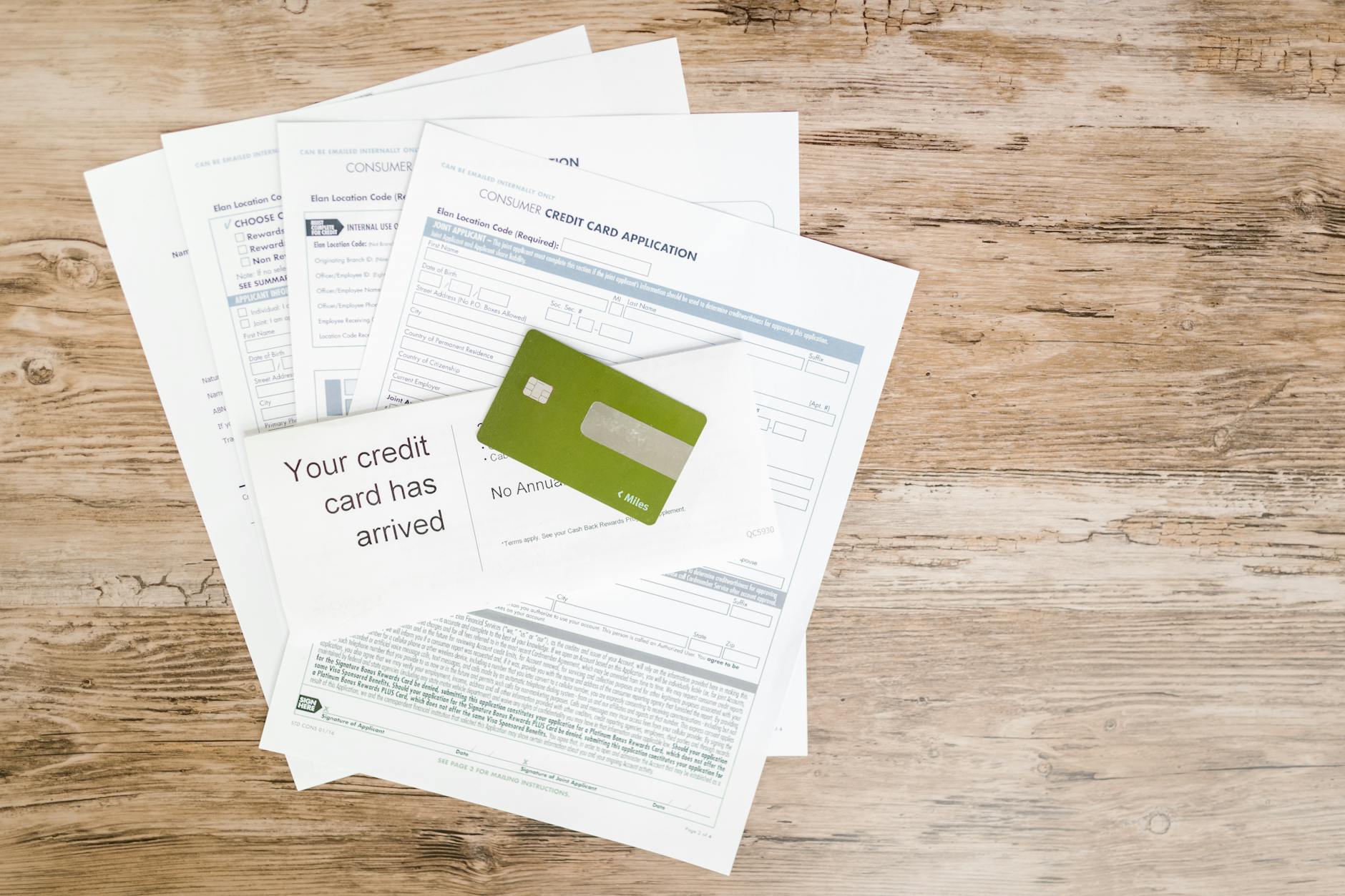
Does Michigan Accept CLEP?
Yes, but not in the loose way students usually mean. The University of Michigan accepts some CLEP credit under official school rules, and those rules vary by campus, exam, and department. Last verified in 2026, the policy still puts the burden on you to match the exam to the right college office before you test.
The biggest mistake is assuming one University of Michigan campus speaks for the others. Ann Arbor, Dearborn, and Flint do not always use the same credit chart, and a passing CLEP score does not automatically turn into usable credit. That is why the school policy matters more than the exam brochure. Reality check: A score of 50 only matters if the campus and department accept that exam for credit.
A community-college transfer student with a fall registration deadline in 3 weeks should check the exact department rule first, then schedule the exam, then send scores. A $93 exam fee looks small until you pay it for a class that posts as elective credit you did not need. Use the fee as a warning sign: only test when the credit helps your plan.
I like this policy because it cuts out wishful thinking. That sounds harsh, but it saves people from burning a Saturday on the wrong exam. The official University of Michigan pages beat any checklist copied from a random blog. If your goal is to move faster, start by matching the exam to the school chart, not by hunting for a shortcut.
The most common myth says CLEP works the same everywhere. It does not. Michigan accepts credit in some cases, but you still have to prove the exam fits your degree path, your campus, and your timing.

Which CLEP Exams Michigan Takes
The part that matters is not just whether CLEP shows up on a list. You need the exact exam name, the score floor, and the kind of credit it can replace. A passing 50 on one exam can help, while the same 50 on another exam can do nothing for your major plan.
| Exam | Minimum score | Typical credit result | Notes |
|---|---|---|---|
| College Composition | 50 | Composition credit or elective credit | Check writing placement rules |
| College Algebra | 50 | Math credit or elective credit | May not replace major math |
| French Language | 50 | Language credit | May depend on placement level |
| Spanish Language | 50 | Language credit | Department review can apply |
| Introductory Psychology | 50 | Intro psych or elective credit | Often checked against degree needs |
| Microeconomics | 50 | Economics or elective credit | Use official equivalency first |
What this means: You do not want a random pass list; you want the exact exam that plugs into your degree audit. A 50 is enough to open the door, but the department still decides which room you enter.
How Much Credit You Can Earn
Michigan does not hand out unlimited CLEP credit. The school sets a cap, and that cap shapes how much testing makes sense. If you can only use a limited number of credits, then stacking 4 or 5 exams just to collect them can waste money fast.
The useful question is not “Can I pass?” It is “Where does this credit land?” Some CLEP credit fits general education, some lands as elective credit, and some does not replace a major course at all. A passing score of 50 matters, but you still need to check whether the credit counts toward distribution, language, or pure electives. The catch: A good score does not fix a bad course match.
A homeschool senior trying to clear 3 CLEPs in one summer should map each exam to a specific requirement before the first test date. If one exam only gives elective credit, that may still help if the degree audit has room for it. If not, the better move is to save the money and test only on the course that closes a real gap.
This is where people waste the most time. They chase credit volume instead of credit value. A 4-credit class that fits a gen-ed slot matters more than 2 random elective credits that sit unused. I would rather see a student earn 6 usable credits than 18 credits that never touch the degree plan.
Michigan also cares about prior credit in some cases, so a student who already took the same subject at another college should check for overlap before testing. That extra 1 hour of planning beats a whole retake and a transcript headache later.
The Complete Resource for University Of Michigan CLEP
TransferCredit.org has a full resource page built for university of michigan clep — covering CLEP/DSST prep with chapter quizzes and video lessons, plus the ACE/NCCRS-approved backup course if you do not pass the exam. $29/month covers both, and credits transfer to partner colleges.
Browse Find My College →Submitting Scores Without Surprises
The process is simple if you do it in order. The headache starts when students skip a step or send scores before checking the right office. Michigan wants official records, and that means you need the exam, the score report, and the school policy lined up.
- Take the CLEP exam through College Board and keep your registration records. The test lasts 90 minutes for most exams, so treat it like a real appointment, not a casual practice run.
- Send official scores to the correct University of Michigan campus office right away. If the exam fee plus center fee makes the test expensive for your budget, use that as a cue to verify the campus code before you pay again.
- Check the campus CLEP policy and your department rules before you expect credit posting. Some offices post general credit fast, while department review can take 2 to 6 weeks.
- Watch your transcript or degree audit for the posted credit. If the credit does not show after the normal review window, contact the registrar with your exam date and score report number.
- Fix common mistakes early, especially wrong campus codes and unofficial score screenshots. Those errors slow things down more than the exam itself.
Bottom line: Send the right score to the right campus the first time, or you can lose 2 to 6 weeks to paperwork you could have avoided.
When CLEP Still Won't Count
A passing score does not guarantee usable credit. That gap trips up a lot of students, and it usually shows up after they already paid the fee and sat for the test. Michigan can still reject credit for subject, score, placement, or degree reasons.
- Some exams do not match Michigan’s published credit chart, even with a 50. Check the campus page before you register.
- A score below 50 usually does not earn credit. If you miss the mark, stop and retest only after you fix the weak topic.
- Department rules can block substitution for major courses. A student in biology should not expect CLEP to replace a required lab sequence.
- Credit caps can limit how many CLEP hours the school posts. Use the cap to decide whether exam 4 or 5 is worth the money.
- Residency rules can still matter for some degrees. If your major needs upper-level work at Michigan, test credit will not erase that requirement.
- Some offices treat language and composition differently from math or social science. Check the specific subject, not just the word CLEP.
- A score that counts as elective credit may not help graduation timing. If it does not move your degree audit, skip it.
Worth knowing: The exam can be valid and still be useless for your plan. That is why you check the degree map before you buy the ticket.
Michigan CLEP Questions Students Ask
CLEP still makes sense when you want to cut 1 class, not 4 semesters. A single passing exam can save tuition, books, and a month of class time, but only if the credit lands where you need it. The smart play is simple: check the official University of Michigan policy, then compare it with your degree audit.
A 35-year-old paramedic working nights may only have 5 study hours a week. That student should pick one exam with a clear credit target, not three exams with fuzzy payoff. A community-college transfer student aiming for the fall registration deadline should care more about score posting time than bragging rights. What this means: If the credit will not post before registration closes, the exam does not help this term.
The most common question is not “Can I pass?” It is “Will the credit actually count?” That is the right question. A passing score of 50 only matters when the school and department accept the subject for the slot you need.
If you want a faster check, use the school’s official chart first, then compare it with your own schedule and budget. A $93 exam fee is small compared with a full course, but only if the credit saves you a class. That is the part students need to test before they test the exam.
The next step is easy: use the official policy, then act on it.

How TransferCredit.org Fits
Frequently Asked Questions about University Of Michigan CLEP
Most students expect a yes, but the University of Michigan does not award CLEP credit for standard undergraduate degree credit. The official University of Michigan policy does not list CLEP as a credit path, so you should not plan your degree around it. Check your school’s transfer rules before you pay for a CLEP exam.
$93 is the base CLEP exam fee, and that money does nothing for you if UMich won’t post the credit. You should check the official University of Michigan transfer credit page first, then compare it with the CLEP policy at your specific school or college inside UMich.
Most students buy the exam first and ask about credit later. That wastes time and cash. What works is checking UMich’s official credit policy, then using CLEP only if your target school lists a path for it or you plan to send the score somewhere else.
The most common wrong assumption is that a big public school will take CLEP because other schools do. UMich is not set up that way for regular undergraduate credit, so you should read the college policy, not assume broad acceptance from the university’s size or name.
Start with the University of Michigan’s official transfer credit rules and your specific college, such as LSA, Engineering, or Ross. Then check the CLEP score report rules on College Board’s site before you send anything, because score use and credit posting both depend on policy.
If you get this wrong, you can spend $93 on an exam, plus test-center fees, and still get zero UMich credit. That hurts more if you’re trying to save 3 or 4 credits for a faster graduation plan, because the wrong exam turns into a sunk cost.
No for most undergraduate credit at UMich, but yes in the sense that you still need to check the exact college policy inside the university. This matters for students in different programs, because a college page can spell out extra limits, and some units treat outside credit more tightly than others.
This applies to undergraduates who want UMich credit for CLEP, and it does not help if you need general transfer credit from another school. A high school senior, a transfer student, or a working adult all face the same first question: does the exact UMich college list CLEP credit or not?
Most students expect a selective school to reject AP but still maybe take CLEP in a few subjects. UMich’s standard undergraduate policy does not work that way, so you should not treat CLEP like a hidden shortcut that gets you 6 or 12 credits by default.
0 is the number most students need to plan around for standard UMich undergraduate credit, because the university does not post CLEP as a normal credit source. That means you should save your exam money for a school that clearly lists CLEP, not hope for a loophole.
Most students send scores after the exam and ask questions later. What actually works is checking the College Board score send process and the University of Michigan policy first, then confirming whether your college wants an official score report or another document.
The most common wrong assumption is that a 50 on CLEP automatically works everywhere. A 50 is the standard passing score on CLEP, but UMich still has to accept the exam before that score gives you anything useful.
Check UMich’s official policy page first, then use a find-my-college tool and a CLEP bundle only if another school on your list actually accepts the exam. That saves you from wasting a test fee, a score send, and 1 to 2 weeks of waiting for nothing.
Final Thoughts on University Of Michigan CLEP
CLEP can save real time at the University of Michigan, but only when you match the exam to the right campus rule, score floor, and credit slot. That sounds boring. It is not. It is the difference between 3 credits that help and 3 credits that sit there looking nice on paper. The best next move is simple. Check the official University of Michigan policy, match it to your degree audit, and decide whether one exam can replace a class you actually need. If a test only gives elective credit and your plan already has enough electives, skip it. A passing score of 50 matters less than a credit that speeds graduation. Do not let one loose assumption burn a month. The school can accept some CLEP credit and still reject the exact exam you picked, the department can block substitution, and the credit cap can trim your upside. That is normal. Build around the rule sheet, not around hope. If you still need a next step, get the school chart, verify your course list, and choose the exam with the cleanest payoff before you register.
How CLEP credits actually work
Ready to Earn College Credit?
CLEP & DSST prep + ACE/NCCRS backup courses · Self-paced · $29/month covers everything