
A test center can reject a small thing like a smartwatch or the wrong hat, and that kind of hassle wastes time before you even start. Wear simple clothes, bring 2 IDs, and keep your phone out of the room. That covers the main risk. The biggest mistake is thinking CLEP test day works like a casual class day. It does not. Testing centers use lockers, ID checks, pocket checks, and room rules that change from one site to the next. A light jacket, closed-toe shoes, and a plain outfit save you from stupid delays. A shirt with a giant graphic or fake-looking text can draw extra attention. So can bulky pockets, dangling jewelry, or a smartwatch that looks like a recording device. Pack for the test center, not for the drive there. Your ticket, your ID, and your calm matter more than a full backpack. Bring a snack and water for after the exam, then leave them outside the testing room. If you show up prepared, you spend your energy on the 90-minute CLEP test, not on arguing with a proctor about a hat or a phone.
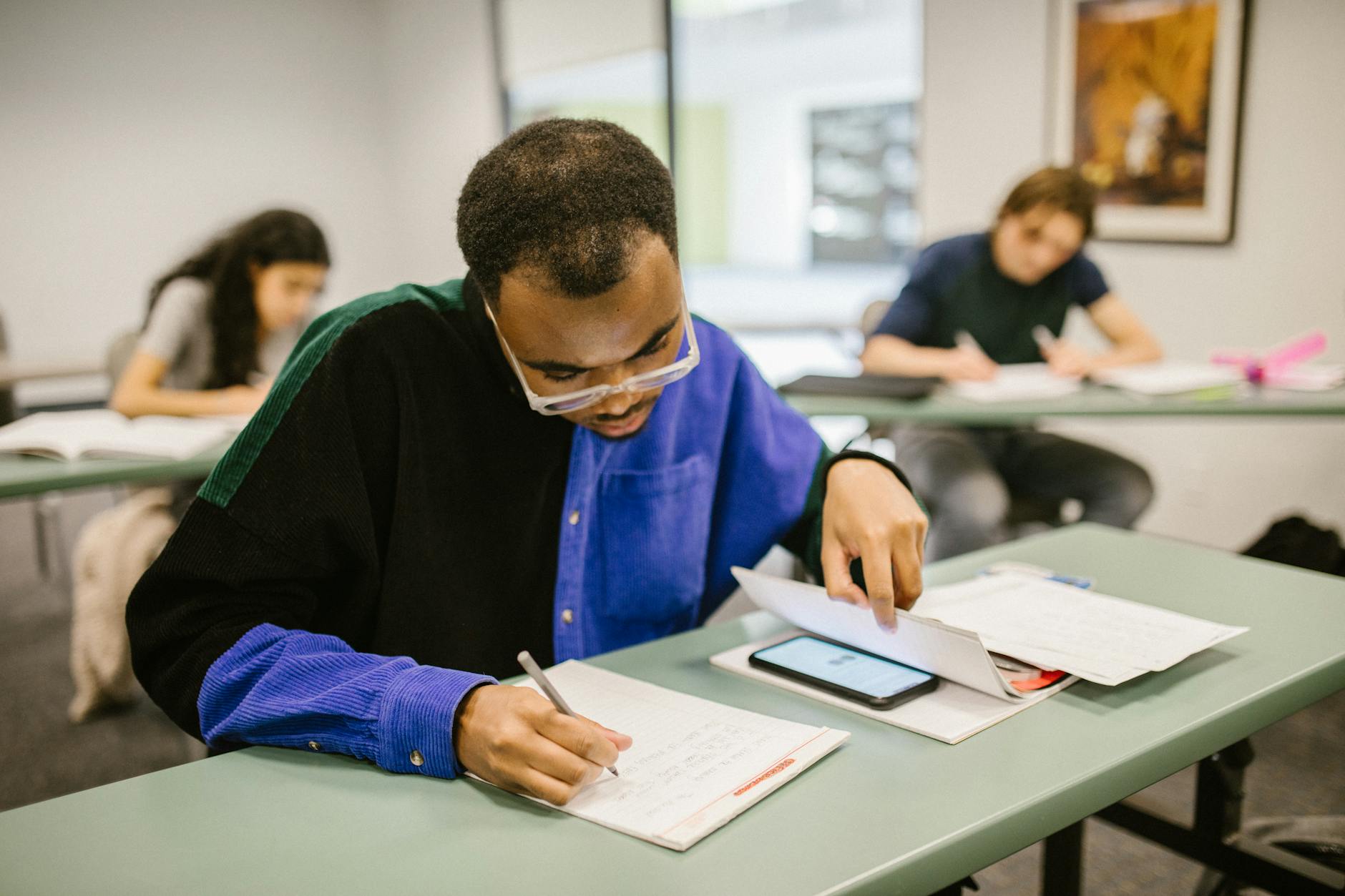
What Should You Wear to a CLEP Exam?
For what to wear to a CLEP exam, choose comfortable, simple clothing that does not create problems during security checks. Layers are useful because testing-room temperatures can vary, while simple shoes and minimal accessories make check-in easier.
Avoid clothing or accessories that could raise questions during security screening, particularly smartwatches and other electronic devices. Always check the specific CLEP test center rules before exam day because requirements can vary by location.
The CLEP Dress Code Mistake Students Make
The big mistake is assuming CLEP test day only needs a photo ID and whatever you wore to class. Testing centers can be stricter than that, and a 5-minute clothing choice can save you a 30-minute locker problem. Wear clothes that pass a quick scan, not clothes that make a proctor stop and ask questions.
A plain shirt beats one with a lot of text or graphics. A shirt that looks like it hides notes can trigger a second look, even if you never meant that. One smart move: pick the same kind of simple outfit you would wear to a 2-hour job interview, then skip anything with giant pockets, loud slogans, or extra layers you cannot explain fast.
The catch: Most students obsess over studying and ignore dress rules, then lose 10 minutes at check-in because of a watch, a hoodie pocket, or a hat. Fix that before test day by choosing clothes that look boring and clean. Boring wins here.
A 35-year-old paramedic taking CLEP after night shifts has a different problem than a teenager on summer break. That person may be tired, cold, and rushed, so a light jacket and closed-toe shoes matter more than style. If the test center keeps the room near 68°F, that jacket stops you from shivering through 90 minutes of questions.
Prices and scores do not matter much here, but time does. A student trying to finish before a fall registration deadline has 1 shot to avoid a check-in delay, so pack like the center will inspect every pocket and accessory. That means no bulky jewelry, no smartwatch, and no shirt that looks like a cheat sheet in disguise.

CLEP Testing Dress Code: What to Avoid
The safest approach to the CLEP testing dress code is to keep your outfit simple and easy to check. Avoid bulky pockets, unnecessary accessories, smartwatches, and clothing that may make the security process more complicated.
If you are unsure about an item, contact your testing center before your CLEP test day rather than assuming it will be allowed.
What to Wear for CLEP Test Day
Testing rooms can feel like 68°F one day and 75°F the next, so dress in layers. A light jacket you can remove beats a heavy coat you have to stuff into a locker.
- Wear a plain T-shirt, polo, or simple top with no big text or graphics. A shirt that looks like notes can slow check-in by several minutes.
- Pick pants or a skirt with slim pockets, not cargo pockets. Large pockets make staff look twice, and that wastes time.
- Choose closed-toe shoes. They keep you warmer in a cold room and avoid problems at centers that care about footwear.
- Skip a smartwatch, fitness band, or anything that can look like a recording device. A $0 fashion choice here can save a proctor conversation that lasts 2-3 minutes.
- Keep jewelry simple. Small earrings and a basic necklace usually cause less trouble than a big bracelet or chunky watch.
- Bring a light jacket even if the parking lot feels warm. Inside a testing center, the room can feel 10 degrees colder than outside.
- Ask the center about hats before test day. Some ban hats outright, and some allow only religious head coverings, so do not guess.
What to Bring to a CLEP Test Center
For what to bring to a CLEP test, prioritize the items required for identification and check-in. Have your required identification and registration information ready before leaving for the test center.
You may also want to bring a small snack or water for after the exam, but personal belongings generally need to remain outside the testing room according to the center's procedures.
CLEP Test Day Items to Pack
Pack the stuff that proves who you are and gets you through check-in first. After that, handle the small comfort items for after the exam, not before. The phone can hold your ticket, but it does not get a seat in the room.
- Bring 2 forms of ID, and make the first one a government photo ID with your signature. Pair it with a second ID like a school ID, credit card with your name, or another photo ID.
- Have your registration ticket ready on paper or on your phone. If you keep it on your phone, you still need to put that phone in the locker before the test starts.
- Pack a snack and water for after the exam, not for the testing room. A 15-minute break after a 90-minute CLEP can hit hard if you skip food and drink.
- Put your IDs, ticket, and keys in one small place before you leave. That cuts down on the 10-minute panic search that ruins a clean arrival.
- If your center names a secondary ID rule, follow it exactly. A credit card, school ID, or second photo ID usually works, but the center can still check the name match.
What this means: A student with a 7:30 a.m. appointment should prep the night before, because nobody thinks clearly while half-awake in a parking lot. Put the IDs, ticket, and snack in one bag and stop there. Do not add a textbook or notebook just because it feels productive.
The Complete Resource for CLEP Test Day
TransferCredit.org has a full resource page built for clep test day — covering CLEP/DSST prep with chapter quizzes and video lessons, plus the ACE/NCCRS-approved backup course if you do not pass the exam. $29/month covers both, and credits transfer to partner colleges.
See CLEP Membership →What Can You Not Bring to a CLEP Exam?
Students should expect personal electronics and other unauthorized belongings to be stored outside the testing room. Items such as phones, smartwatches, headphones, study materials, and personal bags should not be assumed to be permitted during the exam.
Because CLEP test center rules can differ, check the instructions provided by your specific test center before arriving.
CLEP Exam Items That Stay Locked Up
Phones, smartwatches, calculators, backpacks, food and drink, notebooks, study guides, water bottles, and headphones all stay in the locker. That list is long for a reason: each item can look like a cheating risk, a noise source, or a distraction during a 90-minute test. If you bring it, plan to leave it outside the room.
The calculator rule trips people up the most. CLEP gives an on-screen calculator only when the test interface allows it, so do not carry your own calculator in and hope the center makes an exception. That is not how these rooms work.
A community-college transfer student trying to hit a fall registration deadline has no room for sloppy packing. If that student shows up with a backpack full of study guides and a water bottle, the locker becomes the only place those items belong. The same goes for headphones and notebooks, even if they feel harmless. The proctor does not care that you planned to use them later.
Reality check: The object that causes the most trouble is often the one students swear they need. A smartwatch looks useful, but it can trigger a security flag in under 1 minute. Leave it home.
A 0% tolerance mindset helps here. If an item has a screen, a recording feature, or a temptation factor, it stays outside the room. That keeps the check-in short and keeps your head on the test instead of on your bag.
CLEP Test Day Checklist
Use this quick CLEP test day checklist before leaving home:
- Check your testing center's current rules.
- Confirm the required identification.
- Have your registration information ready.
- Wear simple, comfortable layers.
- Leave unnecessary electronics at home.
- Plan where personal belongings will be stored.
- Arrive early enough for check-in and security procedures.
A short checklist can prevent avoidable delays and help you focus on the exam once you are seated.
CLEP Test Center Rules That Surprise People
Center rules change by site, and that is why a clean plan beats guesswork. One testing center may run warm, another may feel like a freezer, and a third may inspect every pocket before they seat you. That variation matters because a 5-minute delay at check-in can throw off a whole morning, especially if you booked the exam around work, class, or a same-day ride home. Expect the center to care more about control than comfort, and pack with that in mind.
- Temperature swings happen. Bring 1 light layer you can remove fast.
- Pocket checks happen at some centers. Skip bulky cargo pockets.
- Watch rules vary. Smartwatches and fitness bands usually stay out.
- Hat rules differ. Some centers ban hats; others allow only religious head coverings.
- Food and water stay in the locker until after the exam or a break.
Bottom line: A center that looks friendly at the front desk can still enforce strict room rules. That means the safest outfit is plain, simple, and easy to explain in 10 seconds. If you want one more layer of protection, use a written checklist the night before and compare it to the center’s posted policy.
How TransferCredit.org fits
A $29/month prep plan changes the math for a lot of students, especially when the plan also gives a backup path if the exam goes badly. TransferCredit.org offers CLEP and DSST prep with full chapter quizzes, video lessons, and practice tests, and that matters when you want more than a random study sheet. If you fail the exam, the same subscription can point you to an ACE-recommended or NCCRS-recognized course, so the month still has value instead of turning into a dead loss.
TransferCredit.org also helps people who want one place to handle prep and fallback credit. That matters for a student trying to finish 1 or 2 requirements fast, because a bad test day does not have to wipe out the whole plan. Credits from those pathways transfer to over 2,000 U.S. colleges and universities, so the decision stays tied to real schools, not wishful thinking.
If you want a CLEP prep option with that backup built in, look at the CLEP membership here. Then compare it against the exact school policy before you book your exam. For some students, that 1 subscription covers both the test attempt and the safety net, which feels a lot smarter than paying twice for the same mistake.
You can also line up subject prep like Educational Psychology or Introductory Psychology if those are on your CLEP list.

How TransferCredit.org Fits
Frequently Asked Questions about CLEP Test Day
You can get delayed at check-in, told to store items in a locker, or even turned away if your clothes break a center rule. Wear simple layers, skip bulky pockets, and leave smartwatches, hats, and anything with text or images in your bag.
This applies to every CLEP test-taker, whether you're in high school, in college, or an adult returning to school. It doesn't cover special medical gear or religious clothing, because CLEP test center rules can vary and centers handle those cases case by case.
Wear comfortable layers, closed-toe shoes, and plain clothes without large pockets. The caveat is temperature: test rooms can feel cold, and a light jacket or sweater helps if the room runs cold for 90 minutes or more.
Most students wear whatever feels fine at home and regret it when the room is freezing or the proctor checks pockets. Plain pants or shorts, a T-shirt with no text, and a thin jacket work better than hoodies, cargo pants, or anything bulky.
You need 2 forms of ID. Bring 1 government-issued photo ID with your signature and 1 secondary ID, like a school ID, credit card with your name, or a second photo ID; if either one is missing, you can lose your test slot.
Start with your registration ticket, both IDs, and a small snack for after the exam. Put your phone, water bottle, backpack, and study guides in the locker, because those CLEP exam items don't belong in the testing room.
The thing that surprises most students is how strict centers are about things that look harmless, like hats, smartwatches, and bulky jewelry. Some centers scan items at check-in, and a watch that can record data can get flagged fast.
The most common wrong assumption is that any hat is fine. Some centers ban hats outright because they worry about cheating, and others allow only religious head coverings, so check the center's rule before you walk in.
You usually have to lock them up before you test, and that can slow you down by 10 to 15 minutes. Phones, headphones, calculators unless the test interface allows one, notebooks, and food or drink all stay out of the room.
It applies to anyone taking a CLEP exam at a test center, and it doesn't override medical needs or religious rules. If you wear a head covering or need a medical device, call the center before test day and ask what proof they want.
Yes, you can show it on your phone, but your phone still goes in the locker before the exam starts. Print a backup if you can, because a dead battery at check-in can waste 5 to 10 minutes.
Most students overpack. What actually works is 2 IDs, your registration ticket, a light jacket, closed-toe shoes, and a snack plus water for after the test, because you can't eat or drink in the testing room.
Final Thoughts on CLEP Test Day
CLEP test day works best when you act like a rule follower, not a hero. Wear plain layers, bring 2 IDs, and leave the junk in the locker. The common trap is thinking the test center will make exceptions for small stuff. It will not, not for a smartwatch, a bulky pocket, or a water bottle on your desk. A 90-minute exam already asks enough from you. Do not give away free points before the first question even opens. One more smart move: check the center’s policy the day before, not 5 minutes before you leave. Some centers care hard about hats, some watch for pocket size, and some get picky about jewelry or outerwear. That is annoying, but it is cheaper than driving across town and turning around at the front desk. Pack tonight. Put the IDs, ticket, and post-test snack in one place, then stop messing with it. Tomorrow morning, your job is simple: show up, get seated, and spend your energy on the exam itself.
How CLEP credits actually work
Ready to Earn College Credit?
CLEP & DSST prep + ACE/NCCRS backup courses · Self-paced · $29/month covers everything