
A single missed form can turn an accepted student into a no-show by August. That gap has a name: summer melt. It hits hardest between acceptance and the first day of fall classes, when FAFSA tasks, housing steps, and registration holds stack up faster than students expect. The fix starts with the calendar, not motivation. If your school posts a July orientation deadline or a mid-August bill due date, work backward from that date by 12 weeks, then 8, then 4. A student with a 35-hour work week, a parent helping with forms, or a transfer student waiting on one transcript all needs the same thing: a tight plan with dates attached. The problem gets worse because summer feels open-ended. A student thinks, “I have time,” then loses 10 days waiting for a missing immunization record or a financial aid follow-up. That delay can snowball into a late fee, a dropped class, or a missed registration window. Check the registrar’s academic calendar, the school’s aid page, and Federal Student Aid before you make any move. The exact dates shift every year, and schools set their own cutoffs.
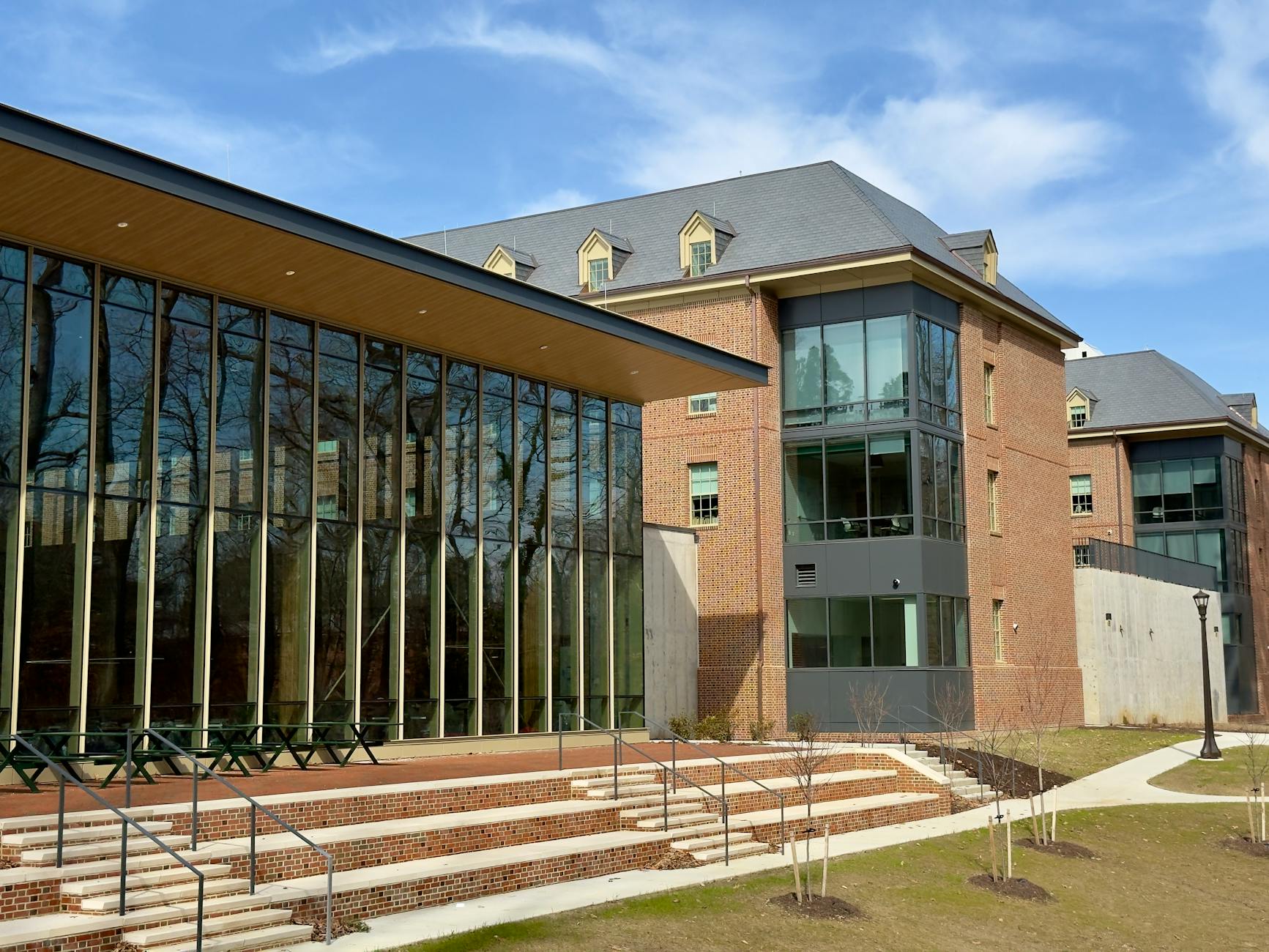
Why summer melt happens before fall
Summer melt usually starts with friction, not failure. A student gets accepted, then has to finish FAFSA follow-up, send a final transcript, clear a placement hold, and sign up for orientation. Each step can take 3 to 14 days, and that delay matters because fall enrollment deadlines sit in the same window as campus housing, fee payment, and class registration.
The numbers tell the story. If a school asks for a deposit, an advising session, and a health form by July 15, missing even one of those can block enrollment on the school side. Treat every date as a hard gate, then check your registrar’s calendar and student portal twice a week until all holds disappear. A student who waits for “one more reminder” often runs out of summer before the school runs out of patience.
The catch: Most students do not lose enrollment over one giant problem. They lose it over 2 or 3 small ones that pile up in the same 30-day stretch.
A community-college transfer student timing CLEP around a fall registration deadline faces this exact squeeze. If the school needs a score report before a 2 p.m. advising slot, waiting 7 more days for the score can push the class into a closed section. A homeschool senior trying to finish 3 CLEPs in one summer has the same issue, just with more moving parts and fewer backup days. The fix is simple but not easy: map every step to a date, then work the hardest task first.
The counterintuitive part? Summer melt often has less to do with money than with attention. A $25 transcript fee or a $50 testing-center charge can still stall a student if no one tells them where to pay and by when. Use those prices as signals to act now, not as reasons to wait for a cheaper moment.

Your backward plan from enrollment day
Start with the school’s real deadline, not the one you remember from last year. Check Federal Student Aid for the current FAFSA opening, then open your registrar’s academic calendar and set your own checkpoints 12 weeks, 8 weeks, 4 weeks, and 7 days before enrollment.
- At 12 weeks out, confirm the fall start date, FAFSA status, and any deposit deadline. If your school posts a $200 enrollment deposit or an orientation reservation, pay it the same day.
- At 8 weeks out, finish anything that can stop registration: transcript send, placement test, immunization upload, or advising hold. If your portal shows a hold code, fix that before you chase class times.
- At 4 weeks out, register for classes and check your bill. Many schools cancel schedules after a missed payment window, so set a reminder for the exact due date in the student system.
- In the final 7 days, confirm housing, meal plan, ID card, and move-in details. If your school requires an orientation check-in or an e-signature, do it before Friday afternoon, not after.
- On enrollment day, log in early and verify that your schedule still shows active. A closed section or unpaid balance can undo 10 weeks of work in 10 minutes.
The Complete Resource for Summer Melt
TransferCredit.org has a full resource page built for summer melt — covering CLEP/DSST prep with chapter quizzes and video lessons, plus the ACE/NCCRS-approved backup course if you do not pass the exam. $29/month covers both, and credits transfer to partner colleges.
Browse Credit Collections →The summer melt checkpoints that matter
A student can clear 6 forms and still miss fall if one hold stays open. Build your checklist around the school’s portal, not around memory, and check every item against the registrar calendar and aid page.
- Submit FAFSA and any verification documents. If the school asks for a tax return or a signed worksheet, send it by the posted deadline.
- Clear placement, advising, or orientation holds. A single hold can block registration even when the rest of the record looks fine.
- Send final transcripts from high school or another college. Ask the sending school about processing time, since some offices need 5 to 10 business days.
- Register for classes and confirm your schedule. If the portal shows “pending” instead of “enrolled,” keep checking until the status changes.
- Pay the first bill or deposit. A school may drop classes after a missed balance date, so use the exact amount and due date from the account page.
- Confirm housing, meal plan, or commuter status. Some schools tie move-in or parking access to a completed deposit or contract.
Worth knowing: A student often cannot enroll until one hold clears, even if every other task is done. That means one missing document can block 3 or 4 other steps, so check holds first every time.
Do not trust a single email reminder. Open the portal, look for red flags, and fix the oldest item first.
What colleges should watch all summer
Colleges lose students when outreach slows down after admit day. A 48-hour delay on a missing transcript note can turn into a 2-week silence, and that silence often turns into non-enrollment. Students who need one more nudge in June usually do not need a long campaign; they need a fast answer and one clear next step.
The timing matters because summer calendars compress everything. A school that sends aid reminders on June 1, July 1, and August 1 has 3 chances to catch a student before the deadline window closes. Miss those touches, and the student may not reopen the portal until the first week of classes. That is bad operations, plain and simple.
A community-college transfer student waiting on one final transcript is not a “retention case”; that student is a deadline case. If the registrar says the file needs 7 business days, staff should not wait until day 6 to ask for it again. The same goes for a 35-year-old paramedic studying after shifts and trying to lock in a fall schedule around a 2 p.m. advising cutoff. One unanswered email can cost the seat, then the student blames the college and disappears.
Reality check: Most melt happens before the first day, not after it. That means colleges should track weekly status, not just opening-week attendance, or they will miss the problem entirely.
Schools that watch only yield numbers miss the small stuff. A missing signature, a locked portal, or a late hold notice can sink enrollment faster than any big policy issue.
How credit backup can reduce delays
A student who hits a prerequisite wall in July needs a fast backup, not a full rethink. If fall classes start in 4 to 8 weeks, waiting on one course approval can kill the whole plan, especially when the school wants a transcript or exam score before registration closes. Credit backup helps because it gives the student another path while the clock keeps moving.
- Use CLEP or DSST prep if one exam can clear a requirement before the registrar deadline.
- Use the backup course if the exam does not go well; the same subscription can still keep credit progress alive.
- Use self-paced ACE/NCCRS courses when a school wants coursework instead of a test score.
- Check acceptance rules first; over 2,000 U.S. colleges accept transfer-friendly credit, but each school sets its own policy.
Bottom line: A stalled summer does not need to become a lost fall. A student who swaps a blocked path for a credit backup can stay on schedule instead of waiting another term.
That matters even more when time is tight. The subscription runs at $29 per month, and the course catalog includes 70+ self-paced options at about $250 each. Use those numbers to compare the cost of one month of progress against the cost of missing a whole semester. CLEP credit reaches 2,900+ U.S. colleges, DSST reaches about 1,900, and ACE/NCCRS options reach 2,100+ schools. Check the live policy before you buy, then match the option to the school that will actually post the credit.
TransferCredit.org fits here because it gives students a dual path during the summer crunch. The $29/month plan covers CLEP and DSST prep with chapter quizzes, video lessons, and practice tests, and the same subscription gives a backup ACE-recommended or NCCRS-recognized course if the exam does not go well. TransferCredit.org also offers 70+ self-paced ACE/NCCRS-recommended college courses at about $250 each, which helps when a student needs coursework instead of an exam score. That mix matters for fall enrollment, since one failed test no longer has to wipe out a whole registration plan. See the collection here: TransferCredit.org courses and exam prep. TransferCredit.org has served 50,000+ students since 2020, and that scale gives it enough depth for students who need a backup plan fast.

How TransferCredit.org Fits
Frequently Asked Questions about Summer Melt
What surprises most students is that summer melt usually starts after the hard part feels finished. You can get admitted, file FAFSA, and still lose your seat if you miss 1 or 2 enrollment steps like orientation, deposits, or final transcripts. The fix is a short checklist and a weekly deadline check.
30 days is the safest starting point for most students. If your registrar's academic calendar shows a July or August deadline, start 4 weeks before that date and check off financial aid, housing, placement, and class registration in that order. A 2-week scramble usually misses one step.
The most common wrong assumption is that admission means you're done. You're not. A college can admit you in March and still drop you from summer melt fall enrollment if you skip a required form, miss a payment window, or ignore a hold on your account.
Most students wait until the last week of summer and try to fix everything at once. What works is a 3-point list: check your college email twice a week, confirm every deadline on the registrar's academic calendar, and finish the most fragile task first, like FAFSA verification or transcript transfer.
This applies to any student with a real fall enrollment deadline, especially first-year students, transfer students, and adults returning after time away. It doesn't change the rules for every school in the same way, because each college sets its own deposit, orientation, and registration dates, so you still need your school's calendar.
Check your college email first. Then open your school's academic calendar and write down 3 dates: orientation, tuition payment, and class registration. If one of those sits inside the next 21 days, handle that task today, not tomorrow.
If you get it wrong, you can lose your class schedule, housing, aid, or even your first-term spot. A missed form can trigger a hold in 24 hours or less, and a missed payment deadline can push you from enrolled to waitlisted fast.
Yes, because transfer credit can shorten the number of classes you need to register for. CLEP credit is accepted at 2,900+ U.S. colleges, ACE/NCCRS credit at 2,100+, and DSST at 1,900+, so a placement or credit check can cut down last-minute registration stress. Check your school's transfer policy before you pay for any exam or course.
What surprises most students is how early the first real deadline shows up. FAFSA opens on a federal schedule, but your college may want aid files, transcripts, and housing forms 6 to 8 weeks before fall starts, so you should treat July as a working month, not a break.
$29 a month can buy a CLEP/DSST prep subscription with ACE/NCCRS backup course access if you fail the exam, and some self-paced ACE/NCCRS courses cost about $250 each. That matters when a 1-credit or 3-credit fix keeps your schedule on track without waiting another semester.
The biggest mistake isn't just procrastination. It's assuming one reminder will cover FAFSA, housing, advising, and registration at the same time. You need separate due dates for each item, because a 48-hour gap between steps can be enough to lose a seat in a full fall class.
Final Thoughts on Summer Melt
Summer melt looks small from a distance. Then one missed transcript, one unpaid balance, or one ignored portal notice knocks a student out of fall enrollment. The fix is not more panic. It is a calendar, a checklist, and a habit of checking the school portal before the school checks you. Work backward from the real deadline. If your college wants everything done by a late-July orientation or an August bill date, build your own checkpoints 12 weeks out, then 8, then 4, then 7 days. That timing gives you room for the slow parts, like transcript delivery, aid verification, and hold clearance. A student who waits for the last reminder gives up that room. The hard part is that summer feels forgiving right up until it is not. A deposit due on Friday, a form due on Tuesday, and a class section that fills in 15 minutes can turn a loose plan into a lost semester. Treat each date like a gate. If one gate closes, move immediately to the next task instead of hoping the school will make an exception. Check your registrar’s calendar today, then mark the next 3 deadlines on paper or in your phone. That one move can save the whole fall.
What it looks like, in order
Ready to Earn College Credit?
CLEP & DSST prep + ACE/NCCRS backup courses · Self-paced · $29/month covers everything