
This exam is not about memorizing plot facts. It asks you to read a passage, spot how the writer builds meaning, and explain why the answer fits. That shift matters because the Analyzing and Interpreting Literature exam rewards close reading more than trivia, and that catches a lot of students off guard. Before you publish or register, confirm the current passing score and credit hours on the official exam page and your school’s CLEP policy. I am not guessing those numbers here, because colleges set their own credit rules, and a 3-credit match at one school can turn into 6 credits at another. The biggest mistake is treating this like a history quiz with a few poems taped on. It is closer to a reading test with logic. You need to spot tone, speaker, structure, imagery, conflict, and point of view. Those skills show up in poetry, drama, and fiction, but the wording changes fast, so practice has to cover all three. A transfer student who needs one humanities credit before fall registration has a different plan from a homeschool senior stacking 3 CLEPs in one summer. Both need passage practice, not flashcards alone. So does a working adult who studies in 30-minute blocks after a shift. If your prep plan never includes timed questions, you will feel fine while reading and then freeze on test day.
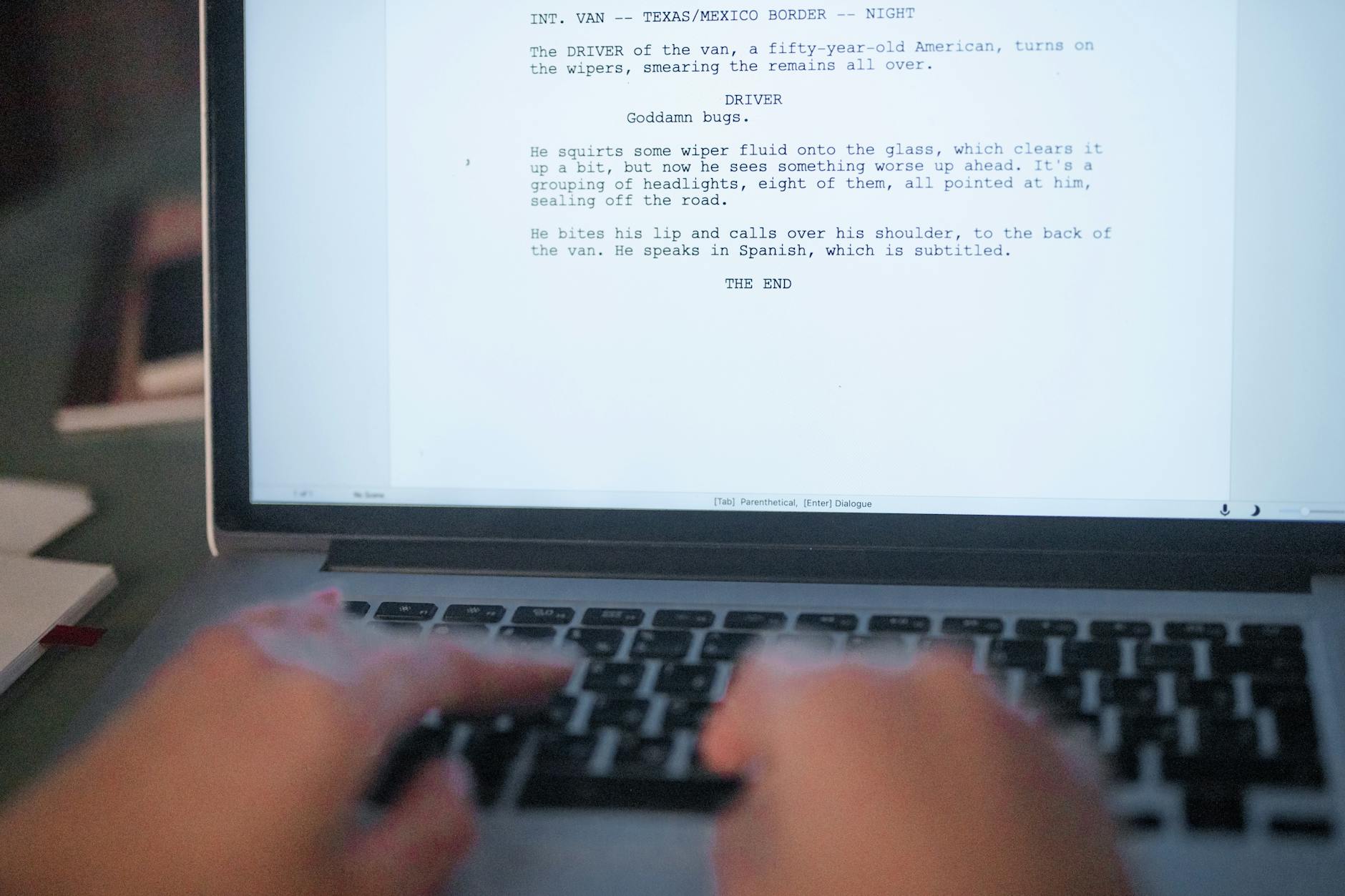
What the Analyzing Literature Exam Really Tests
The catch: Most students think this exam asks for plot trivia, but it mostly checks whether you can explain how a text creates meaning. That means tone, diction, imagery, structure, and point of view matter more than remembering a character’s last name. If your school awards 3 or 6 credits for a passing score, use that number to decide whether the exam saves you from a full 15-week course.
The passing score and credit hours can change by school, so confirm both before you register in 2026. Do that now, not after you study for 4 weeks, because a 3-credit award at one college and a 6-credit award at another can change your whole plan. Treat the official score report as the final step, not a side note, since registrars usually need the report before they post credit.
Poetry asks you to slow down and read line by line. Drama asks you to notice stage directions, dialogue, and dramatic irony. Fiction asks you to track narration, setting, conflict, and theme. Those are not separate worlds; they are three versions of the same job, which is to show how language shapes meaning.
A 35-year-old paramedic studying after 12-hour shifts has maybe 5 hours a week, so this exam works best if that student spends the first 2 weeks on passage drills, not long summaries. A community-college transfer student facing a fall registration deadline should build in 7 to 10 days for the registrar step after the score posts, because paperwork can move slower than the study plan. That delay can wreck a clean transfer if you ignore it.
Reality check: The hardest part is not reading the passage; it is resisting the urge to overread every symbol. A lot of prep guides turn this into a poetry club exercise, and that wastes time. If a question asks for the best interpretation, pick the answer that fits the text’s own words first, then the broader idea second.

Poetry, Drama, and Fiction: Core Skills
A strong score usually comes from 3 habits: reading actively, naming the device, and tying that device to meaning. The exam can use short poems, a play excerpt, or a fiction passage, and the wording will shift fast enough to punish shallow reading.
- In poetry, mark tone words, figurative language, and shifts in speaker or structure. A 12-line poem can hide the whole question in one turn at line 8.
- Look for simile, metaphor, irony, and repetition, then ask what each one changes. If the poem repeats a phrase 3 times, that repetition usually points to emphasis or tension.
- In drama, watch conflict, stagecraft, dialogue, and dramatic irony. A stage direction can matter as much as a spoken line, especially when a character says one thing and the audience knows another.
- In fiction, track narration, setting, character, theme, and point of view. Third-person limited narration, for instance, can hide facts the reader wants but the narrator cannot know.
- Close reading beats guesswork. A question on tone often comes down to 2 words in the passage, so underline the exact phrase before you answer.
- Worth knowing: The exam often rewards the plain answer over the fancy one. That feels backward, but it saves time; if 2 choices sound smart and 1 choice matches the passage’s wording, pick the match.
- Use a passage set from the full prep collection only after you can explain why the wrong answers fail. That habit matters more than reading 20 pages of notes.
The Complete Resource for Analyzing Literature
TransferCredit.org has a full resource page built for analyzing literature — covering CLEP/DSST prep with chapter quizzes and video lessons, plus the ACE/NCCRS-approved backup course if you do not pass the exam. $29/month covers both, and credits transfer to partner colleges.
Explore TransferCredit.org →Who This Credit Fits Best
This credit fits students filling an English or humanities general-education slot, especially if their school accepts 3-credit or 6-credit exam awards for literature. A campus that wants one literature course and one writing course often sees this exam as a clean substitute, and that matters when tuition for a 3-credit class can run far past the exam fee.
What this means: If a class at your college costs $400 to $1,200 in tuition and fees, the exam route can save serious money, so compare the exam cost against your school’s posted course price before you enroll. Do not assume cheaper always means better, though. If your major needs deep literary theory or a professor’s grading feedback, a regular course still makes more sense.
A homeschool senior who needs 3 CLEPs before August 2026 can use this exam as one piece of a larger credit plan, but only if that student already reads comfortably and can explain a poem without freezing. A student who struggles with long passages or needs extra time on reading-heavy tests should be cautious, because this exam asks for judgment more than recall.
I like this exam most for students who already read a lot and need one clean credit move. I like it less for anyone hoping to cram from a glossary the night before. The test rewards pattern recognition, and that skill takes repeated practice over 2 to 4 weeks, not a one-hour review session.
Your 2026 Study Plan, Week by Week
This exam asks for repeated reading, not just memory work. Plan for 3 to 4 weeks if you read well already, or 5 to 6 weeks if literary language slows you down. Use short sessions, then come back to the same passage later with fresh eyes.
- Week 1: Read 2 to 3 short poems, 1 drama excerpt, and 2 fiction passages with a pencil in hand. Write the tone, speaker, conflict, and point of view in the margin, then check whether each note matches the text.
- Week 2: Take 2 practice quizzes with 10 to 15 questions each. Time one set at 20 minutes so you feel the pressure of the clock, not just the comfort of open reading.
- Week 3: Re-read every missed passage and explain the wrong answer in one sentence. If you cannot say why a choice fails, you do not really know the material yet.
- Week 4: Mix genres in one sitting and answer under real test conditions. Bottom line: A mixed set matters because the exam does not warn you which genre comes next, and that surprise trips up careless readers.
- If you still miss 3 or more questions in the same skill area, spend another 5 to 7 days on that skill before you test. That extra week beats retaking the exam later.
- Use the practice library for chapter quizzes and full tests once you have the basics. Practice on timing, not just reading, because 90-minute pressure changes how you think.

Frequently Asked Questions about Analyzing Literature
Start by checking the current passing score, credit hours, and your school’s transfer rules on the official CLEP page and your registrar’s site. Don’t publish a study plan until you confirm those 3 details, since colleges can set different credit amounts for the same 50-score pass mark.
It covers poetry, drama, and fiction analysis, with a focus on theme, tone, imagery, character, point of view, and figurative language. The exam asks you to read passages and explain meaning, not just spot facts.
You’ll miss points on questions that ask you to infer meaning from 1 poem, 1 scene, or 1 short story passage. That hurts more than bad memorization, because this exam rewards close reading and evidence, not recall alone.
Most students reread notes and call that prep, but that barely helps on this test. What works is 2 to 4 weeks of timed practice quizzes, with daily passage work and error review after each set.
The biggest mistake is thinking you need to memorize literary terms for every question. You don’t; you need to apply 10 to 15 core ideas like tone, metaphor, irony, and conflict to real passages.
The timing surprises people most. A passage question can look easy, but 1 tricky line or 2 answer choices that feel close can eat up your minutes fast, so practice under a clock from day 1.
CLEP exams usually cost $93 plus a small test-center fee, while a 3-credit college English course often costs hundreds to over $1,000 depending on the school. Check your local tuition, then compare that with 1 exam fee and a possible 3-credit award.
It fits you if you need English or humanities gen-ed credit, especially for transfer plans, associate degrees, or broad bachelor’s requirements. It doesn’t fit well if your school rejects CLEP for your major, or if your program needs a specific literature course with an in-person writing component.
Send the official score report to your school’s registrar right away and keep a copy for your records. If your school uses a transfer or records office, ask for the exact CLEP score-report process so your 1 score reaches the right desk.
Yes, if your school accepts CLEP for the same requirement and awards the matching credit hours. You still need to confirm the course code and credit amount before you test, since 1 college may give 3 credits and another may give 6.
Your credit can sit unposted, even after you pass with a 50 or higher. That means you may finish the test and still not see the credit on your transcript until the registrar gets the report.
Most students cram for 1 weekend, but that leaves them shaky on poetry and drama. What works is 14 to 21 days with 3 short study blocks a week, plus at least 2 full practice quizzes before test day.
The wrong assumption is that any reading guide will do. For the Analyzing Interpreting Literature exam, you want practice that matches CLEP-style passages, and TransferCredit.org is a smart place to start because it pairs prep with its pass-or-free guarantee.
Final Thoughts on Analyzing Literature
How CLEP credits actually work
Ready to Earn College Credit?
CLEP & DSST prep + ACE/NCCRS backup courses · Self-paced · $29/month covers everything