
18 minutes in a line feels like forever when nobody tells you what is happening. That is the real problem with waiting-line problems: they do not just slow service, they make customers feel ignored, cheated, and ready to leave. A 5-minute delay can feel bigger than a 15-minute delay if staff stay silent and the line moves in fits and starts. Customers judge fairness fast. If one register moves 3 people while another stalls for 10 minutes, people start thinking the business does not respect their time. That feeling hits sales, repeat visits, and reviews. It also hits staff, because angry customers blame the front line for a process problem they did not create. A line also changes the math of buying. Someone who planned to spend $42 on lunch may buy nothing after a long wait, then post about it on Google or Yelp before they even reach the door. That is not drama. That is lost revenue, and it happens because customer waiting time turns a normal errand into a bad experience. Businesses often treat queues like a minor annoyance. They are not. Lines expose weak staffing, poor flow, and bad timing. Fix the line, and you often fix the rest of the operation with it.
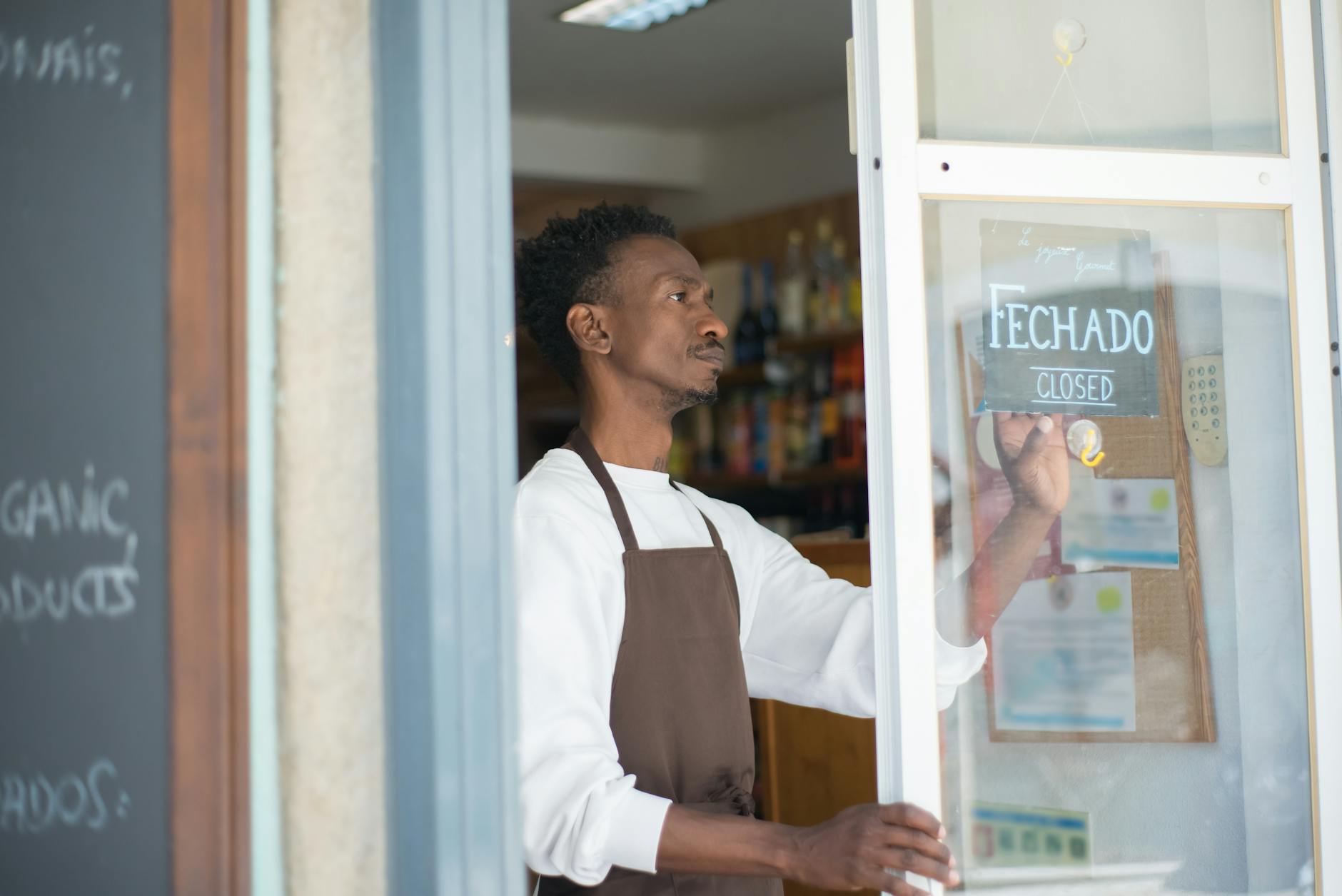
Why Waiting Lines Frustrate Customers
Customers do not judge a line only by minutes. They judge it by fairness, noise, and whether staff act like the wait matters. A 7-minute wait feels worse when nobody gives an update, because silence makes people assume the business forgot them.
The catch: A slow line feels longer when the customer cannot see progress. If 12 people stand ahead of them and only 1 register opens, every extra minute looks like proof that the business underplanned the rush. Tell people what is happening every 3-5 minutes, because a simple update cuts panic and keeps the wait from turning into a complaint.
Customers also compare themselves to other people in the room. If one family gets helped in 2 minutes while another waits 14, the second group reads that as disrespect, even if the staff worked hard. That is why line order matters so much. People will forgive a delay. They will not forgive a delay that feels random.
A concrete case makes this obvious. A community-college transfer student tries to finish a campus bookstore run before the fall registration deadline on August 15, with only 20 minutes between classes. If the line crawls for 9 minutes and staff never say whether the next cashier opens in 1 minute or 10, the student leaves without the notebook, charger, and printed packet. That is not just bad mood. That is a missed sale and a lost chance to help someone who already planned to buy.
Reality check: Short waits can still feel brutal when the business leaves people guessing. A 4-minute line with clear signs and steady movement often feels easier than a 2-minute line that stalls twice. That means queue management is not only about speed. It is about control, clarity, and the feeling that someone is paying attention.
How Waiting-Line Problems Lose Sales
Long lines do not just annoy people. They make people spend less. A shopper who enters a store ready to buy $75 worth of items may drop to zero after 8-10 minutes of waiting, because impatience kills impulse purchases first.
Restaurants see the same pattern. If a lunch counter takes 12 minutes to take an order and another 15 minutes to hand it over, customers start walking out or choosing a cheaper item. That means lost upsells, smaller tickets, and weaker repeat traffic. Track the number of walkouts during your busiest 2 hours, then fix the place where people bail.
Online-to-offline businesses get hit too. A customer may reserve a pickup order online, arrive at 5:30 p.m., then wait 11 minutes at the counter. By the time the staff reaches them, the customer has already decided not to add the extra drink, the warranty, or the second item. That is why a line can erase margin before a cashier even speaks.
Bottom line: The line often costs more than the discount. A store that saves $1 on labor but loses 6 sales in an hour makes a bad trade, and that trade shows up fast in daily revenue. Watch abandoned carts, walkouts, and abandoned pickup orders together, because they tell the same story from 3 angles.
A busy campus store at the University of Texas at Austin shows the point clearly. A student waits 18 minutes for a notebook and calculator, then leaves without buying either because the next class starts at 10:00 a.m. That one missed basket tells you the business did not just lose a sale. It lost the chance to serve a person who was already standing there ready to pay.
The Complete Resource for Queue Management
TransferCredit.org has a full resource page built for queue management — covering CLEP/DSST prep with chapter quizzes and video lessons, plus the ACE/NCCRS-approved backup course if you do not pass the exam. $29/month covers both, and credits transfer to partner colleges.
Explore Quant Reasoning Course →The Operational Costs Behind Slow Lines
Slow lines usually point to deeper business operations problems. Bad staffing at 11:30 a.m. creates a rush by noon, and weak process design turns that rush into a pileup. If 2 workers handle a peak of 40 customers an hour, one bottleneck can jam the whole front end.
Most managers blame labor first. That is lazy thinking. A faster line often comes from better flow, not just more bodies. If a store moves returns, pickups, and new sales through the same counter, one slow return can block 6 people behind it. Split the jobs, and the line can shrink without adding a single extra employee.
Worth knowing: The worst delay often hides before the line even starts. If a customer spends 4 minutes hunting for the right form, the right shelf, or the right kiosk, the business has already lost time. Fix the handoff points, because the line only reveals what the process already broke.
A concrete situation shows how this works. A homeschool senior trying to finish 3 CLEPs in one summer has maybe 5 hours a week after work and chores, so a 20-minute delay at each test-center step wrecks the plan. The same logic hits a business: if staff make customers repeat a form, re-enter a payment, or ask 2 separate employees the same question, the operation burns minutes in tiny chunks and then wonders why the lobby feels slow.
What this means: Measure the whole path, not just the cashier. A 90-second checkout means nothing if the customer spent 6 minutes waiting for the right screen to load. Businesses that track each handoff find the real choke point faster, and that usually beats hiring 1 more person with no process fix.
A Real Case From A Busy Campus Store
A student at the University of Texas at Austin waits 18 minutes at the campus bookstore, watches 2 other customers cut the line with quick pickup orders, and walks out without buying supplies. That is not a small miss. It shows how one slow peak can turn a normal 1-item stop into a lost sale, a bad mood, and a future choice to shop elsewhere.
- Peak times need extra coverage, because 18 minutes can erase a $25 basket fast.
- Single-line setups feel fairer than 2 messy lines that move at different speeds.
- Clear signs cut confusion in 30 seconds or less, which matters during class-change rushes.
- Short updates every 3-5 minutes keep patience alive longer than silence does.
How TransferCredit.org Fits
Frequently Asked Questions about Queue Management
The most common wrong assumption students have is that a longer line only hurts the people still waiting. It also hurts the people who never stop, because a 10-minute wait can push them to leave, complain, or buy from a faster competitor instead.
A 5-minute wait can feel short on paper and still lose you a sale if the customer is in a rush. If your queue management is slow at lunch, after school, or on a Saturday, people bail out fast and your register stays empty.
Start by timing customer waiting time at 3 points: arrival, first contact, and checkout. That gives you a real baseline, and it shows whether the choke point sits at the front desk, the payment station, or the staff schedule.
Most students add more signs or tell staff to 'work faster.' What actually works is matching staffing to peak hours, like 11:30 a.m. to 1:30 p.m., and using queue management rules that cut confusion before the line even forms.
What surprises most students is that a line can raise labor costs and still make customers mad. If business operations keep two workers busy answering the same basic questions, you get slower service, more mistakes, and more lost sales.
This applies to any business with in-person service, like banks, clinics, restaurants, and retail stores. It doesn't hit a fully automated online checkout the same way, but a 2-minute delay at login or payment can still drive people away.
They make the experience feel unfair, slow, and stressful. A 15-minute wait with no update feels worse than a 20-minute wait with clear signs, because customers can handle time better than silence and confusion.
If you get this wrong, you lose repeat business, and the damage spreads fast through complaints and bad reviews. One bad Saturday with a 25-minute line can wipe out the gain from a whole week of smooth service.
The most common wrong assumption students have is that the fastest worker fixes the line. One fast cashier won't save a broken queue management setup if customers still wait 12 minutes to order and 8 more minutes to pay.
A 3-minute wait feels normal in a quick-service spot, but 10 to 15 minutes starts to drive complaints and walkouts. Use that as your signal to change staffing, split the line, or move one task off the main counter.
Final Thoughts on Queue Management
Waiting lines punish businesses in 3 ways at once: they drive away customers, they shrink order size, and they expose sloppy operations. That is why a line is never just a line. It acts like a live stress test for staffing, timing, and respect. The nasty part is that customers do not need a huge delay to quit. A 6-minute stall can feel fine in one store and insulting in another, depending on updates, fairness, and flow. That means the fix starts with what people see, not just how many workers stand behind the counter. Businesses that win do a few plain things well. They forecast peaks, split jobs, and tell people what comes next. They also watch abandoned carts, walkouts, and repeat complaints as one signal, not three separate headaches. A line can either build trust or burn it. Pick the one that keeps people coming back, then measure the wait before customers do it for you.
How CLEP credits actually work
Ready to Earn College Credit?
CLEP & DSST prep + ACE/NCCRS backup courses · Self-paced · $29/month covers everything