
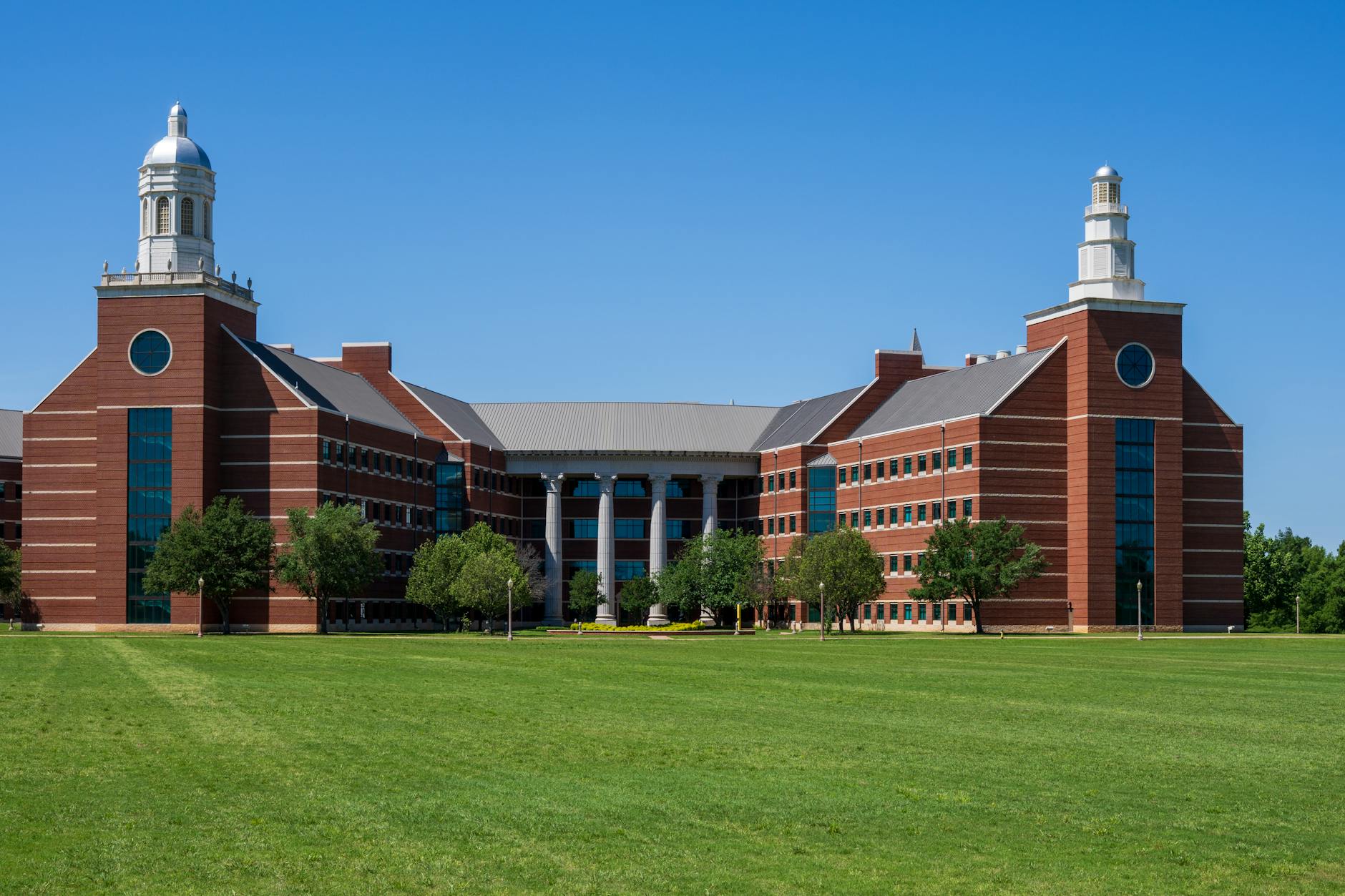
University of South Alabama does accept CLEP credits, and that can save you 3 to 6 credit hours per exam if you pick the right test. The catch is simple: passing CLEP does not mean every department will take the credit the way you want.
You need the school’s current rules, the right score, and a clean match to your degree plan. CLEP gives you a fast path, but it also punishes lazy planning. A 50 on the CLEP scale counts as a pass, and that means you should stop chasing perfect scores and start chasing the exact credit you need. If you waste one exam on a course that does not fit your major, you burn $93 plus a testing fee and lose time you could have used on a better match. This guide walks through the 5-step transfer process for South Alabama CLEP credits, from choosing the exam to checking that the credit lands on your record. You will also see where credit gets blocked, which matters because one bad pick can leave you with an official passing score and zero usable progress.
South Alabama’s CLEP Policy, Plainly Stated
University of South Alabama does accept CLEP, and that matters because one exam can replace a 3-credit class if the course match is right. South Alabama CLEP credits only help when the exam matches an approved course or elective slot, and the school can reject credit that does not fit the degree plan. That means the exam name matters as much as the score.
CLEP exams use a 20-80 score scale, and 50 is the usual passing mark. Use that number as your floor, not your finish line, because a pass only opens the door; it does not force the registrar to apply the credit where you want it. If you score 49, you get nothing. If you score 50, you still need the right course match.
Most CLEP exams are 90 minutes long, and that time limit should shape how you prep. Spend your study time on the topics that show up most often, not on trivia that looks smart but barely moves your score. A 35-year-old paramedic who studies after 12-hour shifts does not need a 12-week plan for one CLEP; 4 to 6 weeks with focused practice usually beats scattered reading.
South Alabama does not treat every exam the same, and that is where students waste time. A community-college transfer student who wants credit posted before fall registration needs to check the exam list, the score report timing, and the advisor’s approval window before taking the test. Miss that timing, and the credit can show up after the schedule is locked. That delay can push a student into a 16-week class they did not need.

Check Your Exam Against Degree Rules
Before you send a score anywhere, match the exam to a real South Alabama requirement. One bad match can turn a passing 50 into useless paper.
- Check the exact course number first. If CLEP maps to ENG 101 or HIST 201, that match matters more than the subject title.
- Ask whether the credit counts as lower-division or elective-only. A 100-level course often helps more than an elective that sits outside your major.
- Confirm the score floor for that exam before test day. CLEP uses 50 as the standard pass, but schools can set higher cutoffs for specific subjects.
- Look at your degree audit before you register. If the requirement already has AP, dual-enrollment, or transfer credit, CLEP may duplicate it.
- Check whether the credit needs to post before a deadline. A fall registration date, a scholarship review, or a graduation audit can all make timing matter.
- Read the department rule, not just the general catalog. Some majors accept the exam as an elective, while others block it from core requirements.
The Complete Resource for South Alabama CLEP
TransferCredit.org has a full resource page built for south alabama clep — covering CLEP/DSST prep with chapter quizzes and video lessons, plus the ACE/NCCRS-approved backup course if you do not pass the exam. $29/month covers both, and credits transfer to partner colleges.
Explore South Alabama CLEP →Send CLEP Scores the Right Way
The process is short, but every step matters. Get one part wrong and South Alabama may never see the score, even if you passed by 10 points.
- Take the CLEP exam and keep your unofficial score printout. CLEP uses a 20-80 scale, so save the result the same day.
- Confirm that your score hits the passing mark for the exam. For most CLEP tests, 50 is the number to beat, and that tells you whether to send the score or retake later.
- Have the College Board send the official score report to University of South Alabama. Use the school’s exact recipient name and code so the report lands in the right office.
- Wait for South Alabama to post the credit to your record. If the school lists a turnaround window, follow that timeline; if not, check your student portal after the score sends.
- Contact advising or records if the credit does not appear. Bring your test date, score, and course match so they can trace the issue fast.
When South Alabama Won’t Apply Credit
Credit gets denied for boring reasons, not dramatic ones. The top blockers are duplicate credit, a score below 50, or an exam that does not match a course South Alabama can use. That is why you should check the course code before you pay the CLEP fee and before you book a testing slot.
A 19-year-old transfer student who already earned 3 credits in freshman composition can waste a CLEP retake if the school sees the same course twice. A homeschool senior taking 3 CLEPs in one summer can also hit a wall if the exams only fill electives and the degree needs lower-division core classes. Timing matters here too, because a transcript that posts after a 10-day add-drop window can leave the student with credit that sits too late to change the schedule.
Reality check: Passing more CLEPs does not always mean more useful credit. That sounds backwards, but it happens all the time when students chase easy subjects and ignore degree rules. A 50 on the wrong exam helps less than a 55 on the right one.
Some limits are hidden in plain sight. If South Alabama caps how much CLEP can count toward a major or a degree, you need to spend your exam budget on the classes that free the most hours. Don’t hoard exams like they all pay the same; they do not.
Make Your CLEP Plan Work Faster
If you want South Alabama CLEP credits to pay off, start with the degree audit, not the exam list. A single 3-credit course mismatch can cost you $93 for the exam plus the chance to skip a class, and that is bad math. Build the plan around what your major still needs, what the school will actually post, and when your registration or graduation date hits.
- Pick exams that match 100-level requirements first.
- Skip any CLEP that only repeats credit you already earned.
- Use your registration date as the deadline, not the test date.
- Focus study time on one exam every 4 to 6 weeks.
- Check South Alabama course rules before you pay the CLEP fee.
If you want a cleaner path, use Introductory Psychology or US History I as a starting point when those courses fit your degree map. That keeps you from guessing, and guessing is what burns time.
Bottom line: Match the exam to the degree rule before you test, not after. Then check the transcript, because a fast score still means nothing if the credit never posts.

How TransferCredit.org Fits
Frequently Asked Questions about South Alabama CLEP
Yes, University of South Alabama accepts CLEP credits for approved subjects, but you still have to meet its current transfer rules and score cutoffs. CLEP exams use a 20–80 score scale, with 50 as the usual passing score, so send scores only after you confirm your exam matches USA’s policy.
Most students think any CLEP pass will clear a class, but South Alabama only awards credit for the exams it lists. That means a 50 on one CLEP can post fast, while another 50 can do nothing if USA doesn’t match it to a course.
Most students take the CLEP first and hope it transfers later. What actually works is checking USA’s CLEP table before you register, then choosing an exam that lines up with a course you need, like 3-credit general education credit.
Start by checking University of South Alabama’s current CLEP policy and course equivalency list. Then match your exam to the exact course, because a 3-credit class and a 1-credit lab do not work the same way.
CLEP costs $93 per exam through College Board, plus any test-center fee your site charges. Send scores only after you know the class is worth the price, because one 3-credit pass can save a full semester class and one bad pick wastes the fee.
If you send the wrong exam or miss the score rule, USA can reject the credit and you lose time, and maybe money too. A working student who has 6 hours a week for school cannot afford a second test just to fix a bad first choice.
This applies to current and incoming University of South Alabama students who want CLEP credit on their record, not to people trying to use CLEP as a fast substitute for every major class. It also doesn’t help if USA’s policy blocks that subject or if your program needs a higher-level course.
The most common wrong assumption is that a CLEP score of 50 always equals a finished class. At South Alabama, the subject has to match the school’s table, and some exams only cover lower-level credit, so check the exact course code before you test.
Yes, some South Alabama CLEP credits can fit general education needs, but only if USA lists that exam for the right course area. That matters because a 3-credit humanities pass helps a lot more than an exam that only fills an elective slot.
Most students think the score report alone finishes the job, but USA still has to post the credit after it reviews the exam and the course match. Send the official score only after you’ve checked the school’s current rules, because the 2026 policy can differ from old forum posts.
Most students cram first and check policy later. What actually works is picking the exact USA course, then using a prep source that matches that exam so you’re studying for the 90-minute CLEP format, not guessing at the content.
Start by comparing your target USA course with the CLEP exam on TransferCredit.org, then verify the school’s current rule before you register. That keeps you from wasting a $93 exam on a class that won’t post, and it gives you a cleaner path to transfer credit.
Final Thoughts on South Alabama CLEP
University of South Alabama does accept CLEP, but the school only gives you the benefit when the exam, score, and degree rule all line up. That is why the smartest move is not “take a CLEP and see what happens.” It is “pick the exact course you want to replace, then test for that.” Keep your eye on the score floor, the course match, and the posting timing. A 50 on the CLEP scale can save a semester class, but only if the credit lands where your degree audit needs it. If the credit posts as elective-only when you needed a major requirement, you still lose time. A lot of students make the same mistake: they test first and plan later. That order burns money. Start with the school rule, check the exam equivalency, and send the score only when you know it can move your degree forward. If you are trying to finish faster, move now. Pick the course you want to replace, verify the exam match, and set your test date with the registration calendar in front of you.
What it looks like, in order
Ready to Earn College Credit?
CLEP & DSST prep + ACE/NCCRS backup courses · Self-paced · $29/month covers everything