
Your degree can stall fast when a school marks 10 year old credits as expired, but that rule does not exist everywhere. Some colleges reject courses after 7-10 years, while others accept old credits with no age cap at all. The shock usually comes from one line in a registrar report, not from a campus-wide rule book. That is why the fix starts with proof. You need the exact rejection reason, because a course can fail for expiration, a missing prerequisite, or a transfer mismatch that has nothing to do with age. A biology lab from 2014 and a literature class from 2014 do not get treated the same way, and selective STEM programs tend to police the first one much harder. One blunt truth: old college credits expire only when a school says they do. Humanities credits almost never age out, and many social science credits stay valid for years, but science and tech courses can hit a 7-year or 10-year wall. If a nursing, engineering, or IT program blocks a class, treat it like a policy problem first and a course problem second. That order saves time, money, and a lot of guesswork.
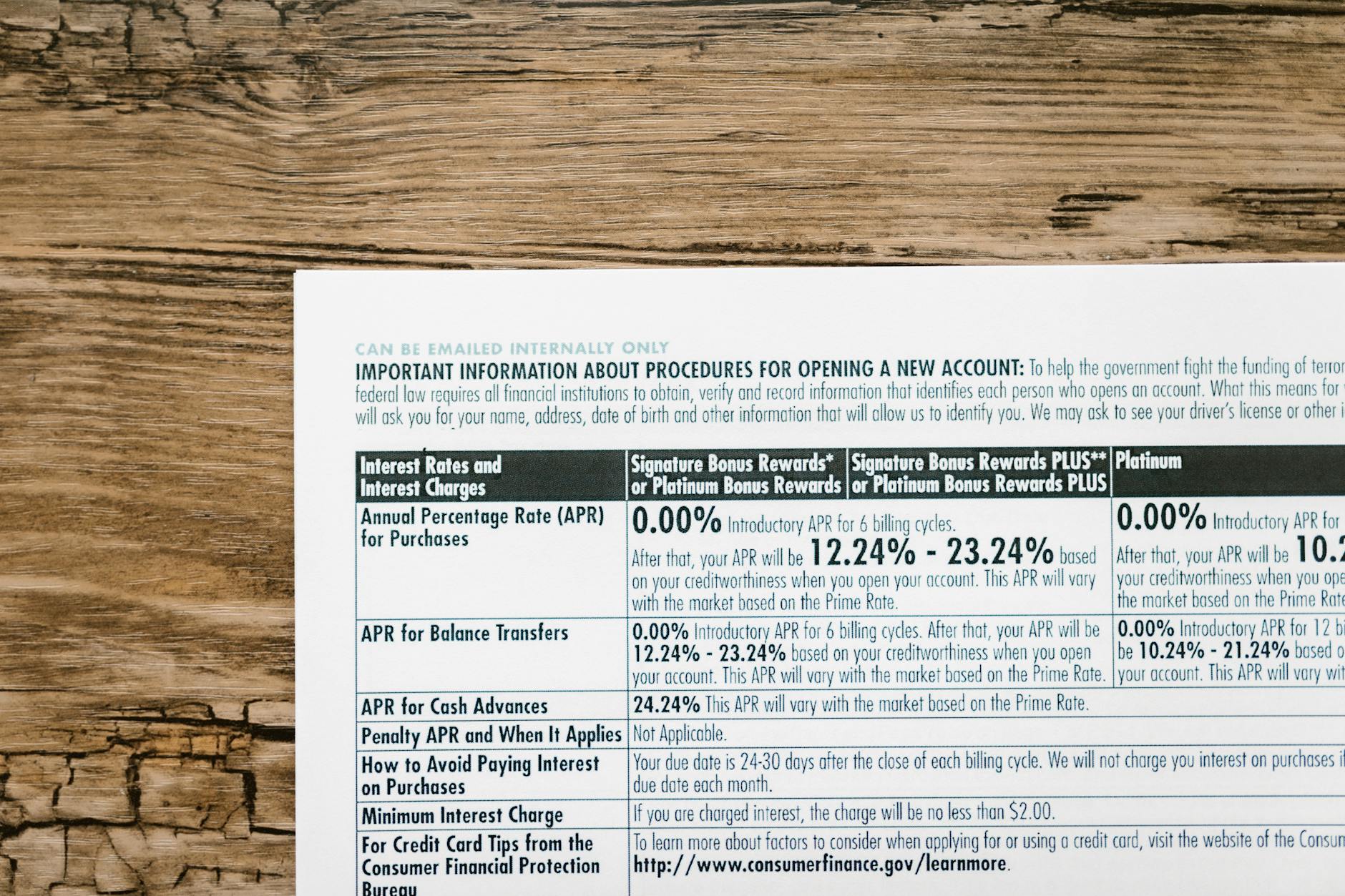
When Credits Really Start Expiring
Credit expiration is a school rule, not a national law. A selective STEM program may reject a 2015 chemistry course while a transfer-friendly school accepts the same class in 2026, and humanities courses often never hit an age cap. That is why one transcript can work at one school path and fail at another.
The common cutoff sits around 7-10 years for science, tech, and some health programs. If your school uses that window, do not guess—pull the policy and match it to the exact term on your transcript. A 2014 algebra class and a 2014 organic chemistry class do not trigger the same review, so check the subject before you panic.
The catch: A lot of students assume all old credits die together, but schools usually split them by subject. Mathematics rarely expires, and humanities or social sciences often stay valid past 10 years, while lab sciences, IT, and nursing coursework get reviewed hardest. That means a 12-year-old history course can still help your degree plan even when a 9-year-old biology course gets tossed.
Picture a community-college transfer student who wants to register for fall classes in 3 weeks. If the school flags a 2016 microbiology course today, the student needs to act before the registration deadline closes, because one rejected class can push a whole semester back. That same student may still keep English Comp I from the same year, which is why subject-by-subject review matters more than the age alone.
The ugly part is speed. A school can block 1 class, then block 4 more after the next review, so do not wait for the whole degree audit to shake out. Pull the policy, match the course age, and separate a true expiration rule from a simple transfer limit. If you see a 7-year or 10-year line in the catalog, use that number to check every technical course first, then save the older humanities credits for later review.
How to Read the Rejection Notice
The registrar report tells you more than the advisor email does. Look for course codes, term dates, and the reason line, because a rejection marked AC-OBSOLETE means the school treated the class as outdated, while a different code may point to prerequisite trouble or a transfer rule mismatch. One line can save you 2 weeks of back-and-forth.
Reality check: If the report only says “does not apply,” that does not tell you why. Ask for the full evaluation sheet and the exact reason code, then compare that code to the school’s published transfer policy before you file an appeal. A missing lab, a lower-level course, or a regional accreditation mismatch needs a different fix than true expiration.
A 35-year-old paramedic finishing a degree after night shifts might see a 2013 anatomy class rejected right next to a 2013 psychology class that still counts. That split tells you the problem sits in the subject rule, not the transcript age alone. The right move is to ask which course number failed, which degree slot it was meant for, and whether the school rejects 1 course or the whole subject block.
One thing people miss: the same report can hide 3 different problems in one page. If the note says AC-OBSOLETE, chase expiration; if it says prerequisite not met, chase course sequencing; if it says transfer limit exceeded, chase school policy. That is why you should never argue from memory when a written report exists.
The Complete Resource for Credit Expiration
TransferCredit.org has a full resource page built for credit expiration — covering CLEP/DSST prep with chapter quizzes and video lessons, plus the ACE/NCCRS-approved backup course if you do not pass the exam. $29/month covers both, and credits transfer to partner colleges.
See CLEP Membership →What to Do the Same Day
Start with paperwork, not emotion. A school can fix a bad evaluation in 24-72 hours if you give the right file, but it can drag for weeks if you only send a complaint email. Get the exact reason first, then build the response around that reason.
- Request the formal evaluation report and ask for the line that shows the rejection reason. If the office uses AC-OBSOLETE or a similar code, ask for the policy page that backs it up.
- Check the course age against the school’s cutoff, which often sits at 7 or 10 years for science and tech. Use that number to sort the transcript before you spend time on an appeal.
- Gather proof that the knowledge stays current, such as a job license, recent training, or employer letter from the last 12 months. This matters most for IT, business, and other skills that show up in day-to-day work.
- Ask whether a course-by-course substitution can rescue the degree slot before you re-enroll anywhere. A single substitute can save a full semester and a tuition bill that runs into thousands at many colleges.
- If the school will not budge, price out the fastest replacement path the same day. A CLEP or ACE-based option often takes weeks, while a full college class usually takes 1 full term.
When Appeals Can Save Credits
Appeals work best when the school sees current use, not just old classroom time. If you have 5 years of recent job proof, 1 certification, and a clean course match, your odds look better than a bare transcript. Weak files fail fast, so send only the facts that support the exact class.
- IT and business appeals land better when you show 1 recent certification, like CompTIA or a state license.
- A course finished in 2014 can still stand if your work logs show daily use over the last 12 months.
- Send employer letters on letterhead, not casual emails, and include dates, duties, and 1 manager contact.
- Schools often reject appeals that rely only on “I still know the material.” That claim has no paper behind it.
- If the class feeds a licensure rule in nursing, engineering, or accounting, the school may hold the line even with strong work proof.
- Appeals rarely save general education credits after a clear 7-10 year policy, so do not sink a week into a dead case.
- Business Law and Educational Psychology can matter when you need a cleaner substitute path and the old class will not move.
Fastest Ways to Replace Lost Credit
When a school will not accept the old class, the smartest move is not to retake 15 credits. Replace only the missing piece. A 3-credit course lost to expiration can often come back faster through CLEP or another ACE-evaluated option than through a full 15-week semester, and that difference matters if you need to register before the next term starts. A transfer-friendly school may also skip the age fight entirely, so the best move depends on whether you want speed or a new home for the degree.
- Retake the exact missing subject through CLEP if the school lists it on the equivalency chart.
- Use ACE-evaluated courses when the school accepts that credit source and the old class has no override.
- Switch to TESU, SNHU, Excelsior, or APUS if they keep most old credits alive.
- Do not rebuild the whole transcript when 1 expired course blocks the degree.
- Fast CLEP prep usually beats a full college class on time.
- Ethics in Technology can help when the stale course sits in a tech-adjacent slot.
- Match the replacement to the degree slot before you pay for anything.
Frequently Asked Questions about Credit Expiration
Yes, some schools can reject old college credits in the middle of a program, but the rule comes from the school, not from every college in the US. Many selective STEM programs set age limits around 7-10 years, while humanities and social science credits often stay usable much longer.
What surprises most students is that the course didn't disappear; the school just marked it as too old for that degree plan. You usually see this on a registrar evaluation report with a code like AC-OBSOLETE or a note that names the exact course and the reason.
A 10 year old credits issue usually shows up in the evaluation report, not in your transcript. Pull the report, look for each rejected class, and match the reason code to the course title before you spend money on new classes or appeals.
This applies to students at schools with age limits, and it does not apply the same way everywhere. Science, tech, and nursing programs often care about 7-10 year old credits, while math, history, English, and most humanities credits usually face fewer age rules.
First, request the formal evaluation report in writing and ask for the exact expiration reason. Then gather syllabi, job records, or certification proof if your work has kept the skill current, especially for IT or business classes.
If you get this wrong, you can waste one full semester and pay for classes you didn't need. A $1,500 to $5,000 bill can show up fast at many schools, and the fix gets harder once the degree audit locks in missing requirements.
The biggest wrong assumption is that old college credits expire everywhere after 10 years. They don't. TESU, SNHU, Excelsior, and APUS all have transfer rules that treat many old credits much more kindly than selective schools do.
Most students try to retake a full college class first, but that usually takes 8-16 weeks and costs far more than a CLEP or ACE-evaluated option. If the subject fits, use CLEP or another accepted alternative to recover expired credits faster.
No, humanities credits usually hold up better than science credits, and many schools never set an age limit on them. Biology, chemistry, nursing, and some computer courses get checked first, so start there when you review the audit.
What surprises most students is that the school can accept the transcript and still reject one course at the degree level. A class from 2012 can sit on your record for years, then fail the audit in 2026 because the program changed its rule.
A CLEP exam costs $93 plus a small test-center fee, and most CLEPs last 90 minutes with a 20-80 score scale and 50 as the passing mark. If your school accepts CLEP, that route often costs less and moves faster than a repeat class.
This applies to you if your school rejects older credits and you still need 30 or more credits to finish. It doesn't help much if you only need one final class, because changing schools can add transfer steps and delay graduation by a term.
Start by making a list of every rejected course, the reason code, and the age of each credit in years. Then compare TESU, SNHU, Excelsior, and APUS transfer rules before you pay for a retake, because older credits often fit better at those schools.
Final Thoughts on Credit Expiration
What it looks like, in order
Ready to Earn College Credit?
CLEP & DSST prep + ACE/NCCRS backup courses · Self-paced · $29/month covers everything