
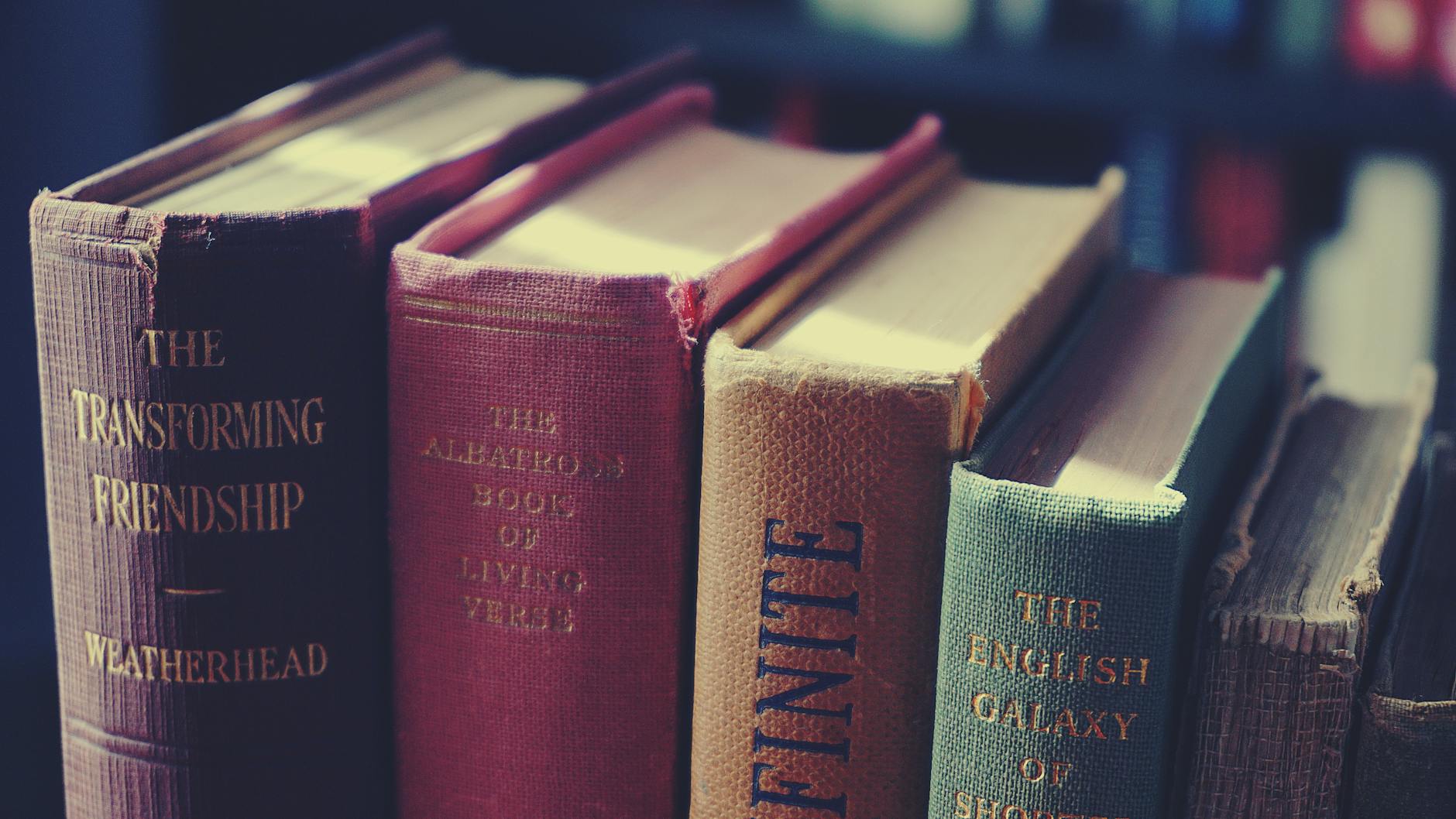
African American cultural history shows up in paintings, poems, songs, and novels because Black artists have often told the story that official records left out. From slavery to the civil rights era, creative work has carried memory, protest, faith, and pride in the same frame. That makes art a source, not just a decoration. A song, a sermon, or a novel can reveal how people lived under slavery, Jim Crow, migration, and urban life. It can also show how Black communities shaped their own language and symbols when the country tried to define them from the outside.
Students who read these works well start to see history as lived experience, not just dates. This matters in class because a painting from 1925 or a blues lyric from the 1930s can point to housing, work, violence, or hope without naming those forces directly. The trick is to ask who made the work, who heard it, and what historical pressure sits behind it. Once you do that, African American cultural history stops looking like a side topic and starts looking like a record of American change.
Why Black Art Carries History
Black creative work often acts like a second archive. A 19th-century spiritual, a 1920s poem, or a 1960s mural can preserve facts about forced labor, family separation, migration, and resistance that official records either ignored or softened.
Slavery shaped early Black expression through coded songs, oral storytelling, and religious imagery. After 1865, Reconstruction opened a short window for public freedom, and artists used that moment to claim citizenship, dignity, and education in print and performance. That means students should read post-1865 work for both hope and backlash.
Reality check: Most people treat art as a feeling first and a source second, but African American cultural history asks for both. A blues verse from the 1920s can point to tenant farming, a church hymn can carry loss from the Great Migration, and a novel from the civil rights era can show how segregation worked in daily life. Read the image, then read the pressure behind it.
A 35-year-old paramedic with 6 hours a week to study should not try to memorize every movement at once. Start with 3 anchor moments—slavery, the Great Migration after 1916, and the civil rights years of the 1950s and 1960s—then match each one to a song, poem, or painting that clearly reflects it. That gives the student a usable map instead of a fog of names.
Segregation also pushed artists toward coded language and sharper symbols. A double meaning in a poem or a jazz riff that bends the expected pattern can show how Black artists answered exclusion with style, wit, and control.

Harlem Renaissance as a Turning Point
The Harlem Renaissance burst into view in the 1920s, when writers, musicians, and painters turned Harlem into a center of Black modern life. That movement mattered because it joined art and race pride in the same public conversation, and it gave Black creators a larger stage in New York, Chicago, and beyond.
What this means: The movement was not one idea with one message. Langston Hughes, Zora Neale Hurston, Claude McKay, Duke Ellington, and Aaron Douglas all pushed Black identity in different directions, and that disagreement itself tells students something useful. Read the debate, not just the famous names.
The period also raised a hard question: should art serve politics first, or should it stay free to explore Black life on its own terms? That argument still matters because it shaped how later readers judged poetry, jazz, and painting. Students should look for both celebration and friction inside the same work.
A community-college transfer student facing a fall registration deadline in 4 weeks can use the Harlem Renaissance as a compact study unit. Start with 1920 to 1935, then tie one poem, one painting, and one jazz recording to racial pride, migration, and urban change. That keeps the unit concrete and stops it from turning into a blur of dates.
Harlem also changed how Black culture looked in public. The movement gave the country images of elegance, intellect, and modern style, but it did not erase poverty, labor limits, or racism in the wider nation.
Spirituals, Blues, and Musical Memory
Spirituals, blues, gospel, and jazz carry history in sound. Spirituals grew from slavery and religious life, blues took shape in the late 19th and early 20th centuries, and jazz and gospel added new forms of improvisation, call-and-response, and testimony.
These styles do more than describe pain. They show survival. A spiritual can hold coded hope, a blues line can turn hard luck into art, and gospel can turn worship into collective strength, which helps students see how Black communities made beauty under pressure.
Bottom line: Sound matters because performance matters. A singer’s timing, a bend in a note, or a repeated phrase can reveal meaning that a printed lyric hides, and that is why students should listen more than once. One recording from 1928 may sound simple on the surface and loaded underneath.
A homeschool senior taking 3 CLEPs in one summer has to budget time like a musician budgets breath. Spend 20 minutes on lyrics, 20 on historical context, and 20 on what changes between verses or choruses, then connect the piece to migration, church life, or labor. That method works because musical form and historical setting move together.
Later Black music kept that pattern alive. Soul, funk, hip-hop, and spoken word all pulled from earlier forms while responding to new pressures, from urban inequality to mass media and political change.
The Complete Resource for African American Cultural History
TransferCredit.org has a full resource page built for african american cultural history — covering CLEP/DSST prep with chapter quizzes and video lessons, plus the ACE/NCCRS-approved backup course if you do not pass the exam. $29/month covers both, and credits transfer to partner colleges.
Explore African American Studies →Reading Black Literature in Context
African American literature makes the most sense when you read it with the period beside it, not floating above it. A slave narrative from the 1840s, a 1930s novel, and a 21st-century essay all answer different pressures, and the reader needs a method that catches voice, audience, and purpose.
- Start with the date, the author, and the setting. If the text comes from 1861, 1925, or 1968, connect it to slavery, the Harlem Renaissance, or the civil rights era before you chase symbols.
- Find the speaker and the audience. Ask who talks, who listens, and whether the text speaks to Black readers, white readers, or both; that choice changes the tone fast.
- Track one symbol or image through the text. A repeated 3 times, a train, a road, or a color often points to migration, escape, or blocked freedom.
- Check the social issue next. If the text appeared during Jim Crow, after the 1930s Depression, or during the 1960s protests, tie the writing to that pressure instead of guessing at a vague theme.
- Finish by comparing 2 sources. Pair a novel with a speech, or a poem with a newspaper story, so you can see what the writer reveals that the outside source misses.
Visual Art, Protest, and Public Life
African American visual artists have used portraiture, collage, abstraction, murals, and photography to fight erasure and build new public images. Jacob Lawrence, Romare Bearden, Gordon Parks, Faith Ringgold, and Kerry James Marshall each used different forms, but all linked art to Black life and history.
Worth knowing: The form matters as much as the subject. A mural on a city wall reaches a different audience than a gallery painting, and a photograph from the 1960s civil rights era can document a march while also shaping how later viewers remember it. Students should ask where the work first appeared and who controlled that space.
A 28-year-old bus driver studying after a 10-hour shift can learn a lot from visual art by using a simple lens: subject, setting, and symbol. Spend 15 minutes on the image itself, then 15 on the date and place, then 15 on the historical event nearby. That keeps the analysis tight and stops the student from getting lost in vague praise.
Black artists also pushed against museums and schools that once treated them as peripheral. When a collage mixes newspaper clippings, family photos, and bold color, it often tells you that Black life belongs in the center of the national story, not at its edge.
How Students Connect Sources and Change
To study African American cultural history well, compare each creative work with the event it answers. A 1920s poem, a 1940s novel, or a 1960s song gains depth when you pair it with one speech, one law, or one news report from the same moment.
- Identify the work’s date and setting first, then match it to a historical event within 5 years.
- Ask what perspective the artist uses and what that view leaves out.
- Use one primary source and one secondary source together so you can test claims against context.
- Look for a shift in tone, image, or style when the social climate changes.
- Spot 2 viewpoints in the same era.
- Connect art to one 1916, 1920s, or 1960s change.
- Use symbols, lyrics, and images as evidence.
- Explain how identity and history shape each other.

How TransferCredit.org Fits
Frequently Asked Questions about African American Cultural History
Start by tying the work to a dated event, a place, or a movement like the Harlem Renaissance of the 1920s. African American artists often turned slavery, Reconstruction, segregation, migration, and the civil rights era into stories, songs, and images that show memory, pain, pride, and resistance.
This applies to you if you're studying African American cultural history, US history, literature, music, or art, and it doesn't fit a narrow reading that treats Black culture as one single voice. You need to compare at least 2 sources, like a poem from Langston Hughes and a blues song from Bessie Smith, because they can reflect different class, gender, and regional views.
Most students memorize titles and dates, but what works is linking form to history. If you see spirituals, ask how 19th-century slavery shaped coded hope; if you see Harlem Renaissance writing, connect it to the 1910s-1930s Great Migration and new Black urban life.
3 big anchors are enough: spirituals and blues, the Harlem Renaissance, and 20th-century protest art. Use that frame to track change across about 100 years, from antebellum slavery through the civil rights era, instead of trying to memorize every artist you've ever heard of.
Most students expect protest art to sound angry, but a lot of it sounds joyful, elegant, or deeply personal. A 1920s poem, a gospel piece, or a Romare Bearden collage can show survival and style at the same time, which makes the history feel lived in.
If you miss the context, you can misread resistance as entertainment and turn a survival song into just a nice melody. That mistake matters in class discussions, because a 1930s blues lyric or a 1960s protest poem often responds to jobs, violence, segregation, or migration.
The biggest wrong assumption is that every African American work speaks for all Black people. It doesn't. A Harlem Renaissance novel, a Delta blues recording, and a Black Arts Movement poem can all come from different regions, decades, and political goals.
A good reading starts with the title, date, and medium, then moves to who made it and what was happening around it. If a work comes from 1925, 1965, or the 1930s, connect it to Harlem, civil rights, or the Great Depression before you talk about tone.
Check for names, places, jobs, and images that match a real period. A migration story, a train, a church, a chain gang, or a city street can point you to African American cultural history tied to the Great Migration, Jim Crow, or urban life in the North.
This applies to you if you're reading Black literature, listening to spirituals or blues, or studying visual art in an African American cultural history unit, and it doesn't apply if you treat every source as a pure fact report. A novel, song, or painting can tell truth through feeling, symbol, and point of view.
Most students compare only the message, but what actually works is comparing message, medium, and moment. A 1920s jazz poem, a 1930s photograph, and a 1960s protest song can all speak about identity, yet each uses different tools to do it.
Final Thoughts on African American Cultural History
African American cultural history shows that art does not sit outside history. It helps make history visible. A spiritual can carry memory from slavery, a Harlem Renaissance poem can argue over Black modern life, and a photograph from the civil rights era can freeze a protest in a single frame while still speaking to today. That is why students need more than memorization. They need context, comparison, and a habit of asking who the work served and what pressure shaped it. A song from 1930 and a novel from 1965 can both speak about freedom, but they do not speak from the same world, and that difference matters. The best reading habit starts small. Pick one work, name its date, link it to one event, and ask what identity it claims or resists. Then move to another source and test whether the same story holds up from a different angle. A strong analysis does not just spot a theme. It shows how art, history, and identity keep changing each other, and it leaves you ready to read the next source with sharper eyes.
How CLEP credits actually work
Ready to Earn College Credit?
CLEP & DSST prep + ACE/NCCRS backup courses · Self-paced · $29/month covers everything