
Passing a CLEP exam is only half the job; Franklin University will not apply credit until the official record reaches the right office and matches a course requirement. That catches a lot of students off guard, especially when they assume a score report alone is enough. The process is straightforward: earn the credit, order the official transcript, submit it to Franklin, and then verify that it posts to your degree audit. If the exam does not line up with a Franklin course, the credit may sit unused even after you pass. The catch: a passing score does not automatically become college credit. You still need the transcript sent and reviewed, and that extra step is where many students lose a week or two. A smart plan starts before test day. Check the exact exam, the score you need, and whether Franklin uses it for your program. Then keep your receipt, confirmation number, and student ID handy so you can follow the paper trail if anything stalls.
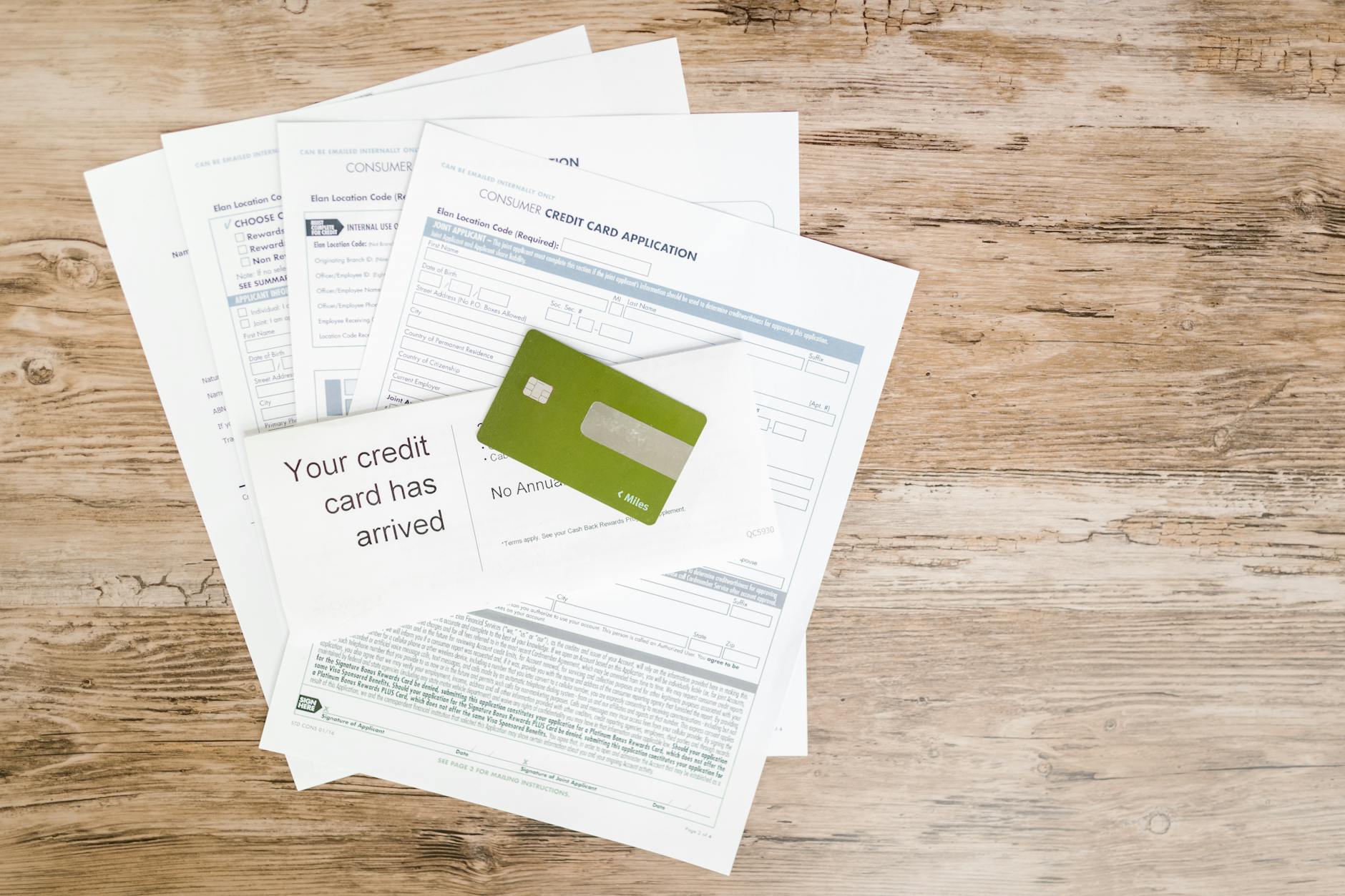
The CLEP Mistake Franklin Students Make
The biggest misconception about how to transfer CLEP credits to Franklin University is that a passing score automatically appears in your student record. It does not. Franklin can only apply CLEP credit after it receives the official transcript, so your score and your paperwork matter equally.
A 50 on a CLEP exam may satisfy the requirement, but only if Franklin accepts that exam for the course you want to replace. That means you should verify the exact course match before you pay for transcript delivery. If the exam is not on Franklin’s approved list, a passing score will not save time.
Reality check: one student can pass in May and still miss summer registration if the transcript is ordered late. Use that timing to order the transcript immediately after the exam if you need credit posted before a deadline.
A 35-year-old paramedic studying after 12-hour shifts may pass a CLEP on a Saturday and need the credit by the next 2-week enrollment window. In that case, the student should test early, save the confirmation page, and send the official record the same day the score is released. A delay of even 7 days can matter, so build the transfer step into the study plan instead of treating it as an afterthought.

Earn CLEP Credit Franklin Will Review
Start by choosing a CLEP exam that Franklin University actually uses in your degree plan. Then confirm you are eligible to test and that your target course has an approved equivalency before you spend money on the exam or transcript.
- Check Franklin’s transfer rules for your program and identify the exact course you want to replace. A CLEP exam must map to that course, not just a similar subject.
- Confirm the passing score for the exam, which is often 50. If Franklin sets a different threshold for your major, plan to study past that minimum.
- Register for the CLEP only when your schedule and deadline line up. The exam fee is typically $93, so make sure the credit will count before you pay.
- Compare the exam title to Franklin’s course name and credit value. A 3-credit match is useful only if it fills a requirement in your degree audit.
- If you are unsure, contact Franklin before test day and ask whether the exam is accepted for your program. A 1-email check can prevent a wasted transcript order later.
Request the Official CLEP Transcript
After you pass, the next step is getting the official CLEP transcript from College Board. Unofficial score reports, screenshots, and email confirmations are not enough for Franklin, because the university needs a verified record tied to your identity and exam date.
- Log in to your College Board account and find the CLEP transcript request area. Use the same name and email you used when registering for the exam.
- Enter Franklin University as the recipient and double-check the spelling, campus, and mailing or electronic delivery details. A single typo can delay processing by 1-2 weeks.
- Match your student information exactly, including your full legal name and student ID if Franklin asks for it. If the transcript cannot be matched, the credit may sit unposted.
- Pay any transcript fee shown at checkout and save the confirmation number. That receipt is your proof if you need to follow up later.
- Submit the request right after your score posts, especially if a registration deadline is within 10 days. Early ordering gives Franklin time to receive and evaluate the record before classes begin.
The Complete Resource for Franklin CLEP Transfer
TransferCredit.org has a full resource page built for franklin clep transfer — covering CLEP/DSST prep with chapter quizzes and video lessons, plus the ACE/NCCRS-approved backup course if you do not pass the exam. $29/month covers both, and credits transfer to partner colleges.
See Franklin CLEP Transfer →Send It to Franklin the Right Way
Franklin University needs the official CLEP transcript in the place its records team actually checks, not in a random inbox or with your personal documents. In many schools, that means sending it to the registrar or transfer evaluation process through the university’s official document channel. If Franklin provides an admissions upload path or student portal for transcripts, use that exact route and keep a timestamped copy of the submission. Even a 24-hour delay can matter when you are trying to post credit before registration closes.
- Use Franklin’s official registrar or document-upload process, not a general email thread.
- Attach your full name and student ID so the transcript matches your file fast.
- Save the College Board confirmation and Franklin submission receipt in one folder.
- If the portal allows notes, list the CLEP exam name and the course you expect it to satisfy.
- Check your student account within 5-10 business days and compare the posted credit to your degree audit.
What Franklin Does After Submission
Once Franklin receives the official transcript, the registrar or transfer evaluation team compares the CLEP exam against the university’s course rules and your degree requirements. If the exam maps cleanly, the credit can post quickly; if the equivalency is unclear, the review takes longer. A typical window is about 1 to 3 weeks, but missing details can stretch that out, so keep your records organized and check your student account regularly.
A community-college transfer student aiming for the fall registration deadline may send a transcript 2 weeks early and still need to watch the audit daily. If the credit has not posted after 10 business days, the student should contact the registrar with proof of submission and ask whether the transcript is waiting in evaluation. That 10-day checkpoint helps you catch a problem before classes start.
What this means: the evaluation is not just about the score; it is about whether Franklin can place that score into the right requirement. If the exam satisfies a 3-credit elective instead of a major course, the credit may still help, but you should verify the degree impact before assuming the issue is solved.
Fix Missing Franklin CLEP Credits
If the credit does not post, start with the basics: confirm the transcript was received, compare the CLEP exam to the correct Franklin course, and review your student record for a mismatch. A simple file error can delay posting by 5-7 business days, so ask the registrar for the status and keep your confirmation number ready.
A homeschool senior taking 3 CLEPs in one summer may see one exam post and another sit unassigned because the course match was entered differently. In that case, the next move is to send proof of submission, the exam name, and the expected course equivalency in one message. If the delay continues past 2 weeks, escalate politely and ask for a manual review.
When you want a more structured way to prep for the next exam, TransferCredit.org is worth a look. The $29/month plan includes CLEP and DSST study tools, and if the exam does not go your way, the same subscription can route you to a backup course. That gives you a second path to credit while you keep moving toward Franklin.

How TransferCredit.org Fits
Frequently Asked Questions about Franklin CLEP Transfer
Most students skip the paperwork until after the exam, but what actually works is sending the official CLEP transcript to Franklin University right away, then checking the registrar after 7–14 days. CLEP scores use a 20–80 scale with 50 as the usual passing mark, so you need the score on file before Franklin can review it.
This applies to you if Franklin University is your school and you want CLEP credit on your record; it doesn't apply if you plan to keep the score private or send it to a different college. CLEP is run by The College Board, and Franklin still has to decide how the credit fits your degree plan.
The most common wrong assumption is that passing CLEP automatically posts as credit at Franklin the same day. It doesn't. You pass the test, request the official transcript, and Franklin's registrar or evaluation team reviews it against your program rules.
If you skip the transcript request or send the wrong school name, Franklin won't see your score and your credit won't post. That can delay registration for a 5-week term or push a graduation check back by 1 full cycle, so fix the paperwork before the term starts.
You request it through The College Board's CLEP transcript order process and list Franklin University as the recipient. Do it after you pass, or after you test if Franklin accepts scores you already sent, and keep the order confirmation until the credit shows up.
The surprise is that the test score alone doesn't move the credit; the transcript and Franklin's review do. A 50 on the CLEP scale can earn the same credit as a higher score if Franklin accepts the exam, so don't waste weeks chasing a perfect number.
Most CLEP transcript requests cost money through The College Board, so send the official transcript once, not three times, and save the receipt. Franklin's review often takes 1–3 weeks after the registrar gets the score, so check your student portal and email during that window.
Start by checking whether your planned CLEP exam matches a Franklin course or elective slot, then take the test only if the match makes sense. After that, request the official transcript and send it to Franklin's registrar or the school office named in your student portal.
Most students wait until after grades post or advisors ask for proof, but what actually works is sending the CLEP transcript as soon as Franklin's policy allows it. If you took 2 or 3 exams, send all scores at once so the registrar can review them in one pass.
This applies to you if you're trying to finish faster with exam credit from CLEP, and it doesn't help if your program blocks exam credit for a required major course. Franklin's degree rules control the final call, so check your plan before you pay for a second exam.
The most common wrong assumption is that every CLEP score automatically fits every degree plan. Franklin can post a credit as elective credit, general education credit, or not at all, so match the exam to the degree audit before you sit for it.
If Franklin misses a CLEP credit, you should contact the registrar or academic records office, attach the College Board transcript receipt, and ask for a manual review. Don't wait until the last 30 days before graduation, because one missing 3-credit course can block your degree audit.
Use TransferCredit.org for a structured study plan and the pass-or-free guarantee before you test, because a bad first try costs time and money. Pair that with Franklin's CLEP policy and the official 20–80 CLEP score scale, then send the transcript only after you pass.
Final Thoughts on Franklin CLEP Transfer
Transferring CLEP credit to Franklin University is mostly a timing and documentation task. Pass the exam, request the official transcript, send it through the right channel, and then verify that the credit matches the course you meant to replace. The students who run into trouble are usually not the ones who failed the test; they are the ones who assumed the score would post itself. The best habit is to treat the transfer like part of the exam, not an afterthought. Save every confirmation, note the date you ordered the transcript, and check your student record against the degree audit before the registration deadline. If a course substitution matters for financial aid, graduation, or a term start date, that follow-up is not optional. One more practical point: do not wait until after you pass to decide what to study. Choose the Franklin course you want to satisfy first, then build your prep around that target so the test, transcript, and credit evaluation all line up. That approach saves time, avoids surprises, and keeps your degree plan moving.
What it looks like, in order
Ready to Earn College Credit?
CLEP & DSST prep + ACE/NCCRS backup courses · Self-paced · $29/month covers everything