
A CLEP score of 50 can save you a whole 3-credit class, but only if Granite State College records it the right way. That means you need the exam, the official score report, and the school’s own transfer process lined up before assuming anything has posted. If you are trying to finish faster, CLEP can help a lot. The College Board administers the exams, most CLEPs use a 20–80 score scale, and 50 is the standard passing mark. That score matters because Granite State College will look at the official report, not your memory of the test day. A lot of students skip that part and lose a week or two chasing paperwork they could have sent on day one. The smart move is simple: confirm the school accepts the exam you plan to take, pass it, send the official score report, then watch your student record for the credit to post. A community-college transfer student who needs an English credit before a fall registration deadline and a working adult with 5 study hours a week do not need the same prep plan, but they both need the same paperwork trail. One sloppy step can slow the whole thing down.
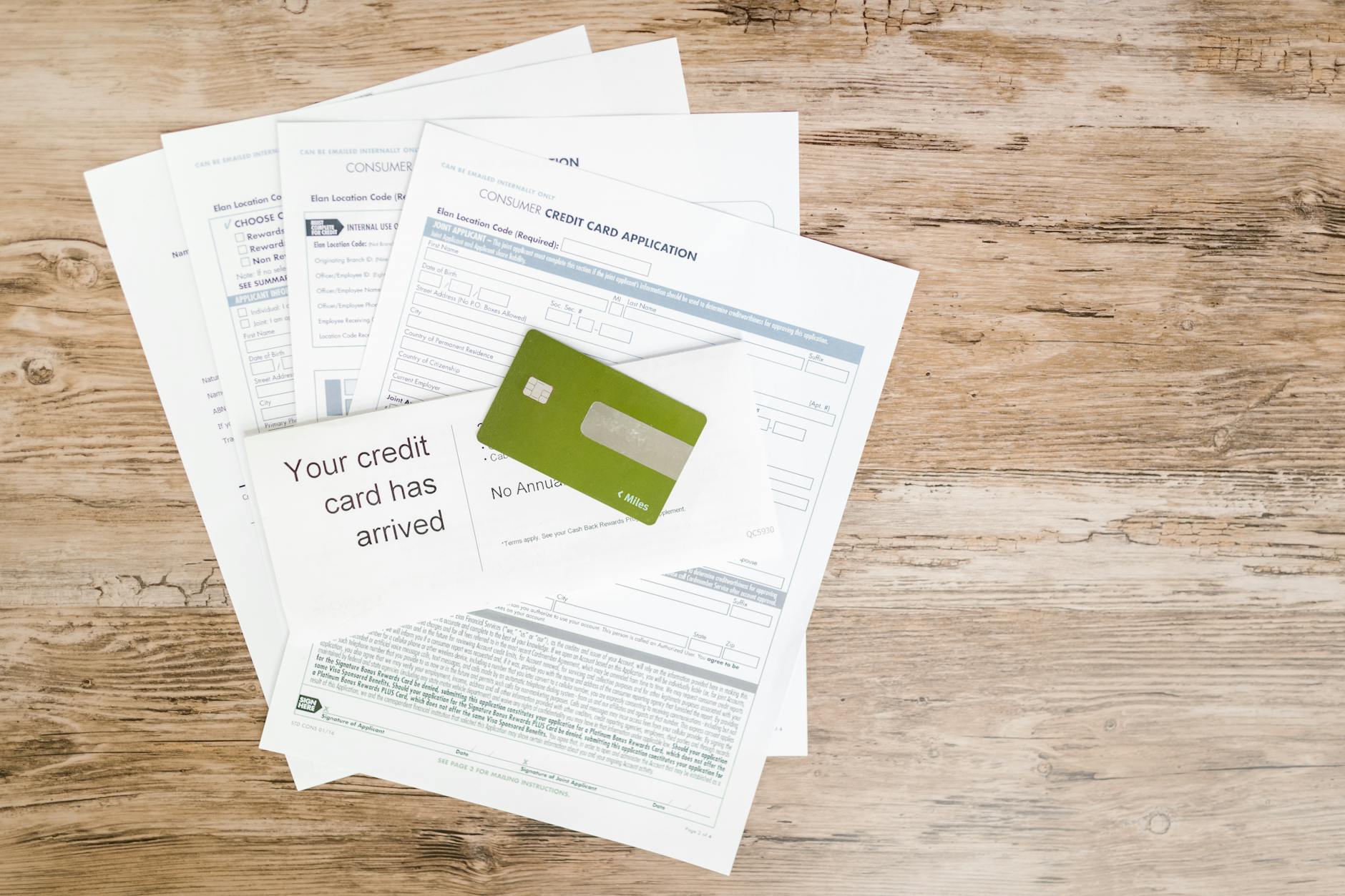
Check Granite State's CLEP Rules First
Start with Granite State College’s current CLEP policy before you sit for anything. Colleges change transfer rules, degree maps, and credit caps, and a rule from last semester can disappear by the next catalog year. CLEP itself uses a 20–80 score scale, with 50 as the standard passing mark, so your first job is to confirm that Granite State will award credit for the exact exam you plan to take.
Some schools accept CLEP only for general education, while others block it in major courses or upper-division requirements. That matters because a 3-credit elective saves you time; a blocked major course saves you nothing. The catch: A score of 50 does not magically fit every degree plan, so check whether the exam lands as elective credit, general education, or a specific course substitution before you pay for the test.
A 35-year-old paramedic with 4 hours a week after night shifts should not start with a random exam just because it sounds easy. That person needs to match the CLEP to a requirement first, then study for 6 to 8 weeks instead of chasing a score that posts nowhere useful. A homeschool senior trying to finish 3 CLEPs in one summer faces the same rule: the school’s transfer limit matters as much as the score itself.
Policy pages also change the fine print on grade rules, residency, and how many credits the school will apply from exam sources. If Granite State sets a 30-credit ceiling for exam-based transfer, plan your degree map around that number instead of assuming every passing score will count. Check the exact Granite State College page or catalog entry before you register, then write down the exam name, the target course, and the credit value you expect.
Worth knowing: Most students fixate on passing the exam, but the bigger risk is earning credit that sits outside the degree plan, so verify the fit first and the score second.

Earn the CLEP Credit You Need
Choose the exam only after you match it to a real requirement. The College Board offers CLEP exams across subjects like composition, history, psychology, and business, and you should pick the one that lines up with a course you need or an elective slot you actually have.
- Check Granite State’s degree plan and find a course or elective that CLEP can replace. If the exam does not map to a 3-credit slot, skip it.
- Register for the CLEP exam through the College Board and pay the exam fee, which is usually $93 plus any test-center fee. That price matters because a $93 exam makes sense only when it saves you at least 3 credits you would otherwise buy with tuition.
- Set a prep schedule you can keep. A student with 5 hours a week should plan 4 to 6 weeks for one exam, while 10 hours a week can shrink that window.
- Use a score goal of 50, not perfection. Passing at 50 gets the same credit outcome as an 80, so stop pouring time into tiny details once practice tests show you can cross the line.
- Take the exam and wait for the score report from the College Board. Most CLEP exams use 90 minutes of testing time, so practice answering on a clock, not just reading notes.
Granite State CLEP details can help you line up the right exam with the right course. Reality check: A perfect score does not buy extra credit at most colleges, so a student who already clears 50 should stop polishing and start sending transcripts.
Request Your Official CLEP Transcript
Granite State will only evaluate an official CLEP score report, not a screenshot, email, or test-day printout. The College Board handles CLEP score reporting, so you need the official recipient path set up before you expect anything to post. If Granite State lists a specific office name or code on its transfer page, use that exact destination; if the page leaves out the code, verify the current recipient before you order the report.
Most delays come from one of three mistakes: the wrong school name, the wrong recipient code, or a transcript request sent before the exam score posts. A 50 score only helps once the College Board has recorded it and sent it to the right place, so order the report after the score appears in your College Board account. If you took 2 CLEP exams in one month, send both through the official channel rather than trying to bundle your own records.
A community-college transfer student who takes a CLEP in early July and needs credit before August registration should not wait to check the score report status. That student should confirm the College Board transcript shows Granite State as the recipient, then save the order confirmation and the exam date in a folder. If the school asks for a paper copy or a second electronic route, use the school’s current directions, not an old message from last year.
Keep the official report tied to the same name and student ID you use at Granite State. A hyphen, a middle initial, or a mismatched date of birth can slow matching on the registrar side, and that kind of clerical snag wastes days you do not get back.
The Complete Resource for Granite State CLEP Transfer
TransferCredit.org has a full resource page built for granite state clep transfer — covering CLEP/DSST prep with chapter quizzes and video lessons, plus the ACE/NCCRS-approved backup course if you do not pass the exam. $29/month covers both, and credits transfer to partner colleges.
See Granite State CLEP Path →Submit Everything to Registrar Services
A complete submission matters because one missing item can leave a 3-credit exam sitting in limbo for 2 or 3 weeks. Granite State College’s registrar or student records office needs the official CLEP score report plus any transfer paperwork the school requires, and the school’s own portal or form name should guide the upload or mail step. If the college uses an online student portal, send everything there; if it uses a registrar email or paper form, follow that route exactly. The goal is simple: give the office one clean packet, not a scavenger hunt.
- Save your College Board order confirmation and exam date in a PDF or screenshot.
- Attach your Granite State student ID on every form or message.
- Keep the official CLEP score report recipient name exactly as Granite State lists it.
- Save copies of every file for at least 1 semester, or until the credit posts.
- If the school names a registrar portal, use that portal instead of sending duplicate emails.
Granite State transfer steps are easier when you keep one folder for the exam, the score report, and the submission receipt. A single missing attachment can turn a 1-day upload into a 10-day delay.
Watch the Evaluation Timeline Closely
After Granite State receives the official report, the registrar checks it against the degree audit and posts the credit where it fits. That process often takes 1 to 4 weeks, and the clock starts when the school gets the report, not when you hit submit on your side. If the credit takes longer, the delay usually comes from the transcript queue, a missing student ID, or a course match that needs manual review.
Bottom line: A CLEP score does not earn credit on its own; the school has to place it in the right slot, so watch the audit instead of assuming the job is done. If the credit lands as an elective when you expected a general-education course, contact the registrar with the exam name, score date, and the course you believe it should replace. If nothing appears after 4 weeks, ask whether the official report arrived and whether the record shows your current legal name.
A homeschool senior who sent 3 CLEPs in June and wants them posted before fall registration should check the student portal twice a week, not once a month. That student has a short window, and a 2-week delay can push a class choice into the next term. Keep every confirmation number, because a clean paper trail makes the follow-up much faster.
Delays are normal when the school reviews transfer credit by hand, but silence is not the same as progress. If the registrar says the report arrived but the credit still sits in review after 30 days, ask for the next step in writing and save that reply.
Fix Credit Errors Before They Cost You
If the credit does not post right, move fast. A 3-credit mistake can block registration, shift a graduation plan by 1 term, or force you to retake a class you already passed on paper.
- Email the registrar or student records office with your student ID, exam name, and CLEP score date.
- Resend the official College Board report confirmation if the first copy went to the wrong recipient.
- Ask whether the credit is waiting in the degree audit or stuck in manual review.
- Compare the posted course title with the Granite State catalog entry, not just the credit total.
- If 2 weeks pass with no reply, escalate to the registrar supervisor or academic advising office.
- Keep every message and receipt in one folder until the credit posts.
A student who needs the credit for a spring registration deadline should not wait for a vague promise. Ask for a written status update, then check the portal again in 3 to 5 business days.
If you want a cleaner prep path next time, a structured plan can save hours. TransferCredit.org offers $29/month CLEP and DSST prep with chapter quizzes, video lessons, and practice tests, plus an ACE-recommended or NCCRS-recognized backup course if you fail the exam. That dual-path setup matters because you still walk away with credit either way. Granite State prep support through TransferCredit.org can make the next attempt less messy.

How TransferCredit.org Fits
Frequently Asked Questions about Granite State CLEP Transfer
If you skip the official transcript or send it to the wrong office, Granite State College can delay or miss your CLEP credit review, and that can push back registration for a term. CLEP scores use a 20-80 scale with 50 as the usual passing score, so you need the score record and the right destination on file.
Most students think a passing CLEP score automatically lands in their Granite State record, but the school still has to receive an official score report and run its own evaluation. CLEP is administered by The College Board, and most CLEP exams last 90 minutes, so the credit part starts after the test, not during it.
This applies to you if you earned a CLEP score through The College Board and want Granite State College to review it for degree credit; it doesn't apply if you only took a practice test or sent an unofficial score screenshot. Granite State College, like other USNH schools, checks official records tied to your student file.
You request the official CLEP score report through The College Board, then send it to Granite State College's registrar or admissions office if the school directs you there. If you're still testing, choose the school recipient before you finish the exam, because official reporting moves faster than a later paper request.
Most students wait until after they finish several exams, but what works better is sending each official CLEP score report soon after you test. That keeps one 90-minute exam from sitting in limbo while you wait on a stack of 2 or 3 scores at once.
The biggest wrong assumption is that every CLEP exam counts the same way at every school, but Granite State College reviews credit by course match, degree plan, and current policy. A 50 on a CLEP exam opens the door, but the registrar still decides how it fits your program.
Start by checking that your CLEP score is official and that you know the exact Granite State College recipient name in the College Board system. Then match the exam to your degree plan before you send anything, because a 3-credit course match only helps if it fits a requirement.
The evaluation can take about 1 to 3 weeks after Granite State receives your official score report, though the timing changes with term start dates and office volume. If you need the credit for registration, send the score report before the last 2 weeks before classes start.
If you don't follow up, a missing or misfiled CLEP score can sit in your record and block the credit from posting. Check your student account or registrar contact after 1 to 2 weeks, then ask whether the score arrived under your full legal name and student ID.
Most students think one email fixes everything, but the smart move is to keep your College Board confirmation, your test date, and your Granite State contact date in one place. That matters when you're trying to trace a 1-credit, 3-credit, or 6-credit evaluation that didn't post right.
This applies to you if you want a structured CLEP study plan before you test and you like a pass-or-free guarantee; it doesn't apply if you've already earned the credit and only need transcript posting. TransferCredit.org can help you study in a focused way, then you can send the official College Board score report to Granite State College.
Final Thoughts on Granite State CLEP Transfer
CLEP transfer works best when you treat it like a paperwork chain, not a gamble. You pick an exam that fits Granite State College’s degree plan, you pass it, you send the official College Board report, and you watch the credit land in the right place. Each step looks small. Together, they save real time. A lot of students lose days because they assume the score alone will do the job. It will not. The registrar has to match the report to your record, the degree audit has to place the credit correctly, and any mismatch in name, course code, or recipient can slow the whole thing down. That is annoying, but it is fixable if you keep your confirmations and check the portal with purpose. If you are timing CLEP around a fall registration date or a spring graduation plan, start earlier than feels necessary. A 2-week buffer helps, and a 4-week buffer helps more. Keep your exam receipt, your score report confirmation, and your student ID in one folder. From there, the move is simple: choose the exam, send the report, and follow up if the credit stalls.
What it looks like, in order
Ready to Earn College Credit?
CLEP & DSST prep + ACE/NCCRS backup courses · Self-paced · $29/month covers everything