
A passing CLEP score can save a full semester, but UIS will not post anything until the exam, the transcript, and the course match all line up. If you want credit at University of Illinois Springfield, start with the score, then send the official record, then watch the transcript review in your student file. The part people miss is simple: CLEP does not equal automatic credit. UIS only posts the exams it accepts, and it only applies them where the course fits your degree plan. That means a 50 on College Composition might help one student and do nothing for another if the program already filled that slot. Check the UIS transfer policy before you test, because a good score on the wrong exam wastes time. A community-college transfer student who wants to register for fall classes by August 1 needs to work backward from that date. Take the exam early, request the official transcript right after the score posts, and leave time for review. A homeschool senior trying to stack 3 CLEPs in one summer should do the same thing, only faster. The exam score matters, but timing matters too.
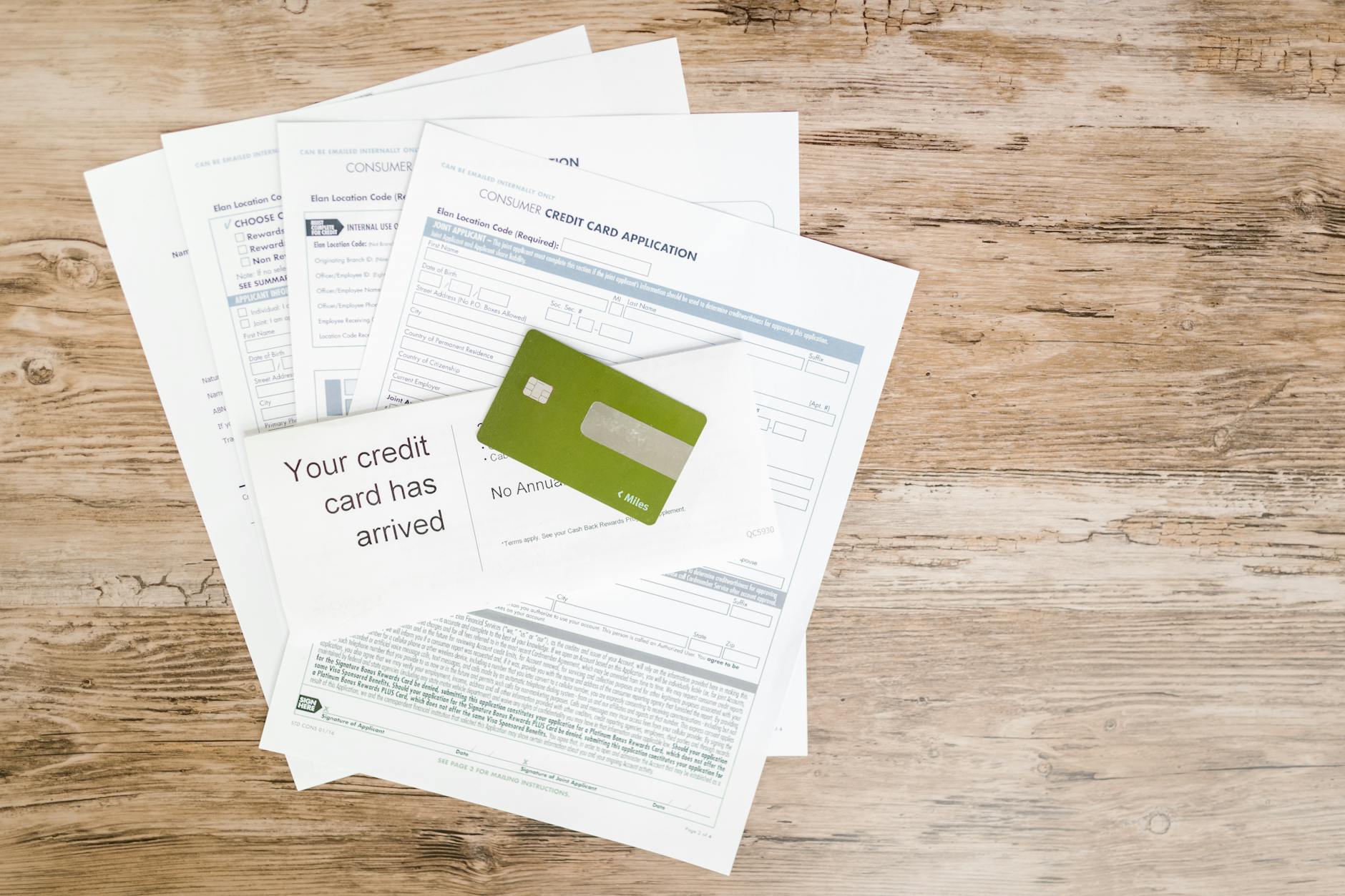
Start With the Right CLEP Score
First, earn a passing score on a CLEP exam that University of Illinois Springfield already accepts. CLEP scores run from 20 to 80, and 50 counts as the standard passing mark on most exams, so that number should guide your prep and your retake plans.
The catch: A 50 by itself does not force UIS to award credit. The registrar still checks whether UIS accepts that subject and whether the score matches a course, elective, or gen ed slot in your program. If UIS does not list that CLEP subject, the score sits there with no credit attached.
That is why the score choice matters as much as the score itself. Passing Introductory Psychology helps only if UIS can map it to something in your degree audit, and a 72 on the wrong exam can still miss the mark. The smarter move is to check the UIS CLEP policy before you pay for a test center slot.
A 35-year-old paramedic studying after 12-hour shifts has about 4 hours a week, not 14. That person should pick 1 accepted CLEP first, not 3, because the real goal is a qualifying score before the next registration deadline, not a pile of half-finished plans. One counterintuitive thing here: passing at 50 and scoring 80 both earn the same credit at the school level, so extra points only matter if you need insurance against a hard exam or a higher placement policy.

Order the Official CLEP Transcript
UIS needs the official transcript, not a screenshot or a score page. College Board handles CLEP records, and that official report is the paper trail UIS uses when it decides whether to post credit.
- Log in to your College Board account and open your CLEP score area before you request anything.
- Choose the official transcript order option and enter University of Illinois Springfield as the recipient, using the exact school name shown in your account.
- Have your College Board account details, full legal name, birth date, and test date ready so the order matches your record.
- Pay the transcript fee if College Board charges one at the time you order, and keep the confirmation email for your files.
- Use the order only after the score posts, because UIS cannot evaluate a score that College Board has not released yet.
- Keep your receipt for at least 30 days, so you can prove delivery if the transcript gets delayed or misrouted.
Send Scores to UIS the Right Way
UIS handles transfer credit through the Office of the Registrar, and that office usually wants the official College Board transcript plus any extra proof it asks for after review. If you plan around a 2-week turnaround, you avoid the trap where a score posts late and then misses a registration window. That matters most for students trying to lock in a 12-credit semester or meet a financial aid deadline.
What this means: Send the official transcript first, then watch your UIS student record instead of assuming the credit will land on its own. If UIS asks for more detail, answer fast and match the exam title to the exact course name.
- Send the official College Board transcript to the UIS Office of the Registrar, not to an academic department.
- Use the UIS student portal or document-upload route only if the registrar tells you to do that.
- Keep the exam title exact: College Composition, College Algebra, or Introductory Sociology, not a loose label.
- Attach a degree-audit note if the CLEP should count as gen ed, elective, or major support.
- If UIS asks for backup, send the score report, transcript receipt, and course match in one reply.
A real example helps here: a student who sends a College Composition CLEP transcript often wants it to support English or gen ed credit. If the registrar sees the score but not the course match, the credit can stall for 1 review cycle, so spell out the intended use on the first contact.
The Complete Resource for UIS CLEP Transfer
TransferCredit.org has a full resource page built for uis clep transfer — covering CLEP/DSST prep with chapter quizzes and video lessons, plus the ACE/NCCRS-approved backup course if you do not pass the exam. $29/month covers both, and credits transfer to partner colleges.
See UIS CLEP Transfer →What UIS Does With Your Credit
Once UIS receives the transcript, staff compare the CLEP subject against the school’s accepted list and then check whether the exam fits your degree. They do not just stamp it and move on. They look at 3 things: the subject, the score, and where the credit lands in your program.
Reality check: A passed CLEP does not always become usable credit right away. UIS may post it as elective credit, general education credit, or nothing at all if your plan already fills that requirement. That can feel annoying, but it protects your degree audit from bad matches.
Typical review time can run from a few business days to a couple of weeks, depending on term volume and whether your transcript arrived cleanly. A score sent on Monday and a review done by Friday is possible; a transcript sent near the start of a semester can sit longer. Use that range to set your own deadline at least 2 weeks before registration opens.
A homeschool senior taking 3 CLEPs in one summer should expect the last one to post more slowly if all 3 transcripts arrive at once. That student should watch the UIS record after each exam, not wait until August, because a missing credit can block a 100- or 200-level course plan fast. Delays usually come from mismatched course names, missing official transcripts, or a credit that only works as elective credit, so check the degree audit line by line.
Fixing Missing or Misapplied Credit
If the credit does not show up, do not sit on it for a month. A 5-minute transcript check now can save a 2-week delay later, and most fixes start with the same three records: the College Board transcript, your exam score, and the UIS degree audit.
- Check that College Board sent the official transcript to UIS, not just your personal score report.
- Compare the CLEP subject to the UIS accepted-credit list before you call the registrar.
- Ask the Office of the Registrar whether the credit posted as elective, gen ed, or not at all.
- Send a clear message with your full name, UIS ID, exam title, and test date.
- Attach the College Board receipt if UIS says it never received the transcript.
- Escalate with a printed degree audit if the exam should count toward a 3-credit requirement.
A common error shows up when students assume any CLEP score above 50 will fit any open slot. It will not. If UIS lists the exam under one department and your degree plan needs another, ask for a written explanation before you retest.
If the registrar points to a missing document, send it the same day. If the error sits on the academic record after 1 full review cycle, ask for a case check instead of starting over.
Prep Smarter Before You Test
The easiest way to make the UIS transfer step smoother is to pass the exam the first time. A clean score means one transcript, one review, and far fewer chances for a mismatch in the degree audit.
Bottom line: If you want credit to post fast, start with a study plan that matches the CLEP subject you picked, not a random quiz pack. A student with 6 weeks before registration should study the exact exam outline, take timed practice tests, and stop guessing at topics that never show up.
This is where UIS CLEP prep details can help you keep the plan tight. TransferCredit.org gives you a $29/month CLEP and DSST prep subscription with chapter quizzes, video lessons, and practice tests, and if you fail the exam, the same subscription gives you an ACE-recommended or NCCRS-recognized backup course. That backup path matters because you still move toward credit even if the first test does not go your way.
A community-college transfer student with 5 hours a week should not study 8 subjects at once. That student should pick the single exam that clears the biggest gen ed block, then use the structured plan to hit the 50-point mark with less drift and fewer dead hours. Better prep makes the transcript step simpler, because UIS gets a passing score that fits the course map on the first pass.

How TransferCredit.org Fits
Frequently Asked Questions about UIS CLEP Transfer
Start by earning a CLEP score that your intended UIS course accepts, then keep the official College Board score report handy. CLEP uses a 20-80 scale, and 50 is the usual passing score, so you need that report before you ask UIS to review anything.
Most students mail things late, but the cleaner move is to send the official CLEP transcript first and then track it with UIS. Request your transcript through College Board, then send it to the UIS registrar or admissions office using the current submission method listed by UIS.
The biggest mistake is thinking a passing CLEP score auto-posts to your UIS record. It doesn't. You still need an official transcript and a review by UIS, and the credit has to match a course or requirement in their policy.
The part that surprises most students is that the credit review can be slower than the exam itself. CLEP testing takes about 90 minutes for most exams, but transcript processing and registrar review can take several business days to a few weeks, so send everything early.
Your credit can sit unposted or get held for review, which slows graduation plans and registration. If you send an unofficial score printout, UIS usually won't act on it, so request the official College Board transcript and keep proof of submission.
CLEP exams cost about $93 each plus a small test-center fee, and that matters because you don't want to retake a test just to fix a paperwork mistake. Spend the extra minute on the transcript request and UIS submission so one exam actually counts.
Yes, you can transfer them after the exam, and the first step is still the official College Board transcript. The caveat is that UIS only posts credit after it gets the transcript and checks it against its own rules, so don't rely on a score screenshot.
This applies to you if you're sending CLEP credit to UIS for degree credit, general education, or placement review, and it doesn't help if your school or program won't accept CLEP for that requirement. Check your UIS catalog and your department rules before you test.
Start by checking whether College Board already sent the official transcript and whether UIS received it. Then contact the UIS registrar with your exam name, test date, and score report details so they can look up the evaluation faster.
Most students study random chapters and hope the exam lines up, but a structured plan wins faster because CLEP exams hit 90 minutes and one score can replace a full class. Use TransferCredit.org for a study plan and its pass-or-free guarantee before you register.
The wrong assumption is that every CLEP exam counts the same way at every college. UIS can accept one exam for 3 or 6 credits and reject another for a degree slot, so you need to match the exam to the exact requirement before you pay for testing.
Final Thoughts on UIS CLEP Transfer
CLEP transfer at UIS works best when you treat it like a chain, not a single win. Score first. Official transcript second. Registrar review third. If one link breaks, the credit stalls, and that usually has nothing to do with your ability and everything to do with paperwork timing or a bad course match. A student who wants 3 credits before fall registration should work backward from the deadline and give the system at least 2 weeks. That means choosing an accepted CLEP, ordering the official College Board transcript right after the score posts, and checking the academic record until the credit shows in the right place. The annoying part is that a strong score still does not fix a weak submission. The useful part is that you can control almost all of it with a clean process. Keep your receipt, save the exam title, and match the credit to the UIS degree audit before you move on to the next class. If the first review misses, follow up fast and ask for a specific correction, not a vague update. Start now, before the next registration rush eats your window.
What it looks like, in order
Ready to Earn College Credit?
CLEP & DSST prep + ACE/NCCRS backup courses · Self-paced · $29/month covers everything