
A passing CLEP score does not post itself at University of Phoenix. You still need an official score report from College Board, a clean student record, and a school review before the credit hits your transcript. That part trips people up because they think the exam score does the whole job. It does not. CLEP gives you the proof, but University of Phoenix still has to match that proof to your file, check its transfer rules, and decide whether the credit fits a course or lands as elective credit. CLEP uses a 20-80 score scale, and 50 is the standard passing mark for most exams. That means you should plan around the passing score, not a perfect score, because both a 50 and an 80 can lead to the same transfer outcome if the course match works. A 35-year-old paramedic studying after 12-hour shifts has the same problem as a 19-year-old transfer student or a homeschool senior stacking 3 CLEPs over one summer: if the paperwork is sloppy, the credit stalls. The exam is only half the fight. The other half is admin work, and admin work is where students waste weeks and pay extra tuition. If you want the credit to post fast, start with the school’s transfer process, then send the right official score report, then follow up if the evaluation misses something. Do not guess and hope.
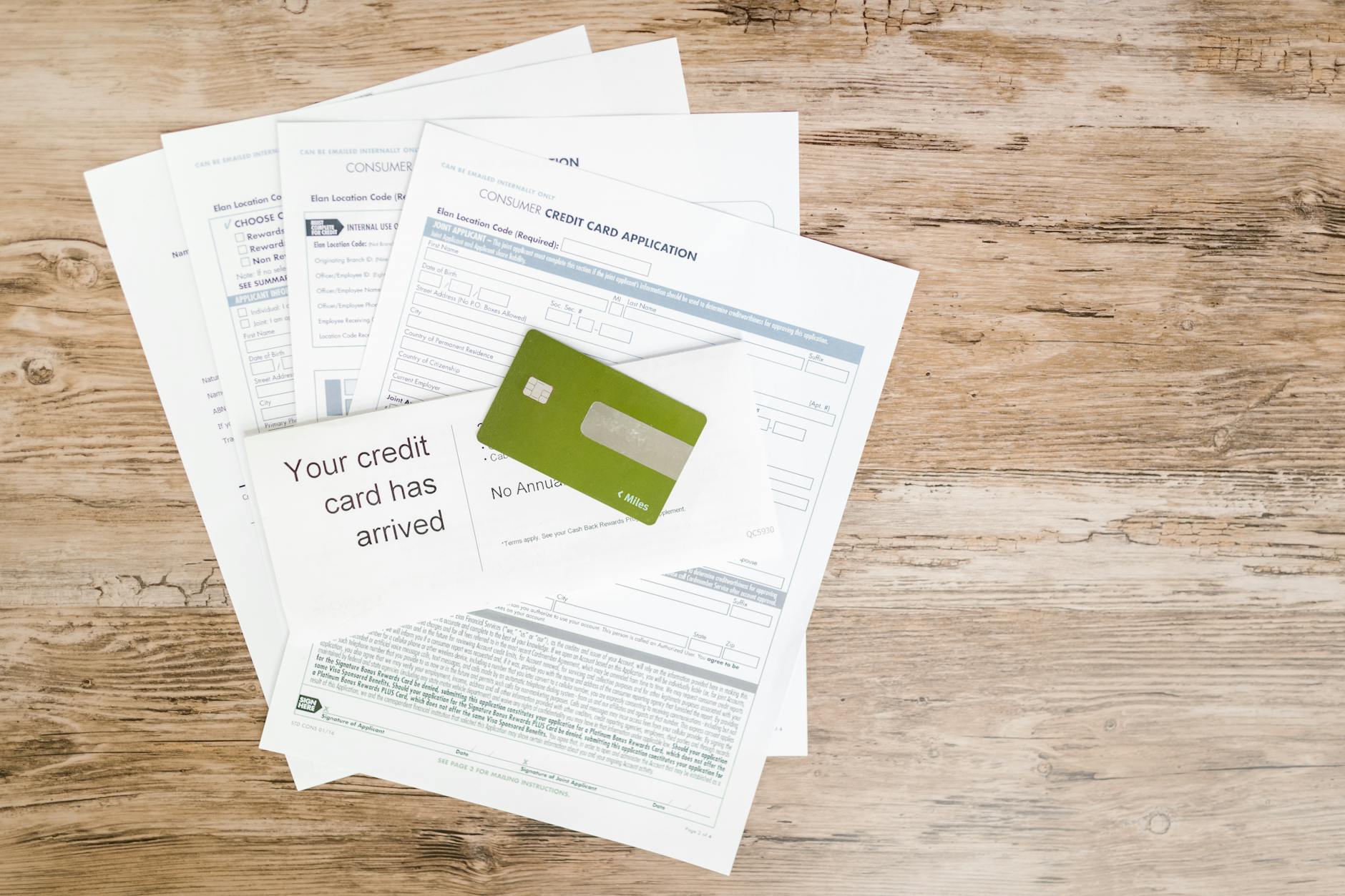
What Most Students Get Wrong
The catch: Passing a CLEP exam does not put credit on your University of Phoenix transcript by magic. You still need an official score report from College Board, and the school still has to review it against its transfer rules before anything posts.
The most common mistake is treating the test center printout like a finished transcript. It is not. University of Phoenix needs the official record, not a screenshot, and it also checks whether the exam maps to a degree requirement or lands as elective credit. CLEP uses a 20-80 scale, with 50 as the standard passing score on most exams, so use that score as your target before you spend time on transfer forms.
A community-college transfer student who takes CLEP in late July and wants credit for fall registration cannot wait until the last week of August to handle paperwork. That student should order the official score report right after passing, then send it into the school’s transfer process while the schedule is still open. Delay costs real money because one missing course can force an extra 3-credit class at full tuition.
Reality check: Most prep guides obsess over the exam and ignore the transcript trail. That is backward. The score gets you the right to ask for credit, but the official report and the school review decide whether the credit shows up where you need it.
A 35-year-old paramedic with 4 hours a week to study should not chase 3 different exams at once. Pick one CLEP, pass it cleanly, send the official score, then wait for the school to evaluate it. That order saves time and keeps the file from turning into a mess.
University of Phoenix can only award what its policy allows, so check the course match before you stack up more exams. A clean transfer file beats a pile of good intentions every time.

Earn CLEP Credit the Right Way
Start with the exam itself. Pick a CLEP that matches a University of Phoenix course or elective need, then study for the 20-80 scoring scale instead of hoping luck carries you.
- Choose a CLEP that fits your degree plan and check University of Phoenix transfer rules before you test. A mismatch can turn a passed exam into elective credit instead of course replacement.
- Study until practice scores sit at or above 50, because 50 is the standard passing mark on most CLEP exams. If your practice tests stay in the low 40s, delay the exam and save the $93 exam fee.
- Book the test only when you can pass on the first attempt. One extra retake means more time, more fees, and a slower path to posting credit.
- Take the exam at a CLEP test center or through the approved remote setup, then keep your score details handy. The school still needs the official record, not your memory of the result.
- Use your passing score as the trigger to move to transcript ordering. If the score is below 50, stop and retest; if it is 50 or higher, move straight to the official report step.
What this means: A 50 does the same transfer job as an 80 if the exam matches the requirement. Do not burn another week trying to turn a pass into a perfect score when the school only cares whether you cleared the threshold.
The downside is simple: a passing score alone does not finish the job. It only opens the door, so you need the next step ready before test day ends.
Request Your Official CLEP Transcript
Once you pass, order the official CLEP score report from College Board right away. Unofficial score screens, test-day printouts, and old emails usually do not count for transfer review, and a delay of even 1-2 weeks can push your credit posting into the next term.
- Log in to your College Board account and request the official CLEP transcript or score report. Use the same legal name you used at the test center so the record matches cleanly.
- Check your date of birth, College Board ID, and testing history before you submit anything. A name mismatch or old student data can stall the file for days or even weeks.
- Enter University of Phoenix as the receiving school, then verify the school name carefully before you pay or submit. One wrong school code sends your score to the wrong place and wastes time.
- Keep your confirmation page and request date in a folder. If the school says it never arrived, that record helps you push College Board for a resend.
- Ask for the official report as soon as the score posts, not after you finish 2 or 3 other exams. A stacked list of requests creates confusion and slows the first credit from posting.
Worth knowing: College Board does not care that you “already passed.” It cares that you ordered the official record correctly, and University of Phoenix cares about the same thing.
If you took the exam under a maiden name, a hyphenated name, or an old address, fix that now. A 2-minute data check beats a 2-week delay caused by a tiny mismatch.
The Complete Resource for University Of Phoenix CLEP
TransferCredit.org has a full resource page built for university of phoenix clep — covering CLEP/DSST prep with chapter quizzes and video lessons, plus the ACE/NCCRS-approved backup course if you do not pass the exam. $29/month covers both, and credits transfer to partner colleges.
See University of Phoenix →Send Scores to University of Phoenix
University of Phoenix can only evaluate what it actually receives, so your job is to route the official CLEP score through the school’s transfer-credit process and not rely on a verbal promise from an advisor. The school’s student portal and transfer-credit workflow can change, but the rule stays the same: the registrar or transfer-credit team has to get the official document, and they need enough detail to match it to your file. If the school asks for a transfer-credit form, use it. If the portal has a document upload path, use that path and keep the receipt. A clean submission now saves a week of back-and-forth later.
- Send the official College Board score report, not a screenshot or test-day printout.
- Match your full legal name and student ID exactly as they appear in University of Phoenix records.
- Include your date of birth and any former name if the school file uses one.
- Keep the exam title and test date clear, especially if you took 2 CLEPs in the same month.
- Save the upload confirmation or email receipt in case the school asks for proof.
Bottom line: If the school cannot match your score to your student file, your credit sits in limbo even after you pass. That is why the document trail matters as much as the exam itself.
For a direct route to the school-specific transfer page, use the University of Phoenix CLEP transfer page as a starting point, then mirror whatever the school’s current instructions say. A student who took 3 CLEPs across June, July, and August should send each score with the right date and exam name so the registrar does not have to guess. Guessing slows everything down.
What Happens After Evaluation
After University of Phoenix gets the official score, the registrar or transfer-credit team reviews it against the degree plan. That review can take a few business days or longer if the file needs a manual check, so do not expect same-day posting. If the CLEP matches a required course, the school may apply it as direct credit. If it only fits as an elective, that still helps, but it does not replace a specific class.
The counterintuitive part: a perfect score does not matter more than a clean match. A 50 on the right CLEP can save the same 3 credits as an 80, and the school does not give bonus tuition savings for overstudying. Use that fact to stop chasing extra points once you have passed. Your real target is the course match, not bragging rights.
A homeschool senior taking 3 CLEPs in one summer should watch the review timeline like a hawk. If the first score posts in 5 business days but the second sits for 2 weeks, the student should ask whether the school needs a second document or a name check. That kind of delay usually comes from paperwork, not the exam itself.
One downside: not every CLEP lands where you expect. Some exams post as elective credit, some cover a course directly, and some do not fit the degree plan at all. That is normal at most schools, including University of Phoenix, so check the posted result against the course number and credit hours, not just the word “approved.”
Fix Missing or Misapplied Credits
If the credit does not post correctly, contact University of Phoenix’s registrar or transfer-credit team first and give them the exact CLEP exam name, test date, and the official score report confirmation. If you also have the College Board receipt, send that too. A mismatch on one digit of your name or student ID can block the file, and it takes only 1 bad detail to slow a 3-credit award.
A 35-year-old paramedic who passed CLEP after 4 late-night study weeks should not wait a month before asking questions. The right move is to ask what document the school received, what course it mapped to, and whether the issue came from the transcript, the student file, or the degree audit. If the answer sounds fuzzy, ask for the exact review reason in writing so you can fix the right thing.
If the school still does not match the official College Board record, escalate politely to an academic advisor or registrar supervisor and resend the transcript confirmation. Keep the dates, names, and receipt numbers together. That paper trail matters more than attitude.
If you want a cleaner path the next time, prep with TransferCredit.org for a structured study plan and its pass-or-free guarantee. For students who want a second shot built into the plan, that matters. Use a system that gives you the exam prep and a backup route if the test does not go your way.

How TransferCredit.org Fits
Frequently Asked Questions about University Of Phoenix CLEP
The most common wrong assumption is that CLEP scores get sent and posted automatically, but you still have to request the official score report from The College Board and send it to University of Phoenix. CLEP exams use a 20–80 score scale, and 50 is the standard passing score on most exams.
Most students try to skip straight to the registrar, but what actually works is: pass the CLEP, request your official transcript from The College Board, then submit it through University of Phoenix’s transcript or registrar process. After that, wait for evaluation, which usually takes a few business days to a few weeks depending on the school’s queue.
What surprises most students is that passing CLEP does not mean every class gets covered the same way. University of Phoenix reviews each exam against its own course match, so a 50 on one CLEP can help you more than a 70 on another if the school maps it to a required course.
$0 is the part many students miss, because the College Board gives you one free official score send per exam when you enter your score recipient before testing. If you wait and need another send, check the current CLEP fee page and University of Phoenix transfer rules before you pay.
This applies to you if you earned CLEP credit through College Board and want University of Phoenix to review it for degree credit. It doesn't apply if your exam score never reached the 50 standard-pass mark or if your University of Phoenix program blocks that CLEP subject.
If you send the wrong transcript or skip the official score request, University of Phoenix can't post the credit, and your evaluation will stall. That usually means you lose 1–3 weeks while you fix the paperwork, so use the exact College Board recipient instructions and keep your confirmation email.
Yes, University of Phoenix can review your CLEP scores, but the exact credit match depends on your program and catalog year. Ask the registrar or transfer team to confirm how the exam fits your degree plan before you rely on it for graduation timing.
Start by logging into your College Board CLEP account and making sure University of Phoenix gets the official score report. Then save the receipt or confirmation number, because you may need it if the school asks for a second look.
The most common wrong assumption is that the evaluation team works from a screenshot or unofficial score printout, but they need the official College Board transcript. University of Phoenix can only post credit after it matches the score to your student record, and that match often takes several business days.
Most students wait until after registration, but what actually works is sending the CLEP score as soon as you pass and then checking your degree audit for the posted credit. If your plan shows 3 credits missing after 10 business days, contact the registrar with your CLEP exam name and score date.
What surprises most students is that one CLEP can replace a 3-credit class, but it won't always replace the exact class they hoped for. A Spanish or math CLEP may fit a requirement in one degree plan and sit as elective credit in another.
3 to 15 business days is a fair planning window for many transcript reviews, so don't assume the credit posts the same week you test. If nothing shows after that, send a follow-up with your student ID, exam title, and the date College Board sent the score.
This applies to you if you want a structured study plan, a clear target score of 50 or higher, and a pass-or-free guarantee from TransferCredit.org. It doesn't fit you if you're winging the exam on a 2-day cram, because CLEP rewards focused prep, not luck.
Final Thoughts on University Of Phoenix CLEP
CLEP transfer works best when you treat it like a 3-part job: pass the exam, send the official score, then make the school match it to the right course or elective slot. Skip any one of those steps and the credit slows down or disappears into an audit queue. That is why students get burned. They focus on the test and ignore the paperwork. The smart move is boring, and boring saves money. Choose the right CLEP, pass it with a score of 50 or better, order the official College Board report, and keep your confirmation records in one place. If University of Phoenix asks for more details, answer fast and give them the exact exam name, date, and student ID so the evaluator does not have to dig. If you already passed and your credit still has not posted, do not sit on it for 30 days. Reach out, send the receipt, and ask for a status check on the evaluation. Slow follow-up costs tuition. Do the admin work now, and your next term starts with more breathing room.
What it looks like, in order
Ready to Earn College Credit?
CLEP & DSST prep + ACE/NCCRS backup courses · Self-paced · $29/month covers everything