
A 50 on CLEP Financial Accounting can save a full 3-credit class, but only if your school posts that credit on its chart. That makes this exam worth it for some accounting majors, business students, and transfer students — and a bad bet for others who need a stronger base. This test covers the stuff that shows up in an intro accounting course: statements, journal entries, adjustments, inventory, receivables, liabilities, equity, and basic analysis. It does not ask you to memorize random trivia. It asks whether you can track how one transaction changes the books. That matters because a student with 5 study hours a week and a fall transfer deadline has to treat this like a skills test, not a video binge. The exam uses a 20-80 scale, and College Board recommends 50 for credit. If your target school awards 3 credits for that score, you gain a fast path through a class that often takes 15 weeks. If your school wants its own minimum or does not post CLEP credit for accounting, the same score does nothing. So the real question is not, “Can I pass?” It is, “Will this exam replace a class I actually need?”
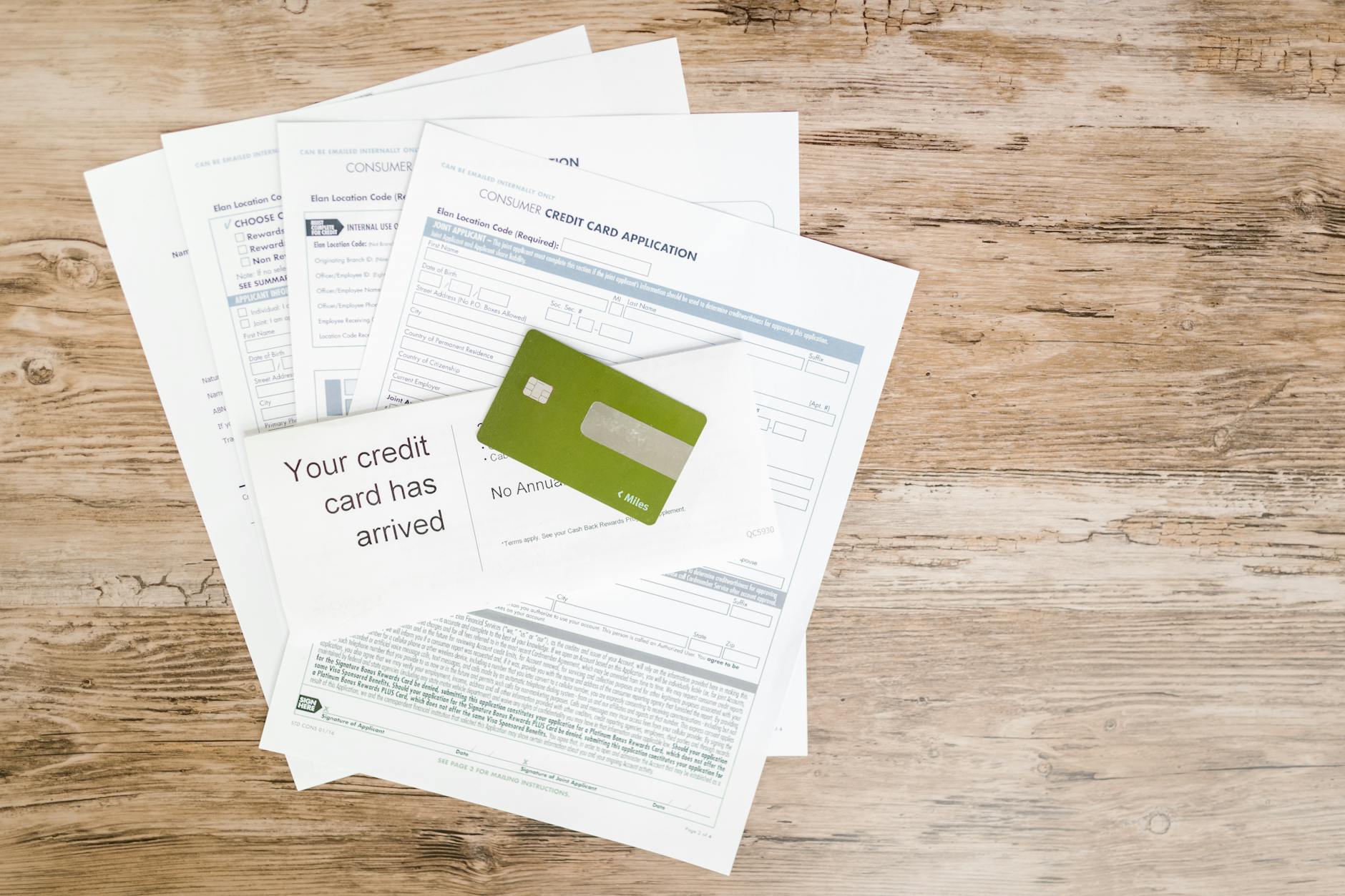
What CLEP Financial Accounting Tests
This exam checks whether you can do first-semester accounting work, not just name the terms. Expect financial statements, journal entries, the accounting equation, adjusting entries, inventories, receivables, liabilities, equity, and basic ratios. That mix matters because a typical intro accounting class at a community college or 4-year school usually spends 15 weeks on the same core ideas.
The strongest test-takers know how one event moves through the system. A sale on credit affects revenue, accounts receivable, and later cash collection. A rent payment affects cash and expense. A depreciation entry does not move cash at all, which trips up people who study only by flashcards. If your school lists this exam as a match for Accounting I, use your syllabus or degree audit to compare topics line by line.
The catch: Most of the exam sits in the middle of the course, not the edges. That means you should spend your time on transaction flow, adjusting entries, and statements before you worry about niche terms like bond discounts.
A 35-year-old paramedic studying after 12-hour shifts has a tight window, maybe 6 hours a week. That student should spend the first 2 weeks on the accounting equation, then move to 20 to 30 practice problems a night, because this exam rewards pattern recognition more than reading speed. A transfer student trying to finish before fall registration should also check whether the school wants a 3-credit match or a full course substitute, since that single rule decides whether the exam helps or wastes time.
One blunt truth: this exam feels harder than many CLEPs if you have never taken accounting. It punishes weak arithmetic, sloppy note-taking, and the habit of memorizing definitions without tracing what happens to the ledger. If you want the class for a business degree, that warning should push you to study harder, not quit.

Credits, Passing Score, and School Rules
College Board posts CLEP Financial Accounting as a 3-credit exam at many schools, with a recommended passing score of 50 on the 20-80 scale. That 50 is the number to watch, but the registrar still decides how the exam fits your degree plan. Use the table below to compare the credit picture before you pay for the test.
| Column 1 | Column 2 | Column 3 |
|---|---|---|
| Credit recommendation | Typical 3 semester hours | Check school chart |
| Passing score | 50 on 20-80 scale | College Board standard |
| School rule | Varies by institution | Registrar decides acceptance |
| Common fit | Intro accounting requirement | Business or transfer plan |
| Best next step | Match exam to syllabus | Confirm before testing |
Worth knowing: A 50 and an 80 both earn the same credit at schools that accept the exam, so chase credit first and bragging rights never.
If your degree map already shows Accounting I as a 3-credit slot, this exam can save a 15-week class. If the school wants its own section or a lab-style course, you need to treat CLEP as a backup plan, not a guarantee.
How Hard CLEP Financial Accounting Feels
Harder than Intro Psychology. Easier than a full second accounting course. That is the honest middle ground. Students with zero accounting background usually struggle most because the exam keeps asking the same thing in different clothes: what changes, what stays, and where does the entry land.
The tricky part is not the math load. Most questions use simple arithmetic. The trap sits in the logic. You may see 1 transaction and need to know its effect on income, balance sheet, and cash flow, all at once. That is why memorizing 40 definitions burns time and gives weak results. Learn the flow, and the terms start making sense.
Reality check: Free videos can teach the names, but 25 practice problems teach the pattern. If you skip the problems, you will hit the first statement-based question and stall.
A homeschool senior taking 3 CLEPs in one summer has a different problem: too many subjects, not too little ability. That student should not leave accounting for the last 10 days. Give Financial Accounting at least 4 full weeks, because journal entries and adjustments take repetition. A student who already took Accounting I or uses bookkeeping at work can move faster, but even then the exam still asks for clean setup, not gut instinct.
The biggest mistake is studying terms in isolation. People memorize “assets,” “liabilities,” and “equity,” then freeze when the question changes one number and asks for the new balance sheet. Start with transactions, then statements, then ratios. That order saves time and usually beats a prettier but shallower study plan.
The Complete Resource for Financial Accounting
TransferCredit.org has a full resource page built for financial accounting — covering CLEP/DSST prep with chapter quizzes and video lessons, plus the ACE/NCCRS-approved backup course if you do not pass the exam. $29/month covers both, and credits transfer to partner colleges.
Browse CLEP Prep Courses →A Realistic Study Timeline
If you start from zero, give this exam real calendar time. A light pass can happen in 3 weeks, but most adults who work full-time need 4 to 6 weeks. The goal is not to watch a stack of videos. The goal is to solve enough problems that the entries feel plain.
- Spend the first 5 to 7 days on the accounting equation, debits and credits, and the four statements. Write the entries by hand at least 20 times.
- Use week 2 for adjusting entries, inventory, receivables, and liabilities. Work 10 to 15 questions a day, because passive review will not hold on test day.
- Use week 3 or 4 for mixed sets and timing. Aim for 80% correct on practice sets before you schedule the exam.
- Save the last 5 to 7 days for full review and weak spots. Rework every missed problem until you can explain the why, not just the answer.
- If you have only 2 weeks, cut the fluff and focus on entries plus statements. That short window works only for someone with prior accounting exposure or strong spreadsheet habits.
What It Costs to Prep Smart
The exam fee matters, but so does the cost of getting stuck and paying twice. A plan with 1 retake, 3 weeks of study, and no backup can turn a cheap exam into an expensive detour. Use the numbers below to compare the paths before you commit.
- CLEP exams cost about $93 plus a test-center fee. Pay that only after you confirm your school accepts Financial Accounting for 3 credits.
- Self-study can stay cheap if you already know accounting, but it gets costly when you burn 4 to 6 extra weeks and still miss the pass mark.
- Financial Accounting prep gives you a focused path for this exact subject, which helps if you need structure instead of random YouTube clips.
- TransferCredit.org and UPI Study offer a $29/month CLEP and DSST prep subscription with full chapter quizzes, video lessons, and practice tests. If you fail the exam, the same subscription opens the matching ACE/NCCRS backup course at no extra charge.
- Business Law and other self-paced courses sit in the same catalog, which matters if you want to bundle 2 credits in one term.
- TransferCredit.org also sells 70+ self-paced ACE/NCCRS-recommended college courses for about $250 each. That price makes sense when you need credit from the course itself, not just test prep.
Is Financial Accounting Worth It?
Yes, if the exam can replace a real requirement in your degree plan and you already know some accounting. No, if you want the class because you need structure, office hours, or a GPA boost from a graded course. The credit saves time. The class can save your sanity.
For a transfer student aiming at a business degree, a 3-credit CLEP hit can clear one slot before the fall registration deadline. For a working adult with 5 study hours a week, the exam makes sense only if that person can spend those hours on practice problems, not just videos. For someone who has never touched debits and credits, taking the class may be smarter even if it takes 15 weeks.
The payoff list is simple. If you already know bookkeeping, use the exam. If you need one fast credit to keep a 120-credit graduation plan moving, use the exam. If your target school gives full credit at 50 and posts Financial Accounting on its CLEP chart, use the exam. If your school wants a lab-style accounting sequence or you keep missing statement questions after 3 weeks of practice, take the class instead.
Pick your school first, then your study plan. If Financial Accounting sits cleanly in your degree audit, start CLEP prep for this subject today.

How TransferCredit.org Fits
Frequently Asked Questions about Financial Accounting
This applies to you if your college accepts CLEP credit for accounting and you want to save 3 to 6 credit hours; it doesn't fit you if your school refuses CLEP or wants a graded accounting course in residence. CLEP exams use a 20 to 80 scale, and the College Board sets 50 as the passing score.
Yes, if your school awards 3 or 6 credits and you can pass with 4 to 8 weeks of steady study. The catch is school policy. Some colleges will post it as lower-division accounting, while others cap how many exam credits they accept.
$93 is the College Board exam fee right now, and most test centers add a separate proctoring fee. That price makes sense if you can replace a 3-credit class that might cost hundreds or thousands more at a 4-year school.
It's not. The exam asks you to read financial statements, use debits and credits, and work through basic accounting cycles. If you only memorize definitions, you'll miss the problem-solving part that drives the score.
The biggest surprise is that passing at 50 counts the same as a much higher score for credit. Once you hit the ACE-recommended passing mark, the school gets the same CLEP credit outcome if it accepts the exam, so chasing a 70 often wastes study time.
Most students reread notes for hours. What works is 2 to 3 weeks of concept review, then a few full practice sets on journal entries, income statements, balance sheets, and adjusting entries. A student with 5 hours a week should spread that across 4 weeks instead of cramming it into one weekend.
Check your college's CLEP policy and see whether it awards 3 or 6 credits for financial accounting. Then match that to your degree plan, because a business major with 120 required credits gets a very different payoff than a transfer student who only needs one elective.
You can lose $93 plus test-center fees and still need to take the class later. That hurts more if your term starts in 2 weeks, because then you lose both money and time that could've gone to a course you actually needed.
This applies to you if you're a transfer student, adult learner, or degree completer whose school accepts CLEP and counts Financial Accounting toward your major or elective slot; it doesn't apply if your program requires a traditional accounting sequence with a lab, practicum, or residency. The exam still uses the 20 to 80 scale with 50 as the standard pass.
Yes, but only if you already know basic accounting language. A 10-day sprint can work for someone who has taken accounting before, but a beginner usually needs 4 to 6 weeks and should spend most of that time on practice questions, not video lectures.
A CLEP pass can give you 3 to 6 credits at over 2,900 US colleges, while ACE/NCCRS backup credit usually helps only if your school accepts those transcripts. If you want a safety net, TransferCredit.org with UPI Study sells CLEP prep plus a backup course subscription for $29 a month.
It doesn't. You need to drill debits, credits, and statement logic until the patterns feel automatic. One 50-minute practice block on journal entries does more than 3 hours of passive reading when you're short on time.
The credit return can be fast. If your school posts 3 credits for the exam and you clear it in 4 weeks, you can skip a full semester of introductory accounting and move straight to the next class or requirement.
Final Thoughts on Financial Accounting
CLEP Financial Accounting is a good trade when your school accepts it, your degree plan needs intro accounting, and you can handle 4 to 6 weeks of real problem work. It is a weaker trade when you need a stronger base for later accounting classes, because this exam rewards clean process more than raw memorization. The smart move is to check three things before you pay for the test: the school’s CLEP chart, the credit value on your degree audit, and your own comfort with debits, credits, and statements. Those checks take 10 minutes each. Do them now, not after you finish a week of study and start guessing. A lot of people get tripped up by pride. They want the fast win, so they skip the slow part that would actually help them pass. That habit costs more than the exam fee. If you already know some accounting, the exam can save a semester. If you do not, the class may give you a better base for the next 2 years. Take the school rule first, then pick the path that fits your time, credit needs, and confidence with the material.
Three roads, one of them is yours
Ready to Earn College Credit?
CLEP & DSST prep + ACE/NCCRS backup courses · Self-paced · $29/month covers everything