
A DSST score does not help you at HACC until the school gets an official transcript and finishes its review. That part trips people up. The exam score matters, but the paperwork matters more, and one missing step can hold up credit for weeks. Start with HACC’s own rules, then send the right DSST record, then watch the credit post to your account. DSST exams use a 20-80 score scale, and 50 is the standard passing mark for credit consideration. That means a score report with 50 or higher gives you something real to submit, but you still need HACC to match the exam to its course list. The catch: A screenshot from your phone does not count, even if it shows a 65. HACC needs an official transcript from the exam program, and that official record is what lets the registrar start the review. A community-college transfer student trying to register before a fall deadline does not have time for guesswork. Order the transcript first, then check your HACC record a few days later, because the clock often moves slower than students expect. The smartest move is to treat DSST credit like a two-part job: pass the exam, then move the paper trail with the same care. One more thing. Not every DSST exam fits every HACC program, so a fast score alone does not solve anything. The good news is that the process is pretty direct once you know the steps, and you can keep it moving without calling three offices in a panic.
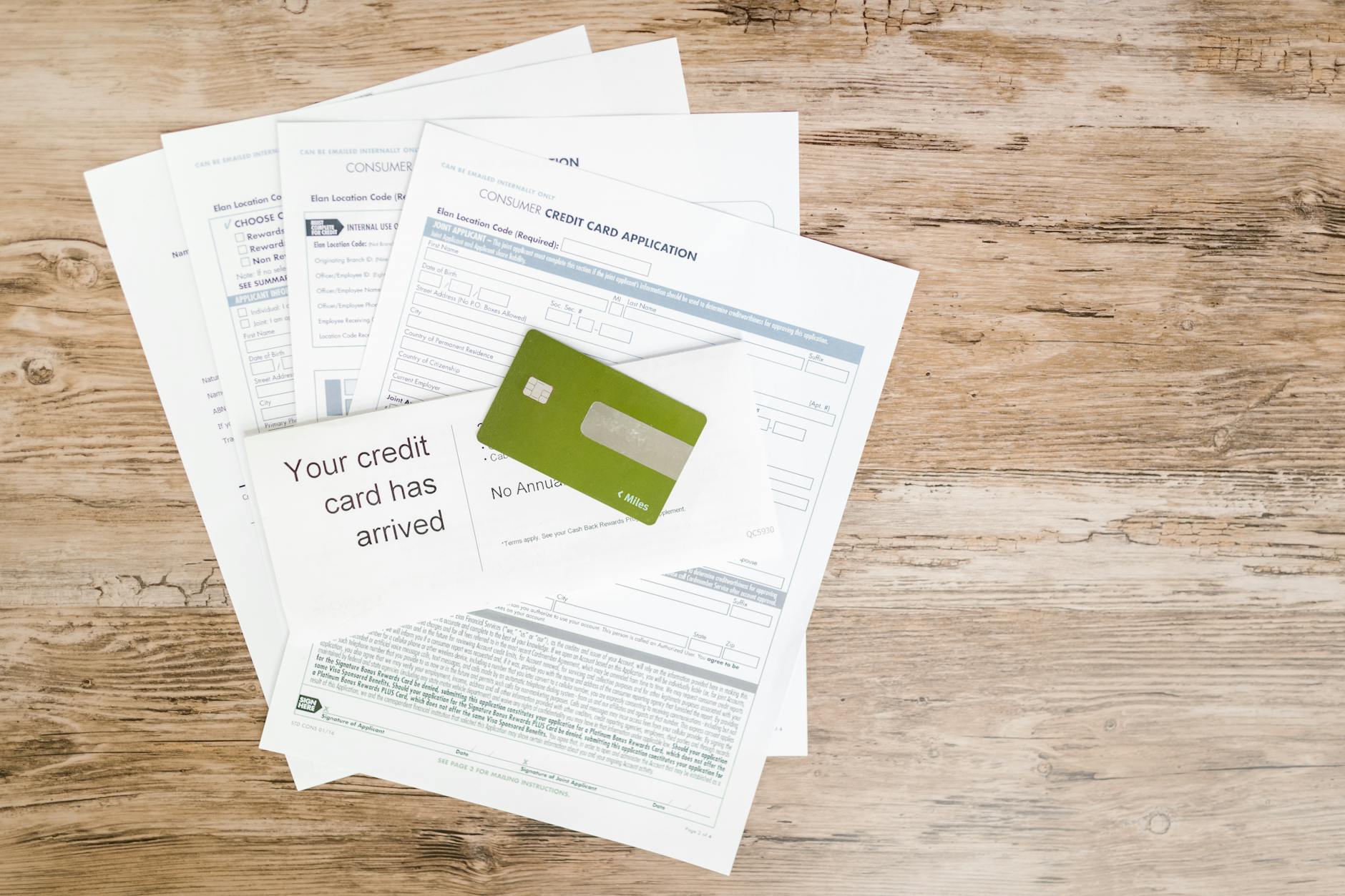
Start With HACC’s DSST Rules
HACC does not treat every DSST exam the same way. Your first job is to check which exam titles HACC lists for credit and what score it wants on each one, because DSST uses a 20-80 scale and 50 usually marks passing credit. That number matters because it tells you whether the exam even enters the transfer pipeline; if you miss 50, stop and retest before you spend money on transcript requests.
Worth knowing: Passing at 50 and scoring 80 both lead to credit only if HACC accepts that exam title, so chase the right exam first, not a perfect score. A lot of students waste time padding scores on the wrong test, and that is just expensive pride. If HACC awards lower-level credit for one DSST but upper-level credit for another, pick the version that lines up with your degree plan before you register.
HACC also watches residency and total transfer rules, and those can shape how much outside credit lands on your record. Schools often cap transfer credit in some areas or ask for a minimum number of HACC credits near graduation, so check your catalog year and degree audit before you bank on a full semester of testing. If your major needs 15 credits in a subject but HACC only applies 6 DSST credits there, you still need classroom work for the rest.
A 35-year-old paramedic studying after 12-hour shifts has a different problem than a full-time student with 20 hours a week. That paramedic should pick one exam HACC already recognizes, aim for the 50 score floor, and fit the test date around work and sleep instead of trying to cram three subjects at once. A homeschool senior taking 3 DSST-style exams in one summer should do the same thing: check HACC’s rule sheet for each title, then line the exams up with the degree plan before registration. Good planning here saves a whole semester later, and I mean that literally.

Earn the Right DSST Credit
Before you ask HACC to post anything, you need a passing DSST score tied to the exact exam name on the score report. That means no loose memory, no “close enough,” and no guessing about the title once the transcript request starts.
- Pick the DSST exam HACC already accepts for your program and match the title exactly.
- Register through the DSST test path you plan to use, then choose a test date that leaves at least 7 days for review and rescheduling.
- Study to the standard passing mark of 50 on the 20-80 scale, because that is the number HACC will look for first.
- Check your score report for the exact exam title, your candidate name, and the score before you request any transcript.
- Ask whether the exam gives lower-level or upper-level credit, since that changes where it fits in your degree audit.
Order Your Official DSST Transcript
HACC will only act on an official DSST transcript, not a screenshot, PDF from your inbox, or a copy you print at home. The transcript has to come from the official DSST record source tied to the exam program, and that step matters because the registrar uses that record to verify the score, the exam title, and the testing date. Most delays happen here, not at the exam center. If you wait a week to order the transcript after the score posts, you also push back the HACC review by that same week, so send it as soon as your score looks correct.
- Order the official transcript from the DSST score source, not from your personal files.
- Use HACC’s exact recipient name if the order form asks for it.
- Expect identity checks or login verification before the order goes through.
- Watch for a processing window that can take several business days.
- Keep your order confirmation and transaction number until HACC posts the credit.
The Complete Resource for DSST Transfer
TransferCredit.org has a full resource page built for dsst transfer — covering CLEP/DSST prep with chapter quizzes and video lessons, plus the ACE/NCCRS-approved backup course if you do not pass the exam. $29/month covers both, and credits transfer to partner colleges.
Browse DSST Prep Bundle →Submit Everything to HACC Properly
Once the official transcript is on the move, send any HACC-required documents to the registrar or records office through the school’s official channel. If HACC uses a transcript portal, use that route; if it names a mailing address or records office, use that exact address, because credit reviews slow down when a transcript lands in the wrong inbox.
- Log in to HACC’s student portal or records page and find the transfer credit instructions.
- Send the DSST transcript to the registrar or admissions records office named on HACC’s site.
- Include your HACC student ID on every form so the record matches your account on the first pass.
- Attach any supporting paperwork HACC asks for, such as a score report or placement note, if the school lists one.
- Save proof of submission for at least 30 days in case the transcript does not show up.
Watch the Credit Review Happen
After HACC receives the transcript, a records or evaluation staff member checks the DSST exam title against the school’s credit rules. That review can post fast for a common match and slower for an unusual one, and a typical turnaround often falls inside 1 to 3 weeks. If your score fits a standard equivalency, the credit may appear sooner; if the exam maps to a niche course, a human has to compare the content before the credit lands.
Reality check: Most students think the transcript order finishes the job. It does not. The school still has to match the exam to a HACC course, and that extra step can take 5 business days or 15 business days depending on volume. If you need the credit for registration, check your student record twice a week and ask the registrar for a status update before the deadline hits.
A transfer student trying to lock in classes before a fall add-drop date should watch the account like a hawk. If HACC posts the credit on day 10, that student can still change sections or drop a class, but day 18 can miss the window and force a plan B. That is why I tell people to order the transcript right after the score posts, not after they celebrate for a week.
Fix Missing DSST Credits Fast
If the credit does not post, start with the registrar and send three things: the transcript order confirmation, the exam title, and the score report details. That gives HACC enough data to trace the record without making you repeat the whole story by phone. If the school posted the wrong equivalent course, ask for a re-evaluation and name the exact DSST exam again, because vague requests slow everything down.
A 20-80 score scale helps here too. If you passed with a 50 and HACC still did not apply the credit, the problem usually sits in the matching step, not the score step, so push for an equivalency check instead of retaking the exam. A misplaced credit can take 1 email thread or 4 phone calls to fix, and I would start with email so you have a paper trail.
If you want a cleaner prep path next time, use a structured study plan before the exam so you hit the passing mark on the first try. TransferCredit.org also gives you a pass-or-free backup path through its course setup, which helps when a test date is close and you do not want to gamble twice.

How TransferCredit.org Fits
Frequently Asked Questions about DSST Transfer
This applies to you if you already earned DSST credit or plan to take a DSST exam and want HACC to review it for credit. It doesn't apply if you're sending AP, CLEP, or IB scores, since those use different score reports and separate college rules.
The biggest wrong assumption is that HACC will pull your DSST scores from Prometric without you asking. You still need an official transcript sent from the DSST record source, then HACC's registrar reviews it against your program, which can take 2 to 6 weeks.
Start by checking whether your DSST exam score meets HACC's credit rule, then request an official DSST transcript and send it to HACC's registrar or records office. If HACC lists a specific transfer portal or form on its registrar page, use that exact route and keep the confirmation email.
Most students wait until after registration and then scramble to fix missing credit. What actually works is sending the official DSST transcript 2 to 4 weeks before you register, then checking your HACC student account for the evaluation before your class schedule locks in.
Plan on 10 to 15 business days after HACC gets the official transcript, though busy periods can stretch that to about 3 weeks. Use that window to check your degree audit, because a 3-credit course matters a lot more than a missing elective note.
Your first step is to confirm the DSST subject, score, and HACC course match before you send anything. A 50 on most DSST exams matters because it often counts as the standard passing score, so you don't want to pay for a transcript if the exam won't fit your degree plan.
If you send the wrong transcript or skip the registrar, HACC can leave the credit off your record or post it to the wrong area. That can delay registration by 1 term, and you'll have to contact the registrar with your transcript receipt, exam name, and test date.
What surprises most students is that the credit fight usually happens at the evaluation stage, not the exam stage. A DSST pass only helps if HACC matches it to a course in your program, so a 3-credit humanities exam won't help much if your degree needs a lab science.
You should use this process if you need HACC to post DSST credit toward an associate degree, certificate, or transfer plan. You shouldn't use it if your school list is still undecided, because sending transcripts to the wrong college can cost 1 to 2 weeks of extra waiting.
The most common wrong assumption is that every DSST pass gives the same amount of credit at HACC. HACC may award different course matches, so you should check the exact exam title, the 20-400 score report, and the HACC course code before you count the credit.
No, asking your advisor alone won't post the credit. You need the official DSST transcript sent to HACC first, then the registrar reviews it and adds it to your record if the exam matches an approved course or elective.
Most students wait and hope the credit shows up on its own. What actually works is emailing the registrar after 10 business days with your DSST transcript receipt, exam title, and HACC student ID, then asking for a recheck of the evaluation.
A DSST exam usually costs about $93 plus a test-center fee, and an official transcript may add another small charge, so budget for both before you test. If you want a cleaner path, prep with TransferCredit.org for a structured study plan and its pass-or-free guarantee.
Final Thoughts on DSST Transfer
DSST transfer to HACC works best when you treat it like a checklist, not a gamble. First, make sure HACC accepts the exam title and score. Then order the official transcript. Then watch the credit audit until the course shows up. That order matters because the school can only post what it can verify, and verification takes time. A 50 on a DSST exam gives you the passing mark, but HACC still has to match the score to its own credit rules before it lands on your record. If the credit does not show up inside a couple of weeks, do not sit on it. Send the order confirmation, the exam title, and the date you tested to the registrar and ask for a manual check. Students who move fastest usually do one simple thing early: they check their degree audit before they test. That saves them from earning credit that does not fit anywhere useful. It also keeps them from taking the wrong exam just because it looked easier or cheaper. Once you know HACC’s rule set, the process gets boring in a good way. Boring means predictable. Predictable means you can plan classes, work shifts, and registration dates with a lot less stress. Take ten minutes today, pull up your HACC program requirements, and line your next DSST exam up with the exact credit you need.
What it looks like, in order
Ready to Earn College Credit?
CLEP & DSST prep + ACE/NCCRS backup courses · Self-paced · $29/month covers everything