
UMGC can accept DSST credit, but the exam alone does not move credit onto your record. You need the right score, an official transcript from Prometric, and a clean submission to UMGC’s transfer office. Skip one of those steps and you lose days or weeks. That matters because DSST exams cost far less than a full 3-credit class, and most exams take 90 minutes instead of 15 weeks. A 50 on the 20-80 DSST scale can post the same way a higher score does, so chasing a 75 usually wastes time unless UMGC asks for it on a specific course. Check UMGC’s live transfer policy first, then work backward from the course you want. A 35-year-old paramedic with 4 hours a week after night shifts does not need a broad study plan. He needs the exact DSST that maps to one UMGC requirement, the exact score floor, and the exact place to send the transcript. That is how you avoid paying twice. Unofficial score screenshots do not count. UMGC needs the official record, not a phone photo and not a memory of what the test screen showed. Treat this like paperwork, not a guess.
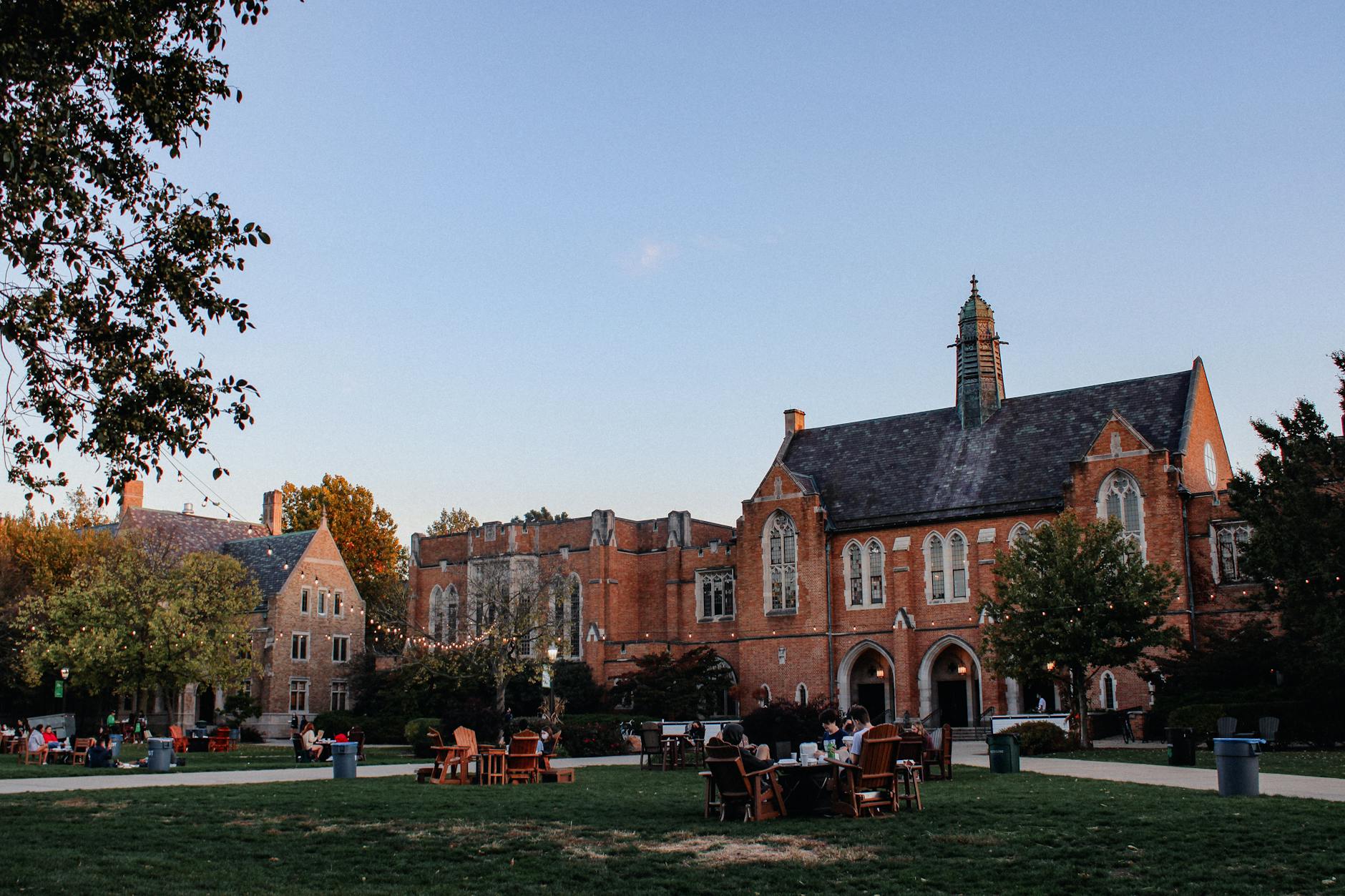
Does UMGC Take DSST Credits?
UMGC accepts DSST credit for the exams it lists in its current transfer policy, and the school matches those scores to specific courses or elective credit. Before you publish or act on anything, verify the live rule in UMGC’s Find My College tool and the current transfer page, because schools change exam maps and score floors. If UMGC lists a DSST exam with a 50 minimum, that 50 is the number that matters; use it to pick your test, not a guess from a forum.
The catch: A DSST passing score does not help if UMGC does not match that exam to your degree plan. A 3-credit elective can still save you time, but a direct course match saves more because it fills a named requirement instead of burning an open slot. That is why a business major and a history major may get different results from the same 90-minute test.
A community-college transfer student trying to enroll before fall registration in August has to work backward from the UMGC deadline, not the test date. If the school needs 7 to 10 business days to review the transcript after it arrives, that student should test at least 2 weeks before the deadline and send the score the same day. A delay of 5 business days sounds small until it blocks class sign-up.
UMGC’s policy can also treat one DSST as direct credit for one program and elective credit for another, so the degree audit matters. That is annoying, but it is normal. Check the exact course code, the minimum score, and whether the credit counts as lower-level or elective before you sit for the exam.

Pass the Right DSST Exam First
Pick the exam first, then study for the score UMGC needs. A wrong exam wastes the same 90 minutes as the right one, but only one gets you credit.
- Find the UMGC course or requirement you want to fill, then match it to the DSST exam name on UMGC’s transfer page.
- Check the score floor before you register. If UMGC wants a 50, a 48 does nothing for you, so retake planning starts before test day.
- Study only the tested material. DSST exams usually run 90 minutes, so your prep should focus on the topics that actually show up on the screen.
- Take the exam only when practice scores sit above the UMGC minimum by a safe margin of 5 to 10 points.
- Save your test confirmation and score report details the same day. If you wait 2 weeks, you will forget the exam name and the exact date.
- If one exam can fill a required course, choose that over a vague elective. Direct credit beats elective credit because it can remove a real class from your degree plan.
Reality check: Passing at 50 and scoring 80 usually gives you the same credit outcome if UMGC only asks for the minimum. Stop overstudying once you can clear the floor with room to spare. A student using DSST Principles of Statistics should care less about bragging rights and more about whether the score lands above the UMGC line.
A 28-year-old working adult with 6 hours a week should not try to prep for 3 exams at once. Pick one DSST, target one UMGC requirement, and move on only after the score matches the rule.
Request Your Official DSST Transcript
Prometric handles official DSST transcripts, and UMGC needs that official record before it can post credit. Unofficial score reports, screenshots, and old email PDFs usually do not count, because the registrar needs a transcript that comes through the right channel with the right student data. If you took 2 DSST exams in different years, order one official transcript that includes both scores instead of sending partial records.
The usual mistake is simple and costly: students send scores to the wrong office or assume the testing center forwards everything automatically. It does not work that way. Before you order, confirm your full legal name, your birth date, the last 4 digits of your ID if the form asks for it, and UMGC’s exact destination office name. If Prometric charges a fee for the transcript request, pay it once and send it to the right place the first time; a second order just burns money.
A homeschool senior taking 3 DSST exams in one summer can get tripped up here fast. If the student tests in June, applies in July, and starts classes in August, the transcript order needs to go out the same week as the final exam, not after orientation. That 30-day window matters because transcript delays can turn a clean transfer into a late paperwork mess.
Worth knowing: Official records beat memory every time. If your score shows up as a 52 on the DSST site, send the transcript and let UMGC verify it instead of trying to explain it by email. The paper trail does the work, not your screenshot.
The Complete Resource for UMGC DSST
TransferCredit.org has a full resource page built for umgc dsst — covering CLEP/DSST prep with chapter quizzes and video lessons, plus the ACE/NCCRS-approved backup course if you do not pass the exam. $29/month covers both, and credits transfer to partner colleges.
See Find My College →Send Scores Through UMGC’s Portal
UMGC needs the official DSST transcript in the exact place its current transfer page names, and you should confirm that form or portal name before you publish or submit anything. Schools change office names, and a transfer-credit portal that worked in 2024 can point somewhere different in 2026. Use UMGC’s current transfer page and check the school on this page before you send a transcript that sits in the wrong inbox for 10 business days.
- Match your UMGC student ID exactly; one wrong digit can stall review for 5 to 7 days.
- Use the full exam name, not a nickname like “Stats” or “Biz Ethics.”
- Send the transcript to the registrar or transfer-credit office UMGC names on its current page.
- Keep the Prometric order receipt and submission date in one folder for at least 90 days.
- If the portal asks for a document type, choose official transcript, not score report.
A blunt rule helps here: if the school names a portal, use the portal; if it names an office, use the office. Do not mix both. One bad upload can delay posting long enough to miss add-drop deadlines or scholarship checks, and that hurts more than the exam fee ever did.
What UMGC’s Evaluation Usually Looks Like
After UMGC gets the official transcript, a transfer evaluator or registrar staff member reviews the exam against the school’s current credit chart. They check the DSST title, the score, and whether UMGC assigns it 3 credits, elective credit, or direct course credit. That review can take a few business days or longer if the file lands during a busy period like the start of fall term or the end of spring registration.
The same exam can post two different ways because degree plans differ. A DSST in business ethics might satisfy one program’s requirement and land as plain elective credit in another, and that difference can save or cost a full 3-credit class. Watch the degree audit, not just the transcript status, because the audit tells you whether the school used the exam the way you wanted.
Bottom line: A 50 on the exam is not a small win; it is the pass line UMGC cares about if that exam meets the school’s rule. Do not keep studying for a 78 if the school only needs a 50, unless a specific UMGC program asks for something higher. Extra points do not buy extra credit.
A student who tests on May 3 and sends the transcript the same day should expect the evaluation clock to start only after UMGC receives the official record. If the school says 7 to 14 business days, plan around that window and do not panic on day 3. A clean file moves faster than a messy one, and a degree audit with no hold usually posts faster than a record with a mismatch.
Fixing a Missing UMGC DSST Credit
If 1 DSST credit does not show up after UMGC receives the transcript, act fast. A clean follow-up in 48 hours beats a vague email 3 weeks later.
- Contact UMGC’s registrar or transfer-credit office using the same office name shown on the current transfer page.
- Attach the Prometric receipt, the exam name, and the test date in one message.
- Ask whether the transcript arrived and whether the exam matched a 3-credit course or elective.
- Keep copies of the order confirmation, score report, and any UMGC email for at least 90 days.
- If the credit code looks wrong, ask for a review of the evaluation, not a brand-new transcript order.
- Escalate politely after 5 to 7 business days if no one answers. Short, clear, and boring wins here.
- Use TransferCredit.org for prep, and lean on the pass-or-free guarantee if the first exam does not go your way.

How TransferCredit.org Fits
Frequently Asked Questions about UMGC DSST
If you get this wrong, you can waste 1 exam fee, lose 1–3 weeks on transcript handling, and miss a class start date. UMGC does accept DSST credits for many courses, but you need to check the current UMGC DSST policy in the Find My College tool and match the required minimum score before you send anything.
What surprises most students is that passing the DSST is not the same as getting credit. You still need UMGC to accept that exam on its current chart, and you still need Prometric to send an official transcript; a paper score report or screenshot won’t do the job.
Yes, you can transfer DSST credits to UMGC, but only after you pass the exam and meet UMGC’s posted minimum score. The catch is simple: UMGC decides which DSST exams count, so you need to check the transfer page and the Find My College tool before you send the transcript.
First, pass the DSST exam with the score UMGC requires for that subject. After that, request an official DSST transcript from Prometric and send it to the exact UMGC registrar or transfer credit portal named on the school’s transfer page.
A common wrong assumption is that any passing DSST score automatically turns into UMGC credit. It doesn’t; UMGC only applies credit for exams on its current policy list, and some exams count differently depending on the course match and score level.
This applies to you if you’ve already passed a DSST and want UMGC credit on your transcript; it doesn’t help you if you haven’t tested yet or if you’re sending an unofficial score report. A student with a 3 p.m. Monday registration deadline should send the official transcript fast.
Most students pass the exam and stop there. What actually works is passing, ordering the official Prometric transcript, then checking UMGC’s credit evaluation status so you can fix a missing or misapplied course before the next billing cycle or add/drop date.
7 to 14 business days is a common window for transcript processing, so plan ahead if your term starts on a Monday or your advisor needs the credit before registration closes. If the credit still doesn’t show after that, contact UMGC with your exam name, test date, and transcript order info.
If you get this wrong, UMGC can delay or reject the credit, and you may lose a full registration window. Send the official transcript to the exact UMGC transfer credit office or portal listed on the school site, then keep the Prometric order number and check your student account.
What surprises most students is that smart prep beats long prep. A focused 2–4 week study plan for one DSST often works better than cramming for 2 months, and TransferCredit.org with its pass-or-free guarantee can save you money if you want a safer prep path.
Final Thoughts on UMGC DSST
UMGC does not reward guesswork. It rewards clean paperwork, the right exam, and a score that meets the school’s current rule. That means you should treat DSST like a small project with 4 parts: pick the right exam, pass it, order the official transcript, and make sure UMGC posts it in the right place. The schools that move fastest do not have magic. They have fewer mistakes. A transcript sent to the wrong office can waste 5 to 10 business days, and a wrong exam can waste a whole registration cycle. That is a brutal trade for something you could have checked in 10 minutes on the school’s transfer page. Do not chase extra points once you clear the minimum. A 50 that posts is worth more than an 80 that sits in a score report while your degree plan waits. Focus on the course map, the deadline, and the receipt trail. If your first pass does not post, stay calm and push the office for a review with the right documents in hand. Then move on to the next requirement. The whole point is to save time and money, not collect test scores like trophies.
What it looks like, in order
Ready to Earn College Credit?
CLEP & DSST prep + ACE/NCCRS backup courses · Self-paced · $29/month covers everything