
A CLEP or DSST test center does not change the exam itself. The questions, timing, scoring scale, and passing standard come from the test maker, not the room you sit in. What does change is your stress, the check-in process, the noise level, and how easy it feels to get in and out on test day. CLEP uses a 20-80 score scale, with 50 as the usual passing mark, and most CLEP exams run about 90 minutes. That means the center should help you stay steady for those 90 minutes, not rewrite the test. A bad desk, a slow check-in, or a loud room can drain focus fast. A good center can make the same exam feel a lot cleaner. That matters more than people admit. A student taking CLEP College Composition at a packed community college testing room will feel a different day than someone in a quiet university lab, even though both see the same exam from College Board. The content stays fixed. The experience does not. If you care about credit, you should care about the room too.
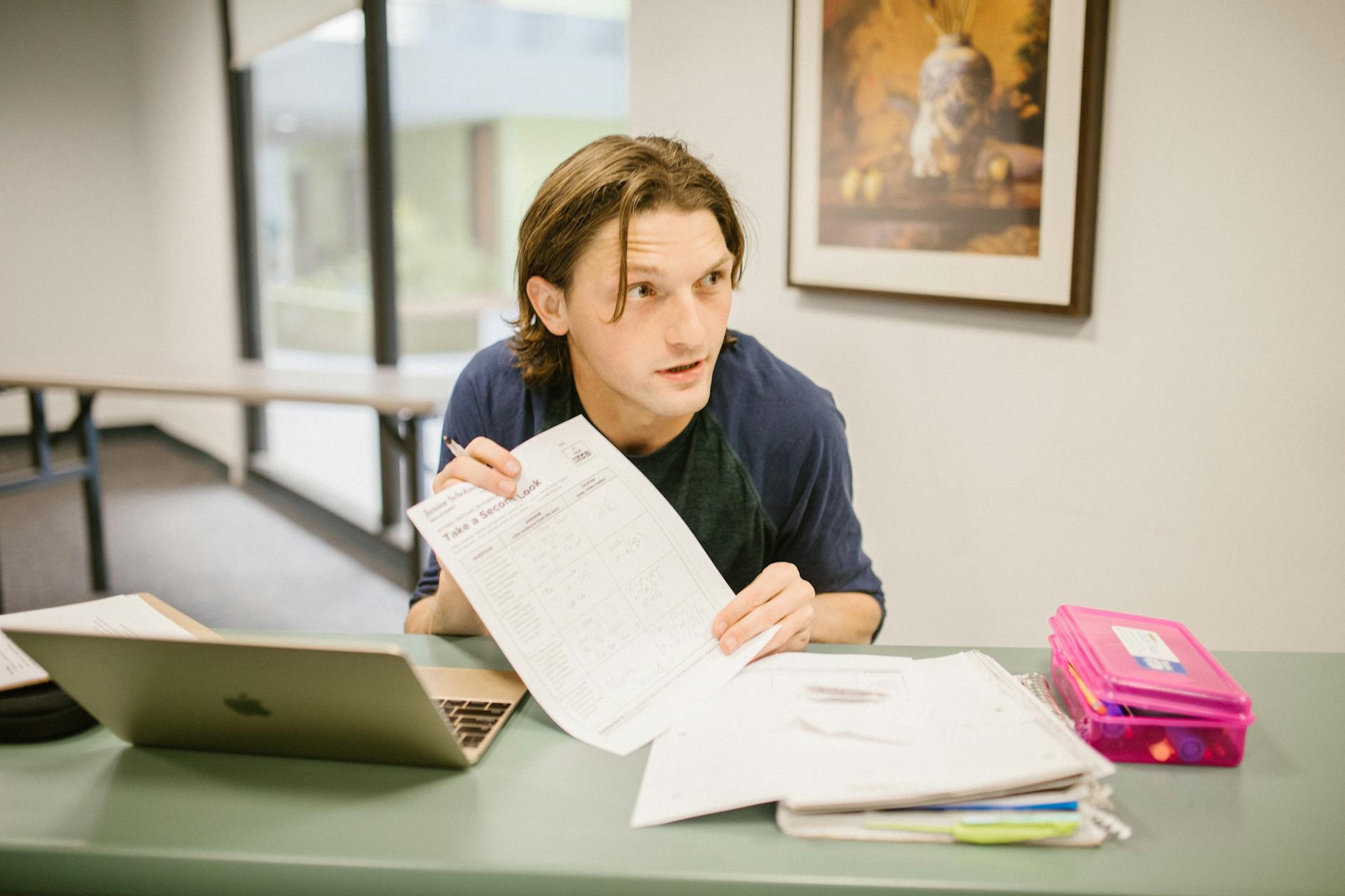
Does the test center change the exam?
CLEP and DSST exams stay standardized no matter where you take them. The provider sets the questions, the score scale, and the time limit, so a 50 on a CLEP still means the same thing at every approved site. CLEP uses a 20-80 scale, and most exams last about 90 minutes, so the center should not change what you earn or how long you sit there. Use that fact to stop worrying about which building has the “harder” test.
The catch: The test center can still shape your day in small but ugly ways. One site may start check-in in 10 minutes, while another takes 25 because the staff wants to verify 2 forms of ID, store your phone, and walk you to the seat one step at a time. That does not change the exam, but it can mess with your focus. If you test before a 2:00 p.m. work shift, pick the place that has the shortest and cleanest intake.
A 35-year-old paramedic studying after 12-hour shifts does not need a “better” exam site. That person needs a center with early morning slots, easy parking, and a proctor who does not act confused when the student shows up tired and carrying a state ID. A community-college transfer student trying to finish CLEP before the fall registration deadline has a different problem: the test date matters more than the brand on the building. If one site offers a seat on Tuesday and another offers one in 3 weeks, the Tuesday slot wins.
Passing at 50 and scoring 80 both get you the same credit at the school that accepts the exam. That means you should spend more time on prep than on obsessing over the address. A center can ruin your mood, but it cannot change the blueprint of the test.

What can vary between locations
A test center can feel calm or cramped, even when the exam stays identical. One student taking CLEP College Composition at a busy community college center may hear doors, footsteps, and printer noise; another at a quieter university lab may get a steadier 90 minutes.
- Seating comfort changes first. Some centers use wide desks and newer chairs, while others squeeze you into a narrow cubicle for 1.5 hours.
- Noise control matters. A site with 12 test takers in one room feels different from a room with 3 people and closed doors.
- Proctor style can swing a lot. One proctor may answer questions fast, while another may make you wait 5-10 minutes for every request.
- Scratch paper rules vary. Some centers hand out 1 sheet at a time; others give a booklet, which helps if you like working problems out in layers.
- Locker space changes the whole start of the day. One center gives you a locker for a backpack and phone, while another asks you to leave everything in the car.
- Photo ID checks can run tight or loose. Bring a government ID anyway, because many centers ask for 2 forms when the name on your ticket does not match perfectly.
- Restroom access can be awkward. A site may pause the clock and escort you out, which can cost 3-5 minutes and break your rhythm.
Availability, fees, and booking traps
The smartest center choice is often about logistics, not academics. A site that sits 18 miles away but offers same-week appointments can beat a closer center with a 6-week wait, especially if you need the score before a tuition deadline or a registration window. Check the calendar first, then the drive time, then the fee. Some centers charge no extra local fee, while others add a proctoring charge on top of the CLEP exam fee, so the cheap-looking option can end up costing more.
Worth knowing: A test center with Saturday hours can save a whole weekday, but it can also book out fast. If you work 40 hours a week, a Saturday slot may be the difference between testing now and waiting a month. Use the schedule to protect your study plan, not just your commute.
- A 25-minute drive with free parking can beat a 10-minute drive with no open seats.
- Weekend hours matter when you work Monday through Friday or take classes from 8:00 a.m. to 3:00 p.m.
- Rescheduling rules can sting. Some sites want 24 to 48 hours’ notice, so read the policy before you pay.
- Local proctoring fees can change the real price by enough to matter, so ask before you book.
- If a center closes at 4:00 p.m., do not book a late exam and hope traffic behaves.
The Complete Resource for CLEP Test Center
TransferCredit.org has a full resource page built for clep test center — covering CLEP/DSST prep with chapter quizzes and video lessons, plus the ACE/NCCRS-approved backup course if you do not pass the exam. $29/month covers both, and credits transfer to partner colleges.
Browse Collections →Online or in-person: what changes
Remote proctoring and in-person testing both use the same exam content, but they do not feel the same. Online testing asks for a quiet room, a stable internet connection, a webcam, and a clear desk, while a physical center gives you a controlled room and a staff member who handles the setup. If your home has a barking dog, a shared apartment, or weak Wi-Fi, the in-person option can feel safer and simpler.
A remote test also brings more identity checks. You may need to show a photo ID, pan your camera around the room, and keep 1 desk clear of papers, drinks, and extra devices. That sounds small, but it can be a pain if you live with kids, roommates, or family who walk through the room every 10 minutes. Use the setup rule to judge honestly whether your space can stay quiet for the full 90 minutes.
A homeschool senior taking 3 CLEPs in one summer might like remote testing for speed, but that same student may choose a center if the home setup keeps getting interrupted. On the other hand, a working adult in a one-bedroom apartment may prefer the lab at a local college because the room blocks distractions and removes the Wi-Fi gamble. Reality check: Online does not mean easier, and in-person does not mean old-fashioned. The better choice is the one that lowers the odds of a tech problem or a focus slip.
If you test online, do the boring checks early: camera angle, internet speed, and room rules. A 15-minute tech check before exam day can save a ruined appointment, and that trade is worth it.
How to pick the right center
Start with the facts, not the vibes. A center that looks polished on a website can still have tight parking, slow check-in, or no seats for 2 weeks, and those details matter more than the carpet color.
- Confirm that the center offers your exact exam, not just “college credit tests.” CLEP and DSST sites do not always host the same titles.
- Compare fees before you book. A $0 local fee sounds nice, but a $25 parking garage or reschedule penalty can flip the math fast.
- Read the rules on breaks, calculators, and scratch paper. Some centers allow a calculator only for certain math exams, and some give you 1 sheet at a time.
- Check appointment times next to your schedule. If your registration deadline sits 10 days away, do not pick a center with a 3-week wait.
- Test the commute once, not on exam morning. A route that takes 22 minutes at 10:00 a.m. can take 45 minutes at 8:00 a.m.
- Ask your school about any exam policy before you pay. A transfer school may accept CLEP but limit how many credits count toward a degree plan.
CLEP test center myths to ignore
A lot of test-day myths sound smart until you check the facts. No approved site makes CLEP or DSST easier, and a university center does not hand out kinder scoring than a community college center. The exam provider sets the rules, not the building.
A student choosing between a downtown community college and a quieter campus site should focus on the room, the seat date, and the local fee, not some magic advantage. If one site has a 2-day opening and the other has a 14-day wait, the faster one may be the smarter play even if the lobby looks less fancy. The same goes for score reports: a 50 is still a 50, whether you test at a large university or a small regional center.
DSST and CLEP also do not get scored differently by location. That misconception wastes time and adds fake pressure, which helps nobody. Skip the rumor mill and choose the place that gives you the best shot at a calm 90-minute run, not a prettier waiting room.
For exam prep that matches the actual test, go to TransferCredit.org and use the resources built for CLEP and DSST study planning.

How TransferCredit.org Fits
Frequently Asked Questions about CLEP Test Center
Most students think a better site means a better score, but what actually works is picking a clean, quiet center with a short check-in line. CLEP and DSST exams use standard scoring, so your score comes from your answers, not the building.
The surprise is that the exam itself stays the same, even if the room, staff, or parking lot changes. A CLEP test center may use different computers, lockers, or ID checks, but the 90-minute CLEP format and official scoring do not change.
If you choose badly, you can lose time, pay extra travel costs, or miss your test date. A center 45 minutes away with limited parking can turn a simple exam day into a 2-hour headache, so check travel time, seat availability, and check-in rules first.
No, it doesn't change the exam content. CLEP and DSST use fixed test forms and scoring rules, but a center can differ in noise level, proctor style, and whether it offers scratch paper or an on-screen calculator.
The common wrong assumption is that the closest site is always the best one. A nearby CLEP test center can still have fewer test dates, higher local fees, or slower check-in than a center 20 miles farther away.
This matters most for you if you need a specific test date, have a tight work schedule, or need ADA accommodations. It matters less if you live near 2 or 3 centers and have open weekends, because then small location differences won't affect your plan much.
Fees can differ by $0 to $30 or more, depending on the center and whether it adds an admin fee. Check the CLEP test center page and the local school's policy before you book, because the exam fee and center fee are not always the same thing.
Start by checking the official CLEP or DSST site for nearby locations, then compare dates, travel time, and any local fees. If one center offers Saturday testing and another only offers weekdays, that difference matters more than the school name.
Most students think a newer building means a better test day, but what actually works is the center with the best date, easiest parking, and clear rules. A simple campus lab can beat a polished private site if it saves you 30 minutes and one extra fee.
The surprise is that online testing can feel stricter than in-person testing. At-home CLEP or DSST testing usually needs a private room, a webcam, and a stable internet connection, while a test center handles the setup for you.
If you pick the wrong format, you can lose your spot or fail the check-in process. A laptop with a weak battery, a noisy house, or a missing ID can stop an at-home exam fast, while an in-person center may be easier if your home isn't quiet for 90 minutes.
Yes, you can often switch, but the exact rule depends on the center and the test date. Some sites let you change or cancel only before a deadline, so check the policy as soon as you book and save the confirmation email.
The biggest misconception is that the site matters more than your prep. It doesn't. Your score still comes from the same CLEP or DSST content, so focus on study time, then use TransferCredit.org for exam prep resources and a smarter test-day plan.
Final Thoughts on CLEP Test Center
Pick the center that lowers friction, not the one with the nicest website photo. CLEP and DSST stay standardized across approved locations, so the real differences live in the room, the staff, the commute, and the booking rules. That sounds small until you sit through 90 minutes with a bad chair, a noisy hallway, and a proctor who moves like molasses. A good choice often comes down to three plain questions: Can you get a seat soon enough, can you get there without stress, and can you sit through the test without extra distractions? If the answer changes because of a 20-mile drive, a 2-week wait, or a $30 local fee, that difference matters. The exam itself does not care which building you pick. Your focus does. Ignore the idea that a fancier campus means an easier score. That story keeps students stuck in comparison mode when they should be checking hours, fees, and rules. A community college site with fast booking can beat a university center with prettier halls, and a remote setup can beat both if your home stays quiet for 90 minutes. Before you book, match the center to your actual life, not your ideal one. Then lock in your date, print your ID info, and walk in ready.
How CLEP credits actually work
Ready to Earn College Credit?
CLEP & DSST prep + ACE/NCCRS backup courses · Self-paced · $29/month covers everything