
Foreign credits do not get turned into U.S. credits by guesswork. TESU looks at the course, the school, the grading scale, the contact hours, and the level of study before it decides what counts. That matters because a 3-year degree from one country can map very differently from a 4-year degree from another. A transcript that looks strong on paper can still need a course-by-course evaluation, plus official English translations and proof that the school held proper accreditation. Skip those pieces, and the file stalls. The smartest move is simple: start with a course-by-course foreign transcript evaluation from WES or ECE, then match that report to TESU’s degree rules. Reality check: A 60-credit diploma does not always become 60 U.S. credits, so do not assume a clean one-to-one swap. Check the contact hours, the term length, and whether the class lines up with lower-level or upper-level credit before you send anything. That same logic helps with deadlines. If a document takes 2-4 weeks to issue, build that time into your plan before you apply, not after admissions asks for a fix. For an international student trying to study in USA transfer credits at TESU, the file wins or loses on paperwork quality, not on hope.
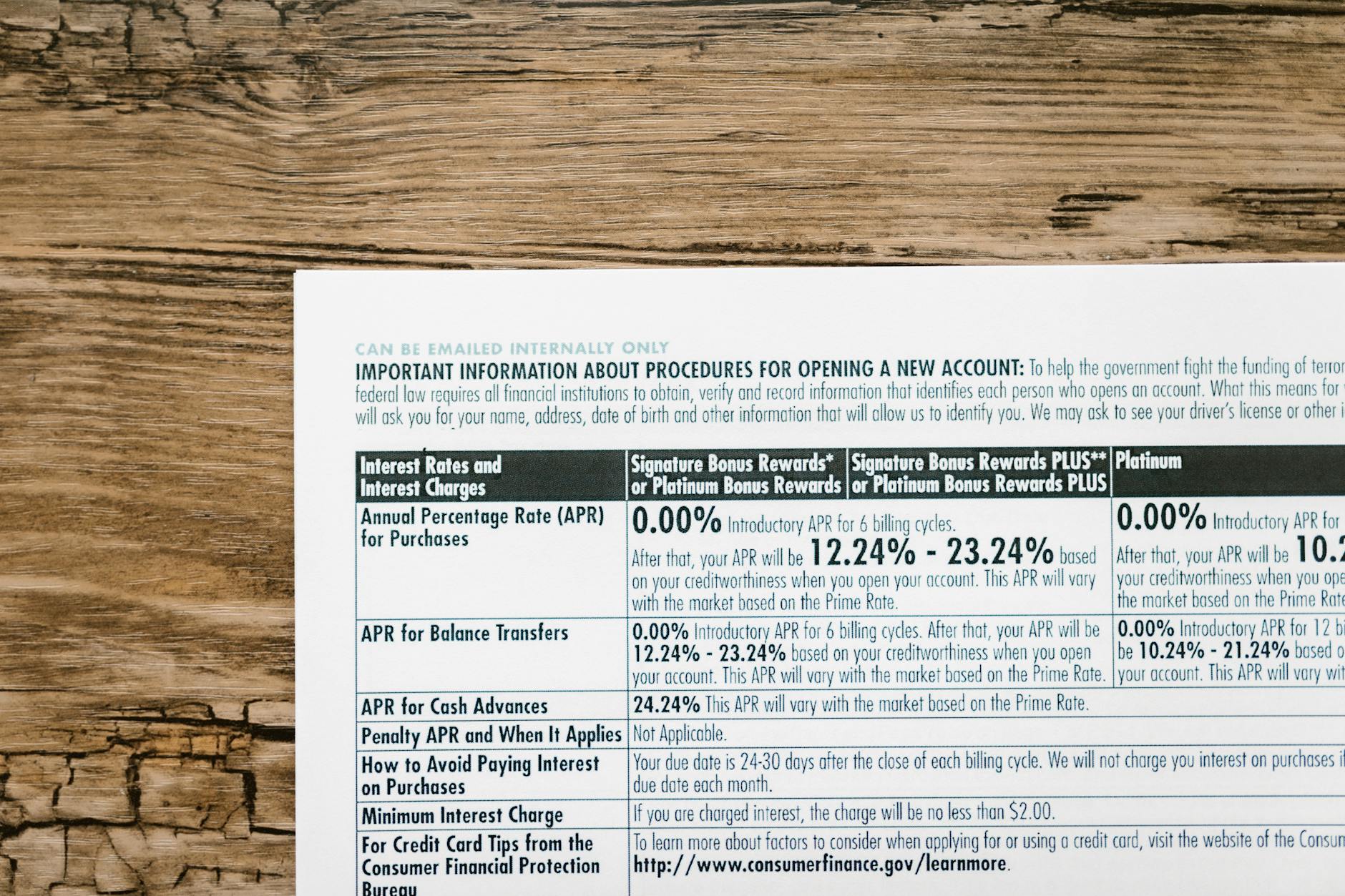
How TESU Reads Foreign Transcripts
A 2-year diploma from one country often maps to fewer U.S. credits than a 2-year associate degree, and that gap matters. TESU looks for actual instruction time, not just the word “degree” on the cover page. If your program used 30 contact hours per course, save that number and send the syllabus, because 30 hours can support a different credit count than a 15-hour lab.
Some prior study counts better than other study. Math, business, computer, and language classes often transfer more cleanly when the syllabus shows fixed weekly hours and graded work. A course with 3 lectures and 1 lab each week gives TESU more to measure than a loose seminar with no clear hour count.
Worth knowing: A strong transcript still loses points if the school cannot prove its status. If your university sits in a national accreditation system, send the proof with the transcript, because TESU may ask how the school fits within your country’s official higher-ed structure. That small document can save 1-2 weeks of back-and-forth.
A degree earned in 2021 does not get a pass just because it is recent. TESU still wants to see the course level, the grading scale, and the source of the document. Clean records beat flashy grades every time.
The Complete Resource for TESU Transfer
TransferCredit.org has a full resource page built for tesu transfer — covering CLEP/DSST prep with chapter quizzes and video lessons, plus the ACE/NCCRS-approved backup course if you do not pass the exam. $29/month covers both, and credits transfer to partner colleges.
See TESU Transfer Guide →
WES vs ECE for TESU Credit Evaluation
WES and ECE both help TESU read foreign coursework, but they do not look exactly the same. WES often works well when you want a fast, widely known report, while ECE can give more detail on course-by-course credit, which helps when TESU needs a closer match for major requirements.
Cost and timing matter here because the wrong choice can slow your TESU admission guide plan by 2-4 weeks. If you need a report for a term start, pick the evaluator that matches the level of detail TESU will ask for, not the one your friend used.
| Column 1 | Column 2 | Column 3 |
|---|---|---|
| Feature | WES | ECE |
| Typical cost | $100-200 | $100-200 |
| Turnaround | 2-4 weeks | 2-4 weeks |
| Report style | Standard course-by-course | Detailed course analysis |
| Best use | General TESU review | Close major-match cases |
| Risk point | Less detail on some classes | More document requests |
ECE usually gives TESU more raw detail, and that can help when a foreign course carries odd credit hours or mixed grading. WES often moves faster in simple cases, but if your transcript has unusual term lengths or a 10-point grading system, the extra detail from ECE can save a later correction.
Documents TESU Usually Wants First
A clean file saves time. If one missing translation can stall a review for 2-4 weeks, it makes sense to gather every paper before you send the packet, not after the evaluator asks for a redo.
- Official transcripts from every college or university you attended. TESU needs sealed or secure-issued records, not screenshots or scanned grade slips.
- A course-by-course evaluation from WES or ECE. That report shows how each class maps to U.S. credit, which matters more than a simple diploma review.
- Certified English translations for any record not written in English. Use a sworn or certified translator, and keep the original language copy with the translation.
- Proof of institutional accreditation or recognition. A ministry approval letter, national registry listing, or accreditor record can help TESU verify the school’s status.
- Syllabi, course outlines, or contact-hour records. A 45-hour course outline can help more than a vague catalog note, especially for upper-level credit.
- Grading-scale documents, if your school uses a 100-point, 10-point, or letter system. TESU and the evaluator need the scale before they can judge the GPA correctly.
- Passport ID page or matching name record, if your transcript uses a different spelling. One name mismatch can slow the file more than a 3-credit course ever should.

Frequently Asked Questions about TESU Transfer
The most common wrong assumption is that TESU accepts foreign transcripts as-is. TESU international transfer review usually needs a course-by-course evaluation from WES or ECE, plus official transcripts and certified English translations if the school didn’t issue them in English.
Your TESU credit evaluation can come back with missing credits or a full rejection, and that can delay admission by 2-4 weeks or more while you fix it. TESU foreign credits move faster when you send the right documents the first time.
WES or ECE usually costs about $100-200, and the review often takes 2-4 weeks. Send a course-by-course report, not a general document check, if you want TESU to map your classes to US credit hours.
Most students send only the diploma and hope TESU fills in the gaps. What actually works is a full packet: course-by-course evaluation, official transcripts, English translations, and proof that the school holds recognized accreditation in its country.
What surprises most students is that TESU looks at course content and credit value, not just the degree title. A 3-year bachelor’s from one country may not match a US 4-year degree line by line, so TESU can split or recode credits.
Start with a course-by-course evaluation from WES or ECE before you submit your TESU application. That one move gives TESU a clean record of each class, grade, and credit hour, which helps avoid back-and-forth later.
This applies to you if your previous degree used English as the main language of instruction and TESU accepts that proof. It doesn’t apply if your transcript, diploma, or school letter doesn’t clearly show English instruction, or if TESU asks for a fresh score.
Yes, TESU accepts foreign degrees for transfer credit review, but the school decides credit by credit after the evaluation. A 120-credit degree from abroad does not always equal 120 US semester credits, so TESU may award fewer or different credits.
The most common wrong assumption is that a high GPA alone will carry your transfer. TESU cares about accreditation, course level, and how your classes match US credit hours, so a strong transcript still needs the right evaluation report.
Your file can stall, and TESU may hold the review until you send the missing item. The usual misses are untranslated records, unofficial copies, or no proof that your school has recognized accreditation, so check those 3 items first.
TESU can map a full degree, but the exact credit count depends on the course-by-course report and your school’s structure. A 3-year degree, a 4-year degree, and a postgraduate diploma can each land very differently, so don’t guess the total.
Most students send one PDF and wait. What actually works is a clean set: official transcript, English translation, course-by-course WES or ECE report, and accreditation proof, all in the exact format TESU asks for on its admission page.
Final Thoughts on TESU Transfer
What it looks like, in order
Ready to Earn College Credit?
CLEP & DSST prep + ACE/NCCRS backup courses · Self-paced · $29/month covers everything