
Engineering transfer plans can fail on one math class. If your target school wants Calculus 2 before admission or before upper-division placement, you need it. If it only asks for Calc 1 and a strong GPA, Calc 2 may wait until after transfer. That single detail changes your cost, timeline, and course load. The safest move is to check the exact department policy, not the general admissions page. Engineering programs often care about math sequencing, especially for ABET-style paths, and they may treat a missing calculus course as a hard stop. A 3-credit math class can decide whether you enter as a junior or lose a term. That means you should verify the requirement before you pay for any course. This article focuses on the course itself, not hype. Calculus 2 is useful for transfer planning because it is one of the clearest signals that you can handle engineering math. It is not a shortcut around physics, labs, design work, or GPA rules. Use it to close a real gap, not to fake readiness.
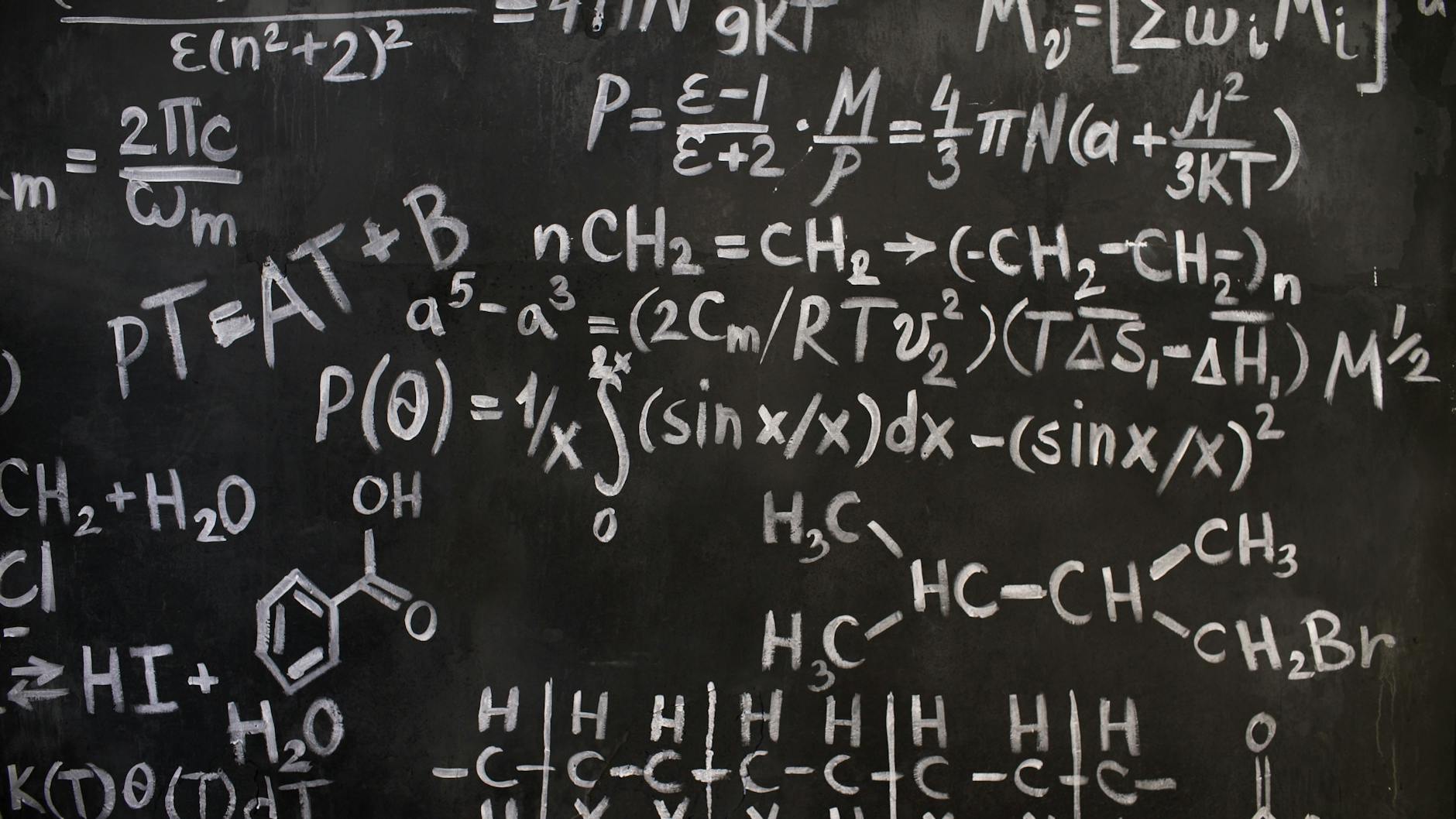
Does Calculus 2 Matter for Transfer
For engineering transfer, Calculus 2 is often a gatekeeper, but not always. Some schools want it completed before admission to the major, while others only want Calculus 1 plus chemistry, physics, and a solid GPA. If a program says "recommended" instead of "required," that usually means you should still take it if you want fewer surprises in junior-year scheduling.
A 3-credit Calc 2 course can be the difference between a smooth transfer and a delayed start. If the school uses a strict prerequisite chain, finish it before application so you do not get blocked from differential equations, mechanics, or circuits. If the policy is vague, email the engineering advising office and ask for the exact course number they accept. The catch: a course that transfers as elective credit may still not satisfy the engineering department, so you need a written yes before you enroll.
A concrete case: a community-college student applying for fall 2026 transfer has one spring term left and 8 hours a week to study. If the target school wants Calc 2 on the transcript by June, that student should prioritize the course now, not after admission. A 6-week delay can push the application into the next cycle, so build the calendar backward from the deadline.
For some students, another math or science class is enough at the transfer stage. If the program only requires pre-calculus readiness or Calculus 1, then Calc 2 is still smart preparation but not mandatory yet. Use the requirement list as your filter: required now, recommended now, or useful later. That keeps you from spending money on a course that does not move your transfer file forward.

What Calculus 2 Actually Covers
A standard Calculus 2 course covers integration techniques, applications of integration, improper integrals, sequences, and series. It also assumes you can handle algebra and trig fluently, because the problems get messy fast. If you are shaky on trig identities or basic manipulation, spend 2-4 weeks fixing that before you start.
Engineering programs care about this because the course trains you to model change and accumulation. That matters in heat flow, fluid volume, signal analysis, and motion. A 16-week semester usually moves from basic antiderivatives into substitution, integration by parts, partial fractions, and series tests. Use that list as your study map, not as trivia.
Worth knowing: many students think Calc 2 is mostly memorizing formulas, but the real work is choosing the right method under time pressure. That is why practice sets matter more than reading notes twice. If you can solve 20 mixed problems in a row, you are closer to transfer-ready than someone who only watched videos.
A 35-year-old paramedic studying after 12-hour shifts should not try to cram the whole course in one weekend. A better plan is 5 nights a week, 45 minutes each, plus one longer session on Saturday. That schedule gives enough repetition to move through 4 major integration methods and the first series tests without burning out. If your life is already full, protect the routine first and the pace second.
What Calc 2 Can and Cannot Replace
A self-paced ACE/NCCRS Calculus 2 course can help you earn transferable credit for about $250, which is far cheaper than many campus sections. That price helps if your goal is transcript credit, but it does not turn the course into a bootcamp, a license, or a job-ready credential. Employers still want projects, internships, labs, and evidence that you can solve real engineering problems. If you are buying the course, buy it for credit and schedule, not for prestige.
- It can replace one 3-credit elective or math requirement, if your school accepts it.
- It cannot replace lab work, design projects, or a portfolio.
- It may save 1 semester and $1,000+ compared with a typical campus class.
- It does not equal a professional certification or a finished engineering foundation.
- It is useful for transfer timing, not for proving job readiness.
Free or cheap prep can still matter, but do not confuse access with outcomes. A $250 course can move your transcript; it cannot move your career alone. If your target program wants a specific calculus sequence, use the cheap path to clear the gate, then focus on physics, CAD, coding, and team projects after transfer. That balance is what employers notice.
The Complete Resource for Calculus 2 Transfer
TransferCredit.org has a full resource page built for calculus 2 transfer — covering CLEP/DSST prep with chapter quizzes and video lessons, plus the ACE/NCCRS-approved backup course if you do not pass the exam. $29/month covers both, and credits transfer to partner colleges.
Browse Calculus Course →A Realistic Transfer Timeline and Cost
The real comparison is time, not just tuition. A traditional campus path may take a full 15-week term, while a self-paced course can fit into 4-8 weeks if you already know the basics. A test-out route can be faster still, but only if your target school accepts the credit. Check that first, because a cheap course that does not transfer is still wasted money.
| Path | Time | Cost |
|---|---|---|
| Campus Calculus 2 | 15 weeks | typically $600-$1,500 |
| Self-paced ACE/NCCRS | 4-8 weeks | about $250 |
| CLEP/DSST route | 2-6 weeks prep | $29/month + exam fee |
| Example savings | 1 term earlier | about $350-$1,250 saved |
| Acceptance | varies by school | confirm in writing |
A student who clears the course in 6 weeks instead of 15 can often meet a fall application deadline without adding a semester. If that saves one term, the money saved can be real, but only if the receiving school posts the credit properly. Use the table as a planning tool, then verify the registrar page before you pay.
Who Should Take Calculus 2 First
If you want engineering transfer credit fast, start with the students most likely to benefit. The right move depends on the school, the deadline, and how much math you already trust.
- Transfer applicants to ABET-style engineering programs should check Calc 2 first. Many departments use it as a placement signal before junior-level courses.
- Students missing one math prerequisite can use it to fill the gap. That is helpful if the target school lists 1 required calculus sequence.
- Anyone trying to apply by fall 2026 should work backward from the deadline. A 4-8 week self-paced window can fit better than a full semester.
- Students with weak algebra should not start here alone. If you miss fraction, trig, or equation basics, spend 2-4 weeks on review first.
- Students without a confirmed target-school policy should pause. A course is only useful if the registrar or advisor will accept the credit.
- Working adults with 5-10 study hours a week can still finish. They need a fixed weekly plan, not a last-minute cram.
Best Next Steps Before You Enroll
Start with the school, not the course. Pull the exact engineering transfer page, note the course number, and check whether it says required, recommended, or accepted as elective. A 2026 transfer plan should be built from the deadline, not from guesswork. If the policy is unclear, email advising and ask for a written answer before you pay.
Next, match the path to the requirement. If the school accepts ACE/NCCRS credit, a self-paced option may work. If it prefers exam credit, check whether CLEP or DSST is accepted for that math slot. A $29/month study subscription only makes sense if the credit path fits your target school, so verify that first and then enroll. If you already have 10-15 hours a week, set a calendar now and aim for one finished course in 4-8 weeks.
A common real-world case: a community-college student with a fall registration deadline needs one clean transcript line before June. That student should confirm the math rule, choose the fastest accepted path, and leave time for transcript posting. If the school also accepts consolidated ACE/NCCRS credit, an Excelsior University OneTranscript may help keep records tidy, but only if the destination school wants that format.
Browse the Calculus 2 course category when you are ready to match the right credit path: Calculus 2 courses.

How TransferCredit.org Fits
Frequently Asked Questions about Calculus 2 Transfer
Most students think Calculus 2 is always required first. It isn’t. Many engineering programs want Calc 1, physics, and chemistry before transfer, then they place you into Calc 2 after admission. Check the exact degree map, because one missing math class can push your start back 1 full term.
Most students cram every math class they can find, then miss the transfer rule that actually matters. What works is matching the target school’s transfer sheet, then filling only the math slots that school lists, often Calc 1, Calc 2, and one physics sequence.
If you skip a required math class, the school can admit you but still block junior-level engineering courses. That can cost you 1 extra semester and thousands in tuition, since many engineering programs lock core classes behind Calc 2 or a placement test.
Start with the target school’s engineering transfer guide, then compare it with the course list for your major. If the guide says Calc 2 is required, take it before transfer; if it says Calc 1 plus placement is enough, don’t waste 3 months on extra math.
This applies to transfer students aiming at mechanical, civil, electrical, or chemical engineering. It does not fit a student moving into business, psychology, or IT, where Calc 2 often never shows up as a hard transfer gate.
The biggest wrong assumption is that one calculus course proves you’re ready. Engineering schools care about the full math chain, and many want Calc 1, Calc 2, differential equations, and physics before they treat you like a real upper-division student.
No, a self-paced Calculus 2 course can’t replace an accredited transcript. It can help you learn the material and fill a gap, but the school still decides whether it counts for transfer, so you need to match it to a real ACE, NCCRS, or school-approved credit path.
A flat $250 ACE/NCCRS course is far cheaper than 3 credits at a public college, which often runs $300 to $600 per credit before fees. That does not make it a degree shortcut; it just lowers the price of proving you can handle the math.
The part that surprises most students is that passing Calc 2 with a C can matter more than taking a fancy prep path. If your school wants the credit, a clean transfer beats a prettier résumé line, and over 2,900 U.S. colleges accept CLEP while 2,100+ accept ACE/NCCRS credit.
Most students buy a full semester they don’t need. What actually works is using a $29/month CLEP or DSST prep plan only for the exams tied to real transfer credit, then moving into a $250 self-paced course only when the school accepts that format.
You’ll waste time and money if you expect Calculus 2 to act like a bootcamp or a professional cert. Employers care about projects, lab work, internships, and ABET-style coursework, and a math course only proves one slice of readiness.
Check your target school’s transfer page, then pick the cheapest credit path that matches its rules. If you need transferable math, use TransferCredit.org with UPI Study for a self-paced course or exam prep, and browse the calculus course category here: [Promoted Link].
Final Thoughts on Calculus 2 Transfer
Calculus 2 is worth taking before transfer when the engineering department needs it, when your schedule is tight, or when you want to avoid a delayed junior-year start. It is less important if the school only wants Calculus 1 for admission and lets you finish the rest after transfer. The key is not the label on the course; it is whether the course closes a real requirement. Treat the class like a gate, not a trophy. If you need it, finish it with enough time for the transcript to post and the advisor to confirm acceptance. If you do not need it yet, spend your time on the next bottleneck: physics, chemistry, programming, or GPA repair. That is how transfer students keep momentum. One smart move now can save one full term later. Check the policy, choose the accepted path, and start the course that moves your file forward.
How rank usually moves
Ready to Earn College Credit?
CLEP & DSST prep + ACE/NCCRS backup courses · Self-paced · $29/month covers everything