
Bellevue University does accept CLEP credits, and that can save you 1 class, 3 credits, or even a full term if your degree plan lines up. The catch is simple: the exam alone does not decide the credit. Bellevue’s course match, score rule, and degree cap decide what lands on your record. CLEP stands for College Level Examination Program. The College Board runs it, and most exams use a 20-80 score scale with 50 as the standard passing mark. That matters because a 50 is not a vague “good try” score; it is the line that schools use to award credit, so study for a pass, not a perfect score. A working adult with 5 hours a week can use CLEP to skip a 3-credit class, but a transfer student with 90 credits already on file needs to check how much room Bellevue still has left. Same exam. Very different payoff. That is why the school’s own policy beats random forum advice every time. The real question is which exams Bellevue accepts, how many credits it will count, and whether your score lands at the right cutoff before you pay for the test.
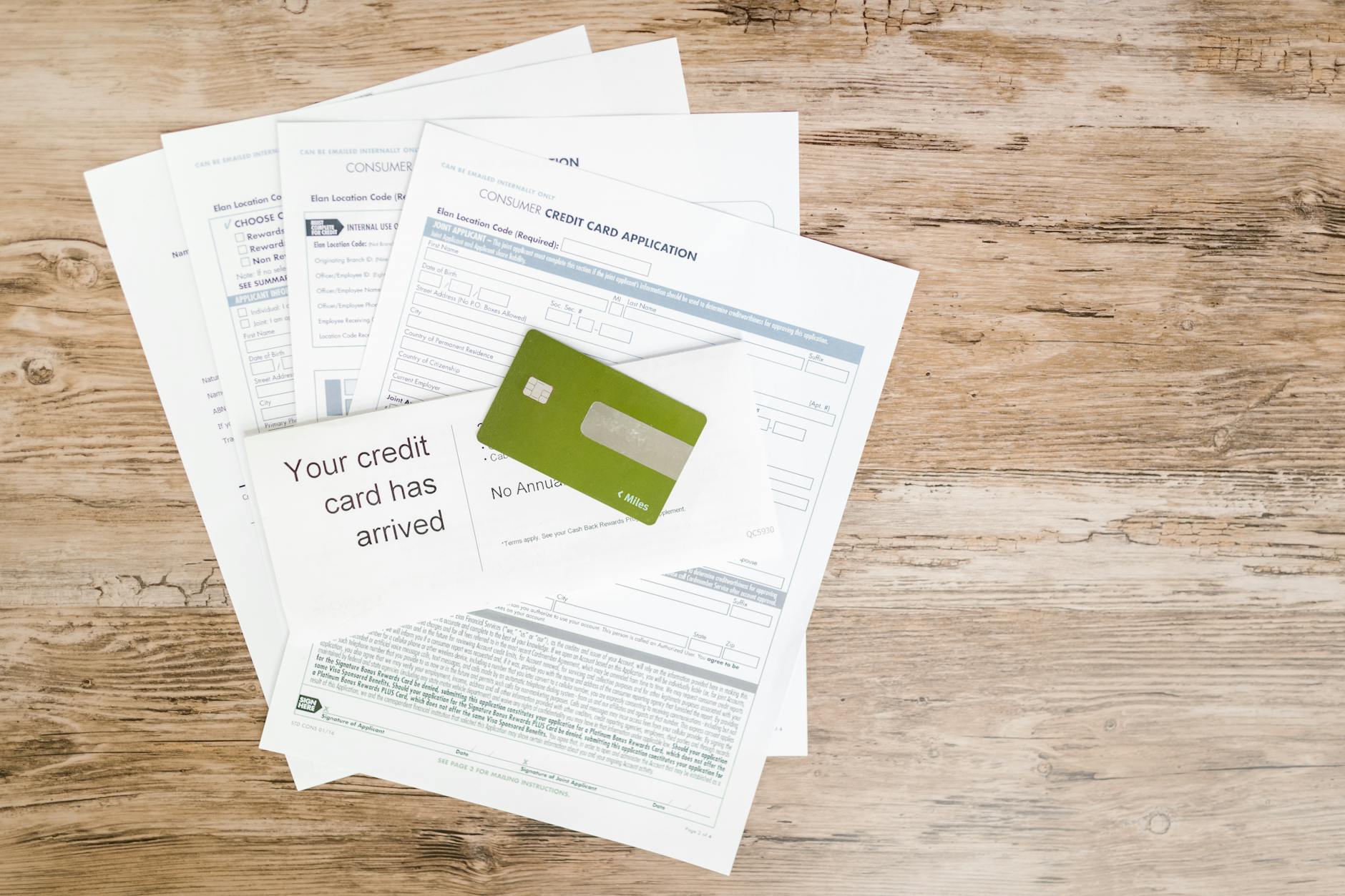
Bellevue University and CLEP Basics
Bellevue University accepts CLEP credits as a form of credit by exam, so the answer to does Bellevue University accept CLEP credits is yes. CLEP lets you earn college credit without sitting through a full 16-week class, and that matters when tuition, time, and scheduling all hit at once. The College Board runs the program, and the standard CLEP exam format gives you 90 minutes for most tests, which means you need fast recall, not marathon studying.
CLEP works best when you already know part of the subject or can learn it fast. A 3-credit class can cost far more than a CLEP exam, so one passing score can save real money. Use that fact to pick exams tied to classes you would otherwise pay full price for, not random subjects that sound easy.
The catch: A student who has already taken 60 credits at a community college does not need more “general” credit. That student needs CLEP exams that match Bellevue course slots, because extra credit with no home in the degree plan just sits there useless.
A 35-year-old paramedic working 12-hour shifts may only have 4 to 6 study hours a week. That person should target one exam first, schedule it before a busy month, and avoid stacking 3 tests in the same week. A homeschool senior with 3 summer CLEPs has a different problem: the scores must arrive early enough for fall registration, or the credit will miss the schedule window.
CLEP is not a shortcut around all college rules. It is a tool. Use it on classes Bellevue already accepts, and use the school catalog as your map before you pay for the exam.

Which CLEP Exams Bellevue Recognizes
Bellevue recognizes CLEP credit in several common lower-division areas, but the exact match depends on the course title and your degree path. A 50 on the exam does not help if Bellevue has no matching course slot, so check the fit before you test.
- General education exams often line up with 3-credit lower-level courses, especially in writing, humanities, and social science areas.
- Introductory Psychology often matches a standard 3-credit psychology requirement, but you still need Bellevue to map it to the right course code.
- Educational Psychology can help in education-related plans, yet some degree tracks limit how many psychology-style credits they count.
- Business exams are common picks for transfer credit, but upper-division business requirements usually need regular coursework, not CLEP.
- Math and composition exams can help clear general education slots, though some programs require a placement test or a writing course instead.
- Some exams do not satisfy major-specific requirements even when Bellevue awards elective credit, so a passed test can still miss your graduation checklist.
- Degree programs with licensure rules, like nursing or teacher prep, often restrict exam credit more tightly than a general studies degree.
Reality check: A 3-credit elective and a 3-credit major course are not the same thing. If you test out of the wrong class, you save time but lose degree progress, and that is a bad trade.
Bellevue’s CLEP policy page for Bellevue University is the place to compare your exam plan against your degree audit before registration.
Bellevue’s Score Rules and Credit Caps
Bellevue follows the standard CLEP passing score model, which means 50 is the cutoff you should treat as your target. That number matters because schools rarely reward extra points beyond the pass line with extra credit, so chasing a 70 instead of a 50 does not change the transcript result. Study to cross 50 with room to breathe, then stop burning time on tiny details that do not raise your credit.
Most CLEP exams use a 20-80 scale, and the College Board reports scores after test administration. If your score lands below 50, Bellevue will not treat it as earned credit, so retest only after you fix the weak spots that dragged you down. A 48 is not “almost there” in policy terms.
Bellevue also limits how much CLEP credit can count toward a degree, and that cap matters as much as the score. Schools usually cap exam credit or transfer credit somewhere inside their degree rules, so a student trying to stack 30 or 40 CLEP credits needs to verify the ceiling before ordering more tests.
A community-college transfer student with 76 completed credits may only have room for a small number of exam credits before hitting the degree limit. That student should check the remaining credit space in the Bellevue catalog, then choose the exams that replace required courses first. A 35-year-old paramedic with 4 hours a week does better with 1 exam that fits cleanly than 3 exams that only produce electives.
Bottom line: Passing at 50 and scoring 80 both serve the same purpose if Bellevue awards the same course credit. That is why spend your energy on the hardest question types, not on perfecting every obscure fact.
If Bellevue counts a CLEP exam as elective credit instead of direct course credit, that still helps only if your degree plan has elective room left. Use the degree audit first, then choose the exam second, because the cap and the match decide the real value.
The Complete Resource for Bellevue CLEP Credits
TransferCredit.org has a full resource page built for bellevue clep credits — covering CLEP/DSST prep with chapter quizzes and video lessons, plus the ACE/NCCRS-approved backup course if you do not pass the exam. $29/month covers both, and credits transfer to partner colleges.
See Bellevue CLEP Prep →Submitting CLEP Scores to Bellevue
Bellevue cannot use a score sitting in a vacuum. You have to take the exam, send the score, and then watch for the credit to show up in your record. The process is simple, but order matters, and one missed step can slow a 3-credit transfer by days or longer.
- Register for the CLEP exam through the official College Board process and pick the subject that matches a Bellevue course slot.
- Take the exam and keep your score report details handy, since most CLEP exams use the 20-80 scale and 50 is the mark you need to clear.
- Send your official CLEP score to Bellevue University through the College Board score recipient process as soon as the test is done.
- Check your Bellevue student account or degree audit after the score arrives, because one 3-credit exam should map to one course or elective slot.
- Contact Bellevue’s registrar or transfer office if the credit does not post after the normal review window, especially if you need the result before a registration deadline.
A winter-term student who tests in early November should send scores right away, not after the holidays. A 2-week delay can push credit past advising or enrollment dates, and that can wreck a clean schedule.
Bellevue CLEP details can help you line up the exam with the course you want before you pay the fee.
Worth knowing: The score sends faster than most students expect, but the school still needs time to match it to the right course. Fast score delivery does not mean instant posting.
How Long Bellevue Takes to Evaluate
Once Bellevue receives your official CLEP score, the review usually moves in a standard registrar timeline rather than an instant one. You should expect a short evaluation window, then a posting step after the credit matches the right course or elective slot. That can take a few business days, and in some schools it stretches longer during peak registration periods.
A student who tests 10 days before a fall add-drop deadline should not wait to see the credit before making a backup plan. Build in time for score transmission, evaluation, and any advisor check, because one missing posting can block a schedule change or force a class registration you meant to avoid.
The smart move is to test 3 to 4 weeks before you need the credit on your record. That gives Bellevue room to review the score, compare it to the degree audit, and fix any mismatch before the deadline hits. If your timeline is tighter than that, call advising before you register for the exam.
What this means: A homeschool senior taking 3 CLEPs in one summer should not wait until August to start. Score timing, credit review, and fall registration all stack together, and one late transcript note can undo a month of work.
Evaluation speed is helpful, but it is not magic. A clean submission and a little calendar padding beat last-minute panic every time.
What to Do Before You Test
Bellevue’s rules can change by catalog year, degree, and department, so checking the current policy before you test saves money and time. A 3-credit exam only helps if it fits your plan, and a single wrong pick can waste one test fee plus weeks of study. Build your plan from the degree audit first, then pick the exam second.
- Match each exam to a Bellevue course slot before you register.
- Check the current score rule so you aim past 50, not around it.
- Leave 3 to 4 weeks before a deadline for score review.
- Use a prep plan that covers the exact exam, not a random study pack.
- Review Bellevue CLEP options here before you pay for the test.
A 4-hour-a-week study schedule can work, but only if you choose the right exam and stop guessing. That is why a focused prep bundle beats a pile of scattered notes.

How TransferCredit.org Fits
Frequently Asked Questions about Bellevue CLEP Credits
The common mix-up is thinking every college handles CLEP the same way. Bellevue University does accept CLEP credits, but you still need to match the exam to Bellevue’s transfer rules, and some subjects only count in certain degree plans or as elective credit.
You can waste time and money on an exam that won’t help your degree audit. Bellevue University accepts CLEP, but if the exam doesn’t line up with your program, you may get elective credit instead of the course you wanted, so check the exact course fit before you test.
Yes, Bellevue University accepts CLEP credits for some general education and lower-level requirements, but the exact match depends on the exam title and your program. Bellevue follows transfer rules by subject area, so a 50 on one CLEP can fill a requirement while another CLEP only comes in as elective credit.
24 semester credits is the number many schools cap for exam credit, and Bellevue uses its own transfer rules, so check your degree plan before you stack up tests. If you’re trying to finish a 120-credit bachelor’s degree, use CLEP for the first 15 to 30 credits only if Bellevue shows room for them.
This applies to undergraduate students who want faster degree progress; it doesn’t help much if you need upper-level major credit or graduate credit. Bellevue University accepts CLEP for certain lower-level requirements, but most master’s programs and many major courses won’t take exam credit.
Most students guess, then test, then hope. What actually works is checking Bellevue’s transfer chart first, picking CLEP exams that match open course slots, and using the 50-point passing standard as your target, since CLEP scores run from 20 to 80.
Start with your CLEP exam order on the College Board site and list Bellevue University as the score recipient before you test. Then save your exam name, test date, and score report, because Bellevue needs the official score file to review the credit.
The thing that surprises most students is that a 50 and an 80 both get you the same credit result if Bellevue approves that exam. Don’t over-study for a perfect score when the school only cares about clearing its transfer rule and matching the right course.
The common wrong assumption is that every CLEP exam counts the same way. Bellevue University accepts CLEP credits, but subject rules still matter, and some exams only satisfy elective space or lower-level gen eds instead of a major course.
You slow everything down. Bellevue can’t post credit without the official College Board score report, and if you skip the score recipient step or miss your program match, you may wait through an extra evaluation cycle before the credit shows up.
Yes, Bellevue University accepts CLEP credits, and official review usually takes about 1 to 3 weeks after Bellevue gets the score report. If your degree audit already shows the right course slot, the credit can post faster; if not, expect a manual review.
Final Thoughts on Bellevue CLEP Credits
Bellevue University accepts CLEP credits, but the school still controls the real outcome through score rules, course matches, and credit caps. That means you do not win by taking more exams. You win by taking the right ones. A 50 on the CLEP scale gets you credit if Bellevue maps the exam to the degree plan, and a 3-credit match helps only if your program still has room for it. Those two facts should shape every move you make before registration. Ignore them, and you can end up with a good score that does almost nothing for graduation. The smart order is simple: check your degree audit, confirm the Bellevue course match, pick the exam, and leave enough time for score review before your deadline. A student with a summer test plan should start before the calendar gets crowded, not after. If you want the cleanest path, use the school policy first and your study plan second. Then take the exam early enough to leave yourself room for one more shot if life gets messy.
How CLEP credits actually work
Ready to Earn College Credit?
CLEP & DSST prep + ACE/NCCRS backup courses · Self-paced · $29/month covers everything