
UVA does accept CLEP credit, and that can save real time if you plan it right. The catch is simple: UVA only grants credit for certain exams, and the credit has to match UVA course rules, not just your own degree plan. A score of 50 on a CLEP exam means something only if UVA lists that exam as acceptable for the right subject area. CLEP stands for College Level Examination Program. The College Board runs it, and most exams use a 20-80 score scale with 50 as the usual pass point. That matters because a 50 can turn into transcript credit at one school and nothing at another. UVA sits in the first group, but not for every CLEP subject. A student trying to shave off 1 semester of gen eds needs to check UVA’s rules before paying for a test date. A 19-year-old transfer student and a 32-year-old working adult both face the same thing: the exam has to line up with UVA’s approved credit chart, or the score just sits there unused. That is the part people miss. Reality check: Passing CLEP does not mean UVA will count the credit the same way for every program. Arts and Sciences, Engineering, and certain majors can treat the same exam differently, so the smart move is to match the exam to the exact course you want to replace.
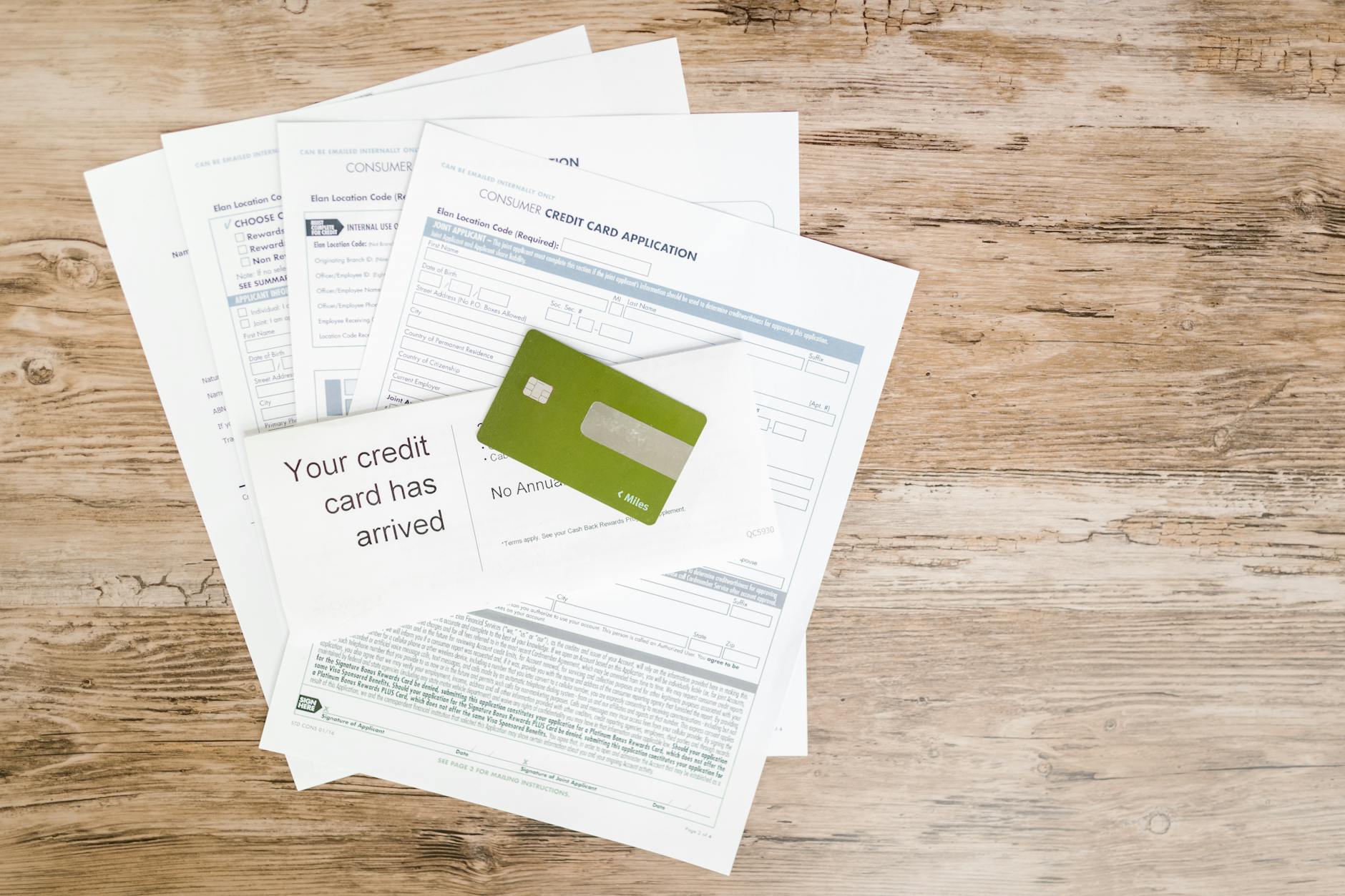
Does University of Virginia Accept CLEP Credits?
Yes, the University of Virginia accepts CLEP credits for eligible exams and subjects. However, passing a CLEP exam does not automatically mean the credit will satisfy a specific degree requirement. UVA determines how the credit applies based on the approved exam, score, and applicable program or school requirements.
Students should check the current UVA transfer and exam-credit information before registering for a CLEP test. This helps confirm that the exam can provide useful credit toward their degree rather than simply producing a passing score.
UVA’s CLEP Policy, Plain and Simple
UVA accepts CLEP credit, but it does not hand out blanket credit for every exam. The school checks two things first: whether UVA recognizes the subject and whether that score matches the course credit it uses on its transfer chart. That means CLEP works as a shortcut for some general education areas, not as a free pass for every class you want to skip.
CLEP comes from The College Board, and most exams use a 90-minute format with a 20-80 score scale. The standard pass point sits at 50, so a student should aim for at least that score before counting on credit. The catch: a 50 on one exam can replace a course at UVA, while the same 50 on another exam does nothing, so the subject match matters as much as the score.
UVA’s own rules also matter because degree programs set their own limits. A student in a liberal arts path may get different treatment than someone in a lab-heavy major, and a course used for one requirement may not satisfy a more specific class later. That is why a 3-credit intro course can help with one requirement but fail to cover a major-specific prerequisite.
Think about a 35-year-old paramedic studying after 12-hour shifts. If she can spare 5 hours a week, she should pick one approved CLEP first, not three at once, because UVA will only post credit that fits its published chart and her program rules. A community-college transfer student who wants to finish before fall registration should check the CLEP list before buying a seat, then line up the exam with the exact UVA course area that still has room in the plan.
Bottom line: Treat CLEP as a targeted tool, not a blanket degree hack. UVA gives credit when the exam, score, and degree path all line up, and that three-part test shapes every result.

Which CLEP Exams UVA Recognizes
UVA does not treat every CLEP exam the same way. Some exams map to specific UVA subject credit, while others hit only elective space or get limited by school rules. The table below shows the kind of matches students usually need to check before paying the $93 CLEP exam fee plus any test-center charge.
| Column 1 | Column 2 | Column 3 |
|---|---|---|
| American Government | Govt / general education | Usually subject-specific, not major core |
| College Composition | Writing / composition area | Score 50+; may not replace upper-level writing |
| College Algebra | Math elective or requirement | Depends on placement and degree track |
| Introductory Psychology | Psychology credit area | Check Arts & Sciences rules |
| Principles of Microeconomics | Economics credit area | Often tied to social science credit |
| Business Law | Business-related elective | May not satisfy major-specific law courses |
Worth knowing: UVA’s list changes by department, not by rumor. A student should verify the current course match in the UVA transfer credit chart before scheduling a test, especially if the plan depends on one 3-credit requirement.
The counterintuitive part: the hardest-looking exam is not always the best one to take. A student with 6 weeks before a deadline often gets more value from a clean match like College Composition than from a flashy subject that only lands as elective credit.
Which CLEP Exams Does UVA Accept?
The CLEP exams UVA accepts can vary in how the resulting credit applies to a student's degree. Some exams may provide subject-specific credit, while others may count differently depending on the student's school, major, or degree requirements.
Before taking an exam, compare the CLEP subject with the exact requirement you want to fulfill. This is especially important when you are using CLEP to satisfy a prerequisite, general education requirement, or elective.
UVA CLEP Score Requirements
Your UVA CLEP score matters because CLEP credit is based on meeting the applicable score requirement for an approved exam. A passing score alone does not guarantee that the resulting credit will fulfill the particular requirement you have in mind.
Students should confirm the required score and credit equivalency for their specific CLEP exam before scheduling the test. Checking these details in advance can prevent taking an exam that does not provide the type of credit needed.
Scores, Thresholds, and Credit Limits
UVA uses the CLEP score rules that line up with the College Board scale, and the number that matters most is 50. That score acts as the usual pass line for credit, so a student should not treat a 48 as “close enough” if the school chart says 50. On CLEP’s 20-80 scale, 2 points can mean the difference between credit and another test date.
Credit limits matter just as much. UVA does not let CLEP replace an unlimited share of a degree, and some schools within UVA set tighter caps than the university-wide policy. What this means: a student who passes 4 CLEPs should still check how many of those credits actually fit the degree audit before assuming the whole stack will count.
A homeschool senior taking 3 CLEPs in one summer needs to think like this: if each approved exam carries 3 credits, that still adds up to only 9 credits, and UVA may place a ceiling on how much of the degree can come from exam credit. That student should spread the exams across subjects that UVA already recognizes, not pile all the effort into one area that only covers an elective slot.
A 50 also changes how you study. If you only need a pass, you should spend your time on high-yield facts, not on chasing perfect scores that UVA will treat the same way once the credit posts. That is the part most prep plans miss, and it wastes weeks.
A student aiming for 12 credits from CLEP should do the math before test day: 4 exams at 3 credits each equals 12 credits, but the degree cap may sit lower. Use that number to decide whether CLEP fills a gap or just saves one class in a packed schedule. A plan built around the cap keeps you from collecting nice scores that do not move graduation any faster.
Reality check: A higher CLEP score does not usually buy extra credit at UVA once you clear the threshold. The smart move is to pass cleanly, then stop over-studying and move on to the next requirement.
The Complete Resource for UVA CLEP Credits
TransferCredit.org has a full resource page built for uva clep credits — covering CLEP/DSST prep with chapter quizzes and video lessons, plus the ACE/NCCRS-approved backup course if you do not pass the exam. $29/month covers both, and credits transfer to partner colleges.
Get CLEP Prep Bundle →How to Transfer CLEP Credits to UVA
After completing an eligible CLEP exam, students need to make sure their official CLEP score report reaches the University of Virginia through the appropriate College Board process. Once UVA receives the official score, the credit can be evaluated and posted according to the applicable rules.
Keep your exam details and score information available until the credit appears on your student record. If the credit does not appear within the expected processing period, contact the appropriate UVA office with the exam and score information.
How to Send CLEP Scores to UVA
UVA only reviews CLEP credit after it receives the official score report, so the process matters. Do the steps in order, and keep your documents clean. A missing score report can stall credit even when you passed with a 60.
- Take the CLEP exam through a test center or approved site and keep your score confirmation. Most exams last 90 minutes, so plan your day around that window.
- Use the College Board score send process to direct your official CLEP results to the University of Virginia. If you miss this step, UVA cannot evaluate the credit.
- Check that your UVA student record matches your full legal name and student ID. A small mismatch can slow posting by 1-2 weeks.
- Review UVA’s transfer credit page after the score sends, and match the exam to the exact course or credit area you want. A 50 is the usual threshold, so verify that your score clears it before you wait on review.
- Follow up with the registrar or transfer credit office if the score has not posted after the normal review window. Bring the exam name, test date, and official score report number.
A student who takes CLEP in April and wants the credit on a summer schedule should send scores the same week, not a month later. That small move saves time when registration opens and classes fill fast.
How Long UVA Takes to Decide
UVA usually needs a short but real review window after it gets the official CLEP score report. In most cases, students should expect 2-4 weeks for evaluation and posting, though busy periods around registration can stretch that longer. That timing matters if you need the credit before add/drop dates, housing billing, or fall course selection.
A community-college transfer student trying to finish before the August registration rush should send the score as soon as the exam ends and then check the student record weekly. If the credit has not posted after 4 weeks, that student should follow up with the registrar and have the exam date, score, and College Board send confirmation ready.
The catch: summer and early fall can slow things down because offices process more transcripts and transfer files at the same time. A student who waits until the last 7 days before classes start usually loses the chance to fix a paperwork miss, so the smarter move is to test 1-2 months before the deadline.
A 52 or 55 on the exam does not speed up review by itself; the paperwork does. That means students should focus on accurate score sending, not on chasing a better number once they already passed. The delay usually comes from processing, not from the score value.
If UVA has not posted the CLEP credit after a month, the student should ask whether the score arrived, whether the exam matches a listed course, and whether the degree program adds extra checks. Those 3 questions solve most bottlenecks without a long back-and-forth.
Turn UVA CLEP Into Easy Credit
A smart CLEP plan at UVA starts with one hard rule: match the exam to the credit chart before you pay for the test. That saves money, and it saves the weird feeling of passing an exam and still not getting the class you wanted. A 90-minute test and a 50-point pass line can buy real progress, but only if the course match lands in the right place.
- Start with one approved subject that fits a 3-credit gap.
- Check the cap before taking 2 or 3 exams in one term.
- Send official scores right after the test, not weeks later.
- Use the summer window if you need 2-4 weeks for posting.
- Pick prep that matches the exact exam, not a random study pack.
For students who want a cleaner prep path, the CLEP bundle gives you full chapter quizzes, video lessons, and practice tests for $29/month. TransferCredit.org also gives a backup ACE-recommended or NCCRS-recognized course if you fail the exam, which takes a lot of pressure off a one-shot test. That setup helps when you want credit either way and do not want to start over from scratch.
Educational Psychology and Introductory Psychology are good examples of how targeted prep can line up with a school’s subject rules. TransferCredit.org keeps the path simple for students who want exam prep first and a backup credit route if the test day goes sideways.
How TransferCredit.org Fits
UVA CLEP Credits: What to Check Before Taking an Exam
Before taking a CLEP exam for UVA, check these four things:
- Whether UVA currently accepts the specific CLEP exam
- The required CLEP score
- How the exam credit applies to your degree
- Any applicable credit limits or program restrictions
This quick check can help you choose a CLEP exam for UVA that actually moves you closer to completing your degree.

Frequently Asked Questions about UVA CLEP Credits
The common wrong assumption is that UVA ignores CLEP, but it does accept CLEP credits for some subjects. CLEP exams come from The College Board, use a 20-80 score scale, and most exams pass at 50. UVA decides which scores fit your degree plan.
Most students send scores first and ask questions later, but what actually works is checking UVA’s transfer credit policy before you test. You save time if you match your CLEP exam to a course already on UVA’s credit list, then submit official scores after you pass.
This applies to undergraduate students who want to earn credit by exam at UVA, and it doesn’t apply the same way to every school inside the university. Subject rules can differ by department, so a CLEP that fits one requirement may not fill another.
Start by logging into your College Board CLEP account and sending an official score report to the University of Virginia. Then compare your score with UVA’s posted CLEP policy and keep your exam date, score report, and course match in one file.
What surprises most students is that passing a CLEP with a 50 does not mean every 50 counts the same way at UVA. Some subjects only satisfy specific requirements, and a few departments limit or reject certain exams, so the match matters as much as the score.
If you send the wrong exam or miss UVA’s subject rule, you can lose a term of credit and still pay the test fee, which is usually about $93 plus a test-center fee. That hurts most when you planned your fall schedule around 3 or 6 credits.
UVA caps CLEP use by degree and department, so you need to check the current limit before you stack exams. If your program allows only a small number of exam credits, stop after the credits that count toward your major or gen-ed rule.
Yes, UVA accepts CLEP credits in approved subjects, but not every CLEP exam fits every degree requirement. You need to check the exact subject list and score rule, because one exam can count as elective credit while another can satisfy a written or language requirement.
The common wrong assumption is that once UVA accepts one CLEP, every CLEP works the same way. That's not how it works, because some exams hit only lower-division credit and some programs block exam credit for upper-level major work.
Most students wait until after registration stress hits, but what actually works is sending scores 2 to 4 weeks before you need the credit posted. UVA’s evaluation can take time, and an official score report gives the registrar what they need to match your exam fast.
This applies to you if you want a fast study plan, official-style practice, and a pass-or-free guarantee from TransferCredit.org’s CLEP prep bundle, and it doesn’t apply if you already know you’ll skip prep and take the risk. Use it before your test date if you want a cleaner path to UVA credit.
Final Thoughts on UVA CLEP Credits
UVA gives CLEP credit, but the school asks for more than a passing score. The exam has to match the right subject, the score has to clear the threshold, and the credit has to fit the degree rules. That sounds picky, and it is. Still, the system rewards students who plan early, because a single approved 3-credit exam can save a whole class slot. The best move is boring in a good way. Pick the exact UVA course area you want to replace, check whether the CLEP subject matches it, and send the official score right away after test day. A student who does that in April, May, or June has a much easier path than someone who waits until the week before registration and then starts asking why the credit has not posted. One more thing. A CLEP pass does not need to become a study marathons-and-flashcards story. If the school only needs a 50, then chasing a 78 usually burns time that could go to the next class or the next requirement. That is a hard lesson, but a useful one. Check UVA’s current transfer credit page, match your exam, and set your test date with enough room for the score to post before your deadline.
How CLEP credits actually work
Ready to Earn College Credit?
CLEP & DSST prep + ACE/NCCRS backup courses · Self-paced · $29/month covers everything