
A CLEP score does not help you until DePaul can see it, match it, and post it. For School for New Learning students, that means three things matter fast: the right exam, an official College Board transcript, and a clean send to DePaul’s records office. Skip one step and you can sit on credit for weeks. DePaul does not read your memory of the test, and an unofficial score printout does not carry the same weight as an official record. The registrar checks the exam name, score, date, and your student file, then decides how it fits your program. That can save a working adult 1 course or 2 courses, but only if the paperwork lines up. Reality check: Passing CLEP at 50 gives you the same credit outcome as a higher score at most schools that accept the exam, so a 72 is not “worth more” once the credit posts. That means you should aim for a clean pass, not a perfect score, unless your own program has a higher bar. A community-college transfer student who wants to register for fall classes in September should start the transcript order as soon as the score posts, not after the add-drop scramble begins. The same rule helps a 35-year-old paramedic studying after 12-hour shifts, because waiting 2 extra weeks can push credit past a registration deadline. That delay hurts more than a hard test ever will.
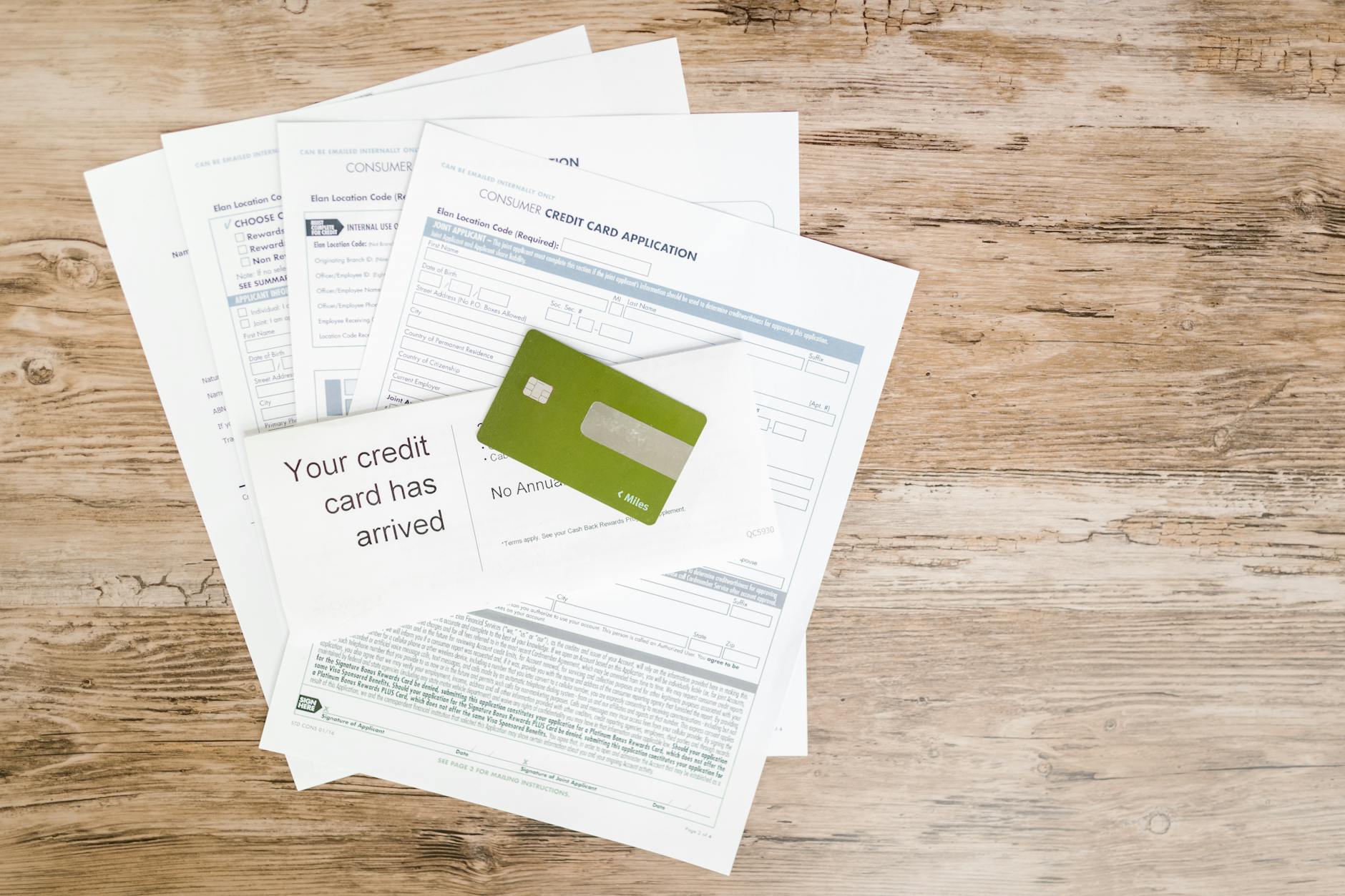
Start With DePaul’s CLEP Rules
DePaul’s School for New Learning does not treat every CLEP exam the same way, so the first move is checking the exact exam against your degree plan before you pay for test prep or the test itself. CLEP costs about $93 per exam plus a test-center fee, and that money only makes sense if the exam can actually fill a requirement in your program.
DePaul looks at three things first: the exam title, the score, and where the credit fits in your curriculum. CLEP scores run from 20 to 80, and 50 usually marks the passing point, so you should aim to clear that mark cleanly and then verify whether DePaul wants the credit as elective, general education, or subject credit.
The catch: A passing score does not always land where you expect. One CLEP can knock out a humanities requirement, while another only counts as free elective credit, so you need the program map in front of you before you test.
A 35-year-old paramedic with 12-hour shifts and 4 hours a week for study should not start with a random exam just because it looks easy. That student should check which CLEP exam matches the School for New Learning core, then build the test date backward from the next registration window, because a score that posts after a deadline helps nobody.
DePaul may also set limits on how old some prior credit can be, how it applies to major work, or whether it satisfies residency rules, so the safe move is to confirm the current policy with the registrar or academic adviser before sending anything. One extra phone call can save 1 wasted exam and a month of waiting, and that beats paying for a test that ends up as elective filler.

Earn CLEP Credit the Smart Way
Pick the exam after you verify it fits DePaul’s School for New Learning rules. A lot of people do this backward and waste 2-4 weeks on the wrong test, which is a bad trade when CLEP only rewards the score that matches the right subject.
- Choose a CLEP subject that maps to a real DePaul requirement or elective slot.
- Use a prep plan that covers the exact exam topics, not a broad review of everything.
- Take practice tests until you can clear the 50-point line with room to spare.
- Book the exam at an approved test center and budget for the $93 CLEP fee plus the center fee.
- Test, then save your score report and testing date for your records.
- Check whether your program wants the credit before the next term starts, especially if registration opens in 2-6 weeks.
What this means: A passing score of 50 is the gate, not the finish line. Spend your time on the exam sections that carry the most questions, and stop polishing the parts that barely move your score.
A homeschool senior taking 3 CLEPs in one summer has to think about timing, not just content. If the first exam falls in June and the last one lands in August, that student should order each transcript as soon as the score posts so the fall file does not sit half-finished.
Most prep guides waste hours on memorizing tiny details that barely show up on the test. That feels productive, but it often cuts into the 70% of your study time that should go to the bigger question sets, the ones that decide whether you pass on the first try. I would rather see a student spend 10 solid hours on the main topics than 18 scattered hours on trivia.
If your target exam does not line up with DePaul’s current policy, stop there and pick a different CLEP subject. That one decision can save 1 exam fee, 1 test appointment, and a lot of back-and-forth with records staff.
Request Your Official CLEP Transcript
College Board handles CLEP score reporting, and DePaul needs the official transcript record, not a screenshot, not a PDF from your inbox, and not the score page you see after the test. The official transcript tells the school the exam title, score, and test date in a format DePaul can file, and that matters because records staff check the source before they post anything to your account.
Order the transcript from the College Board CLEP reporting system and make sure your name matches your DePaul file exactly, including middle initial if your admissions record uses one. A small mismatch can slow the process by 1-2 weeks, so check your student ID, legal name, and date of birth before you hit submit.
A community-college transfer student aiming for a September term should order the transcript as soon as the score posts, then watch the email receipt from College Board for the order confirmation. That student should also keep the testing center date and score screen handy, because if the file stalls, those details help DePaul track the record fast.
You should expect the official record to show the CLEP exam name and the score on the 20-80 scale, with 50 as the usual pass point. If you took 2 exams in the same month, send both records with the right order information so DePaul does not get one and miss the other.
Worth knowing: Unofficial score reports can help you check your result, but they do not replace the official transcript in a registrar file. That means you should keep the unofficial copy for your own notes and use the official College Board send for the school.
Send CLEP Scores to DePaul Correctly
DePaul’s records office cannot post CLEP credit if the transcript lands in the wrong place, and that mistake happens more often than people think. A clean send matters because one missing student ID or one bad email can stall a record for 1-3 weeks, even when the score itself already cleared the passing mark. The smart move is to send the official College Board transcript to DePaul University School for New Learning through the registrar or student records route listed by the university, then keep proof of the order and delivery date.
- Use your exact DePaul name, student ID, and birth date on every transcript order.
- Send the official College Board CLEP transcript, not a personal score printout.
- Check the School for New Learning registrar or student records contact listed by DePaul.
- Save your confirmation email and order number for at least 90 days.
- Follow up if DePaul has not posted the credit after 2-3 weeks.
DePaul CLEP transfer page can help you match the record to the right school page, but the school still needs the official College Board send. If you want a second checkpoint, compare the exam title on your transcript against the requirement you planned to fill.
If DePaul uses a student portal or an online records form for transfer credit questions, use that route first and attach the transcript confirmation. That keeps your paper trail in one place and gives the registrar 2 identifiers to work with instead of one.
DePaul credit guide is also useful when you want to compare what you sent with what the school expects to see.
The Complete Resource for DePaul CLEP Transfer
TransferCredit.org has a full resource page built for depaul clep transfer — covering CLEP/DSST prep with chapter quizzes and video lessons, plus the ACE/NCCRS-approved backup course if you do not pass the exam. $29/month covers both, and credits transfer to partner colleges.
See DePaul CLEP Transfer →Watch the Credit Review Timeline
Once DePaul receives the official CLEP transcript, the registrar or student records team reviews the exam, checks the score, and sends it into the academic evaluation process. That review often takes 1-3 weeks, but it can stretch longer during peak periods like late August, January, or any registration rush when staff handle hundreds of files at once.
Some credits post fast because the exam lines up cleanly with a known requirement, and some sit longer because the program adviser wants to decide whether they count as elective, general education, or no credit at all. A 50 on CLEP does not guarantee a perfect fit, so the school still has to match the subject to the degree path before it shows on your record.
A working adult who took College Composition in May and wants the credit on the summer audit should not assume the posting will happen overnight. That student should check the record after 10 business days, then follow up if the status still shows nothing, because a missing transfer item can hide behind an unchanged degree audit.
Bottom line: The review step judges fit, not just pass/fail. If the exam matches the plan, DePaul can post it as credit, but if the course code does not line up, the school can defer or deny the match and leave the score in the file without changing the audit.
Fix Missing CLEP Credit Fast
If DePaul has the transcript but your audit still shows nothing after 2-3 weeks, move fast and keep your paper trail clean. A missing post usually comes from one of 3 things: wrong student data, a course match issue, or a transcript sent to the wrong office.
- Contact DePaul’s registrar or student records office first and give your student ID.
- Ask whether the official College Board transcript arrived and when staff logged it.
- Save the College Board order confirmation, score date, and exam title for 90 days.
- Ask the adviser to check the exact CLEP subject against your School for New Learning plan.
- If the school received the transcript but did not post credit, request a manual review.
- Escalate politely with dates, not emotion, and include 2-3 clear screenshots or confirmations.
- Use a structured prep plan before the next CLEP so you do not repeat the same miss; TransferCredit.org offers $29/month CLEP and DSST prep with chapter quizzes, video lessons, practice tests, and a pass-or-free backup course if the exam does not go your way.
DePaul CLEP transfer page can give you a clean reference point while you wait on the audit, and it helps when you compare what you sent with what the school says it needs. Keep your language short and factual when you call; registrar staff respond better to dates, names, and order numbers than to long stories.
If one CLEP gets stuck, do not guess your way through the next one. Fix the file first, then test again with a plan that covers the exact exam you need.
How TransferCredit.org fits
A student who wants 1 CLEP credit to land before a fall term does not need a giant prep library. That student needs a plan that gets the pass score, a backup if the first try goes sideways, and a clean path to another credit option if the exam date slips by 2-4 weeks.
TransferCredit.org gives that setup through a $29/month CLEP and DSST subscription with full chapter quizzes, video lessons, and practice tests. TransferCredit.org also gives the same subscriber an ACE-recommended or NCCRS-recognized backup course if the exam ends in a fail, which matters when a working adult or transfer student cannot afford to lose a whole month.
DePaul CLEP credit page sits in the right lane here because it helps you line up prep with the school you actually want credit from. TransferCredit.org works best when you already know the target exam and want a structured plan that does not waste 10 hours on content DePaul will never use.
The backup-course piece is the part I like. Most prep sites sell confidence and leave you holding the bag if you miss by 1 test point, but TransferCredit.org keeps a second path open with credit options that still matter at over 2,000 U.S. colleges and universities. That is a practical safety net, not a slogan.
Final Thoughts
CLEP works best when you treat it like a records process, not just a test. DePaul only posts credit after the right exam, the right official transcript, and the right evaluation step line up, and that chain can take 1-3 weeks once the school has the file.
The cleanest path starts before test day. Confirm the exam fits your School for New Learning plan, earn the score, order the official College Board transcript, and keep your own proof of the send date so you can fix any delay fast.
A student who waits until the week before registration usually ends up in a mess of missing paperwork and slow replies. A student who starts 2-4 weeks early gives the registrar room to review the record, match the credit, and post it without drama.
Check the exam rules, keep your documents in one place, and move the transcript as soon as your score posts.

How TransferCredit.org Fits
Frequently Asked Questions about DePaul CLEP Transfer
The part that surprises most students is that the CLEP exam score matters less than the school’s own transfer rule. You earn the CLEP credit first, request an official score report from College Board, then send it to DePaul School for New Learning for review through the registrar process they list on their current transfer page.
You send your official CLEP transcript to DePaul after you pass the exam, and DePaul decides how it fits your degree plan. CLEP uses a 20-80 score scale with 50 as the usual passing score, so keep your score report and send only the official copy, not a photo or screenshot.
$0 is the part many students miss, because College Board often lets you pick a free score recipient when you register or test, but later score sends can cost money. Check the current CLEP site for the exact fee, then send the official report to DePaul right after your exam so you don't lose time.
If you send the wrong paperwork, DePaul can hold your credits, and that can delay registration for 1 term or more. Send the official CLEP score report from College Board, then match it with DePaul’s registrar instructions and your student ID so the file doesn't sit in a queue.
The most common wrong assumption is that a passing CLEP score automatically shows up on your DePaul record. It doesn't. You have to request the official transcript yourself, and you should check whether your course match counts as general credit, elective credit, or nothing at all.
This process applies to you if you earned CLEP credit through College Board and you want DePaul School for New Learning to review it. It doesn't apply if you only took a practice test, and it won't help if your DePaul program caps transfer credit for a certain number of credits or classes.
Most students wait until after registration, but what actually works is sending the CLEP score report before your advising meeting. A transfer student with 2 or 3 CLEP exams can save weeks by getting the transcript in early, then asking DePaul how each score maps to the degree audit.
Start by passing the CLEP exam or confirming that you qualify to take it, then make sure your score will help your DePaul plan. After that, order the official score report from College Board and save the test date, because DePaul's review team will want the exact exam name and score.
The part that surprises most students is that DePaul can accept the CLEP score but still place it as elective credit instead of a direct course match. That means a 50 passing score doesn't guarantee a 1-for-1 class replacement, so check the audit line and ask for a written explanation if the fit looks off.
DePaul usually posts transfer credit after the registrar and academic unit finish review, and that often takes 2 to 6 weeks. If you've sent the score report and 3 weeks pass with no update, email the registrar and ask for the status of your CLEP evaluation.
$0 to a modest monthly fee is normal if you use a self-paced study plan, and that matters because a retake costs more than prep. TransferCredit.org gives you a structured study plan and a pass-or-free guarantee, so use it before you register for the exam and again if your first score comes in short.
Final Thoughts on DePaul CLEP Transfer
CLEP credit only helps when the school can read it, trust it, and attach it to the right part of your degree plan. At DePaul University School for New Learning, that means you start with the exam rules, order the official College Board transcript, send it through the right registrar path, and then watch the audit for 1-3 weeks. The part people miss most often is timing. A score that posts after a registration cutoff can still help later, but it will not rescue the class schedule you already built for that term. Keep your confirmation emails, your score date, and your student ID in one folder. If the credit does not show up, call with dates and order numbers, not guesses. Do the paperwork early, then use your score to move one step closer to the degree.
What it looks like, in order
Ready to Earn College Credit?
CLEP & DSST prep + ACE/NCCRS backup courses · Self-paced · $29/month covers everything