
Bellevue University accepts DSST credits, and that can save you a full semester or more if you pick the right exams. The part most people miss is not the test itself. The score rule, the subject match, and the way the credit gets posted after Bellevue reviews your record matter. DSST stands for DANTES Subject Standardized Tests. These are college-level exams from The College Board that let you earn credit by passing a 90-minute test instead of sitting through a 15-week class. Most DSST exams use a 20-80 score scale, with 50 as the standard pass mark. That score matters, so aim at 50 or higher and match the exam to a course on Bellevue’s degree plan. A working adult with 6 study hours a week may want one business exam first, not three. A community-college transfer student with a fall registration deadline should send scores before the school posts the next term’s audit. A homeschool senior trying to stack 3 exams in one summer needs to check the degree map first, because not every DSST lines up with every major. This guide covers which tests Bellevue recognizes, how many credits can count, and how to send the score report without losing a week to paperwork.
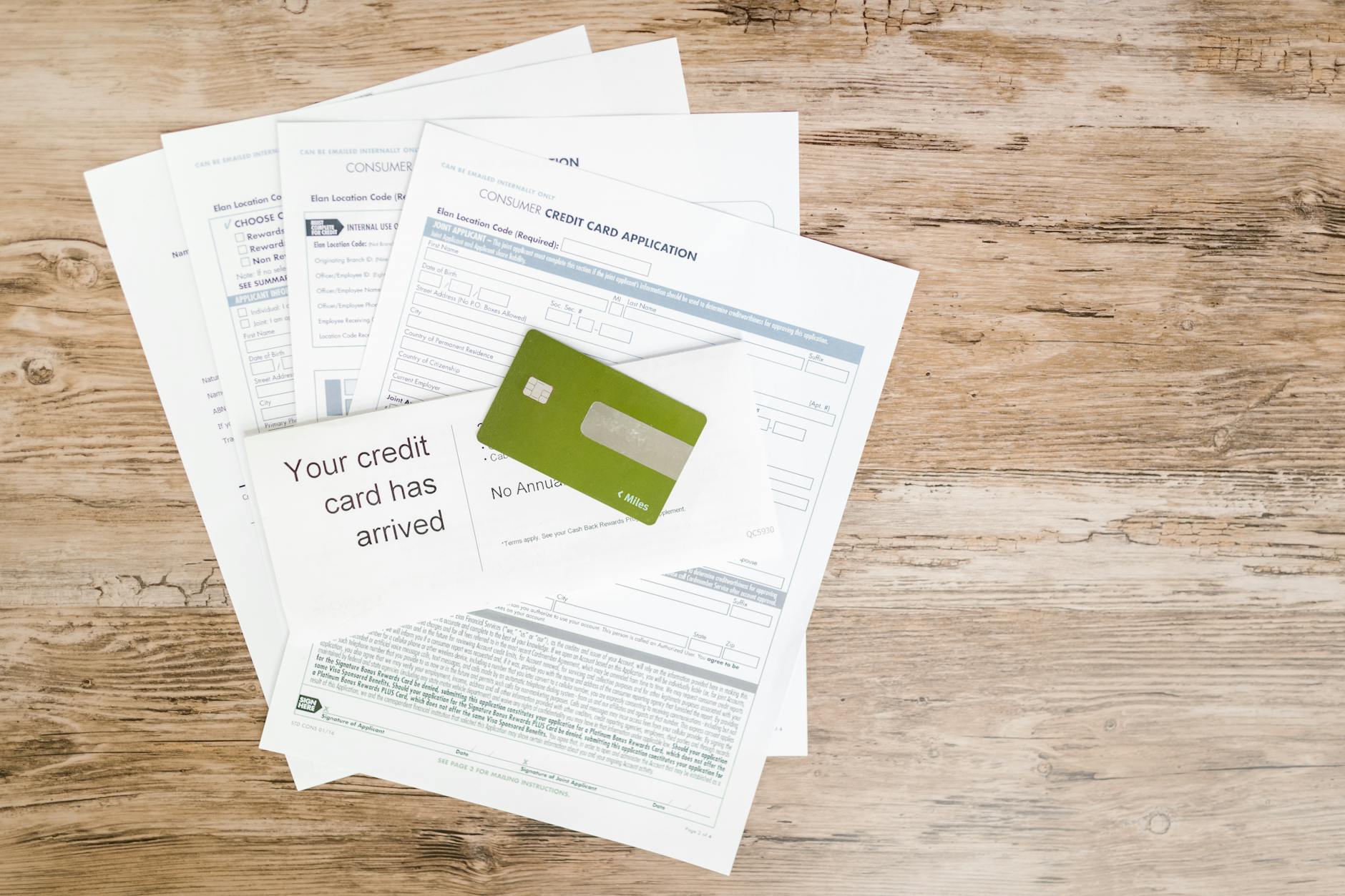
Does Bellevue University Accept DSST
Bellevue University accepts DSST credits, and that gives you a fast way to earn college credit without sitting through a full 15-week class. DSST exams come from The College Board, and most use a 20-80 score scale with 50 as the standard pass point. That score matters, because Bellevue only posts credit after the score clears the school’s review. Aim for 50 or better before you order the transcript.
The catch: passing the test does not mean every exam turns into the same kind of credit. Some DSST exams fit lower-division work, some land as electives, and a few only help if they match your program’s exact course list. That means a business exam can help one degree plan and do almost nothing for another. Check the course match before you spend the $93 exam fee, because that money only helps if Bellevue can use the result.
A 35-year-old paramedic studying after 12-hour shifts has a different plan than a first-year college student with a free summer. The paramedic can target 1 exam every 3 to 4 weeks and focus on credits that replace general education classes. The summer student might stack 2 exams in June and July, but only if both fit the degree map. Bellevue’s review only helps when the exam lines up with a real course slot, so the smart move is to check the degree audit first and then pick the test.
This guide breaks down the exams Bellevue recognizes, the score floor, the credit ceiling, and the submission steps. If you send a score too early or pick the wrong subject, you waste time and sometimes money. If you match the exam to the right class, the payoff shows up fast.

Which DSST Exams Bellevue Recognizes
Bellevue University looks at DSST subjects the same way it looks at other transfer credit: the exam has to match a course or a free-elective slot in the degree plan. That means some exams fit cleanly, some fit only in certain majors, and some land as elective credit. The table below shows the kinds of DSST areas Bellevue usually recognizes and where they tend to land in a degree audit. Check your program before you test, because a 3-credit exam that fits one major can miss in another.
| DSST area | Typical credit fit | Likely level |
|---|---|---|
| Business | 3 credits | Lower-division or elective |
| Humanities | 3 credits | Lower-division |
| Mathematics | 3 credits | Lower-division |
| Social sciences | 3 credits | Lower-division or elective |
| Technical subjects | Varies by major | Lower-division, elective, or no fit |
| Upper-level subjects | Varies by program | Upper-division if the catalog allows it |
What this means: a DSST in principles of supervision can help a management degree, but a hard science exam might only count if Bellevue has a matching slot. That is why the subject name matters as much as the score. Before you take a 90-minute exam, match it to Bellevue University DSST credit details so you do not end up with a perfectly good score that lands as spare elective credit.
Most prep guides push the easiest exam first. That sounds nice. It is also lazy. The better move is to start with the exam that closes the biggest gap in your degree audit, even if it looks a little harder. If one DSST clears a 3-credit requirement and another only gives elective credit, the first one saves more time.
The Complete Resource for Bellevue DSST
TransferCredit.org has a full resource page built for bellevue dsst — covering CLEP/DSST prep with chapter quizzes and video lessons, plus the ACE/NCCRS-approved backup course if you do not pass the exam. $29/month covers both, and credits transfer to partner colleges.
See Bellevue DSST Prep →Scores, Credits, and Degree Limits
Bellevue wants the DSST score to meet its transfer rule before it posts credit, and the standard DSST pass mark sits at 50 on the 20-80 scale. That 50 is not a nice-to-have number. Treat it like the gate. If your score lands below 50, do not send it and hope the review changes things. Retake the exam, fix the weak topic, and then send a fresh score report.
Reality check: a 50 and an 80 usually count the same once Bellevue awards the credit. The transcript shows the credit, not your bragging rights. That means a student chasing a perfect score can burn 2 extra weeks of study time for no extra credit. Use the passing floor as your target, then move on to the next class on your degree plan.
Bellevue also limits how much transfer and exam credit can apply toward a degree, and that cap depends on the program. A bachelor’s degree usually has a residency rule too, which means you still need a set chunk of Bellevue coursework on campus or online through the school. If your plan uses 120 credits total, do not assume 60 credits of exams will all apply. Check the catalog and the degree audit so you know where the 3-credit DSSTs fit before you stack more than one term’s worth of exams.
A transfer student who already brought in 45 credits from a community college needs a different approach than a freshman who starts with zero. The transfer student should count exam credit against the remaining degree room right away, because a cap can stop extra credits from helping. The freshman can use DSST to cover general education first, then save upper-level work for Bellevue classes. That order matters more than most students expect, and it often decides whether the exams save 1 semester or only trim 1 class.
If a DSST fits as lower-division credit, use it to clear gen eds like math, humanities, or social science. If Bellevue places it as elective credit, make sure the elective slot actually exists. A credit that sits outside the degree map looks nice on paper and does nothing for graduation speed.
Submitting DSST Scores to Bellevue
Start with the score report, not the test day memory. Bellevue cannot post credit from a guess, and a missing report can hold things up for 1 to 3 weeks depending on how fast the testing record moves. Send the official result to the school, then watch your student account until the credit appears.
- Log in to your DSST account and find the official score report. Use the exact name on your Bellevue records so the evaluation team can match it fast.
- Order the score to be sent to Bellevue University. If the test center or transcript vendor charges a fee, check it before you submit, because DSST testing itself usually costs about $93 plus any center fee.
- Confirm Bellevue’s mailing or electronic destination in your admissions or records portal. One wrong school code can delay posting by 7 to 14 days.
- Wait for Bellevue to receive the report, then check your degree audit or transfer-credit page. A 50 score should clear the standard pass mark, but the subject still has to fit your program.
- Contact the registrar only if the credit does not show after the normal review window. Bring the test date, score, and exam title so they can find the record fast.
A lot of students mess up step 2. They pass the exam, skip the transcript order, and then wonder why the credit never shows. The school cannot post what it does not have. If you want the exam to count in the same term, send the score right after the result posts, not a month later.
How Bellevue Evaluates DSST Credits
Bellevue usually posts transfer exams after it receives the official score and finishes the course match, and that review can take 1 to 3 weeks. If you send scores during peak times like late August or early January, the wait can stretch a bit longer because registrars handle more files then. That timing matters if you need the credit before add-drop ends or before financial aid locks your schedule.
Bottom line: the faster you submit, the faster Bellevue can place the credit into your audit. A score sitting in your DSST account does nothing for enrollment, advising, or graduation checks. Move the report first, then verify the class slot in your degree plan.
- Check your student portal every 2 to 3 business days after the score sends.
- Save the test title, test date, and score of 50 or higher.
- Ask advising if the credit should land as major, elective, or general education.
- Flag the record if nothing posts after 3 weeks.
- Use the official catalog year tied to your enrollment term.
A 28-year-old working adult taking 5 hours of study a week should expect slower prep but the same school review timeline. That student should send the score as soon as the exam posts, then keep studying for the next subject instead of waiting for the audit. If one exam does not show up, the usual fix is a transcript mismatch or a program rule, not a bad test score. A quick call to records usually solves it faster than a long email thread.

How TransferCredit.org Fits
Frequently Asked Questions about Bellevue DSST
Bellevue University accepts DSST credits, and that surprises most students because they expect only AP or CLEP to count. DSST stands for DANTES Subject Standardized Tests, and Bellevue uses those exams as prior learning credit when the score meets its policy, so check the current transfer page before you test.
If you get Bellevue’s DSST rules wrong, you can waste 1 exam fee, lose 3 to 6 weeks of study time, and still end up with no credit. That hurts most when you test first and ask later, because Bellevue only posts credit after official review.
This applies to degree-seeking Bellevue students who want credit for approved DSST exams, and it doesn’t cover every exam in the DSST catalog. Bellevue only posts credit for subjects that fit the degree plan, so a business major and a criminal justice major won’t always get the same result from the same test.
50 is the number that matters on most DSST exams, because DSST uses a 20-80 score scale and 50 serves as the standard passing score. Use that as your target, then check Bellevue’s current transfer chart for any subject-specific minimums before you pay the test center fee.
Start by sending your official DSST score report from the College Board to Bellevue University, because Bellevue won’t use a screenshot or a self-reported score. After that, watch your student record and make sure the exam title matches the course area you want credited.
The most common wrong assumption is that every DSST exam equals 3 credits at Bellevue. That’s not how it works, because Bellevue ties credit to the subject match and the degree plan, so one exam may fit as a general elective while another fits a specific class.
Most students take the exam, wait, and hope the credit shows up on its own, but the move that works is checking Bellevue’s transfer rules before you test. That matters because a 95-minute exam with a passing score of 50 only helps if Bellevue has a course match for it.
Bellevue University accepts a limited amount of DSST credit toward a degree, and the exact cap depends on your program and residency rules. Check your degree audit early, because a 120-credit bachelor’s plan usually leaves room only for a set block of transfer and exam credit.
Bellevue University accepts DSST credits across many majors, which surprises most students who think exam credit only works in one school or one department. Some programs limit how DSST credit applies to major courses, so a 3-credit exam might count as elective credit in one plan and direct course credit in another.
If you send DSST scores late, your degree audit can stall and your graduation date can slip by 1 term. Bellevue has to receive and review the official score report before it can post credit, so send the scores as soon as your exam is done.
This applies to you if you want Bellevue credit fast and you’re trying to pass a DSST on the first try, and it doesn’t matter if you’re a transfer student, working adult, or military learner. If you want a cleaner shot at credit, check TransferCredit.org’s DSST prep bundle with the pass-or-free guarantee before you book the exam.
Final Thoughts on Bellevue DSST
Bellevue University does accept DSST credits, but the real win comes from matching the right exam to the right class, hitting the 50 score floor, and sending the report fast. That is where students lose time. They pass the test, then the credit sits in limbo because the subject does not fit the degree map or the score never reaches the registrar. Treat DSST like a degree tool, not a random shortcut. A 3-credit exam can clear a requirement, open room for a harder class, or shave one term off a plan that already runs on a tight schedule. That only happens when you check Bellevue’s catalog, watch the credit cap, and submit the score without waiting around. If you are trying to stack more than one exam, start with the course that blocks graduation, not the one that looks easiest. That choice usually saves more time. It also keeps you from spending $93 on a test that lands in the wrong bucket. The smartest next move is simple: pull your Bellevue degree audit, pick the best DSST match, and send the official score as soon as you pass.
What it looks like, in order
Ready to Earn College Credit?
CLEP & DSST prep + ACE/NCCRS backup courses · Self-paced · $29/month covers everything