
DSST credits count at Granite State College within USNH, and they can shave real time off a degree plan when the exam lines up with the right course slot. The catch is simple: not every DSST fits every major, and the score has to clear Granite State’s posted bar before anything shows on the transcript. DSST stands for DANTES Subject Standardized Tests. The College Board runs the exams, ACE recommends them for credit, and over 2,000 U.S. colleges accept them in some form. That means a student who passes a 90-minute DSST does not just get a test score; they get a real shot at college credit that can replace an intro class, an elective, or a lower-division requirement. A community-college transfer student with a fall registration deadline has one job here: match the exam to the degree audit before paying for the test. A 35-year-old paramedic studying after 12-hour shifts has a different problem: picking one DSST that clears a requirement on the first try, not stacking three exams and burning out. The smart move is to treat DSST like course planning, not speed running. Granite State’s rules matter because a strong score on the wrong exam still leaves you with zero useful credit. That is the part most people miss.
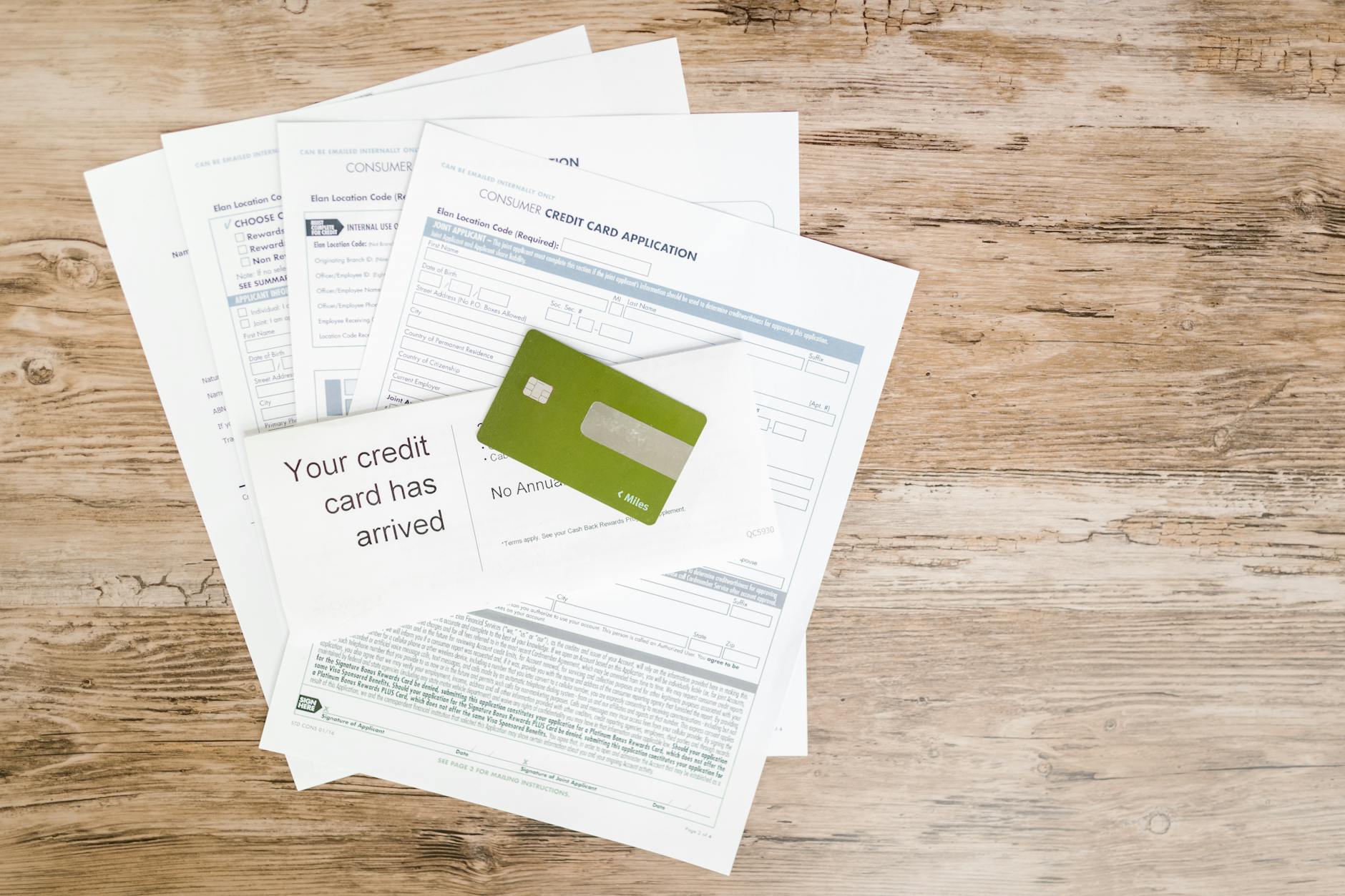
Does Granite State College Accept DSST
Granite State College within the University System of New Hampshire accepts DSST credit as prior learning credit when the exam matches an approved course area. That matters because DSST is not a loophole or a shortcut with loose rules; it is a formal exam pathway that can post as transfer-style credit once the school reviews it.
The catch: A passing DSST score does not automatically mean the exact class you wanted. A 3-credit exam can land as an elective, a lower-division requirement, or a subject-specific replacement, and the degree audit decides which one fits. If you are building a 120-credit bachelor’s plan, that difference changes whether the exam helps with gen eds, major prep, or just fills space.
A 2026 transfer student with 60 credits already on the books should check the Granite State evaluation before taking a second or third DSST. Why? Because an exam that works for one program can sit outside another program’s core requirements, and a credit that posts as free elective credit may not solve a math or business requirement. That is the part that saves or wastes 3 credits at a time.
The school accepts DSST as a legitimate credit source, but it still checks the subject, the score, and the degree fit. Treat it like a class substitution with paperwork, not a gamble with a scantron.

Which DSST Exams Granite State Recognizes
Granite State College reviews DSST exams by subject area, not by vibe. That means the school looks at whether the exam maps to an actual course in the degree plan, and the result can differ between a general education path and a major path. A 3-credit DSST in a broad subject like business can help a lot more than a niche exam if your program already fills the elective slot.
- Business and management exams often fit lower-division business electives, including exams like Principles of Supervision.
- Humanities and social science exams can help with general education credit, but they rarely replace upper-division major courses.
- Natural science and math exams matter most when your program still needs a 3-credit or 4-credit STEM slot.
- Technical or specialized exams can post only if Granite State has a clear course match on record.
- Some exams work for elective credit only, so check the degree audit before you pay the $93 exam fee plus testing-center costs.
Reality check: The exam with the fanciest name is not always the best pick. A student chasing a business degree might get more useful credit from a plain 3-credit exam than from a harder exam that only fills a free elective. That sounds backward, but it saves time and avoids a dead credit.
If you want a concrete example, a Granite State student in a management track can often get better mileage from a business-focused DSST than from a science exam that does nothing for the core. The right match beats the hard match every time.
Scores Granite State Will Actually Count
DSST exams use a 20-to-80 score scale, and 50 usually marks the ACE-recommended pass point. Granite State still decides how that passing score posts, so a 50 gets you into the credit review, not into every course slot by default. If you miss 50 by a few points, stop and fix the weak topic before you retest, because one failed attempt can cost you another $93 plus the testing-center fee.
For a student with 5 study hours a week, the score rule changes the whole plan. A 35-year-old paramedic coming off night shifts should not spread that time across two exams and hope for the best; one exam that lines up with a 50-plus score target makes far more sense than a scattershot approach. That is how a score cutoff turns into a schedule decision.
Granite State can post DSST credit as elective credit, lower-division credit, or subject credit, depending on the exam and the degree path. A passing score in an intro subject may land as a 1000-level or 2000-level equivalent, while a more specialized exam can stay limited to elective use. If your major needs a specific course number, ask for the exact match before you sit for the test.
Some subjects carry tighter rules than others, and that is normal. Business, psychology, and social science exams often post more cleanly than highly specialized exams, but the final call still depends on Granite State’s course chart and your program requirements. A passing score only helps if it lands in the right place on the audit.
The Complete Resource for DSST Credit Transfer
TransferCredit.org has a full resource page built for dsst credit transfer — covering CLEP/DSST prep with chapter quizzes and video lessons, plus the ACE/NCCRS-approved backup course if you do not pass the exam. $29/month covers both, and credits transfer to partner colleges.
See Granite State DSST Guide →Credit Limits That Shape Your Degree
Granite State does not let exam credit run wild across the whole degree. You still have to fit DSST into the 120-credit bachelor’s plan, and some programs cap prior-learning credit before the final residency or major rules kick in.
- DSST credit counts only within the limits of your degree audit, not as unlimited filler.
- Some programs cap prior-learning credit at a fixed share of the degree, so check the 30-credit or 60-credit threshold tied to your major.
- Residency rules still matter; you usually need Granite State coursework near the end of the degree.
- DSST cannot replace every core course, especially upper-division classes in a major sequence.
- Elective-heavy degrees give DSST more room, while tightly structured programs leave less space.
- A 3-credit exam that fits the right slot beats two 3-credit exams that only land as extras.
Worth knowing: A bigger pile of credits does not always help. A student with 18 DSST credits can still stall if none of them match the major requirement list, so check the program map before stacking more exams.
If you are building toward graduation in 2026, keep one eye on the cap and one eye on the course chart. That prevents the classic problem where a student earns credit fast, then discovers the last 12 credits still need Granite State classes.
Submitting DSST Scores Without Delays
The submission step looks boring, but this is where most delays happen. Granite State cannot post DSST credit it never receives, and a missing score report can sit for 2 to 6 weeks if you skip one form or use the wrong school code.
- Take the DSST through an official test center or approved remote setup, then keep your score confirmation.
- Send the score report to Granite State College using the school’s official receiving process, not just to an advisor by email.
- Match your name, birth date, and student ID exactly as they appear on Granite State records; one typo can slow posting by 1 to 2 weeks.
- Submit any prior transcripts or military records if Granite State asks for supporting documents tied to your credit review.
- Ask for a transcript evaluation once the score lands, especially if you need the credit before a registration deadline or an aid check.
A student aiming for a fall term should send the score the same week the exam ends. That gives the registrar and evaluator enough time to post the credit before class schedules lock, and it keeps you from paying for a class you already earned on paper.
Bottom line: Do not assume the score will auto-post just because you passed. Call or message the advising office if the credit does not show after the expected review window, and have the exam date, score, and student ID ready.
When Granite State Posts Your Evaluation
Most DSST evaluations post after Granite State receives the official score report, and the usual wait sits in the 2 to 6 week range. Faster posting happens when your student record is clean, your name matches exactly, and the exam already maps to a known course. Slower posting shows up when the school needs a manual review or when a score lands near a program boundary.
A homeschool senior trying to clear 3 DSST exams in one summer should not stack test dates back-to-back without checking the posting window. If the first exam takes 4 weeks to post and the second one needs a manual look, the fall schedule can get messy fast. That is why timing matters more than raw exam count.
If the credit does not appear after the normal window, follow up with Granite State advising or records staff and have the exam name, date, and score report details in front of you. Keep the exam confirmation and any email receipts for at least 6 weeks, because those papers help fix posting errors fast.
Want a cleaner path? Use the Granite State DSST page to line up the exam with the school’s credit rules, then pair it with Educational Psychology or Business Law if your plan fits those subjects.

How TransferCredit.org Fits
Frequently Asked Questions about DSST Credit Transfer
Most students send scores first and wait to see what happens, but the better move is to confirm Granite State College’s current DSST policy before you register. Yes, Granite State College in the USNH system accepts DSST credits, and DSST exams are College Board credit-by-exam tests with scores from 20 to 80, with 50 as the usual passing mark.
This applies to transfer students, adult learners, and current Granite State College students who want credit by exam, but it doesn’t apply if your degree plan blocks exam credit in a specific major. DSST is built for college credit, and Granite State College reviews those scores against your program rules and course needs.
If you send the wrong score, you can waste weeks and miss your registration window. Granite State College only posts credit after it gets an official DSST transcript, so an unofficial score printout or a screenshot won’t move the process forward.
Yes for approved subjects, but not for every exam or every degree plan. Granite State College checks DSST credit against the exact course match, and some exams fit as general elective credit while others may not fit a major-specific requirement.
The biggest wrong guess is that any 50-plus DSST score fills any open requirement. That doesn't work. Granite State College still checks course fit, and a passing score only helps if the exam lines up with a course or elective slot in your degree audit.
50 is the score you should aim for, because DSST uses a 20-80 scale and 50 usually means passing credit. Granite State College also caps how much exam credit you can use toward a degree, so check your catalog before you stack more than one or two tests into a single term.
Start by ordering an official DSST transcript from the test provider and list Granite State College as the school recipient. After that, check your student portal and your degree audit so you can see whether the credit lands as a course match or elective credit.
What surprises most students is that the score alone doesn't decide everything. Granite State College can accept a passing DSST score and still place it in elective credit, so a 50 on Principles of Statistics can help very differently from a 50 on an exam that matches a required class.
Most students wait until after they test, then check transfer status later, but the faster path is to send the official transcript the same week you test. Granite State College usually evaluates transcripts in about 1-3 weeks, and that timing matters if your registration deadline falls before add/drop ends.
This applies to students in degree programs that allow exam credit, but it doesn't help if your program already maxed out transfer or test credit. If you're close to graduation, ask advising first, because one extra DSST can push a class out of the residency or upper-level rule.
If you miss the subject rule or credit cap, Granite State College may post the score as elective credit or leave it off your degree plan. That can slow graduation by a term, so check your program requirements before you pay for the test.
Yes, Granite State College accepts DSST credits through official evaluation, but you still need to match the exam to your degree and send scores the right way. If you want to prep fast, check TransferCredit.org's DSST prep bundle with the pass-or-free guarantee before you register for your exam.
Final Thoughts on DSST Credit Transfer
Granite State College within USNH accepts DSST credit, but the real win comes from matching the right exam to the right slot. A 3-credit exam that fills a requirement beats a harder test that only lands as free elective credit. That part sounds plain, and it matters more than the brand name on the exam. Keep three numbers in your head: the 20–80 DSST scale, the 50 pass mark, and the 2 to 6 week posting window. Those numbers tell you when to test, when to follow up, and when to stop guessing about your degree audit. If you have 60 credits already, check the cap before you stack more exams. If you have only 5 study hours a week, pick one subject and stay with it until the score clears. The best transfer move is not taking the most exams. It is taking the right ones in the right order, then sending the score report fast enough that the credit actually helps your next term. Before you register for a DSST, pull up your degree plan, check the subject match, and make sure the score will land where you need it.
What it looks like, in order
Ready to Earn College Credit?
CLEP & DSST prep + ACE/NCCRS backup courses · Self-paced · $29/month covers everything