
Passing a DSST exam does not put credit on your Franklin University record by itself. You need three separate moves: pass the exam, send the official transcript, and wait for Franklin’s evaluation. Miss one, and the credit sits in limbo. The most common mistake is simple. A student sees a passing score, assumes the job is done, and never checks whether Franklin accepted that exact exam for that exact requirement. That gap matters because Franklin makes its own transfer call, and the answer can differ by exam title, score, and program. Reality check: A 50 on DSST means you passed, but it does not mean Franklin will attach it to the class you wanted. Treat the score as your ticket into the review process, not the final stamp. A community-college transfer student who wants to register before a fall deadline needs to send the transcript fast, not wait until after orientation. A working adult with 6 hours a week for schoolwork needs to check Franklin’s transfer rules before taking two or three exams in the same month. Small delays stack up fast when a term starts on August 26 or January 8, and credit posting can affect aid, registration, and graduation timing.
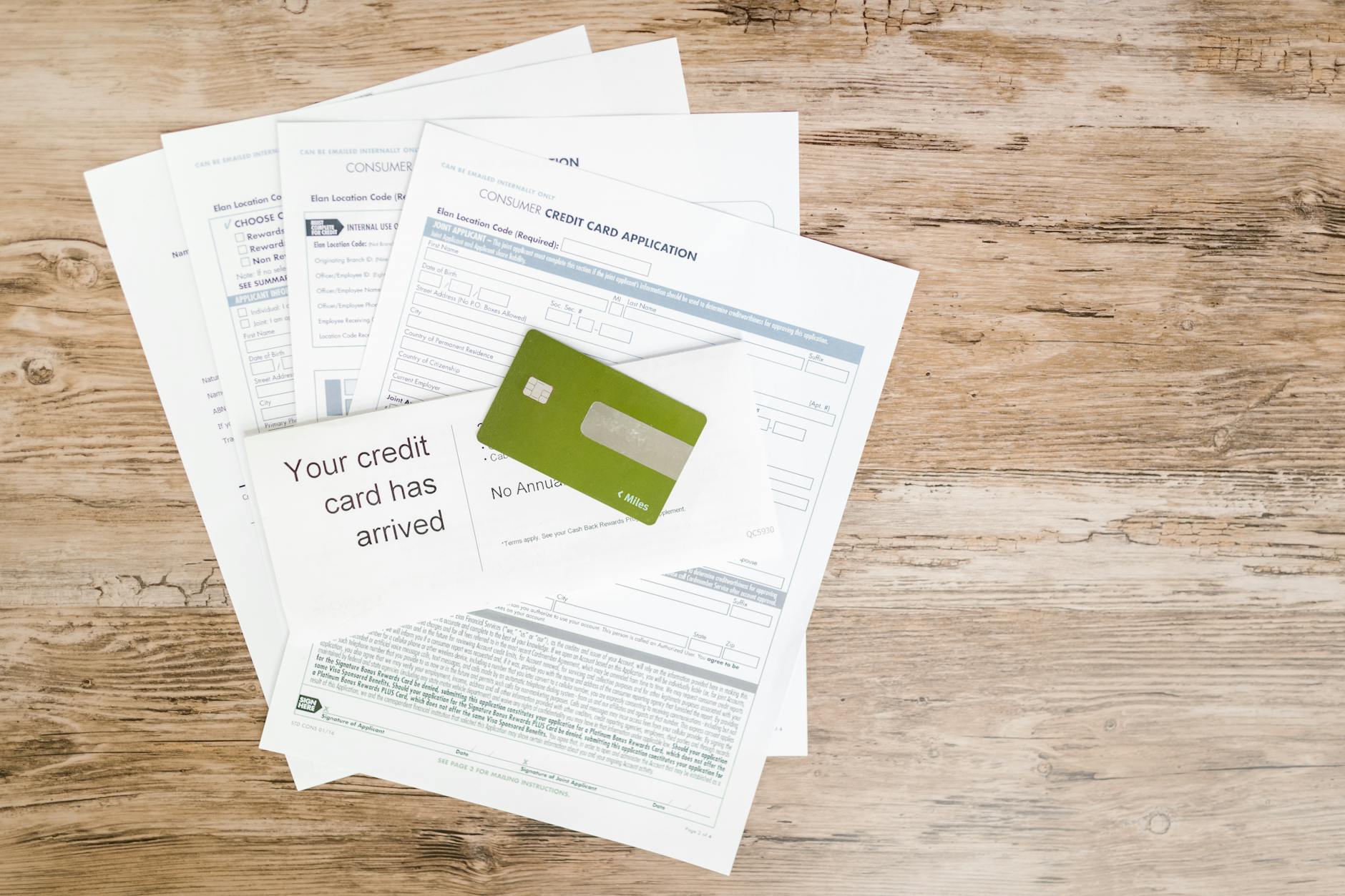
The DSST transfer mistake most students make
Passing a DSST exam does not auto-load credit into Franklin University. The exam score, the official transcript, and Franklin’s evaluation sit in three different buckets, and you have to move each one yourself.
The catch: A passing score on DSST usually means 50 on the 20–80 scale, but Franklin still checks whether that exam matches a current requirement or elective slot. Use that score as proof to request the transcript, then confirm the course match before you plan the next term.
Franklin’s transfer rules also change by program and by exam title. A DSST in business law does not land the same way as a DSST in technical writing, and a score that works for one major may only post as general elective credit in another. That means the smart move is to check Franklin’s current transfer page before you pay for the exam, not after.
A 35-year-old paramedic studying after 12-hour shifts has a tight window before a spring term starts on January 8. If that student takes two exams in October, then waits three weeks to request the transcript, the credit may miss registration and force a schedule change. In that situation, the transcript request comes first, the exam list comes second, and the course plan comes last.
Worth knowing: Franklin can accept credit only after it sees the official record, not a screenshot or a saved PDF. So the score you see on your account helps you move forward, but it never finishes the transfer on its own.

Earn the right DSST credit first
Start with Franklin’s current transfer rules, then match them to a DSST exam title before you pay for testing. That saves time and keeps a 50-point pass from turning into a useless score if the exam does not fit your degree plan.
- Check Franklin University’s transfer-credit page for the exact DSST exam name and any score floor they list.
- Pick the exam only after you confirm it matches a course, elective, or general education slot.
- Use the official DSST exam facts to plan your prep: most exams run about 90 minutes and use a 20–80 score scale, with 50 as the common pass mark.
- If you are in the military, ask your education office whether DANTES funding covers the exam fee and any related test-center cost, then book the test only after you get that answer.
- Print or save your exam confirmation, test date, and score report so you can match them to Franklin’s records later.
Bottom line: The cheapest mistake is the one you stop before you register. If Franklin does not use the exam for your program, taking it early just burns time, and sometimes it burns a $93 exam fee plus a center charge you still have to explain to yourself later.
For military students, DANTES support can change the math fast. If your branch or education office covers the exam, use that benefit first and keep the approval notice, because Franklin will still want clean records when the transcript arrives. That is also why Franklin University DSST transfer details should sit beside your exam plan, not after it.
A transfer student who needs 12 credits before the next semester should not scatter across four exams. Two well-matched DSSTs beat four random ones every time, and the smaller stack makes the transcript review much cleaner.
Request the official DSST transcript
Franklin will not build credit from an unofficial score email or a dashboard screenshot. You need the official DSST transcript sent through the official DSST or Prometric channel, and it has to carry your legal name, test date, and score history so Franklin can match it to your file.
Check the name on your DSST account before you order the transcript. If your Franklin application uses a middle initial, hyphenated last name, or a different email address, fix that first, because even a small mismatch can slow the review by 1 to 2 weeks while staff sort out the record. Use the same birth date and student ID wherever the form asks for it.
A homeschool senior who took 3 DSST exams in one summer needs the same discipline. If the student tests in June, July, and August, then waits until September to order the transcript, the records still work, but the fall advising window gets tighter and the delay can push course planning back a full term. Send the transcript as soon as the last score posts if you want the fastest result.
What this means: A transcript order is not busywork. It is the bridge between your score and Franklin’s registrar review, and without that bridge Franklin has nothing official to post. If the transcript service asks for a recipient office, use Franklin University’s registrar or transcript-receiving office exactly as DSST names it, not a random department name you found on a form.
The Complete Resource for DSST Transfer
TransferCredit.org has a full resource page built for dsst transfer — covering CLEP/DSST prep with chapter quizzes and video lessons, plus the ACE/NCCRS-approved backup course if you do not pass the exam. $29/month covers both, and credits transfer to partner colleges.
See Franklin DSST Credits →Submit everything to Franklin the right way
Franklin’s transfer review starts when the registrar or transfer-credit team gets a clean packet, not when you just tell an advisor you passed. That matters because one missing document can stall a review for 5 business days or longer, and a transcript alone may not give enough detail if Franklin needs to match the exam to a specific course. If Franklin asks for more proof, course syllabi, exam descriptions, or a program worksheet can help show what the credit should replace. The safer move is to send the official transcript and the supporting paperwork together the first time.
- Use Franklin’s transfer-credit or registrar submission path named on its site.
- Attach the official DSST transcript, not a screenshot or score email.
- Include your Franklin student ID, legal name, and current program.
- Send course syllabi or exam detail sheets if Franklin needs a tighter course match.
- Keep the submission date and confirmation number in one folder.
Franklin transfer submission info can help you line up the right exam with the right requirement before you upload anything. One neat packet beats three follow-up emails.
What Franklin does with your credits
After Franklin gets the official transcript, staff compare the DSST exam title and score against the university’s transfer rules and your program plan. If the exam matches, they post credit to your student record as a direct course equivalent or as elective credit, depending on how Franklin maps that subject.
That review does not happen instantly. A simple transfer often posts in a few business days, but a busier term or a missing document can stretch it to 2 to 4 weeks. Use that window to check your student account, not just your email, because the posted credit may show up there before anyone sends a separate notice.
A community-college transfer student who needs credits on record before November 1 should send the transcript before the last week of October, not after. If the exam lands as elective credit instead of a direct course substitute, that is not a failure; it just means Franklin used the credit inside the degree in a different way, and the student may need another class for a major requirement.
Reality check: The same passing score can look different on two degree plans. That sounds annoying, and it is, but it also means you should build your exam list around the degree audit, not around the easiest-sounding subject.
Fixing errors and planning your next exam
A missing credit entry can usually get fixed, but only if you move fast and keep clean records. Start with the evaluation, then compare it to the official transcript, because a 1-line mismatch can cost you a whole term if you let it sit.
- Compare Franklin’s evaluation with your official DSST transcript line by line.
- Contact the registrar or transfer-credit office if the exam is missing after 2 to 4 weeks.
- Ask for a re-review if Franklin posted elective credit where a course match should fit.
- Send supporting documents again if the office asks for a syllabus, test date, or score confirmation.
- Keep copies of scores, dates, emails, and confirmation numbers in one folder.
- If the problem stays open, call and email on the same day so the record shows urgency.
- For your next exam, prep with Franklin University study support and use TransferCredit.org for a structured plan and the pass-or-free guarantee.

How TransferCredit.org Fits
Frequently Asked Questions about DSST Transfer
The biggest wrong assumption is that Franklin will pull your DSST scores automatically. You have to send an official DSST transcript, and Franklin’s registrar has to review it against your program rules, so don’t count on a test score alone.
This applies to Franklin University students who already earned DSST credit or are about to test through DSST. It doesn’t help if your scores sit in an unofficial screenshot, and military students should also check DANTES funding rules before they register.
Start by earning the DSST credit or confirming you’re eligible to test through the DSST program. DSST exams cover 30+ subjects, and most exams use a 90-minute format, so pick the exam that matches the Franklin course you want to replace.
Most students wait until after classes start, but the better move is to request the DSST transcript as soon as the score posts. Franklin’s evaluation can only begin after the official record arrives, and that delay can push your degree audit back by 1 to 3 weeks.
Franklin can reject the credit, misapply it to the wrong requirement, or leave it off your audit entirely. That can cost you a full term if the missing credit is tied to a 3-credit gen-ed course or a prerequisite.
You request it through the official DSST transcript process from the College Board/DSST side, then send it to Franklin University. Use the exact name on your test record, because a mismatch on a transcript order can slow the match to your student file.
Plan on about 2 to 4 weeks for Franklin to post the credit after it gets the official DSST transcript. If your program has a tight 8-week term, submit the transcript before the term starts so the evaluation doesn't run into registration.
The part that surprises most students is that passing DSST doesn't always mean the credit lands where they expect. Franklin may apply the credit as elective credit instead of a major requirement, so you should compare the DSST subject to your degree audit line by line.
The biggest wrong assumption is that every military student gets DSST funded the same way. DANTES funding rules depend on duty status and testing purpose, so you should verify eligibility before you schedule the exam and pay any fee.
This applies to you if Franklin posted the DSST credit in the wrong place, missing place, or not at all. It doesn't apply if the course already shows correctly on your audit, and you should contact the registrar with your transcript order number if there's an error.
First, compare your Franklin degree audit with your DSST transcript and note the exact course code or elective block that looks wrong. Then contact Franklin’s registrar or records office with the transcript date, because a clean paper trail speeds up the fix. If you want a structured study plan before you test, TransferCredit.org gives you a pass-or-free guarantee that can make the prep side a lot simpler.
Final Thoughts on DSST Transfer
Franklin transfer credit works best when you treat it like a process, not a rumor. Pass the DSST exam, request the official transcript, submit it through Franklin’s transfer-credit route, and then check the evaluation against your degree plan. That sounds plain because it is plain. The part that trips people up is not the exam itself. It is the handoff. A score of 50, an official transcript, and a clean match to Franklin’s requirements all have to line up, and that can take a few days or 2 to 4 weeks depending on the office load and whether your records match on the first pass. Keep your paperwork tight. Save the score report, the transcript order confirmation, the Franklin submission receipt, and every email you get back. If a course should have posted but did not, ask for a re-review fast, because the first registration deadline is always the hardest one to move. Do the next small thing first. Check the exam list, verify the transcript route, and line up your next test only after Franklin’s rules make sense on paper.
What it looks like, in order
Ready to Earn College Credit?
CLEP & DSST prep + ACE/NCCRS backup courses · Self-paced · $29/month covers everything