
Closed-book proctored exams usually win on speed and price, while open-book finals usually feel calmer because you can check notes during the test. That tradeoff matters more than many people admit. If you want college credit fast, a CLEP or DSST-style exam can beat a 6- to 12-week course. If you want a slower, steadier path, an open-book class can spread the work across the term. The hard part is not the format. It is the pressure mix. A timed proctored exam gives you 90 minutes, a score scale from 20 to 80, and no notes in sight for most CLEP tests. That means recall has to happen on command. An open-book final often gives you more time, but it also expects you to find the right page, judge the right source, and avoid burning 20 minutes on a question that should have taken 2. For college credit, the better choice depends on 3 things: how strong you are in the subject, how fast you need the credit, and how much structure you want. A student who already knows intro psychology may find a 90-minute proctored exam easier than 8 weeks of weekly assignments. A student who hates timed tests may feel safer in an open-book class even if it takes longer and costs more in tuition. The catch is that “easier” and “better” do not always point to the same option.
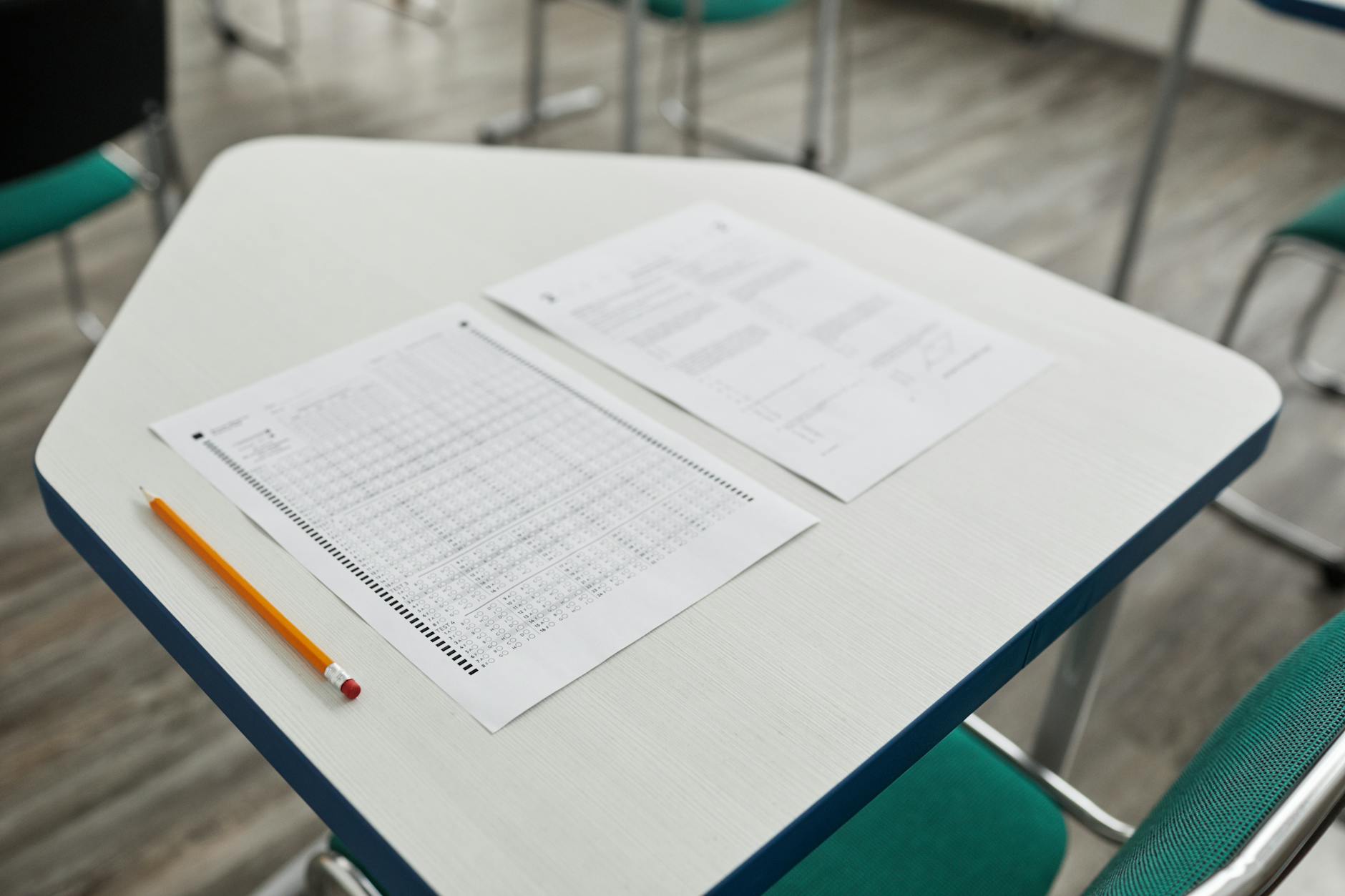
Why Proctored Exams Feel Harder
A closed-book, timed exam feels harsher because it strips away the safety net. CLEP and DSST exams ask you to pull facts from memory in 90 minutes or less, and that pressure hits hard when the clock is visible and the room stays quiet.
The catch: The exam format does not just test what you know. It tests whether you can recall it under a 90-minute deadline, which is why a student who feels fine in a study session can blank out on question 18.
That stress is real, but it also explains why proctored exams can be the faster path to credit. A CLEP exam usually costs $93 plus a test-center fee, so a student trying to save money should check the total local price before picking a 3-credit course. The DSST setup works in the same basic way: closed-book, timed, and scored against a pass mark that the school sets after it accepts the exam.
A 35-year-old paramedic pulling night shifts and studying 4 hours a week does not need a perfect test strategy. That person needs a subject with fewer unknowns, a test date 3 to 4 weeks out, and a plan that focuses on recall, not rereading. A community-college transfer student who wants credit before fall registration needs the same math: one exam can finish in a morning, while a 10-week class can miss the deadline.
The part prep blogs skip: a proctored exam often feels harder than an open-book final, but it can still be the easier route if you already know the material. The pain shows up early, during study, not on the school calendar.

How Proctored Exams Actually Work
The proctored route looks simple from the outside, but the steps matter. CLEP and DSST exams follow a tight structure, and once you know the sequence, the whole thing stops feeling mysterious.
- Pick the exam and check your school’s credit policy first. Many colleges accept CLEP or DSST for 3 credits, but the exact match depends on the department and the transcript rules.
- Register and pay, then choose a test center or remote proctoring slot. CLEP exams cost $93 per test, so add the center fee before you compare it with a 3-credit course.
- Study with the timer in mind. Most CLEP tests run 90 minutes, which means you should practice answering questions in short bursts, not in hour-long reading sessions.
- Show up with the right ID and take the exam closed-book. No notes, no open tabs, and no last-minute page flipping once the test starts.
- Finish, then wait for the score report or school posting. Some schools post credit fast, while others need 1 to 3 weeks to add it to your record.
Worth knowing: Remote proctoring changes the room, not the rules. You still face the same 90-minute clock and the same closed-book setup, so your study plan should not shrink just because you sit at home.
A lot of students think test day is the whole battle. It is not. The real work happens in the 2 weeks before the appointment, when you drill weak spots and learn how to move fast without second-guessing every answer.
How Open-Book Finals Usually Work
Open-book finals feel gentler because they let you use notes, a textbook, or course files during the test. That sounds easier, and on test day it often is, but the class still expects real prep across 6 to 15 weeks, not a casual skim the night before.
A typical open-book setup gives you a longer window, like 24 hours for a take-home final or 2 to 4 hours for an online exam with materials allowed. That extra time changes the game. You spend less energy memorizing tiny facts and more energy finding the right source, using it fast, and writing a clean answer before the window closes. A student who keeps a messy notebook with 40 tabs open will still lose time hunting through notes, so the “open” part does not rescue weak organization.
Reality check: Open-book does not mean low-effort. It often rewards the student who built a clean outline during the term, because 30 seconds of searching beats 10 minutes of panicking on every single question.
A homeschool senior taking 3 CLEPs in one summer faces a different problem than a student in a 12-week open-book course. The CLEP path can stack three exams into 6 to 8 weeks if the subjects line up, while the course path spreads the grade across quizzes, forums, and a final due date. That slower spread can help if life is crowded, but it also drags the credit timeline out.
Open-book finals also carry a hidden risk: people overtrust the notes and underprepare the basics. That mistake hurts in essay prompts, where the instructor wants judgment, not just a copied definition.
The Complete Resource for Open-Book vs Proctored Exams
TransferCredit.org has a full resource page built for open-book vs proctored exams — covering CLEP/DSST prep with chapter quizzes and video lessons, plus the ACE/NCCRS-approved backup course if you do not pass the exam. $29/month covers both, and credits transfer to partner colleges.
See CLEP Bundles →Open-Book vs Proctored Exam Tradeoffs
The real comparison is not about which format feels nicer in the moment. It is about how each path handles time, money, and exam pressure. A student who wants credit before a summer job starts needs a different answer than someone who can wait 10 weeks and wants a lower-stress week-by-week load.
| Column 1 | Column 2 | Column 3 |
|---|---|---|
| Format | CLEP / DSST, closed-book, 90 minutes | Course final, open-book, 2-24 hours |
| Prep needed | Front-loaded study, 2-6 weeks | Spread across 6-15 weeks |
| Cost | $93 exam + center fee | Tuition for 1 course, often hundreds to thousands |
| Pass risk | Higher test-day pressure | Lower panic, more assignment load |
| Speed to credit | Fastest path, often 1 test date | Slower, tied to course calendar |
The table points to the real split. Proctored exams usually cost less per credit and finish faster, but they demand sharper recall. Open-book coursework spreads the stress out, yet it often costs more and takes longer to finish.
Which Route Fits Your Timeline
If you only have 4 to 6 weeks before a registration deadline, the choice gets simple fast. Pick the route that matches your strongest subject and your study hours, not the one that sounds safest in theory.
- Choose a proctored exam when you already know the subject and can study 5 to 8 hours a week. That fits a person finishing intro business or psychology before a semester starts.
- Choose open-book coursework when timed tests shake you up and you can handle weekly deadlines for 8 to 12 weeks. That helps if you need a steadier pace.
- If you need credit quickly for a transfer deadline, proctored exams usually beat a 10-week class. A single Saturday test can beat a full term by months.
- If you struggle with recall but do well with writing and research, open-book finals often feel safer. The tradeoff is more reading, more tabs, and more course work.
- If a proctored exam goes badly, do not treat that as a dead end. Many schools let you retake a different exam, or you can switch to a course-based credit path next term.
- For a weak subject, a backup plan matters. One failed CLEP can still teach you where the gaps sit before you try again or change formats.
Bottom line: Pick the format that matches your clock first, then your comfort level. A student with 2 months and solid recall can go proctored; a student with 12 weeks and shaky test nerves may do better in an open-book class.
How the Safety Net Works
A bad proctored exam score does not erase your options. Most schools keep separate rules for exam credit, course credit, and retakes, so one miss only closes one door, not the whole building.
Some students panic because they think a failed CLEP means wasted time and no backup. That is too narrow. If the school rejects the score or you miss the passing mark, you can switch to a course later, use the score report to target weak topics, or try a different exam that fits the same degree slot.
The smarter move is to treat the first attempt as data. A score of 47 on a 20-to-80 scale tells you exactly where to focus, and a score of 50 or above usually means you already earned the credit the school allows. That means you should study for the pass line, not chase a perfect score that does the same job on the transcript.
That point sounds blunt, and it should. Most people waste too many hours trying to turn a pass into a trophy. Credit does not care if you scraped by at 50 or cruised in at 80. The transcript usually shows the same result.
If the exam route fails, the backup plan should start the same week, not 3 months later. A fast reset keeps the timeline from slipping into another semester.

How TransferCredit.org Fits
Frequently Asked Questions about Open-Book vs Proctored Exams
What surprises most students is that open-book feels easier during the test, but proctored exams like CLEP and DSST are often easier to finish in less total time. CLEP uses a 20-80 score scale with 50 as the usual pass mark, and most exams run about 90 minutes, so you trade less course work for more focused prep.
This fits you if you want college credit fast and you can study 2-6 weeks for one subject; it doesn't fit you if you need hand-holding across 8-16 weeks of assignments. A working adult with one free night a week often does better with a proctored exam, while someone who needs graded checkpoints may prefer an open-book course final.
Most students cram notes for an open-book final and hope the book saves them, but what actually works is learning where answers live before the clock starts. For a proctored exam, the opposite applies: you study hard first, then the 90-minute test feels straightforward because you already know the material.
Yes, proctored exams are usually cheaper per credit, but the savings only help if you pass on the first try. CLEP exams cost about $93 plus any test-center fee, and many schools award 3 to 6 credits per exam, so one pass can beat a full course price fast.
The common wrong assumption is that open-book means easy and proctored means hard. An open-book final can still punish slow readers, while a proctored exam can feel easier if the subject is one you already know, like Intro Psychology or College Algebra.
Start by listing the subject and your deadline, then match that against how long each path takes. If you need credit in 30 days, a proctored exam route usually beats a 12- to 16-week course; if you need gradual weekly work, open-book fits better.
If you pick wrong, you can waste a month or lose a shot at cheap credit. Miss a proctored exam and you may need to wait days or weeks to retest, while a course with open-book finals can drag on for a full term and cost more in tuition.
$93 is the standard CLEP exam fee, and that price makes sense only if you put in real prep before test day. A proctored exam usually needs 20-40 hours of focused study, while an open-book course spreads the work across 8-16 weeks and asks for steady homework.
What surprises most students is that open-book can be harder on the clock because you still need to find the answer fast. Proctored exams remove the book, but they also remove the hunt, so if you know the material, the test day pressure often drops.
This fits you if you can keep a study plan for 6-8 weeks and you want a safer pace; it doesn't fit you if you keep putting off weekly work until the last minute. A transfer student with a tight graduation date usually wants the faster proctored route, not a long course term.
Most students start with the course catalog and guess, but what actually works is checking TransferCredit.org first, then matching the exam to the school's credit rules. That matters because one school may take 6 credits for a history exam while another takes 3, and you don't want to study twice for the same class.
Yes, the safety net comes from choosing a prep provider with a pass-or-free guarantee, then retaking the exam after you fix the weak spots. That matters more than it sounds, because one bad score on a 90-minute test can still be cheaper to recover from than a whole failed 3-credit course.
Final Thoughts on Open-Book vs Proctored Exams
The easier route depends on what hurts less for you: a fast, high-pressure test or a slower class with weekly work. A proctored exam like CLEP or DSST can finish in 90 minutes and cost far less than a full course, which makes it the sharpest option for a subject you already know. An open-book final can feel calmer, and that calm matters when timed tests make you freeze or when your schedule only gives you 2 hours at odd times. The trap is calling one format “easy” for everyone. That word hides the real question. Do you want to front-load 2 to 6 weeks of study and get credit fast, or do you want to spread the work across 8 to 12 weeks and trade speed for a softer test day? Both paths can work. Both can waste time if they do not match your subject and your deadline. A good rule: if you can pass a closed-book practice test now, the proctored route usually makes more sense. If you need notes just to stay afloat, the open-book route may fit better for this semester. Either way, start with the deadline, then pick the format that matches your actual week, not your ideal one. Check the credit policy first, pick the format second, and build your study plan around the calendar you already have.
Three roads, one of them is yours
Ready to Earn College Credit?
CLEP & DSST prep + ACE/NCCRS backup courses · Self-paced · $29/month covers everything