
Most students expect FAFSA money to pay a test fee, but that is not how the system works by default. CLEP and DSST charges usually sit outside the neat box of tuition and required fees, so the real question is whether your school lets aid flow to them indirectly. That answer depends on your enrollment status, your award type, and how your college counts the cost of attendance. Start with the ugly part: a $93 CLEP exam fee or a DSST charge can look small next to tuition, but two or three exams add up fast. A student who takes 3 CLEP exams in one summer can face a few hundred dollars before test-center fees even enter the picture, so checking the rules first saves real cash. The catch: some schools only apply aid to charges that appear on the student account, which means a fee paid off-site never touches your refund. Federal rules and school policies can change, so do not guess based on last year’s answer. Read your award letter, then ask financial aid how they treat exam costs, refunds, and enrollment hours. If a school like Arizona State University or a community college ties aid to 6 or 12 credit hours, that detail can decide whether exam money stays out of reach or gets covered indirectly.
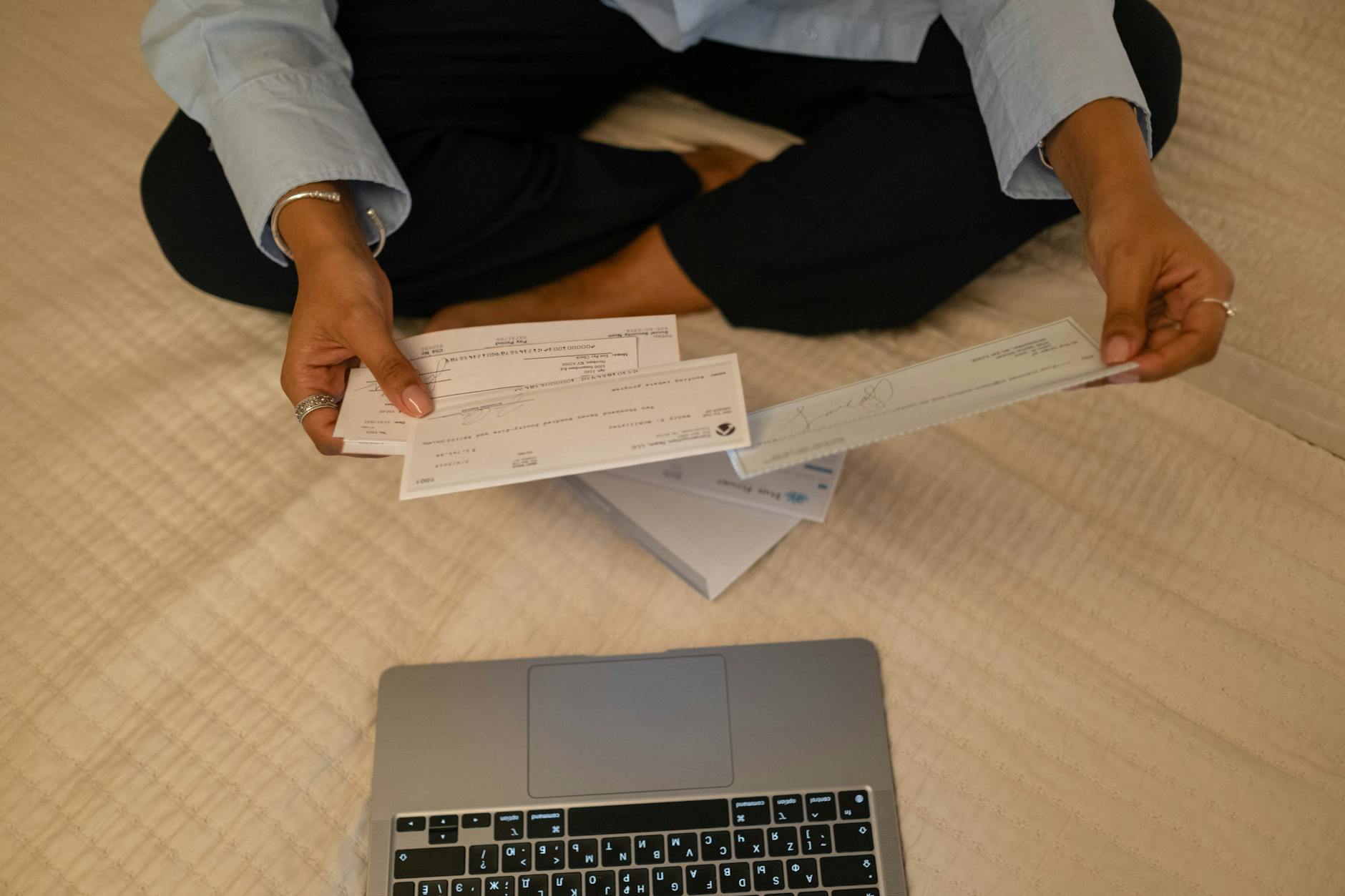
Can FAFSA Pay for CLEP Fees?
FAFSA money does not normally show up as a check labeled “CLEP” or “DSST.” The real path runs through your school’s financial aid office, because aid can only cover costs the college treats as allowable educational expenses. That means the question is not just “Did I file FAFSA?” It is also “Did I enroll in enough credit hours, and did my school include exam costs in my aid package?”
A lot of students miss that split. A Pell Grant, for example, can help with college costs for eligible undergraduates, but the school still controls how it posts aid and what it lets the money pay first. Reality check: a $93 exam fee matters less than the school’s billing rules, because a refund can vanish into tuition before you ever see it. Use that to your advantage by checking whether the exam fee can sit inside the cost of attendance or get covered after tuition posts.
A 35-year-old paramedic who studies after 12-hour shifts has a different problem than a full-time freshman. If that paramedic takes 1 CLEP exam in March and another in May, the school may only release aid after 6 or 9 enrolled credits post on the account, so the timing matters more than the test itself. Ask the aid office what happens if the exam comes before the term starts, because that one detail can decide whether the money helps at all.
Worth knowing: some schools treat test fees like a side bill and others ignore them completely. That is why you should verify the current federal policy before you act on anything you read online, then match that policy to your college’s own disbursement calendar for fall 2026 or spring 2027.

Check Your Award Letter First
Your award letter tells you what money the school plans to send, what it ties that money to, and whether aid depends on 6, 9, or 12 enrolled credits. Read that before you buy a single exam voucher. Schools can change packaging rules from one aid year to the next, so confirm the current federal policy and your school’s own practice before you rely on last year’s answer.
- Find the section that lists your aid type, such as Pell Grant, subsidized loan, or state grant, and note whether it says tuition only or cost of attendance.
- Check the enrollment rule next to the award. If it says 6 credits or full-time status, ask whether a CLEP or DSST fee counts before you register.
- Look for language about refunds, bookstore charges, and “other educational expenses.” A $150 refund can matter here, so ask whether the school can apply it to exam costs before it hits your bank account.
- Compare the award year dates, like 2025-26 or 2026-27, with your test date. A March exam and an August award can follow different rules, so match the timing before you plan.
- Check whether the school lists direct charges only, because some colleges pay only posted tuition and mandatory fees, not outside testing costs.
- Write down the exact question you will ask the aid office, then ask it in email so you have a paper trail if the answer changes later.
Ask Financial Aid About Indirect Coverage
A financial aid office can tell you whether your school allows an indirect route, which is the only reason this question is worth asking twice. If your aid package includes a refund after 12 credits post, that refund might cover a $93 CLEP fee plus a test-center charge, but only if the school treats those costs as part of your educational budget. Bottom line: ask before you pay, because a refund after the term starts works very differently from a reimbursement after the exam.
- Ask whether exam fees can come from your refund after tuition and 1 mandatory fee post.
- Ask if the school covers test-center fees, not just the exam itself.
- Ask whether you need 6, 9, or 12 credits to release aid for outside costs.
- Ask if the office can adjust your cost of attendance for books, registration, or testing costs.
- Ask how long reimbursement takes, since 2 to 4 weeks can change when you schedule the exam.
The Complete Resource for FAFSA CLEP
TransferCredit.org has a full resource page built for fafsa clep — covering CLEP/DSST prep with chapter quizzes and video lessons, plus the ACE/NCCRS-approved backup course if you do not pass the exam. $29/month covers both, and credits transfer to partner colleges.
Browse TransferCredit Plans →Where Employer Tuition Help Fits
Employer tuition assistance can fill the hole when FAFSA money stops at tuition and leaves the exam fee behind. Some companies reimburse testing costs, but many only pay after you submit proof of payment, a passing score, and a course or exam code. That means you need the policy in writing before you spend $93 on an exam or $30 to $50 at a test center.
A community-college transfer student who wants to finish before the fall registration deadline can run into a nasty timing gap. If the employer reimburses 30 days after grades post, that student still needs cash up front for the CLEP or DSST fee now, not later. What this means: a reimbursement policy helps only if you can float the cost for 1 month or more, so ask HR whether they pay after registration, after testing, or after the term ends.
Check for terms like “educational assistance,” “professional development,” or “certification support,” because companies often hide testing money inside those buckets. Ask for the document that shows the annual cap, whether it resets on January 1 or your hire date, and whether it covers 1 exam or several in a calendar year. If the cap sits at $1,000, use that number to decide whether to submit CLEP first or save the benefit for a pricier course later.
Tax Credits and Your Out-of-Pocket Gap
A single exam can hide three costs: the test fee, the test-center fee, and the money you still owe after aid and employer help. If you plan for that gap before you register, a $93 exam feels a lot less random and a lot more manageable.
- Check whether the exam cost counts as a qualified education expense under the credit rules for your tax year.
- Look at the American Opportunity Credit and Lifetime Learning Credit before you pay.
- Keep receipts for the exam fee and any required fee tied to the test date.
- If you take 1 CLEP exam plus a $30 test-center fee, budget at least $123 before any travel or book costs.
- Use that total to decide whether to test this month or wait for your next paycheck.
- If FAFSA and employer help miss the mark, separate the gap into “must pay now” and “can wait 2 weeks.”
- That split keeps one exam from wrecking your whole semester budget.
When TransferCredit.org Is Cheaper
If your school will not cover exam fees, TransferCredit.org gives you a cheaper path at $29 per month for CLEP and DSST prep, and that price includes full chapter quizzes, video lessons, and practice tests. The better part is the backup: if you fail the exam, the same subscription gives you an ACE-recommended or NCCRS-recognized course, so you do not walk away empty-handed.
A homeschool senior taking 3 CLEPs in one summer needs that kind of backup because one missed score can wreck a tight schedule. Instead of paying exam fees again and again, that student can use the subscription month by month, then keep moving toward credit either way. If you want a direct start point, browse the CLEP and DSST course options and match them to the exam you planned first.
TransferCredit.org also works well when aid takes 2 to 4 weeks to move and your test date sits next Tuesday. You do not have to wait on a refund that may never touch the fee. Credits from the program transfer to over 2,000 US colleges and universities, so the path stays practical for transfer goals, not just test prep.

How TransferCredit.org Fits
Frequently Asked Questions about FAFSA CLEP
FAFSA money surprises most students because it usually follows enrolled credit hours, not standalone test fees. Check your award letter first, then call your aid office and ask whether any campus funds can cover CLEP costs through a book voucher, refund, or other indirect method.
A CLEP exam costs $93 plus any test-center fee, so that’s the number to compare against your aid package. If your FAFSA aid only covers tuition and fees tied to 6, 9, or 12 enrolled credits, you’ll likely need to pay the CLEP fee out of pocket unless your school has a separate policy.
Check your FAFSA award letter and look for language that ties aid to enrolled credit hours. Then ask financial aid whether your school can apply any leftover aid, refund, or scholarship funds to DSST exam fees, since schools handle that part differently.
Yes, but only if your school lets aid reach those costs through a refund or a separate allowance. Federal aid rules change by program type and enrollment status, so confirm the current policy with your aid office before you count on it.
Most students assume the FAFSA form itself pays exam fees, and that’s the wrong move. What actually works is checking your aid letter, asking your school if CLEP or DSST fees count as an approved expense, and then pricing the gap before you register.
This mainly applies to students at schools that disburse aid by credit hour and track enrollment in 3-credit chunks, 6-credit half-time status, or 12-credit full-time status. It doesn’t help much if you’re trying to pay only a one-time CLEP or DSST fee with no enrollment attached.
The biggest wrong assumption is that any federal aid can pay for any school cost. In real life, your aid office decides whether CLEP or DSST fees count as an allowed expense, and many schools only release funds for tuition, books, or required course charges.
You can end up short on cash right when the exam seat opens, and some testing centers want payment before they hold your spot. That hurts more with DSST because missed timing can push your study plan back 1 to 4 weeks.
FAFSA surprises most students because the federal form looks the same, but each college handles CLEP differently. One school may let leftover aid hit your account after 6 credits; another may block exam fees completely, so you need a direct answer from your own aid office.
$93 for CLEP plus a test-center fee is the starting point, and DSST fees can also vary by school and test site. Add a small buffer for rescheduling or transcript charges, then budget the full amount as if FAFSA won’t touch it.
Ask your employer whether tuition assistance covers CLEP or DSST exams, not just classes. Many plans cap help at a yearly dollar limit or only reimburse after you pass, so get the rule in writing before you pay.
Yes, but only if the expense fits the tax rules for your situation and your school’s billing setup. Ask a tax pro whether exam-related costs count for the American Opportunity Credit or Lifetime Learning Credit, because the IRS sets the rules and they change by filing year.
Most students keep waiting for aid to cover a CLEP or DSST fee, and that stalls the whole transfer plan. What actually works is using a low-cost path like TransferCredit.org, checking its current plan pricing and pass-or-free guarantee, then budgeting the rest as a clear out-of-pocket gap.
Final Thoughts on FAFSA CLEP
FAFSA can help with college costs, but it rarely acts like a clean voucher for CLEP or DSST fees. That is why the smartest move is to check the award letter first, then ask the aid office one direct question: can this charge hit my account, or does it stay outside the bill? After that, employer tuition help and tax credits can soften the blow, but neither one replaces a real plan. A lot of students waste time hoping the answer will be automatic. It usually is not. Schools treat test fees, refunds, and enrollment hours in different ways, and a $93 exam can turn into a $150 to $200 cash problem once you add a test-center fee and travel. That is small compared with tuition, but it still bites if you do not plan for it. The best move is blunt. Check your school rules, ask about indirect coverage, line up backup money, and write the out-of-pocket gap down before you register. If the aid office says no, you still have time to pick a cheaper route and keep your credit plan moving.
What it looks like, in order
Ready to Earn College Credit?
CLEP & DSST prep + ACE/NCCRS backup courses · Self-paced · $29/month covers everything