
Irregular income does not make college impossible. It makes bad planning expensive. The smarter move is to treat CLEP and DSST like a cash-flow project, not a one-time buy, because 1 exam can replace 3 to 6 credits and shave hundreds off tuition if your school accepts it. The biggest mistake is thinking you need to pay full tuition first and worry about exam credit later. That mindset flips the order. You start with the cheapest credits, line up your school’s rules, and use your uneven months on prep instead of panic spending. CLEP exams come from The College Board, use a 20-80 score scale, and 50 counts as the standard pass. That 50 matters because you do not get extra credit for a 72 or an 80 at most schools, so you should chase passes, not perfection. A freelancer with three slow months and two busy ones can still earn credits on a sane timeline. A side-hustler with $250 one month and $1,400 the next can do this too. The trick is matching exam dates, prep time, and school deadlines to cash, not wishful thinking.
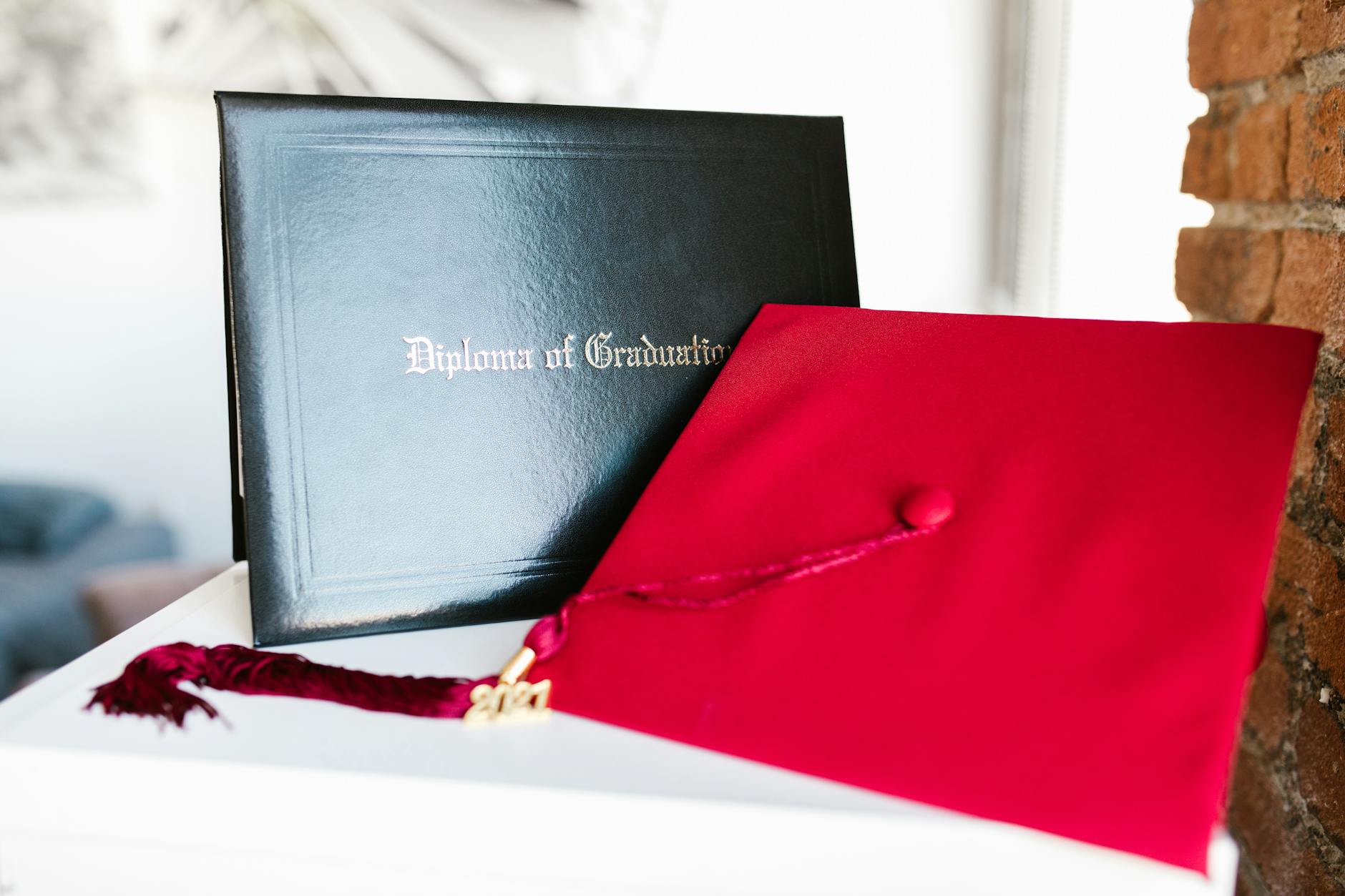
The Freelancer Myth About Degrees
The common myth says uneven income blocks a self-funded degree. It does not. What blocks people is trying to pay full tuition up front instead of buying 3-credit or 6-credit chunks through exam credit, which can cut the total bill before you ever sign up for a semester.
CLEP and DSST work best when you treat them like inventory. A $93 CLEP exam plus a $20 test-center fee costs far less than 3 college credits at most schools, so you should compare exam cost against your school’s per-credit tuition before you book. That comparison tells you where each dollar saves the most.
The catch: Passing with a 50 gives you the same transcript credit as a higher score at most schools, so do not burn 6 extra study hours chasing a number that changes nothing. Put those hours into the next exam, where they can save another 3 credits.
A 35-year-old paramedic working 12-hour shifts might only have 4 study hours a week and one good cash week each month. That setup works if the person books one CLEP after a slower month, studies during the two weeks before it, then waits on the next test until the next payroll cycle. A community-college transfer student facing a fall registration deadline can use the summer to bank 6 to 9 credits first, then use those credits to shorten the first semester. A homeschool senior trying to finish 3 CLEPs in one summer needs a tighter pace, but the same rule holds: prep first, test second, and never lock in a date before the money sits in the account.

Build a Budget Around Uneven Income
A budget for exam credit has to bend with your cash, not pretend every month looks the same. If your income swings from $600 to $2,400, a flat tuition plan will crack fast, but a test-by-test budget can keep you moving. Start with four buckets: living costs, exam costs, prep costs, and a small buffer for retakes or score sends. That buffer matters because one bad month can wreck a good plan if you spend every spare dollar on the first exam.
Reality check: Most people overfund prep and underfund testing. A better split is to hold enough cash for the next exam, then keep the rest in a reserve so you can test when your school deadline lines up.
Sample monthly budget for a side-hustler bringing in $1,500 in a decent month:
| Category | Amount | Why it matters |
|---|---|---|
| Rent, food, gas | $1,050 | Protects basics so school money stays separate |
| CLEP/DSST fee | $93 to $120 | Funds 1 exam when income clears |
| Prep materials | $29 to $60 | Keeps study costs below 1 textbook price |
| Score reports | Small fixed fee | Builds in the cost of sending results |
| Credit buffer | $50 to $100 | Covers retakes, reschedules, or an extra exam |
- Set aside living costs first, even if that leaves only $150 for school.
- Save for 1 exam at a time; do not prepay 3 tests on a swing month.
- Keep a $50 to $100 credit buffer so a retake does not blow up next month.
- Track income weekly, not monthly, because a $400 Friday can change the plan.
- Put prep money in a separate envelope or account so it does not vanish on gas or groceries.
Take the Cheapest Credits First
The goal is not to collect random credits. The goal is to lower tuition owed as fast as possible, and that starts with the cheapest exam that your school will accept for the right requirement. Check your catalog before you pay for anything, because 3 credits that fit your degree beat 6 credits that sit as electives.
Worth knowing: The fastest path is usually not the prettiest one. A plain 3-credit CLEP that fills a general education slot often beats a fancier course that takes 16 weeks and costs far more.
- Pull your degree audit and mark every open gen-ed slot, especially 3-credit holes in English, history, math, and social science.
- Compare CLEP and DSST options against those slots, then rank them by cost, test time, and how many credits they replace.
- Book the exam that saves the most tuition for the least cash, not the one that sounds easiest; a $93 CLEP that replaces 3 credits usually beats a pricier class.
- Use school deadlines as your clock. If fall registration closes in 3 weeks, test only if your score report can land in time.
- Skip exams your school treats as electives unless you have already filled the required slots. Credit that does not move your degree forward only slows your budget.
- After each pass, move to the next cheapest match and repeat. That order keeps every dollar pointed at credits, not extras.
A lot of prep blogs push the hardest exam first because it sounds disciplined. That advice wastes money. Start with the credits that cost you the least and remove the most tuition, because a quick win can fund the next round of testing.
The Complete Resource for Freelancer Degrees
TransferCredit.org has a full resource page built for freelancer degrees — covering CLEP/DSST prep with chapter quizzes and video lessons, plus the ACE/NCCRS-approved backup course if you do not pass the exam. $29/month covers both, and credits transfer to partner colleges.
Explore TransferCredit.org →Use Slow Months to Study, Not Test
Your slow months are for reading, drills, and fixing weak spots. Your busy months are for paying fees and sitting for the exam. That split matters when freelance work swings by 40% or more from one month to the next, because retakes and rushed bookings eat cash fast.
If January and February bring light work, use those 8 weeks to finish a full prep cycle for 1 CLEP or DSST. Then test in March, when your invoices start landing again. That timing keeps your cash from getting trapped in a test fee while you still need money for rent, gas, and groceries.
A community-college transfer student who gets most of their gigs on weekends can do this with a simple rule: study on the slow weekdays, test after the biggest payment clears, and avoid booking during a low-income stretch. A homeschool senior with summer earnings from lawn work or pet sitting can stack 3 exams, but only if the person uses May and June for prep and saves July for testing after the money lands.
Bottom line: Slow months buy you patience, not panic. Use them to build score margin, because a clean pass on the first try beats a rushed exam that forces a second fee.
Track Taxes and Credit Paperwork
If your income comes from contracts, tips, gigs, or platform work, keep a plain record of every deposit and every school bill. That matters because education tax rules can shift, and you should confirm current IRS rules before you file or publish anything based on them.
- Track gross income by month, not just by year, so you can match tuition payments to the right tax records.
- Save receipts for exam fees, prep costs, and score reports in one folder with dates and amounts.
- Check current IRS rules for education credits before you claim anything; tax law changes, and a $1,000 mistake can cost real money.
- Order your score report as soon as you pass, then send it to the school office that handles transfer credit.
- Ask the registrar or advising office for written confirmation that the credit posted. No HR department will do that chase for you.
- Follow up after 7 to 14 days if the credit does not show up on your transcript. Bureaucracy moves slowly, and a short email can save a whole term.
- Keep screenshots of every portal page, because a missing score report or closed inbox can turn a 2-minute task into a month-long headache.
Pick a Platform That Reduces Risk
A side-hustler with $300 left after rent cannot afford a prep plan that only pays off if every exam goes right. That is why a flexible setup matters. You want something that supports CLEP and DSST study, keeps monthly cost predictable, and does not punish you if the first test goes sideways.
TransferCredit.org fits that kind of budget because it charges $29 per month for CLEP and DSST prep, and it includes chapter quizzes, video lessons, and practice tests. If an exam does not go your way, the same subscription gives you an ACE-recommended or NCCRS-recognized backup course, so your cash still points toward credit instead of disappearing. For readers who want a single place to compare options, browse the course collection and match it to the cheapest credits first.
A freelancer who only has 5 study hours a week needs that kind of hedge. One bad test date should not wipe out the month, especially when a single pass can replace 3 credits and shorten tuition by a full class. For specific subjects, Financial Accounting and Microeconomics both fit the exam-credit strategy well because they map to common degree requirements.
TransferCredit.org also works as a bridge between low cash and steady progress. You can keep the subscription for 1 month, test when you are ready, and cancel or switch after the credits land.
How to Keep Credit Moving
Start with the school, not the test. Pull the degree plan, list the 3-credit gaps, and rank them by how much tuition they erase. That one move protects a freelancer from the most common trap: buying a prep plan before checking whether the credit actually counts.
A better plan looks boring on paper and sharp in real life. You study in slow months, test when cash rises, keep a $50 to $100 buffer, and send score reports the same week you pass. If a school takes 10 to 14 days to post transfer credit, build that lag into your registration plan so you do not miss a deadline by a few emails.
The people who win with exam credit do not chase perfect schedules. They chase workable ones. They know a 20-80 score scale, a $93 exam fee, and a 3-credit payoff can beat a full semester when money comes in waves. That is the point: use the exam to buy time, then use the time to finish the degree.
Pick one exam, one month, and one school office to contact today.

How TransferCredit.org Fits
Frequently Asked Questions about Freelancer Degrees
The part that surprises most students is that 1 CLEP or DSST can cost far less than 1 college class, so you can trade a $100-ish exam for 3 to 6 credits instead of paying full tuition. Build a monthly exam fund first, then use that fund only for test fees, prep, and score reports.
This applies to freelancers, gig workers, and side-hustlers with uneven monthly income, plus adults taking 1 or 2 exams at a time; it doesn't fit someone who needs a full-time campus schedule or has no transfer-friendly school picked yet. If your school accepts CLEP or DSST, you can fund a degree freelancer-style without waiting for an employer's help.
The most common wrong assumption is that you should save up for tuition first and treat exams as a later step. That flips the order. Cheap credits first usually cut the total tuition bill faster, because 6 credits earned through CLEP or DSST can move you past an expensive general-ed class.
Start by listing your lowest income month from the last 6 to 12 months, then subtract fixed costs, taxes, and a set exam amount before you study. If your freelance income swings from $1,800 to $4,200, budget from the low end and set aside money for 1 exam, 1 prep resource, and 1 score report.
Most students spend money on prep first and test later, but the smarter move is to buy the cheapest, fastest credits first and save the harder courses for after you cut tuition down. CLEP and DSST often award 3-credit chunks, so 4 passed exams can equal 12 credits and lower your remaining school bill fast.
You should study during slow income months and test during stronger ones. A month with fewer client invoices works well for 10 to 15 hours of review, while a month with solid cash flow can cover the exam fee, the test-center fee, and a backup retake plan if your school allows one.
You can miss a tax credit or claim one you don't qualify for, and that can cost real money at filing time. Track tuition, exam fees, and income records separately, then check the current IRS rules before you file, because tax credit limits and income cutoffs can change.
$150 a month is a useful starter target if you want steady progress without stress. Put that toward one CLEP or DSST fee, a prep book or online course, and a small buffer for score sends or a retake, then raise the amount in months when you land a bigger project.
The surprising part is that you still have to act like your own admin team. Send scores directly to your school, save the confirmation email, and check your student portal until the credit posts, because no HR office will chase the registrar for you.
This applies to you if you want flexible pricing, quick exam-credit planning, and a pass-or-free guarantee tied to the service; it doesn't fit you if your school won't accept transfer credit or you need a fully local on-campus path. Check your school's CLEP policy first, then compare the service's price against the cost of 1 failed exam.
The most common wrong assumption is that every education expense counts the same way on taxes. It doesn't. Exam fees, prep materials, and tuition can get different treatment, so keep receipts for each one and match them to the current tax rule before you claim anything.
Start by sending your official score report to the registrar on the same day you see the passing score. Then check the degree audit in 7 to 14 days, because some schools post CLEP or DSST credit faster than others and you don't have an employer office to follow up for you.
Most students chase the hardest exam first, but what actually works is starting with the cheapest, fastest credits that your school already accepts, then building from there. If 3-credit CLEP exams cost a fraction of a class, 2 passed exams can save you a full term of tuition at some schools.
Final Thoughts on Freelancer Degrees
Self-funded degrees work best when you stop treating college like a single giant bill. A freelancer with 2 busy months and 2 slow ones can still finish credits if the plan follows cash, not campus tradition. CLEP and DSST make that possible because they let you buy 3 credits at a time, and that changes the whole budget. The most common mistake is emotional, not mathematical. People wait until they feel stable, then they lose 6 months and pay more later. A tighter move helps more: pick 1 school, 1 degree requirement, and 1 exam that saves real tuition. Then use the next slow month to study and the next strong month to test. A 10-day delay in score posting can matter just as much as the exam fee, so build in time for paperwork. A $93 exam can save far more than that, but only if you send the score, confirm the credit, and keep the transcript moving. That part feels dull. It still matters. Start with the cheapest credit that fits your degree, then keep the rest of the plan small and repeatable.
What it looks like, in order
Ready to Earn College Credit?
CLEP & DSST prep + ACE/NCCRS backup courses · Self-paced · $29/month covers everything