
Two classes can both say “Introduction to Accounting” and still get different transfer results. That happens because schools compare learning outcomes, hours, assessments, and rigor, not just the title on the transcript. If you want credit to count, think like the evaluator, not like the student who took the class. A transfer office usually looks at the catalog description, the syllabus, the number of credits, and whether the course fits lower-division or upper-division work. A 3-credit class with 45 contact hours and weekly proctored exams looks different from a 3-credit class with 24 hours and open-note quizzes. Save the syllabus now. You may need it later when a registrar asks for proof. A student moving from a community college to a state university often hits this wall during the first audit. Same course title. Different result. That is not random. Schools protect degree quality, and they use matching rules to decide whether a course fits a major, an elective block, or nothing at all. The hard part is that similar titles can hide very different class design. One school may teach Financial Accounting with 150 minutes a week for 16 weeks and a final exam. Another may spend half that time on surveys and projects. The title tells you almost nothing by itself. The paperwork tells the real story.
Why Similar Course Titles Diverge
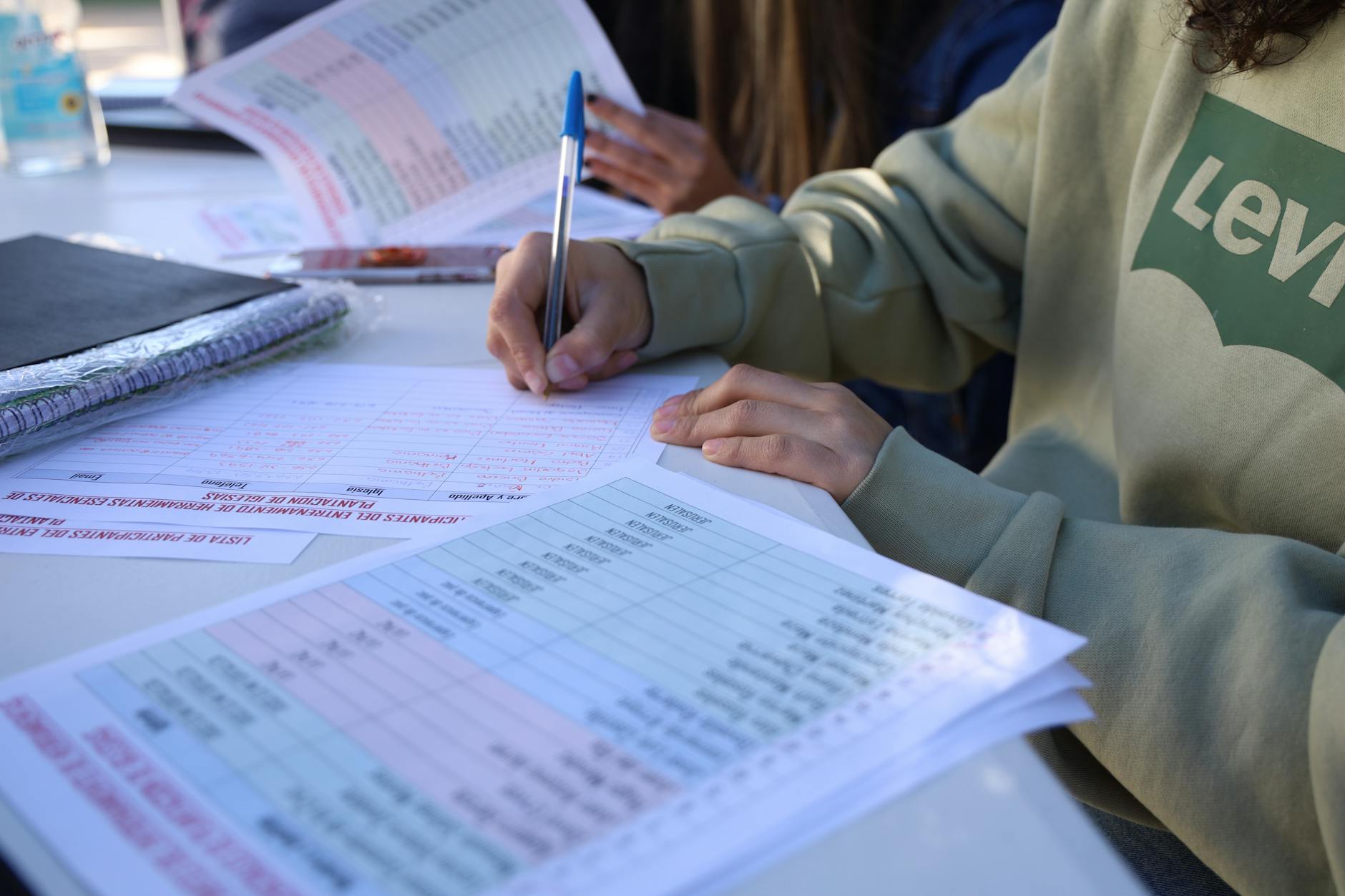
Two classes can share a name and still split apart during review because the title only gives the first clue. Evaluators check learning outcomes, catalog text, prerequisites, and the amount of work packed into the term. A 3-credit class with 45 contact hours and a closed-book final looks more serious than a 3-credit class with 30 hours and weekly open-note quizzes, so keep the full syllabus ready and not just the transcript.
The catch: A school may approve one “Psychology 101” course and reject another with the same title if the second one skips research methods or lab-style work. That matters because lower-division classes often need 3 credits, 40 to 45 hours, and clear outcomes tied to the first year of a major. If your class falls short on any of those points, send the catalog page and syllabus together, not one lonely document.
A 35-year-old paramedic taking classes after 12-hour shifts faces this in a tight window. She may finish a summer course before a fall registration deadline, but the transfer office still checks whether the class matches the receiving school’s 15-week pace and grading style. If the class used 4 essays and 1 exam instead of 2 midterms and a final, that difference can matter, so she should ask for pre-review before paying another term’s tuition.
I do not love how much schools lean on paperwork instead of actual learning, but that is the system. A course with the same title can land differently at two public universities in the same state, especially when one treats it as a major requirement and the other treats it as a free elective. That is why the catalog description, not the name, often decides the outcome.

What Evaluators Compare First
A transfer office usually starts with the syllabus, not the transcript headline. A 3-credit course can look strong on paper and still miss the mark if its outcomes, hours, or assessments do not line up with the receiving program.
- Learning outcomes come first. If the course names 5 skills and the destination class names 8, compare the overlap line by line.
- Credit and contact hours matter. A 3-credit class usually needs about 45 hours of class time, so ask where those hours show up.
- Assessment style tells a lot. Midterms, finals, labs, and proctored tests usually carry more weight than 10 short quizzes.
- Prerequisites signal level. A 200-level course often counts differently from a 100-level class, even with a similar title.
- Catalog language can decide the match. If the receiving school lists “business law for majors,” a general survey class may only count as elective credit.
- Instructional rigor matters too. A class with case studies, problem sets, and a final project often looks stronger than one built on discussion posts.
How Course Matching Becomes Credit Acceptance
The transfer process starts when the school receives your transcript, then moves to a review by an academic department or registrar. In a business administration track, that review usually decides whether a class fits a core course like Marketing, Management, or Accounting, or whether it drops into general elective space instead. That difference can change a graduation plan by 3 to 6 credits, so compare the degree audit before you pay for another term.
Worth knowing: A course can match on content and still miss the major block if the school wants a specific sequence, like 200-level Business Law before a capstone. That is why a student who finishes a 3-credit law course at a community college should ask whether it meets the major requirement or only the elective bucket. If the school lists 120 total credits for the degree and your course saves 3 of them, the right match can shave off one full class, not just a line on a transcript.
A homeschool senior taking 3 CLEPs in one summer faces the same logic in a faster lane. If the fall term starts on August 26 and the transfer office needs 2 to 4 weeks for review, the student should send scores and syllabi before the deadline, not after it. That timing matters because a late decision can push a schedule change into the next semester, and nobody wants to reorder a whole semester around one missing credit.
The part that surprises people: a passing score of 50 and a score of 80 usually lead to the same credit award at the receiving school. The extra 30 points do not buy extra transcript lines. So once you clear the passing mark, move on to the next class instead of pouring another week into a score you will never get rewarded for.
The Complete Resource for Course Equivalency
TransferCredit.org has a full resource page built for course equivalency — covering CLEP/DSST prep with chapter quizzes and video lessons, plus the ACE/NCCRS-approved backup course if you do not pass the exam. $29/month covers both, and credits transfer to partner colleges.
See Find My College →Why Equivalency Fails Even When Content Matches
A class can cover the same topic and still miss transfer because schools also care about structure. Missing lab time, a lighter assessment load, or outdated content can sink a match fast. A biology course without 1 lab hour per week will not look the same as a course that pairs lecture with hands-on work, so check the lab requirement before you assume the name tells the whole story.
Residency rules create another hard stop. Some schools require 30 of the final 60 credits in residence, which means even a strong outside class can only do so much. If a university sets that rule, plan your transfer work early and keep your last 2 years in mind, because a perfect match still cannot erase a residency policy.
A 3-credit class from 2014 may also run into outdated content if the field changed fast, like accounting software, data privacy, or health policy. If the receiving school updated its course in 2023, the older class may only count as an elective. That does not mean the work had no value; it means the school wants current material for its main requirement, so send an updated syllabus if you have one.
Accreditation standards can block a match too, especially when one institution expects regional accreditation and the other does not. A course from a school outside that standard may still teach the right material, but the evaluator may stop there. In that case, ask whether the class can count toward general credit, and then plan your next step around a school that accepts that source.
Ways to Strengthen Transfer Credit Odds
The best time to protect your credit is before you pay for the class. A 15-minute syllabus check can save a student from losing 3 credits later, and a quick email to an advisor can tell you whether the class fits a major requirement or only an elective slot. Schools rarely reward guesswork, so bring the paperwork early and keep it clean. That means the catalog page, the weekly schedule, the grading scheme, and the learning outcomes should all sit in one folder before the term starts.
- Save every syllabus. Store the 2024 or 2025 version, not a memory of it.
- Compare catalog descriptions line by line. Match outcomes, hours, and level, not just the title.
- Ask for a pre-evaluation 2 to 4 weeks before registration.
- Send proof of exams, labs, or projects if the class used them.
- Keep advisor emails. Written answers beat vague phone advice later.
check your school list before you enroll
When to Appeal a Credit Decision
A bad transfer ruling does not always stay final. If a 3-credit class lost major credit because the reviewer missed the syllabus, you can push back with evidence, dates, and a clean paper trail. Start fast, because many schools set appeal windows at 10 to 30 days after the decision.
- Gather the transcript, syllabus, catalog page, and grading policy in one file. Ask for the exact reason for denial in writing.
- Match your course to the receiving school’s class by learning outcomes, level, and hours. If the school wants 45 contact hours and your class has 42, point to the missing 3 hours and explain the rest of the match.
- Submit the appeal to the registrar or department chair before the deadline. If the office gives you 14 days, do not wait until day 13.
- Add proof from the instructor if the syllabus leaves gaps. A short note on labs, exams, or projects can fix a weak file.
- Escalate to the academic dean if the first review fails. Keep every email, because appeals often move faster when you show a clear timeline.

How TransferCredit.org Fits
Frequently Asked Questions about Course Equivalency
Course equivalency means a school compares your old class to one of its own college courses and decides whether it matches closely enough for credit. They look at learning outcomes, topic coverage, contact hours, and level, not just the course title, so two classes called Psychology 101 can still split.
Most students look at the course title first, but what actually works is matching the syllabus, weekly topics, credit hours, and grading level. A 3-credit biology class with 45 lab hours can get treated very differently from a 3-credit lecture-only class, even if the names look close.
A detailed syllabus can decide a 3-credit transfer course, and it matters more than the title in a lot of cases. If you give the school learning goals, textbook list, assignments, and 15-week schedule, you give them the proof they need to compare your class against their own.
Start by pulling the syllabus, catalog description, and number of instructional hours for each class. Then compare those details with the receiving school's course list, because university transfer offices usually want evidence of content match, not just a transcript line.
This helps you if you're moving between accredited schools with similar academic standards, and it doesn't help much if your class came from a noncredit program or a school outside the normal transfer system. A 4-year university may also reject a 2-credit course when it only grants credit for 3-credit matches.
What surprises most students is that two classes with the same title can get different results because one school teaches the subject at a lower or higher level. A freshman writing course at one college can match English composition at another, while a 200-level version may only count as elective credit.
If you get it wrong, you can lose 3 or 4 credits and delay graduation by a full term. That hurts most when a major class doesn't match and you have to retake it, so check the school's transfer page before you enroll in the next semester.
The most common wrong assumption is that same title means same credit. It doesn't. A 3-credit Intro to Sociology class with 30 lecture hours and no research paper may not match a school that expects 45 hours, a midterm, and a final exam.
Yes, course equivalency can still give you credit if the learning goals and rigor line up closely enough, even when the course number or title differs. A school may grant elective credit instead of direct major credit, which still helps if you need 120 credits to graduate.
Most students send a transcript and hope for the best, but what works better is sending the syllabus, catalog description, and sometimes assignments or lab hours together. That gives the evaluator 3 or 4 points of proof, not just one line from a transcript.
15 contact hours usually equal 1 semester credit, so a 3-credit course often needs about 45 hours of direct instruction. If your class only shows 30 hours, ask whether the school will count homework, labs, or discussion time before you count on full transfer credit.
Request the denial reason in writing first. Then compare the school's stated learning outcomes with your syllabus, because a mismatch in 1 or 2 major topics often explains the decision and gives you a clear appeal packet.
This matters most if you're planning a university transfer, changing majors, or bringing in 6 or more credits from another school, and it matters less if you're not seeking credit at all. If you only need a personal learning experience, the match doesn't affect your degree plan.
Final Thoughts on Course Equivalency
Course equivalency sounds dry until it blocks 3 credits, then it gets very real. The title on the transcript matters less than the actual class design. Schools want proof that the course taught the same skills, at the same level, with similar depth and time. If the course ran 45 hours, used a proctored final, and matched the receiving school’s outcomes, it has a strong case. If it skipped a lab, used lighter grading, or sat below the target level, the evaluator may trim it back or move it to elective credit. That is why smart planning beats hopeful guessing. A student who checks the catalog, saves the syllabus, and asks for a pre-review before registration has a much better shot than someone who waits until the transcript audit comes back. The appeal process also matters. A denial does not always mean “no forever.” It often means “show us more proof.” The cleanest move is simple. Pick the target school first, pull the course policy before you enroll, and keep every document that shows what you actually learned. Then, if the first answer lands badly, appeal fast with the facts in hand.
How CLEP credits actually work
Ready to Earn College Credit?
CLEP & DSST prep + ACE/NCCRS backup courses · Self-paced · $29/month covers everything