
Many students lose time here because they trust the exam provider, not the university. Wilmington University does not post credit just because CLEP, DSST, ACE, or military training looks legit on paper. It reviews the course match, the score or document, and the degree fit first. That matters because a 50 on CLEP and a 75 on CLEP do the same thing at the college level if Wilmington accepts the exam for that course. You do not need to chase a perfect score. You need the right match, the right paperwork, and the right place in your degree plan. Wilmington University has a reputation for flexible transfer review, but flexible does not mean automatic. A business major, a working adult, and a fall transfer student all face the same first step: check the school’s current policy before paying for another exam or course. If you skip that step, you can stack up credit that looks good on a transcript and still miss the class you needed for graduation. The common mistake is simple. Students hear that CLEP is accepted at 2,900+ U.S. colleges and assume every school handles it the same way. They do not. Wilmington decides what fits, how much fits, and where it fits.
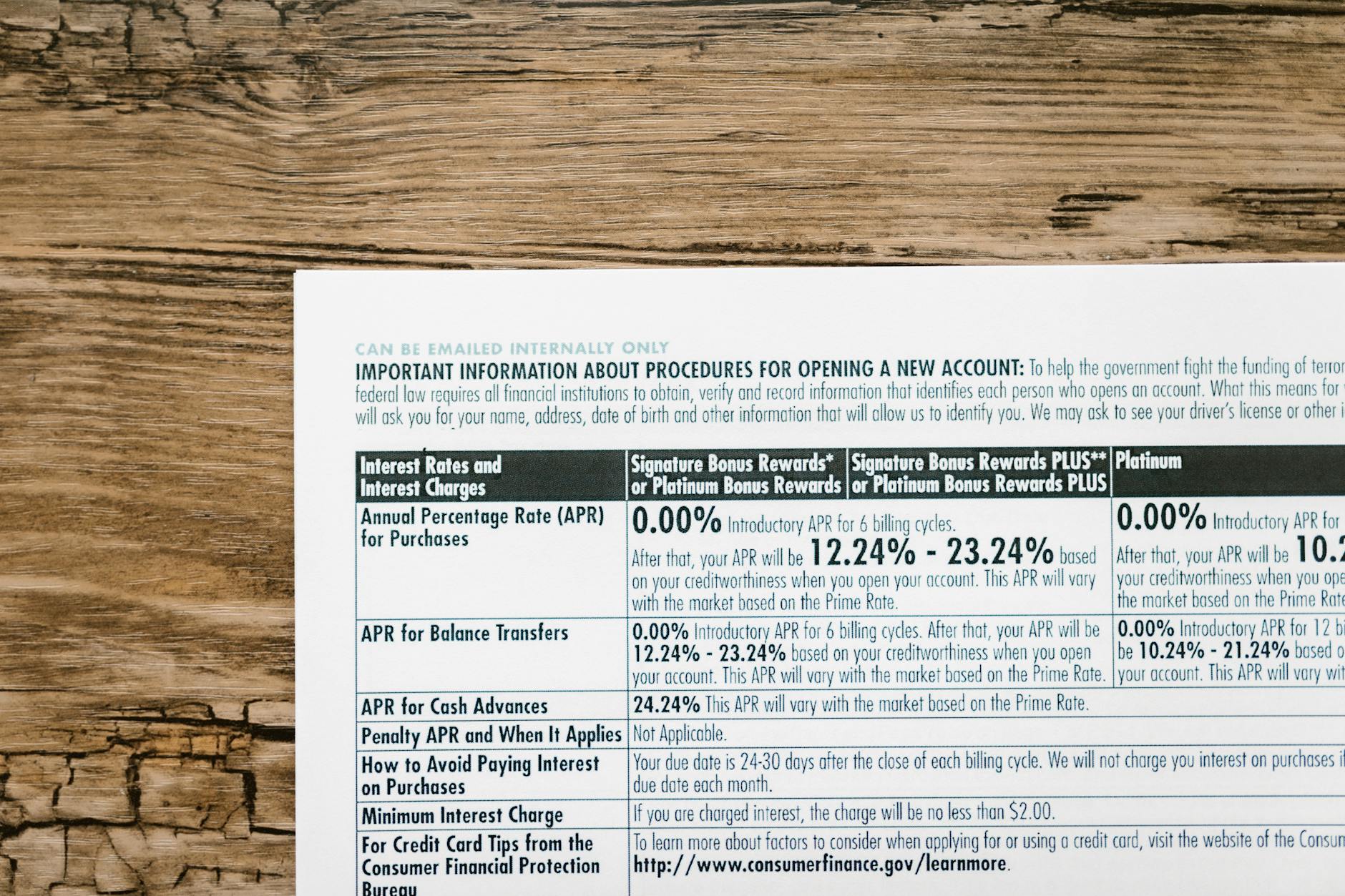
What Wilmington Usually Takes
Wilmington University usually reviews CLEP, DSST, ACE/NCCRS learning, military training, and prior learning assessment, but the school still looks at course match and documentation before it posts credit. That is the part most students miss. A provider can say an exam is ACE-recommended, and Wilmington can still say no if the content does not line up with a specific course.
Reality check: National acceptance does not mean automatic credit. CLEP works at 2,900+ U.S. colleges, and ACE/NCCRS credit shows up at 2,100+ schools, but those numbers tell you where a credential has a market, not what Wilmington will apply to your degree. Use those counts as a signal to investigate, then check Wilmington’s own transfer page and catalog before you register for anything.
A 35-year-old paramedic studying after 12-hour shifts needs a different plan than a full-time freshman. If that student has 5 hours a week, one CLEP exam with a clean match beats three random courses with fuzzy overlap. The smart move is to pick the Wilmington class first, then hunt for the exam or ACE course that covers it. That keeps the time pressure from turning into a money leak.
A homeschool senior aiming to finish 3 CLEPs in one summer faces a different risk: stacking exams that look easy but do not all map to the same program. If Wilmington posts credit for one exam but not the other two, the student still spent the summer and the test fees. Check the exact course names, not just the subject labels.
Wilmington also reviews military training and prior learning, and that review often depends on official records. A JST, transcript, score report, or portfolio can matter as much as the learning itself. The school’s open-enrollment setup helps with access, but access and credit are not the same thing. The approval step still sits with the registrar or the office that handles transfer evaluation.

The Limits That Actually Matter
What matters most is not the label on the credit. It is the cap, the document trail, and whether Wilmington applies the credit as direct course match, elective credit, or nothing at all. A school can like flexible transfer credit and still cap it. That is where students get burned.
| Credit type | What Wilmington reviews | What to check first |
|---|---|---|
| CLEP / DSST | Exam score, course match, transcript proof | Current catalog and degree plan |
| ACE / NCCRS coursework | Course completion, provider record, equivalency | Whether the course appears on the school list |
| Military / PLA | JST, portfolio, training docs, department review | Official record and program fit |
| Traditional transfer | Transcript, grades, credit hours | Minimum grade rule and residency rule |
| Transfer cap | Published limit on outside credit | How many credits your degree allows |
The catch: Most schools cap outside credit somewhere, and that cap changes the math fast. If Wilmington sets a published ceiling for transfer or prior-learning credit, use it before you take another exam, because the 61st credit can waste the same time and money as the first if it lands past the limit.
If Wilmington asks for official transcripts or score reports, send them early. If it wants department review, expect a delay of days or weeks, not hours. That lag matters when registration opens for a 15-week term.
The Complete Resource for Transfer
TransferCredit.org has a full resource page built for transfer — covering CLEP/DSST prep with chapter quizzes and video lessons, plus the ACE/NCCRS-approved backup course if you do not pass the exam. $29/month covers both, and credits transfer to partner colleges.
Explore TransferCredit.org →How To Check Your Credits First
Do this before you spend money. A 90-minute CLEP exam, a month of prep, or a completed ACE course only helps if Wilmington applies it the way you expect. One wrong assumption can turn a clean plan into a pile of unused credit.
- Find Wilmington’s current transfer-credit page and the academic catalog for your program. Match the exam or course to the exact class title, not the subject area.
- Gather the proof the school asks for: CLEP or DSST score report, ACE or NCCRS completion record, military transcript, or prior-learning portfolio.
- Check the score or grade rule before you submit anything. CLEP uses a 20-80 scale with 50 as the standard passing score, so use that to see whether your result clears the line.
- Submit the materials for evaluation and ask how long the review takes. If the school works on 15-week terms or registration deadlines, that timing can decide whether the credit helps this term or the next one.
- Confirm how the credit lands in your degree plan: major requirement, elective, or free credit. A class that counts as an elective still may not replace the course you need to graduate.
Bottom line: Check the school first, then take the exam. If you already paid for a course or test, you still need the evaluation, because the receipt does not force the credit to land where you want it.
Where CLEP And ACE Fit
A student with 6 months until enrollment and 2 or 3 classes left to clear a general-education block does not need a giant plan. That student needs a fast match, a backup if the exam goes sideways, and a clean record that Wilmington can read. That is where exam prep plus a backup ACE/NCCRS course makes sense.
The appeal is blunt. CLEP prep helps you aim at a 90-minute exam, and the backup course keeps progress moving if the test score misses the mark. TransferCredit.org offers that path at $29/month, and the same subscription opens the matching ACE-recommended or NCCRS-recognized course if the exam does not go your way. Use that only if you want speed and a second lane, not because it guarantees Wilmington will treat both paths the same.
A flat-fee ACE course makes more sense when the student already knows the school wants course-style proof. The 70+ self-paced courses sit around $250 each, so one course can cost more than a month of exam prep but still less than a retake cycle plus lost time. Compare the price to the number of credits left, then decide whether the backup path or the course path fits your calendar.
Excelsior University’s OneTranscript service can help if you want ACE/NCCRS credits on one regionally accredited transcript before you send records to Wilmington. That does not change Wilmington’s rules. It just makes the paperwork cleaner. Clean paperwork matters when a registrar reviews 3 transcripts and 2 score reports in the same batch.
What To Do Before You Enroll
- Open Wilmington’s transfer page and your program catalog first.
- Match each exam or course to a specific class number, not a broad subject.
- Pull the score report, transcript, or completion record before you submit.
- Ask whether the credit counts as major, elective, or no-credit.
- Use the school page for the final check, and if the dedicated page is missing, use https://www.transfercredit.org/search instead.

How TransferCredit.org Fits
Frequently Asked Questions
What surprises most students is that Wilmington University transfer credit review can cover more than just classes from another school. You can also bring in CLEP, DSST, ACE/NCCRS, military training, and prior learning if Wilmington says the item fits its rules. That matters because a 3-credit win can save you one full course.
Yes. Wilmington University does accept CLEP when the exam matches a course or elective slot in your program, but you still have to check the exact course match before you enroll. CLEP uses a 20-80 score scale with 50 as the standard passing score, so keep your score report ready.
Most students send a transcript and wait. That usually wastes time. What works is matching each CLEP, DSST, ACE, or NCCRS item to a Wilmington course before you pay tuition, then asking admissions or registrar staff to review it in writing.
This applies to you if you're applying to Wilmington University or already enrolled and want to use outside credit. It doesn't help if your credits sit outside Wilmington's rules, such as a nonapproved exam or a course that doesn't match your degree plan. Open-enrollment doesn't mean open credit.
The biggest wrong assumption is that any ACE or NCCRS credit will land at Wilmington University just because another school accepted it. That isn't how transfer rules work. You still need the exact title, provider, and credit type, because Wilmington reviews each item against its own published policy and program rules.
A single CLEP exam costs about $93 plus any test-center fee, and a good ACE/NCCRS course plan can run about $29 a month or about $250 per self-paced course. Use those numbers to compare the cost of 3 credits against one Wilmington class, then check whether your target class accepts the credit.
Start with Wilmington's transfer-credit page and your exact degree plan. Then list every exam or course by name, like CLEP College Composition or a specific ACE/NCCRS class, and ask Wilmington to confirm how each one fits before you register for anything else.
If you get it wrong, you can waste money on credit that lands as elective-only or doesn't count at all. A 90-minute CLEP with a passing 50 still only helps if Wilmington places it in the right slot, so check the match before you sit for the exam.
What surprises most students is that military training and prior learning can carry real weight at Wilmington University, not just college classes. You may need official records, a learning portfolio, or ACE-backed documentation, and each item can land differently across programs.
Yes, Wilmington University publishes limits on how much outside credit you can apply, and the cap depends on your program and degree level. Check the current policy before you bank on a big block of CLEP or ACE credit, because a bachelor's program and a master's program do not follow the same rules.
Most students assume the exam or course will sort itself out after enrollment. What actually works is checking the exact Wilmington University transfer credit rule first, then confirming each CLEP, DSST, ACE, or NCCRS item against that rule in writing before you pay for the credit.
Final Thoughts
Wilmington University gives students a flexible path, but flexibility only helps when the credit matches the program on paper. CLEP, DSST, ACE/NCCRS coursework, military records, and prior learning all sit in the mix, and each one needs the right proof. The student who checks the catalog first usually avoids the dumbest mistake in transfer work: spending money on credit that never had a clean home in the degree plan. The best habit is boring and effective. Start with the class title, then check the score rule, then check the document rule, then check the cap. If the school wants a score report or an official transcript, send it fast. If the credit fits as an elective but not a major class, change the plan before you buy another exam. One more thing. A passing CLEP score of 50 and a higher score above that do the same job once the school accepts the exam. That means you should study for a clean pass, not a perfect score, unless your own confidence needs the extra cushion. Chasing 5 more points can waste hours that belong in the next requirement. If you want the exact school page for accepted exams and transfer details, check the Wilmington University entry on the dedicated page and use the search fallback if the page is not live. Then lock your next step to the rule, not the rumor.
How CLEP credits actually work
Ready to Earn College Credit?
CLEP & DSST prep + ACE/NCCRS backup courses · Self-paced · $29/month covers everything