
CSU Global accepts ACE-recommended credits, which is important if you want to turn training, exams, or online courses into degree progress without wasting a term. The catch is simple: the credit has to come from an ACE-reviewed source, match a CSU Global course or requirement, and fit the school’s transfer and residency rules. That means a 90-minute CLEP exam, a corporate training course, or an ACE-approved online class can help, but the label alone does not force a match. CSU Global still looks at subject fit, documentation, and how many outside credits already sit on your record. A student with 60 transfer credits does not get the same room as one with 12. This guide breaks down what CSU Global usually accepts, what score or grade you need, how many credits you can stack, and how the review process works in practice. A working adult with 5 study hours a week needs a different plan than a fall transfer student trying to clear gen-ed credits before August registration. Same school. Very different timing. The catch: ACE approval gets you in the door, but CSU Global still checks equivalency. That makes the subject match more important than the brand name on the certificate.
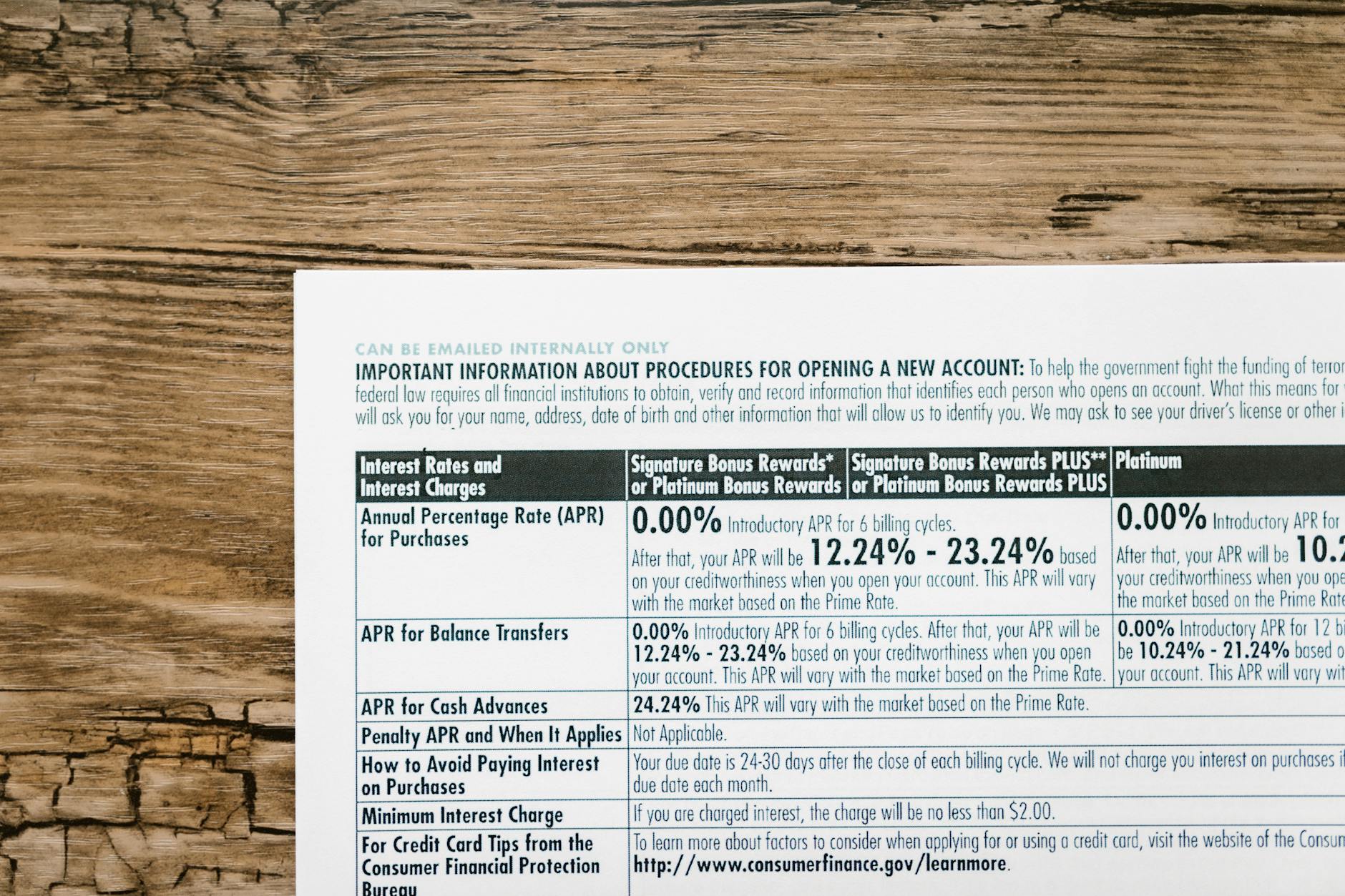
Does CSU Global Accept ACE Credits
CSU Global accepts ACE-recommended credit when the learning source appears on an ACE transcript or other approved record and the credit fits a degree requirement. That usually includes 1) the right subject, 2) the right number of credits, and 3) a clean paper trail. The school does not hand out credit just because ACE stamped the provider. It checks the course against its catalog first.
A lot of students miss the real rule. ACE gives the recommendation, but CSU Global makes the final call on equivalency and program fit. A 3-credit ACE course in psychology means nothing if your degree plan already has that slot filled. Use the credit where the degree map still has open room, not where it sounds impressive.
A community-college transfer student who wants to start in the fall and has 8 weeks before registration should check ACE options first, then compare them with CSU Global’s general education list. That student does better by chasing 3 credits that clear a requirement than by stacking random electives. A homeschool senior taking 3 CLEPs in one summer faces the same issue: 9 credits only help if CSU Global can place them correctly.
Reality check: The ACE stamp does not override CSU Global’s own degree rules. That means a good-looking course can still miss the mark if the content does not line up.
Colorado State University Global Campus also keeps standard academic limits in play, like residency and major-specific rules. So yes, ACE credits can move fast, but they still have to land in the right place. If you want the cleanest path, check CSU Global’s ACE transfer page before you spend money on a course or exam.

Which ACE Courses And Exams Count
CSU Global usually looks at ACE-recommended online courses, corporate training, and exam-based credit like CLEP or DSST when those credits match the school’s curriculum. ACE works like a common language across 2,000+ colleges, but CSU Global still decides whether a 3-credit class counts as psychology, business, or plain elective space. That is why the course title alone never settles the question.
Online courses from ACE-reviewed providers often show up as lower-cost credit paths, but subject fit still drives the result. A business law course can fit cleanly into one program and miss another if the degree already uses a different law requirement. A microeconomics class can work for one business major while a different major needs macroeconomics instead. If the catalog calls for 3 credits in a specific area, send in the course only when the content line matches that area.
A 35-year-old paramedic studying after 12-hour shifts has a different problem. They do not need 20 possible courses. They need 1 or 2 that hit open general education slots before the next 16-week term starts. That is where subject limits matter more than hype. One solid match beats three “maybe” matches.
Most prep guides waste time on the easiest passable class and ignore the credit map. That sounds smart, but it burns hours. If a school accepts the same 3 credits from two different routes, pick the route that matches the degree slot and your schedule. For a lot of students, that means using educational psychology or business law only when the degree plan still has room for them, not because they look easier on paper.
Bottom line: The ACE label opens the gate, but CSU Global still checks the room assignment. That gives you a path, not a promise.
What Score Or Grade CSU Global Needs
ACE credit usually depends on a passing score, a completion grade, or both, and CSU Global needs proof that shows the result clearly. For most CLEP exams, the standard passing score is 50 on a 20-80 scale, and each exam usually lasts 90 minutes. If you use CLEP, send the score report right away so the credit can move with the rest of your file.
- Bring the official ACE transcript or provider transcript if the course came from an ACE-reviewed source. CSU Global cannot guess from screenshots.
- For CLEP, use the College Board score report and the 50 passing mark. A score below 50 does not meet the standard ACE-credit bar, so do not submit it as if it did.
- For online or corporate courses, submit the completion record that shows the final grade or completion date. A 3-credit course needs a document that names the course, not just the provider.
- Match the course title to the CSU Global requirement before you send anything. A class that says business law still needs to fit the right 3-credit slot.
- Check whether the course came from an ACE-reviewed provider and whether CSU Global lists the subject as acceptable. The label helps, but the catalog wins.
- If you earned credit through a workplace program, include the training date and the credit recommendation. Dates matter because old records slow the review down.
The Complete Resource for CSU Global ACE Credits
TransferCredit.org has a full resource page built for csu global ace credits — covering CLEP/DSST prep with chapter quizzes and video lessons, plus the ACE/NCCRS-approved backup course if you do not pass the exam. $29/month covers both, and credits transfer to partner colleges.
See CSU Global ACE Credits →How Many ACE Credits You Can Apply
CSU Global lets you use ACE credit toward a degree, but it does not let outside credit swallow the whole program. The school still keeps a residency requirement and degree-specific limits in place, which means some credits must come from CSU Global itself. That matters more in a 120-credit bachelor’s than in a short certificate, because every degree map has a different amount of open space.
A smart rule: do not stack ACE credits until you have checked the transfer ceiling for your program. Some majors leave room for a lot of outside credit, while others lock down upper-division work or major courses. If your plan already includes 60 transfer credits from a community college, the remaining 60 credits become the battleground. Aim ACE credit at the part of the program that still has room.
A homeschool senior who knocks out 3 CLEPs in one summer can build a fast start, but that does not mean all 9 credits land the same way. One exam might cover general education, another might fill a free elective, and a third might sit unused if it misses the major map. That student should treat each exam like a slot on a board, not a trophy on the wall.
Worth knowing: The hardest part is not passing the exam. It is making the credit count in the exact 3-credit place CSU Global still needs. That is why a broad plan beats a pile of random wins.
If you want a direct way to match your credits to CSU Global’s rules, review the CSU Global transfer page here and compare it to your degree audit before you buy or test.
Submitting ACE Credit To CSU Global
Once you have the right credit, the paperwork matters as much as the score. A clean file can move in days; a messy one can stall for weeks. Start with the official record, then send everything to the right office in one pass.
- Get the official transcript or score report from the source. If the credit came from a CLEP exam, use the College Board report; if it came from an ACE course, use the provider record.
- Check the CSU Global degree plan and match the credit to a 3-credit or 4-credit slot before you submit. A mismatch wastes time and can trigger a second review.
- Send the documents through CSU Global’s transfer-credit process or admissions instructions, not by random email. Schools lose loose files all the time.
- Watch for any request for extra detail, such as course descriptions, completion dates, or provider proof. If CSU Global asks for it within 7 to 10 days, answer fast.
- Follow up until the credit posts on your evaluation. A missing score report or an old transcript can slow the whole thing down by 1 to 2 weeks.
How Long CSU Global Takes
After CSU Global gets your ACE record, an evaluator checks the source, the subject match, and the degree fit. That review often moves faster when the file includes an official transcript, a clear course title, and the exact completion date. A clean submission with 1 document usually beats a pile of screenshots, and a clean file can shave days off the wait. If the school needs more detail, the clock stops until you send it.
- Clean records can move in a few business days.
- Missing transcripts can add 1 to 2 weeks.
- Subject mismatches often need a second review.
- Fall registration deadlines make June and July the busy months.
- Ask for a written update if 10 business days pass with no change.

Frequently Asked Questions about CSU Global ACE Credits
Most students expect CSU Global to reject nontraditional credit, but it does accept ACE-recommended credit from approved online and corporate training sources. ACE stands for the American Council on Education, and CSU Global reviews those recommendations through its transfer team before it posts credit to your degree plan.
Yes, CSU Global accepts ACE credits, but only when the ACE course or exam matches your degree plan and fits CSU Global's transfer rules. Some programs cap upper-division credit, and major-specific courses still have to line up with the catalog.
Start by ordering an official transcript or score report from the ACE provider, then send it to CSU Global's admissions or transfer office. After that, CSU Global evaluates it course by course, so keep the provider name, course title, and completion date handy.
CSU Global usually looks for a passing grade or score that matches the ACE recommendation, and many ACE exams use a 50 on the 20-80 CLEP scale or a 'pass' mark on the training transcript. You should check the exact ACE record, because the school can treat exams and courses differently.
This applies to you if you've finished an ACE-recommended course, exam, or corporate training through an approved provider. It doesn't cover random MOOCs, unvetted short courses, or classes that never earned ACE review, even if the topic looks similar.
The biggest mistake is thinking every ACE credit transfers at 100% and counts exactly where you want it. CSU Global can accept the credit but still place it as elective credit, and a 3-credit course in one area won't always replace a major requirement in another.
If you send an unofficial screenshot or a partial record, CSU Global can delay the review for 1-3 weeks while you resubmit the right file. That usually means your degree audit stays incomplete, so use the official transcript or score report the first time.
Most students send credits after they register for classes, then they get stuck with duplicate work. What works better is checking the transfer fit before enrollment, because CSU Global can post approved ACE credit faster when you already know which 3- or 4-credit slot it fills.
Most students are surprised that CSU Global can accept both ACE-recommended exams and ACE-approved training, not just college classes. That includes options tied to providers like StraighterLine, Study.com, and some employer training records, as long as the ACE recommendation and CSU Global match up.
CSU Global usually finishes ACE credit review in about 2-4 weeks after it gets your official documents. If your record comes from a big provider or needs a manual match to a specific course, give it extra time and track the review through your student portal. For low-cost ACE/NCCRS self-paced options with a pass-or-free guarantee, check TransferCredit.org.
Final Thoughts on CSU Global ACE Credits
What it looks like, in order
Ready to Earn College Credit?
CLEP & DSST prep + ACE/NCCRS backup courses · Self-paced · $29/month covers everything