
A Chemistry exam can save you 3 to 4 credits, but it rarely wipes out a lab by itself. That matters because the lab block is where a lot of science degrees stay strict, even when the lecture side gives you credit. If a school wants 1 lecture course plus 1 separate lab, you need to know that before you pay for the test. The safe move starts with two checks: the current passing score and the credit hours your school posts for the exam. Those details can change, and a school can post 4 credits for one result while another school only grants 3. Ask the registrar first, then ask the department if the class sits inside a science major or a general education block. The catch: A passing score does not automatically equal a lab waiver. Most colleges treat the exam like lecture credit, then hold the lab back unless they already publish a substitution rule. The study side is more predictable. Atomic structure, periodic trends, reactions, balanced equations, and stoichiometry basics show up over and over, so a tight prep plan beats random reading. A homeschool senior trying to finish 3 CLEPs in one summer has a different pace than a 35-year-old paramedic studying after 12-hour shifts, but both still need the same core content and a clean score report trail. That trail matters. If the score never reaches the registrar or admissions office, the credit often sits in limbo, and nobody enjoys fixing that during registration week.
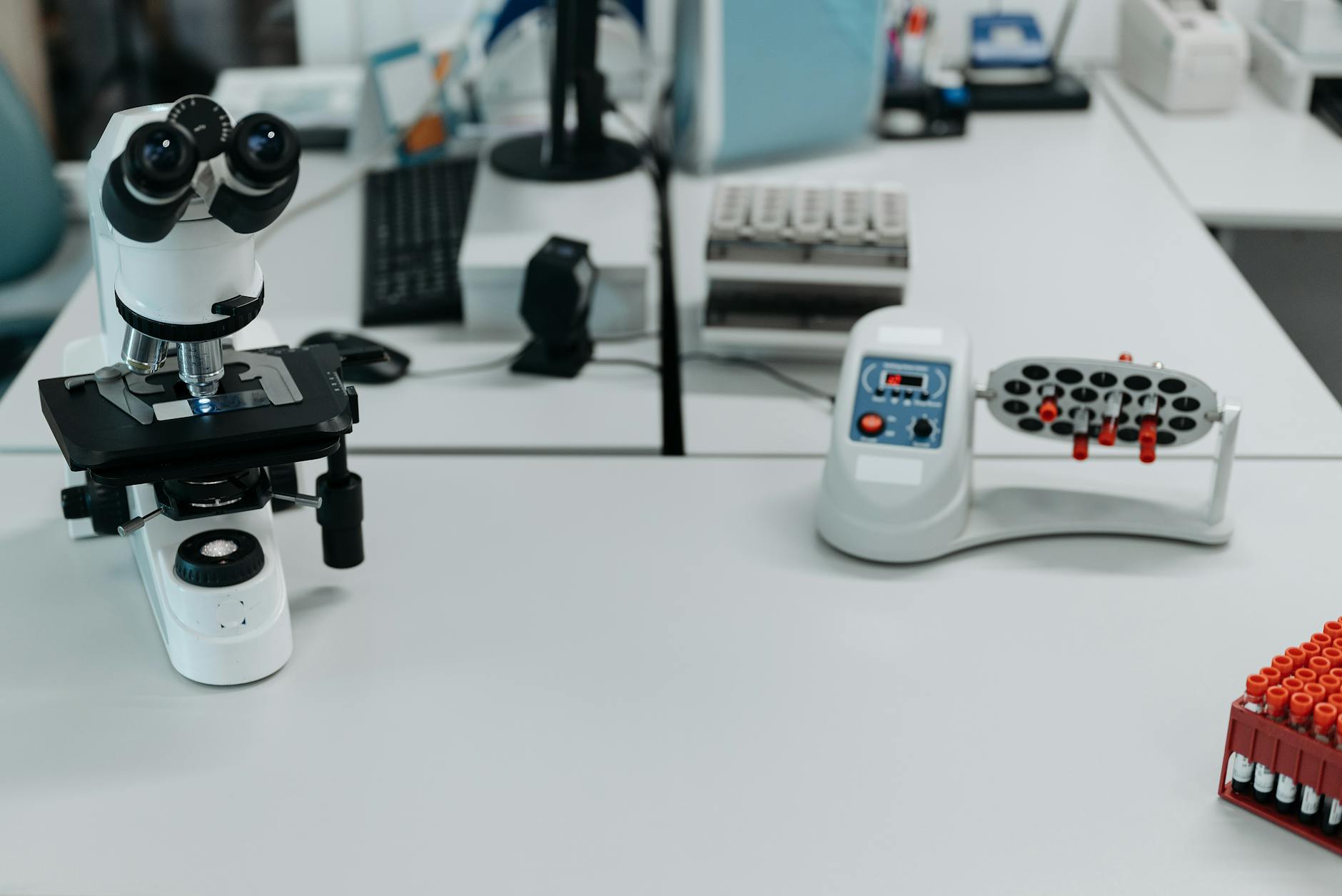
What the Chemistry exam really tests
Chemistry credit exams usually test the first-year lecture ideas, not the hands-on lab work. Expect atomic structure, isotopes, electron shells, periodic trends, bonding, chemical reactions, balancing equations, and stoichiometry basics. A lot of students waste time reading every chapter evenly, but the test rewards clean recall on the 5 or 6 core ideas that show up again and again.
Reality check: The passing score and credit award can change, so check the official exam page and your school’s transfer office before you register or publish a guide. If the provider lists a score on a 20-80 scale, compare that number to your college’s posted rule right away. A school that gives 4 credits for one score and 3 for another can change your whole plan, so verify both numbers before you pay for test-day extras.
A 35-year-old paramedic with 5 hours a week after night shifts does not need a giant notebook. That student needs 3 short rounds: one pass through the periodic table, one pass through reaction types, and one pass through stoichiometry drills, then a full practice quiz on a Sunday night. If the exam date sits 4 weeks out, spend week 1 on structure and trends, week 2 on equations, week 3 on mole math, and week 4 on review.
What this means: A score of 50 or 80 can still post the same credit at your school, so stop chasing a perfect number and start chasing the posted cutoff. That is the counterintuitive part most prep blogs miss, and it saves time fast. One school may list 3 credits for the lecture exam, while another posts 4, so match your study target to the exact award before you book the seat.
The weak spot for most test-takers sits in stoichiometry. Once you can turn grams to moles and moles to particles without freezing, the rest of the exam feels a lot less hostile. If you know your weak area burns 30% of your missed questions, spend your next two study blocks there, not on rereading the easiest chapter.

When a lab requirement gets waived
A lab waiver happens far less often than people hope. In most science degrees, the lecture exam gives you lecture credit, and the lab stays separate because the school wants direct lab hours, not just content knowledge. Arizona State University, a local community college, or any other 2-year or 4-year school can handle this differently, so the only safe move is to check the registrar and the department that owns the major.
Bottom line: If the catalog says “lecture plus lab,” do not assume the exam covers both. Some schools grant a substitution only when the student already has a matching lab from another accredited college, a prior science course, or a department-approved equivalent. That can happen with 1 school and fail at another 10 miles away, which is why this question lives in policy, not wishful thinking.
A community-college transfer student who needs the Chemistry exam for a general education slot should ask one simple thing: does this score post as lecture credit only, or does it fill the whole 4-credit science block? If the answer mentions a lab separate from the lecture, the student should plan on taking the lab anyway, even if the lecture credit posts in 48 hours. That same student should save the catalog page, the email reply, and the score report, because a registrar can ask for all 3 during degree audit.
Most schools still want a real lab course for science majors, and that rule matters more than the exam score itself. A 3-credit lecture result does not magically become a 1-credit lab unless the school says so in writing. If the policy page names a waiver, print the date and the exact wording before you register, because departments rewrite these rules between spring and fall terms.
One local college may accept the exam for a non-major science requirement and still reject it for biology, nursing, or pre-med tracks. That split happens all the time. Call that annoying if you want; I do.
The Complete Resource for Chemistry Exam
TransferCredit.org has a full resource page built for chemistry exam — covering CLEP/DSST prep with chapter quizzes and video lessons, plus the ACE/NCCRS-approved backup course if you do not pass the exam. $29/month covers both, and credits transfer to partner colleges.
Browse Chemistry Course →A Chemistry exam study plan that sticks
A plan beats panic. Give yourself 2 weeks if your schedule is packed, 4 weeks if you want room for weak spots, and 6 weeks if you need time for a full practice quiz and a second look at mistakes. The point is not to read longer. The point is to test, fix, and retest.
- Start with a 20-question diagnostic quiz on day 1. Mark every miss by topic, then sort them into atomic structure, reactions, balancing, or stoichiometry.
- Spend the next 3 to 5 study blocks on the weakest two topics first. If stoichiometry misses hit 40% of your errors, give it half your review time until the math stops feeling slippery.
- Use short drill sets every 2 or 3 days. A 15-minute set on balancing equations after dinner works better than a 2-hour cram session that leaves nothing behind.
- Take one full-length practice quiz about 7 days before test day. If you score below your target cutoff, move the exam back a week and redo the weakest chapters before you test again.
- Use the final 3 days for cleanup only: flash cards, formula review, and one last pass on periodic trends. Do not start a brand-new chapter 24 hours before the test.
A 2-week schedule forces focus, so cut extra reading and hit practice questions almost every day. A 6-week schedule gives you room for 2 full practice quizzes, which helps if the content feels rusty or you have not seen chemistry in 3 years. Chemistry prep course can fit into that kind of timeline without turning your week upside down.
Chemistry exam cost versus class cost
The money question matters because the exam route and the classroom route do not cost the same way. One path asks for a test fee, maybe a small center charge, and some prep materials. The other asks for tuition, fees, books, and often 15 weeks of class time. Check your own school’s numbers, because a 3-credit lecture class at a state college and a private university can land in very different places.
| Cost item | Exam route | College class route |
|---|---|---|
| Exam fee | Typical current exam price; verify before booking | $0 |
| Test-center fee | Varies by site; sometimes $0, sometimes extra | $0 |
| Prep materials | Books, quizzes, or course access; varies | Textbook, lab manual, supplies |
| Credit earned | Often 3-4 credits; confirm with school | Usually 3-4 credits for lecture |
| Time to finish | 2-6 weeks of prep | 1 semester, about 15 weeks |
If your school charges tuition by credit hour, the exam route can save a lot, but only if the credit posts the way you need it to. A bargain that skips the lab you still owe is not a bargain.
Submitting scores and choosing prep
A score only helps after the registrar or admissions office posts it to the transcript. That step sounds boring, but it decides whether you get 3 credits, 4 credits, or nothing on the audit. If the school wants an official score report and your test provider offers direct sending, use it right away and keep the confirmation email until the credit shows up on your degree plan.
- Send the official score report to the registrar, not just your advisor.
- Check the transcript after 7 to 14 days.
- Save the policy page that names the passing score and credit hours.
- Ask the department if the lab sits separate from the lecture.
- Book the test only after the school confirms the credit rule in writing.
Worth knowing: A 3-credit exam result can still leave you short if your program wants a 1-credit lab, so verify that gap before you sit for the test. That is why the safest prep choice is one that mixes chapter review, quizzes, and a fallback path if the score misses by a point or two.
Chemistry exam prep through TransferCredit.org gives you a $29/month plan with full chapter quizzes, video lessons, and practice tests. TransferCredit.org also includes an ACE-recommended or NCCRS-recognized backup course if the exam does not work out, which matters when one score can save or cost a whole term. If you want the lowest-risk route, that dual-path setup is hard to beat, and it fits students who need credit either way rather than a one-shot gamble.
The pass-or-free setup changes the math. You study for the exam, and if the score falls short, you still leave with credit-bearing coursework instead of a blank result.

How TransferCredit.org Fits
Frequently Asked Questions about Chemistry Exam
The most common wrong assumption is that passing the Chemistry exam wipes out the lab requirement everywhere. It doesn't. Most science degrees still want a separate 1-credit or 2-credit lab course, and some schools accept the exam for lecture credit only, so you need your registrar's rule before you count it.
Yes, sometimes it does, but only if your school says so in writing. The Chemistry exam can cover lecture credit, while a lab course usually stays separate, and policies change by school, department, and major.
This matters for students in chemistry, biology, nursing, pre-med, and other science degrees, and it doesn't matter as much if your degree plan only needs general education science credit. If your program lists a 3-credit lecture plus a 1-credit lab, you need both parts checked before you test.
You can pass the Chemistry exam, post the score, and still find out later that your degree audit shows a missing lab. That can cost you 1 extra class, 4 to 5 more lab hours each week, and a full term of delay if the lab is a prerequisite for the next course.
Most students cram facts for 2 or 3 nights, and that usually backfires. What works better is a 4- to 6-week plan with atomic structure first, then reactions, then stoichiometry basics, plus short practice quizzes every few days.
The lab question surprises most students because the exam score and the lab rule don't always travel together. You can pass the Chemistry exam and still owe a lab, and a school may also ask for an official score report before it posts the credit.
Check your school's transfer-credit page or registrar office first. Ask for the current passing score, the credit hours, and whether the lab counts separately, because those 3 facts decide whether the exam helps your degree plan.
The Chemistry exam usually costs far less than a 3-credit college course. CLEP exams cost about $93 each plus a test-center fee, while a college chemistry class can cost hundreds or thousands of dollars, so compare your school's posted tuition before you register.
The most common wrong assumption is that the score posts on its own. It doesn't. You need to send the official score report to your school's registrar, and some offices want it before they apply the 3-credit or 4-credit award.
Yes, it can still help by covering lecture credit, even if the lab stays in place. The catch is that your school may treat the lab as a separate course, so you should compare the exam credit with the exact line in your degree audit.
This applies to students who want a fast way to test Chemistry exam credit and compare it with a college class, and it doesn't apply if your school already gave you a written lab waiver. Use TransferCredit.org to check transfer rules, then prep with practice quizzes and verify the pass-or-free guarantee before you pay.
Final Thoughts on Chemistry Exam
Chemistry by exam works best when you treat it like a policy problem and a study problem at the same time. The content side is straightforward: atomic structure, reactions, balancing, and stoichiometry basics. The policy side is messier, because a 3-credit lecture result does not erase a separate lab just because you want it to. That gap explains why one student finishes early while another still owes a 1-credit lab and a full term of scheduling. The smartest move starts before you pay anything. Check the passing score, the credit hours, and the lab rule in writing. Then map your study time to your calendar, not to a random blog promise. A student with 2 weeks before registration needs a tighter plan than a student with 6 weeks before summer break, and both need practice quizzes, not just rereading notes. One clean score report can save a semester, but only if the registrar posts it the way you need it. Keep the email, save the policy page, and watch your transcript until the credit appears. After that, move on to the next requirement with the same level of care.
What it looks like, in order
Ready to Earn College Credit?
CLEP & DSST prep + ACE/NCCRS backup courses · Self-paced · $29/month covers everything