
You do not need to be enrolled in college to take a CLEP exam. That mistake costs students time, money, and a clean shot at credit they could have earned before they ever set foot on campus. The real move is simple: pick a future school, check its CLEP rules, send your score to the right code, and keep the result ready for enrollment. CLEP is run by The College Board, and over 2,900 U.S. colleges accept at least some CLEP credit. That means the exam can do real work before your first tuition bill lands. A $93 exam fee plus a small test-center fee beats paying full price for a 3-credit class at many schools, so treat CLEP like a credit shortcut, not a side project. The score scale runs from 20 to 80, and 50 is the standard pass mark on most exams, so you want to aim at that line, not chase perfection. Reality check: The most common misconception is that you must already be admitted before you test. You do not. A homeschool senior, a working adult, and a transfer student can all sit for CLEP first, then use the score later if the college accepts it. The catch is not enrollment. The catch is picking the right school and the right score report the first time. That matters because one bad choice can waste 2 to 4 weeks waiting on a score move you did not need, and that delay can push you past a registration deadline or an advising hold.
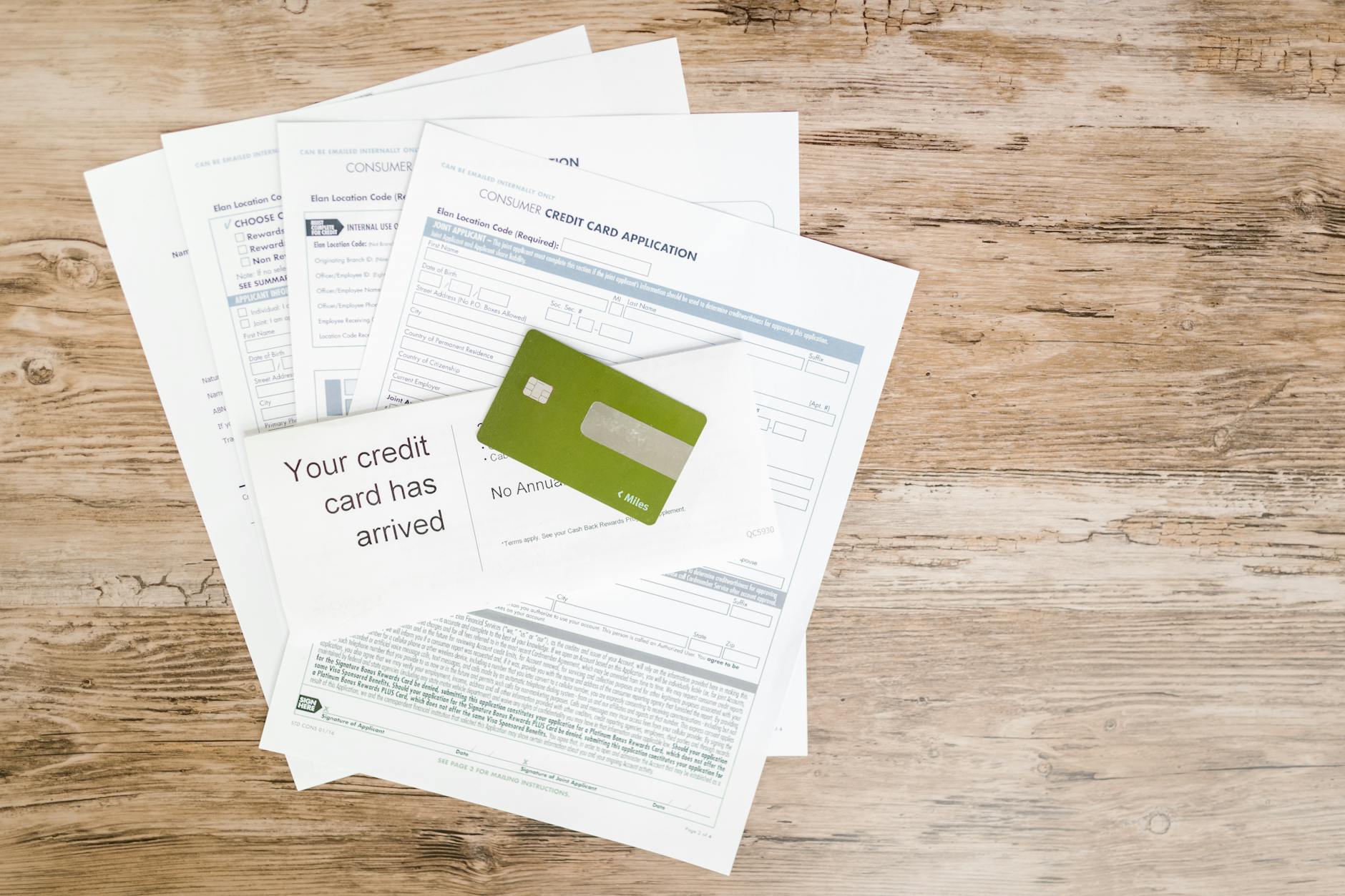
You Can Take CLEP Before College
The short answer is yes: CLEP does not require current college enrollment. You can test first, then use the score later with a school that accepts it. That matters because the exam costs about $93 plus a test-center fee, while a 3-credit class can cost far more once tuition and fees pile on. Use that gap to your advantage and stop paying for classes you can clear in one morning.
CLEP gives you 90 minutes on most exams, and the score scale runs from 20 to 80. A passing score of 50 on most tests means you should study for credit, not for a bragging-rights score. That is the counterintuitive part: going from 50 to 80 does not earn extra credit at most schools, so burning 3 extra weeks chasing a perfect score is usually a bad trade.
Bottom line: A 35-year-old paramedic with night shifts and 6 hours a week can take CLEP now, then enroll later with one or two credits already banked. A homeschool senior can knock out 3 exams in one summer and walk into fall enrollment with a stronger transcript. A community-college student who tests in June before August registration can use the score to cut a gen-ed class from the first term.
The downside is simple: not every school awards the same subjects or the same number of credits, so the exam alone never solves the whole problem. You still need a school target before you spend the $93 and the study time.

Choosing a School Code Without Enrollment
You can send a CLEP score without being fully admitted, and you do not need a student ID to start. The College Board uses school codes, and you pick the code for the college that should receive your score. That choice matters because score reports usually send to one school first, and fixing a bad pick can slow things down by 1 to 2 weeks.
- Pick the school you most likely plan to attend, even if you have not applied yet. If you have 2 backup schools, check all 3 before you test.
- Look up the school code in the CLEP registration flow or the College Board directory, then enter it before test day. Do not guess, because one wrong code can send the score to the wrong office.
- Know the timing. Most CLEP scores post fast enough for score reporting within a few business days, but some schools need 7-10 days to load them, so test before any hard deadline.
- If your plans change, you can send a later score report to a different school, but that usually means another request and another wait. That is why a first-choice code beats random picking.
- Keep your receipt and confirmation page until the score lands. If a college asks for proof, that paper trail saves you from a pointless back-and-forth.
What this means: A student who plans to start at State U in August should use State U’s code now, not the nearest community college code “just in case.” If the plan changes later, the score still sits on your College Board record and you can route it again.
How Long Your CLEP Score Stays Useful
Your CLEP score does not expire the way a carton of milk does. College Board keeps scores on file, and many colleges will use them later when you enroll. That means a test you take 6 months before admission can still matter, and a test you took 2 years ago can still help if the school accepts older credit.
The catch is that schools can set their own rules about recency, subject limits, or score minimums. Some colleges care only that you earned the credit; others want a score sent from the last few years or want a minimum of 50, 55, or even higher in a specific subject. Use that detail to your advantage by checking the rule before you test, not after.
A student who finishes high school in May, works full time for 18 months, and then starts college later should still keep the CLEP record handy. A 2-year gap does not kill the score by itself, but a college might reject old or mismatched credit for its own internal policy. That is why you should save the score report, the test date, and the school code in one place.
Worth knowing: Most students waste effort worrying about whether the score will “go stale,” but the bigger risk is taking the wrong exam for the wrong school. If you know your target college in advance, one 90-minute test can outlast 2 semesters of indecision. If you do not know the school, your score can sit there doing nothing.
The Complete Resource for CLEP Before College
TransferCredit.org has a full resource page built for clep before college — covering CLEP/DSST prep with chapter quizzes and video lessons, plus the ACE/NCCRS-approved backup course if you do not pass the exam. $29/month covers both, and credits transfer to partner colleges.
See CLEP Prep Bundle →Check Acceptance Before You Test
Transfer rules change by institution, and that includes CLEP. One college may take College Composition with an essay at 50, another may want 60, and a third may reject the subject for major credit but still count it for general education. That is why a 10-minute check can save you from a dead-end exam. Use the College Board’s Find My College tool before you pay the test fee or build a study plan.
- Search your target school by name, not by state or guesswork.
- Check which CLEP subjects it accepts, since 1 school may take 15 exams and another takes 8.
- Look for minimum scores, such as 50 or 60, and write them down before you study.
- Read the subject notes for department limits, like 1 exam for history but not for lab science.
- Confirm whether the credit counts for general education, elective, or major requirements.
The catch: A school can accept CLEP and still block the exact class you wanted to skip. That is why “accepts CLEP” is not enough. You need the subject list, the score floor, and the credit category before you sit for the exam.
Do the check now if you are choosing between 2 schools. A transfer student with a fall deadline and a homeschool senior with 3 exams on deck face different timing, but the same rule applies: verify first, pay second.
What To Do After You Enroll
Once you enroll, treat CLEP like paperwork that needs follow-up, not magic that lands itself. Confirm the score reached admissions or the registrar, then ask advising where it sits in your degree audit. A score that clears general education can save 3 to 6 credits, and that can change your first semester schedule right away. Use that credit to drop a redundant class, not to stack on more busywork.
If the school does not show the score after 7-10 days, contact the registrar with your test date and school code. A student starting classes in August should do that before registration closes, not after add-drop ends. If the school applies the credit to electives instead of the exact course you wanted, ask whether another CLEP subject fits better for the next term.
A community-college student who tested in May and enrolled in September should walk into advising with the score report, the school code, and a list of 2 possible next exams. That keeps the momentum going and prevents the classic stall where one credit turns into zero because nobody asks for the next move. The downside here is real: if you wait until the first week of classes, you can miss the cleanest registration window.
Quick CLEP Before-Enrollment FAQ
Before you pay for a test, answer these 5 questions. A 2-minute check can save you a 90-minute exam and a wasted $93 fee if the school rule is wrong.
- Do I need to be enrolled to take CLEP? No. You can test first and enroll later.
- Can I send scores after I apply? Yes, as long as you use the right school code and follow the college’s policy.
- What if I change schools? You can send the score again, but you may need to request a new report.
- How long do scores stay usable? College Board keeps them on record, and many schools accept older scores if their policy allows it.
- Should I prep before applying? Yes, if you already know your target school and its 50 or 60 score floor.
- Can I take 3 exams in one summer? Yes, if your study time and test dates line up.

How TransferCredit.org Fits
Frequently Asked Questions about CLEP Before College
Yes, you can take a CLEP exam before enrolling in college. CLEP has no enrollment rule, and over 2,900 U.S. colleges accept CLEP credit. Check the school you plan to attend later so you don't waste a score on a school that won't use it.
This applies to high school seniors, gap-year students, military members, and working adults; it doesn't apply if your school has its own testing ban or local rule at the test center. CLEP itself doesn't require college enrollment, but your future college can still control how it applies the credit.
CLEP costs $93 per exam plus a small test-center fee. That means you should compare that price with 3 to 6 credits of tuition at your target school, because one passing score can save far more than the test costs.
You send it by picking a school code during registration, even if you're not a student yet. CLEP lets you choose the college or university now, and then the score sits there until you enroll and the school pulls it in.
The most common wrong assumption is that you have to wait until after admission to take CLEP before enrolling in college. You don't. You can test first, send the score to a school code, and keep moving while your college plan is still open.
If you get this wrong, your score can land at the wrong school and your future college may not see it when you enroll. That can slow down your credit award by weeks or months, so double-check the exact school code before you hit submit.
Most students think a CLEP score expires fast, but it usually stays on record through College Board while the college decides how old a score it will accept. That means you should check the school's age rule in advance, since one school may take a 3-year-old score and another may not.
Most students study first and check school policy later, but that wastes time if the college won't use the exam. What actually works is using the Find My College tool first, then picking exams that match the credit rule at the school you want.
Start with the Find My College tool on the official CLEP site and search your future school by name. Look for the exact exam list, minimum score, and credit hours, because one school may give 6 credits for College Composition while another gives none.
This applies to anyone who plans to use CLEP credit at a specific college, and it doesn't matter whether you're a transfer student, homeschool grad, or adult learner. You still need that school's policy, because acceptance can differ by campus and department.
CLEP scores stay on file with College Board for 20 years. That gives you a long window, but you should still check your school now, because some colleges cap older scores at 3, 5, or 10 years.
You should send your official score report to the registrar or advising office and ask how the credit posts on your transcript. Bring your CLEP test date, score report, and the school's policy page so you can push for the right course credit fast.
The most common wrong assumption is that passing the exam automatically posts credit the day you enroll. It doesn't. You still have to match the score to the school's policy, and some colleges want you to submit the score report plus a placement or credit form.
Yes, you can take a CLEP exam before enrolling in college, and that move makes sense if you already know your target school accepts the credit. Start early with TransferCredit.org's CLEP prep, then use its pass-or-free guarantee to cut your risk before you pay for the test.
Final Thoughts on CLEP Before College
Start with the school, not the exam. That order saves money and cuts down on dumb surprises. If you know your target college accepts the subject, sets a score floor you can hit, and lets you send a score before enrollment, CLEP becomes a practical move instead of a gamble. The best time to test is usually before you are buried in classes, job hours, or move-in chaos. A 90-minute exam can clear 3 credits, and that can free up one slot in your first term or let you finish a requirement earlier. If you are still months away from enrolling, use that gap. Do not sit on it. The common mistake is waiting until orientation to think about credit by exam. By then, you have already lost the cleanest window. Check the school code, check the score floor, and check the degree plan now so you can walk into enrollment with one less class on your list.
What it looks like, in order
Ready to Earn College Credit?
CLEP & DSST prep + ACE/NCCRS backup courses · Self-paced · $29/month covers everything